Supporting California’s Transition to Zero-Emission Transit
Generation Zero 2026, held on February 28, 2026 at the Orange County Transportation Authority (OCTA) Santa Ana Base, brought together transit leaders, agencies, and technology providers to explore how ZEB technology is being deployed today.
Organized in partnership with CALSTART, the California Air Resources Board (CARB), the Southern California Association of Governments (SCAG), Caltrans, and OCTA, the event offered transit agencies a practical environment to evaluate vehicles, exchange operational insights, and discuss infrastructure, workforce readiness, and deployment strategies.
Unlike traditional conferences, Generation Zero focuses on operational experience rather than presentations alone. Transit professionals had the opportunity to:
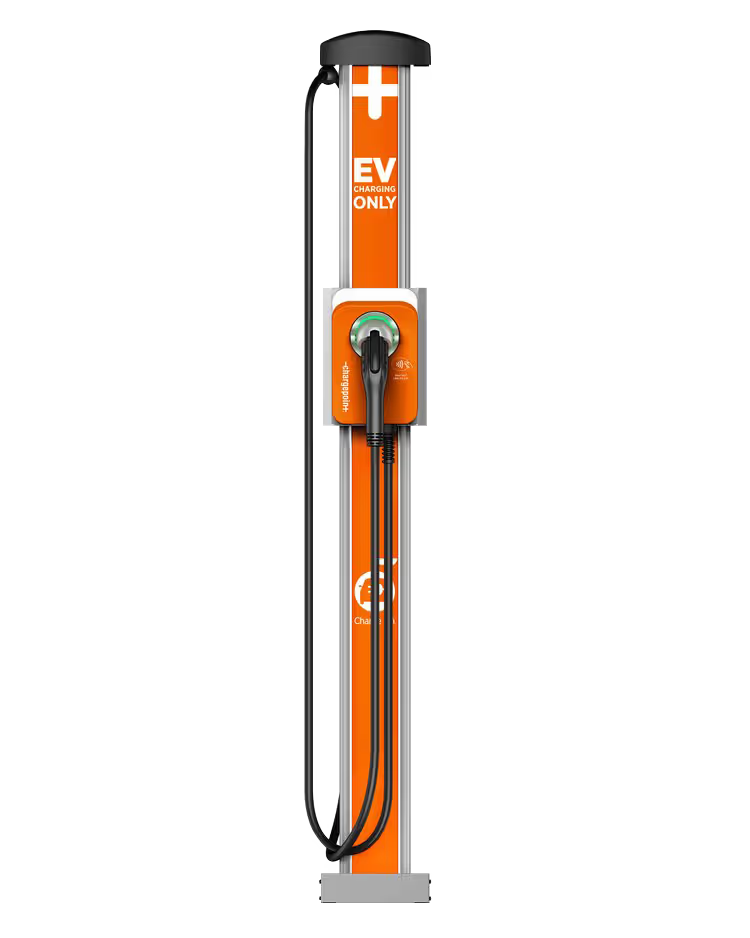
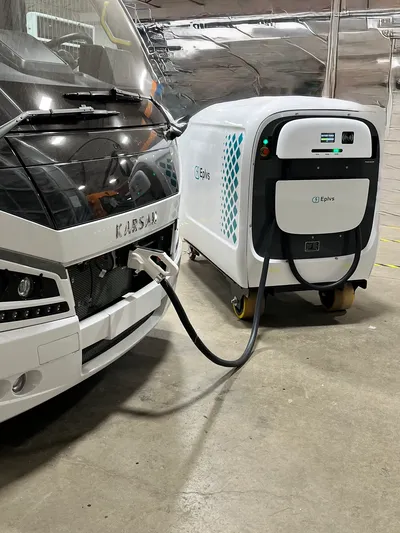
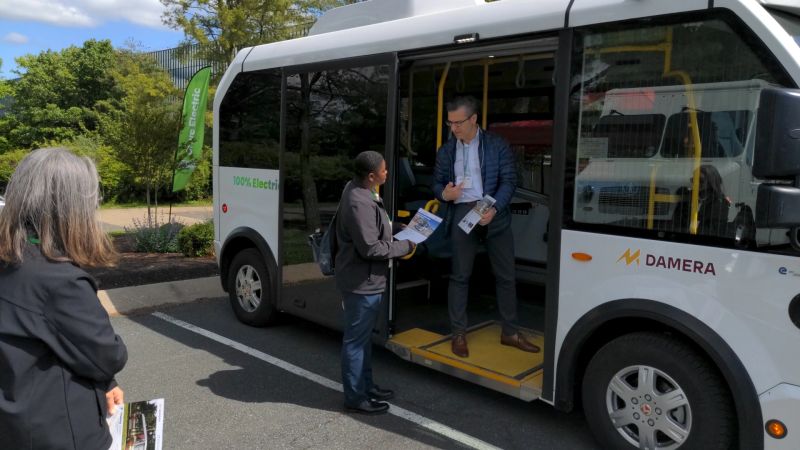
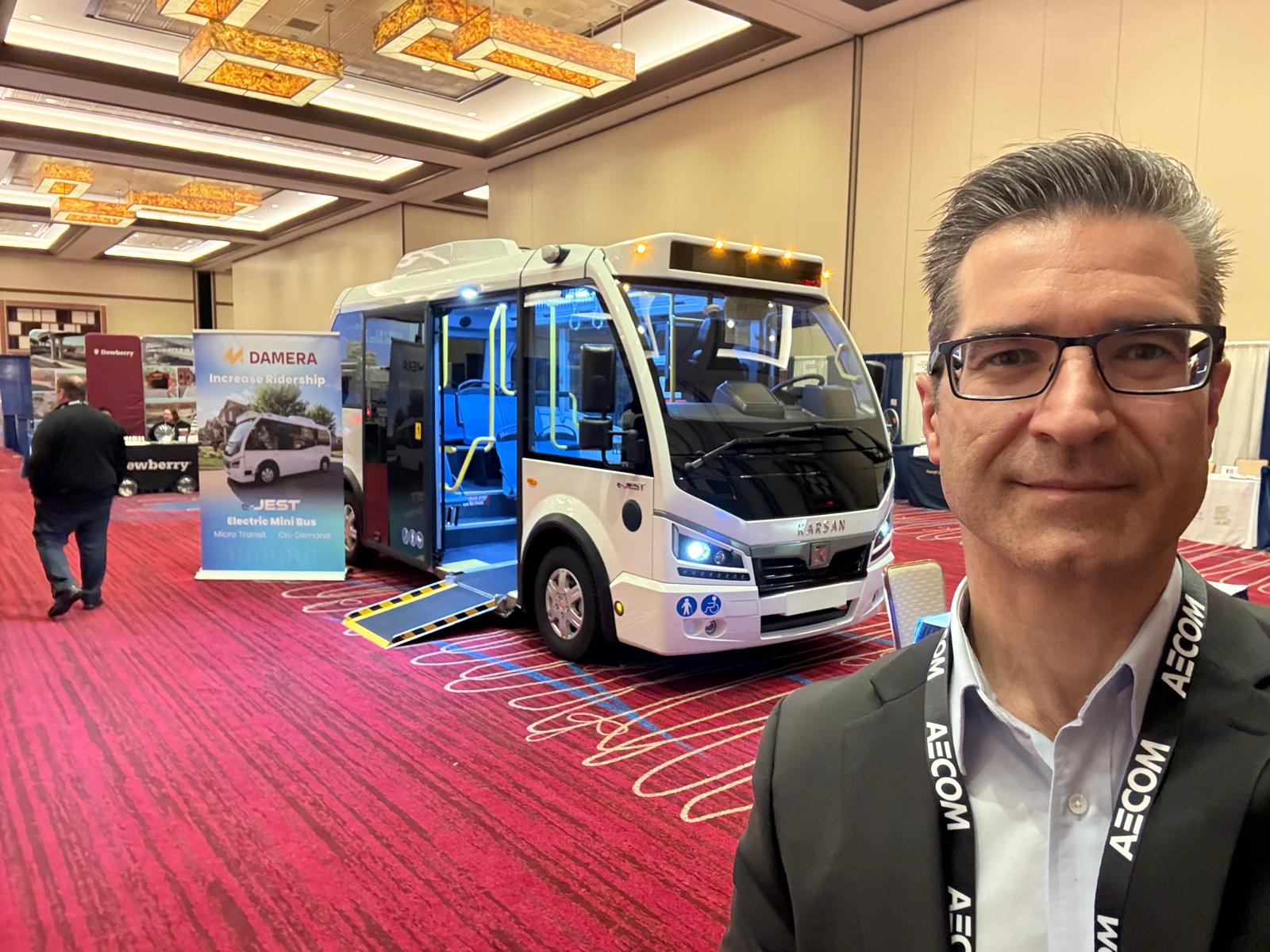
• Participate in ride-and-drive demonstrations of battery-electric and hydrogen fuel cell buses (visitors were able to see and test ride our Karsan eJEST minibus) • Exchange insights with agencies already deploying ZEB fleets • Discuss maintenance practices, operational considerations, and safety procedures • Explore charging infrastructure and fueling strategies • Learn how agencies are addressing procurement and funding challenges
These peer-to-peer conversations are particularly valuable for transit agencies evaluating how to move from pilot programs to larger fleet deployments.
Across North America, agencies are at different stages of the transition to zero-emission fleets — from early planning to full-scale deployment — and events like Generation Zero help accelerate knowledge sharing across the industry.
For Damera, participating in Generation Zero was an opportunity to engage with agencies at different stages of the ZEB transition and share insights on how right-sized electric transit vehicles can support efficient, scalable transit service.
Connecting with Transit Agencies
As a supplier of zero-emission transit vehicles and mobility solutions across North America, our team continues to work closely with transit agencies as they evaluate electrification strategies, infrastructure requirements, and vehicle platforms suited to their operational environments. The shift toward zero-emission fleets represents not only a technological change, but also an opportunity to rethink service design, operational efficiency, and long-term system sustainability.
At Damera, we focus on right-sized transit solutions — vehicles that match service demand, improve operational efficiency, and make electrification financially viable for transit systems. As many agencies rethink how they deliver service, especially in lower-ridership areas, right-sized electric buses can support microtransit, on-demand zones, neighborhood circulators, and first-last mile connections.
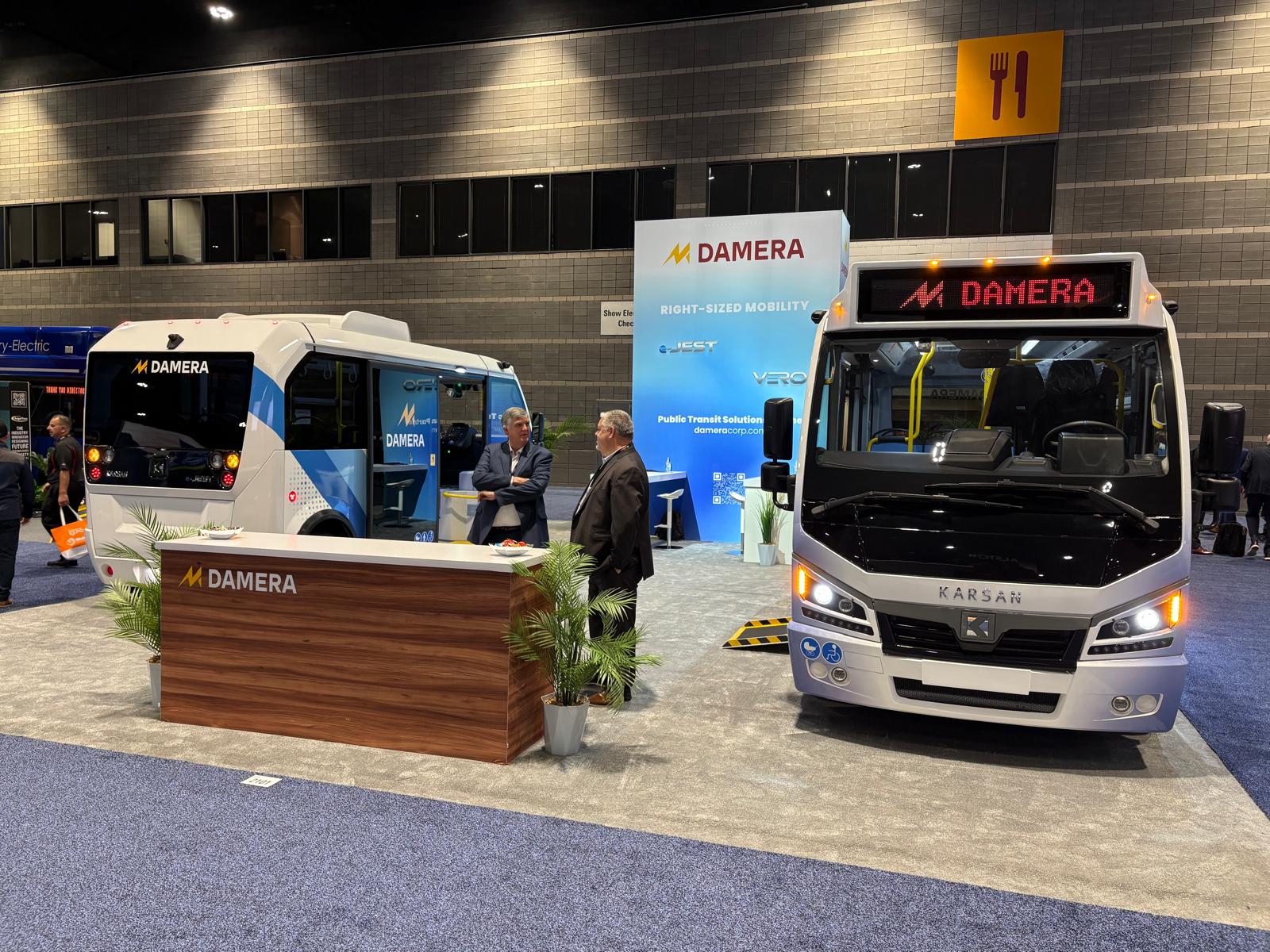
Karsan eJEST is our flagship vehicle, a fully electric, low-floor transit bus designed specifically for right-sized transit operations. Built as a true transit vehicle rather than a modified van platform, the eJEST combines compact maneuverability with full ADA accessibility, including a low-floor entry and electric ramp. With a length of approximately 20 feet (6 meters) and a BMW electric powertrain, the eJEST is well suited for applications such as microtransit, on-demand services, neighborhood circulators, and first-last mile connections. Its compact size allows transit agencies to provide flexible service in areas where large buses may be underutilized, while still delivering the durability and passenger comfort expected from a full transit bus.
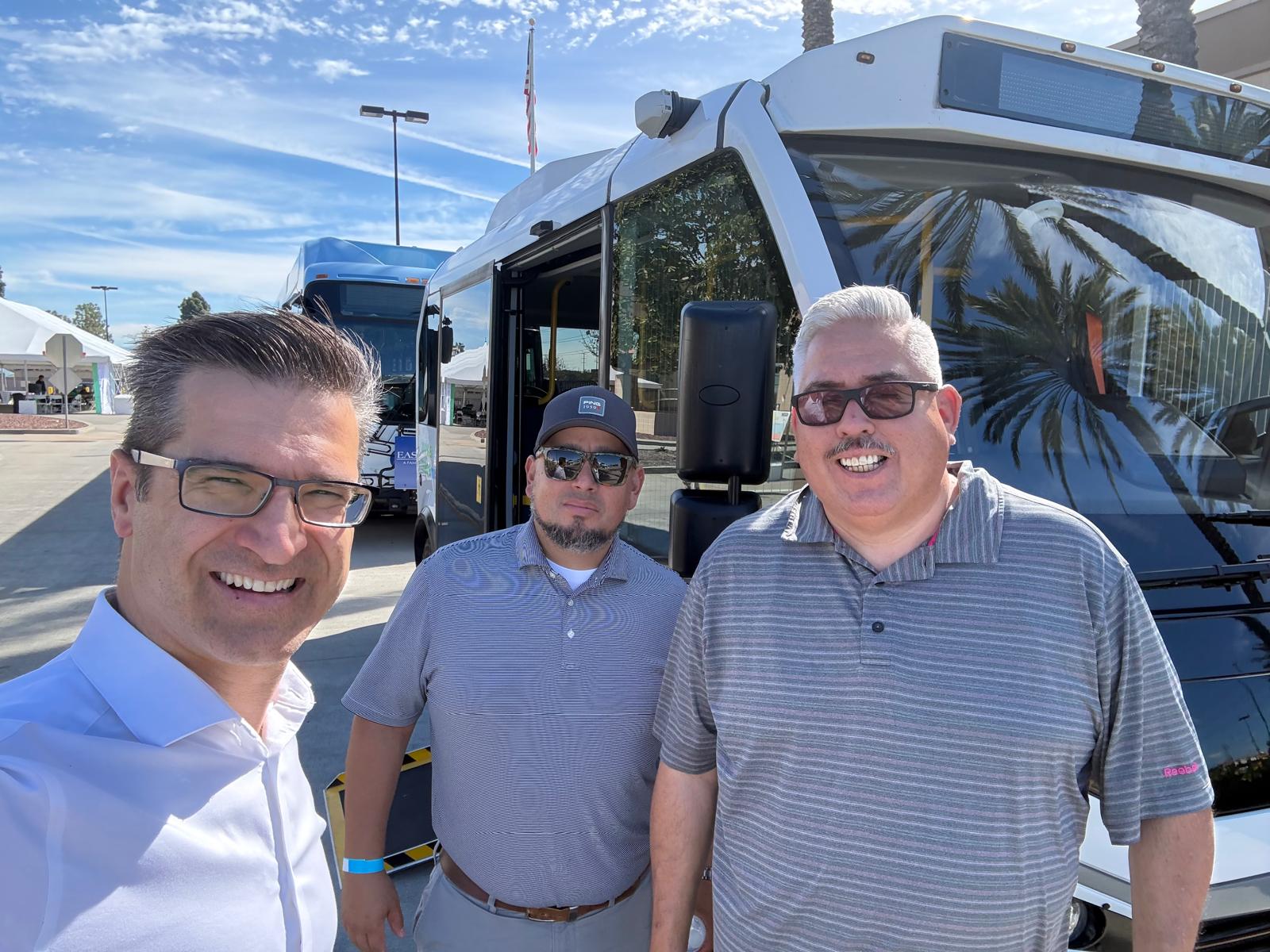
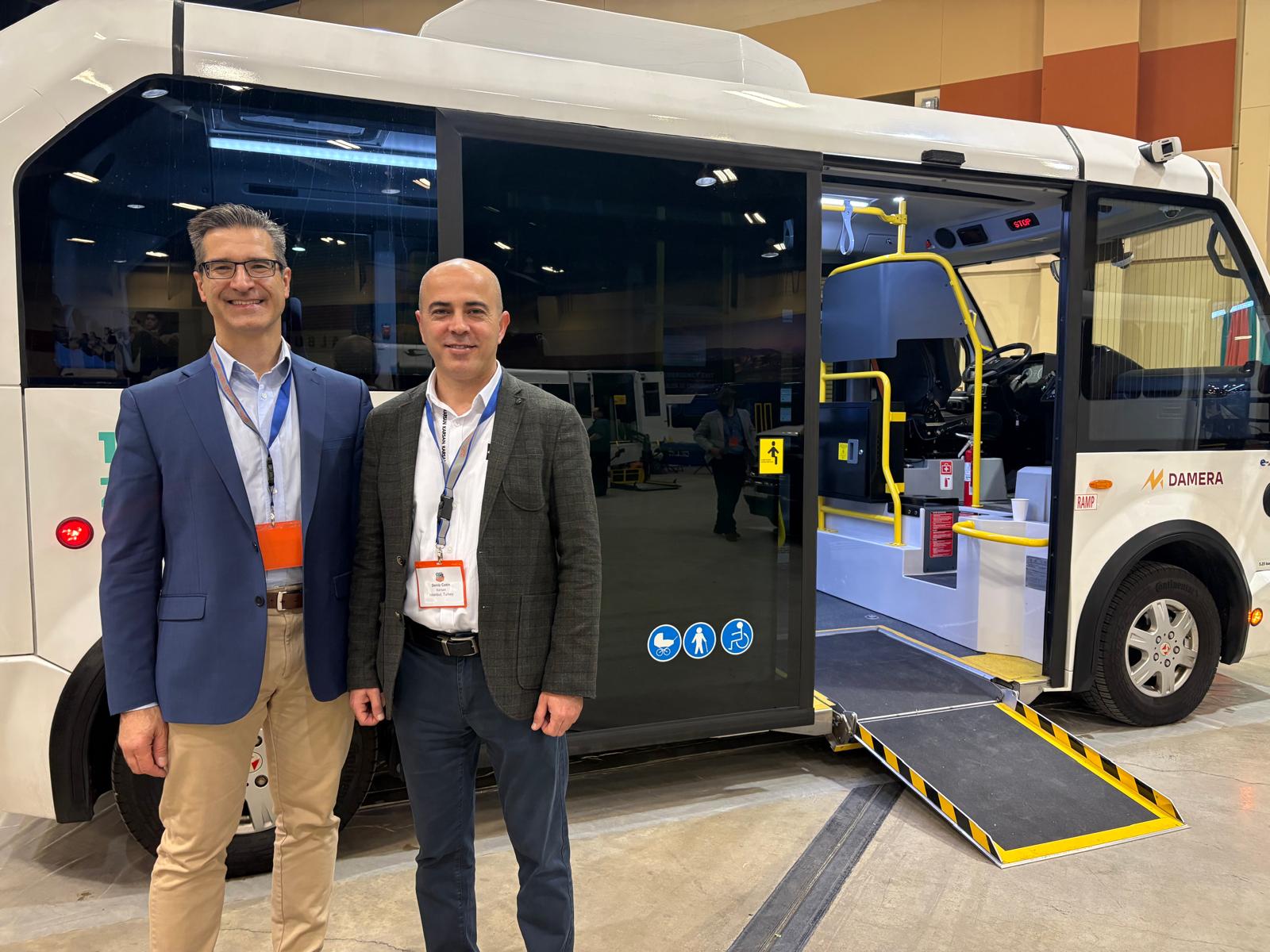
We are glad to share a photo with representatives from Palo Verde Valley Transit Agency (RidePV), K. George Colangeli and Richard K. Hargrove Jr. together with Roman Duplak (from the left), VP of America Sales at Damera, during Generation Zero 2026. RidePV was one of the transit agencies assessing zero-emission bus options at the event, and the Karsan eJEST stood out for its right-sized format, modern aesthetics, quiet operation, and fully accessible low-floor design.
eJEST makes a strong first impression because it does not feel like a compromise. Wide windows, step-free boarding, compact proportions, and a contemporary look help create a more welcoming transit experience. For agencies working not only to operate service, but to truly serve riders well, that matters. A vehicle that feels modern, comfortable, and approachable can positively shift how people perceive transit — and we have seen that translate into stronger ridership, better rider retention, and improved community response.
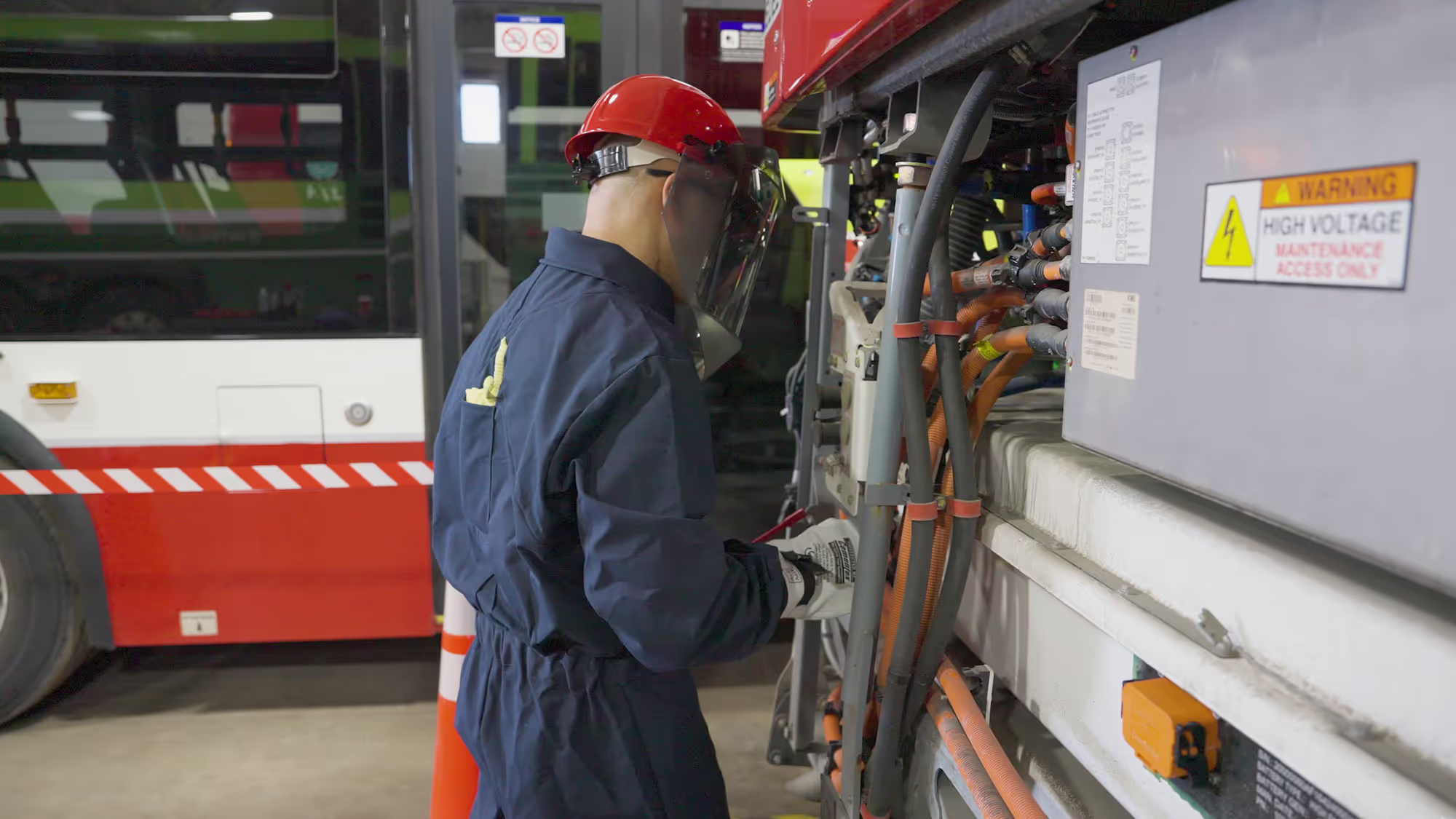
When agencies are open to further discussion and evaluation of the value the eJEST could bring to its fleet, we are glad to support that process: at Damera, we bring more than vehicle supply. Our background in transit repair, maintenance, and high-voltage systems gives us a deeper understanding of what agencies need in real operation — from durability and lifecycle value to serviceability and long-term support. That technical foundation is what makes Damera a unique partner, and why we are always ready to provide advice that works in practice for transit agencies and fleet owners.
Supporting the ZEB Transition
California is one of the most active regions in North America for the transition to zero-emission buses (ZEB), and many service models being tested across the state align well with compact, fully accessible electric transit vehicles. This region continues to lead North America in the transition toward zero-emission public transportation, supported by ambitious state policies and collaborative efforts between transit agencies, regulators, and industry partners.
For many transit systems, the transition raises important operational questions:
• How should agencies plan charging infrastructure? • What vehicle types best match specific service models? • How do workforce training and maintenance procedures evolve with electric fleets? • How can agencies scale deployment while maintaining operational reliability?
Events such as Generation Zero allow agencies to explore these questions through real-world examples and direct operational experience.
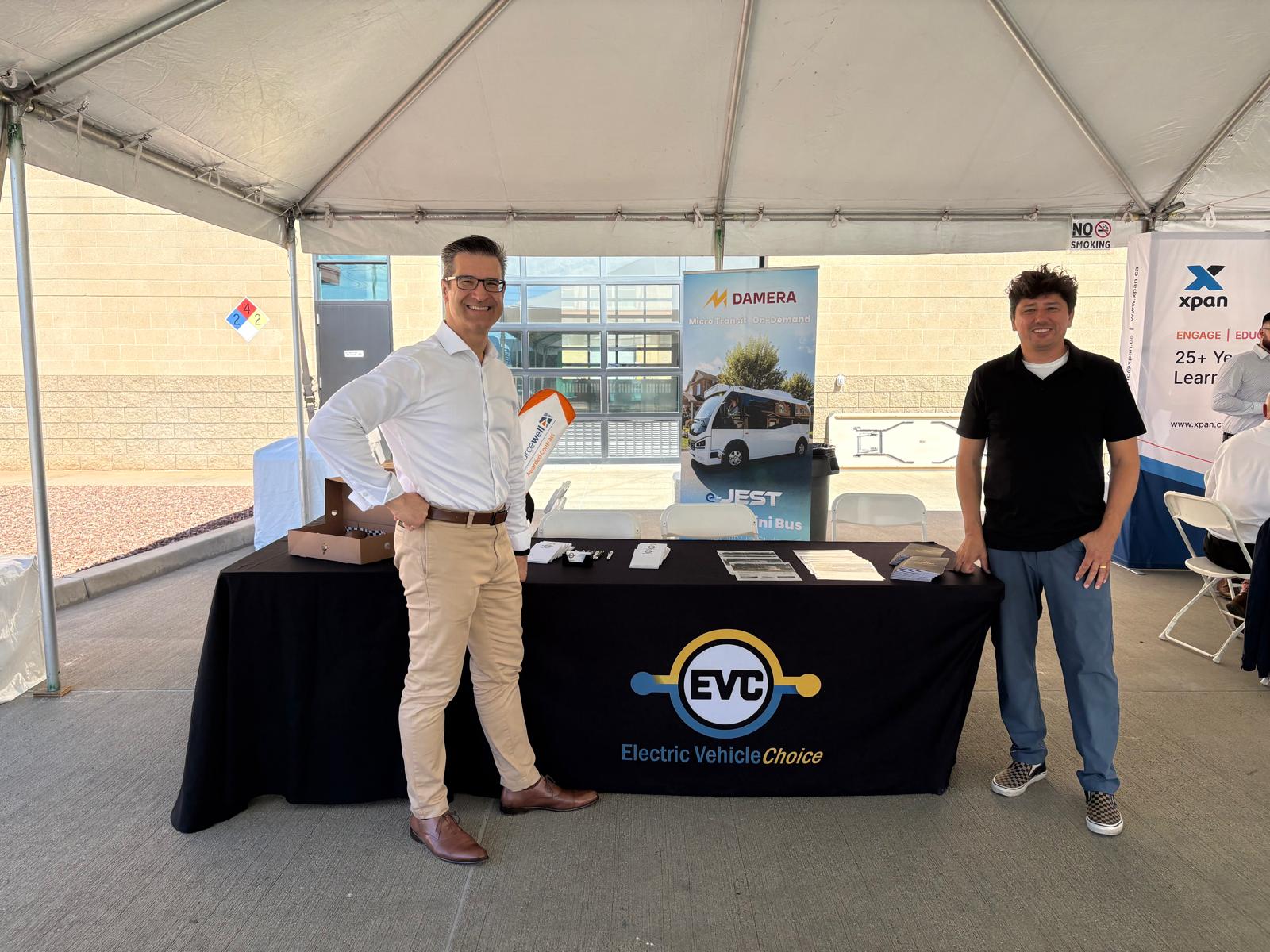
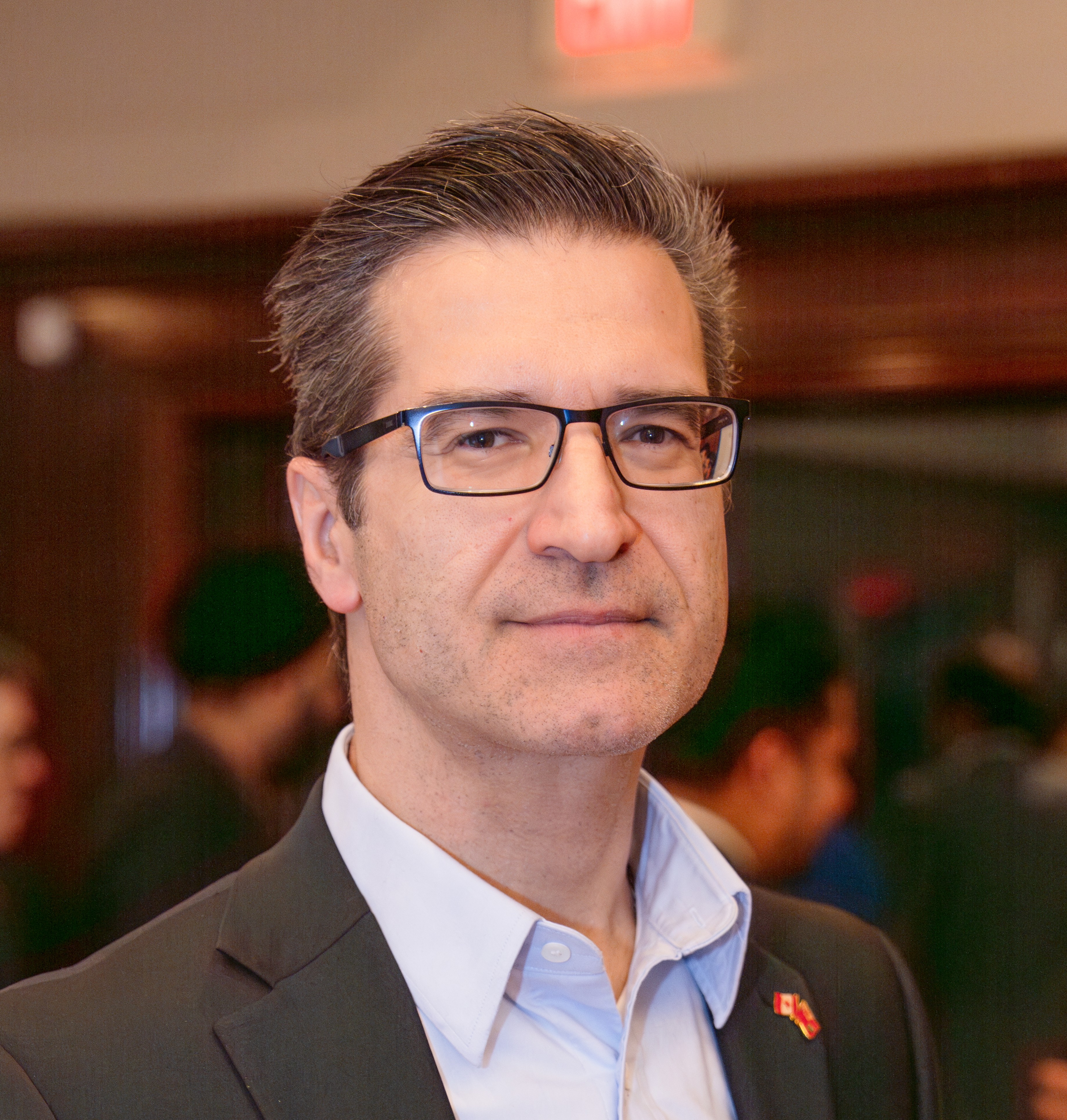
At the next picture Roman Duplak is with Jeramy Ostrander, Co-Founder and CEO of Electric Vehicle Choice (EVC), Damera’s authorized U.S. dealer and an HVIP-approved partner in California.
EVC helps fleets access funding through California’s Clean Truck and Bus Voucher Incentive Project (HVIP), which can provide $58,500 toward the purchase of a Karsan eJEST electric minibus for eligible fleets. This makes EVC an important connection for agencies and operators looking to lower upfront costs and move more quickly into zero-emission service. Beyond vehicle supply, EVC supports California customers with program access, funding navigation, and practical deployment support — helping fleets turn incentive opportunities into real vehicles on the road. For operators exploring right-sized electric transit, this partnership creates a more direct path to electrification.
When we talk about right-sized transit buses like the Karsan eJEST, one of the biggest advantages is that agencies can electrify gradually instead of all at once. That approach reduces implementation risk, avoids overbuilding infrastructure at the start, and makes both operations and maintenance more manageable. Because the eJEST is smaller, lighter, and designed for lower-demand service, it typically requires less charging capacity, lower energy input, and simpler deployment planning than a full-size 40-foot electric bus.
The financial logic is especially important. In many cases, agencies can deploy multiple eJEST buses for the capital cost of a single 40-foot electric bus—often up to four, depending on specifications and procurement conditions. That changes the economics of electrification. Instead of concentrating a large budget into one oversized vehicle, agencies can expand service coverage, increase frequency, improve redundancy, and serve more neighborhoods with several right-sized buses.
This is why the eJEST makes particular sense in low-ridership areas, on community routes, microtransit, first-last mile connections, and on-demand service zones. In these applications, large buses often operate with low passenger loads, which means poor capacity utilization and unnecessary operating expense. A right-sized electric bus improves the financial outcome by aligning vehicle size with actual demand—helping agencies deliver accessible, modern service while controlling both capital and operating costs.
Industry events like Generation Zero provide a valuable forum for collaboration, knowledge sharing, and practical insights that help move the transit sector forward. Connect with us to learn how practical electrification strategies can support operational efficiency, sustainability goals, and long-term transit reliability.


.svg.avif)




-p-500-p-500.avif)













.svg)



-web.jpg)










.svg)