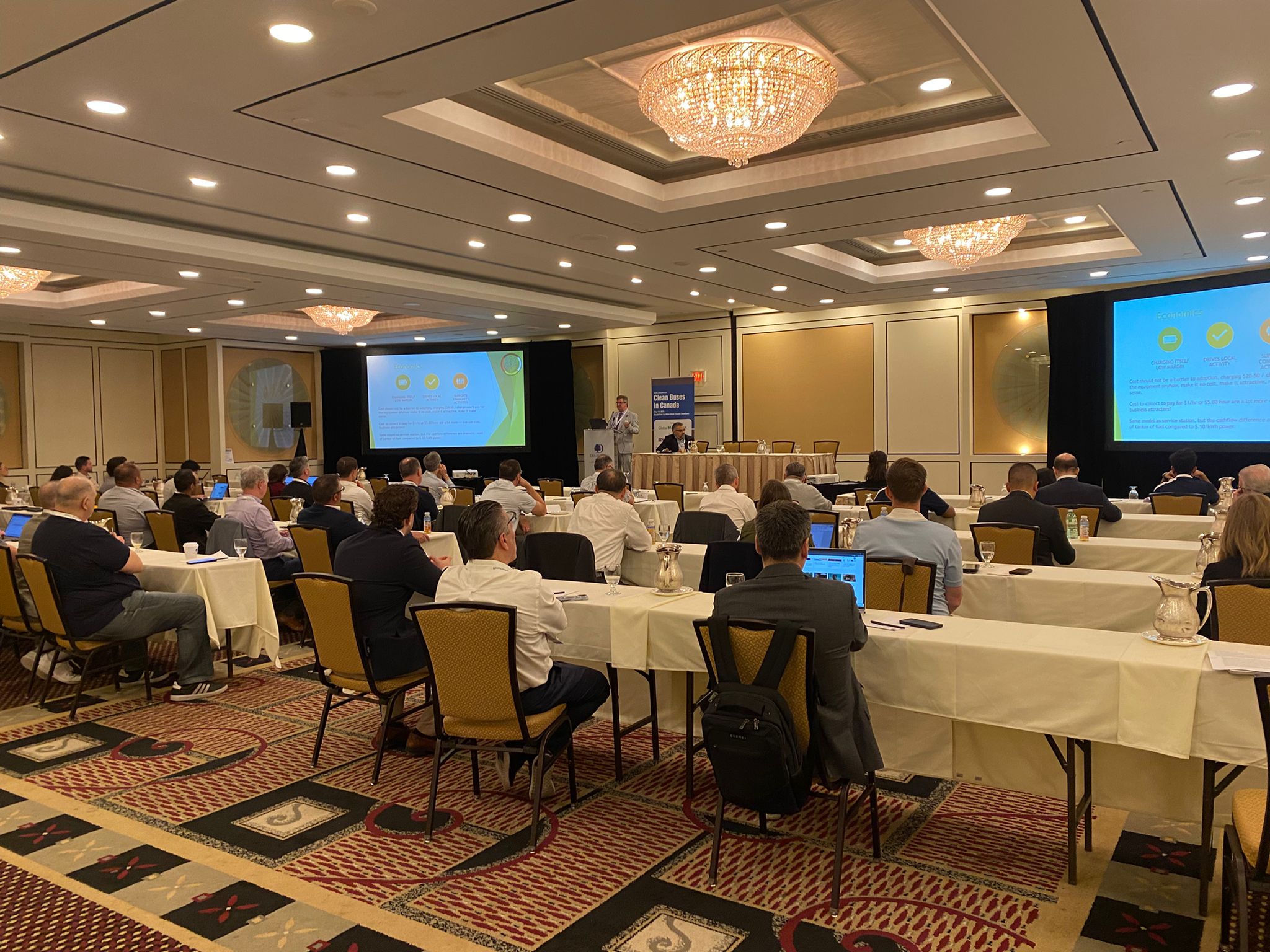
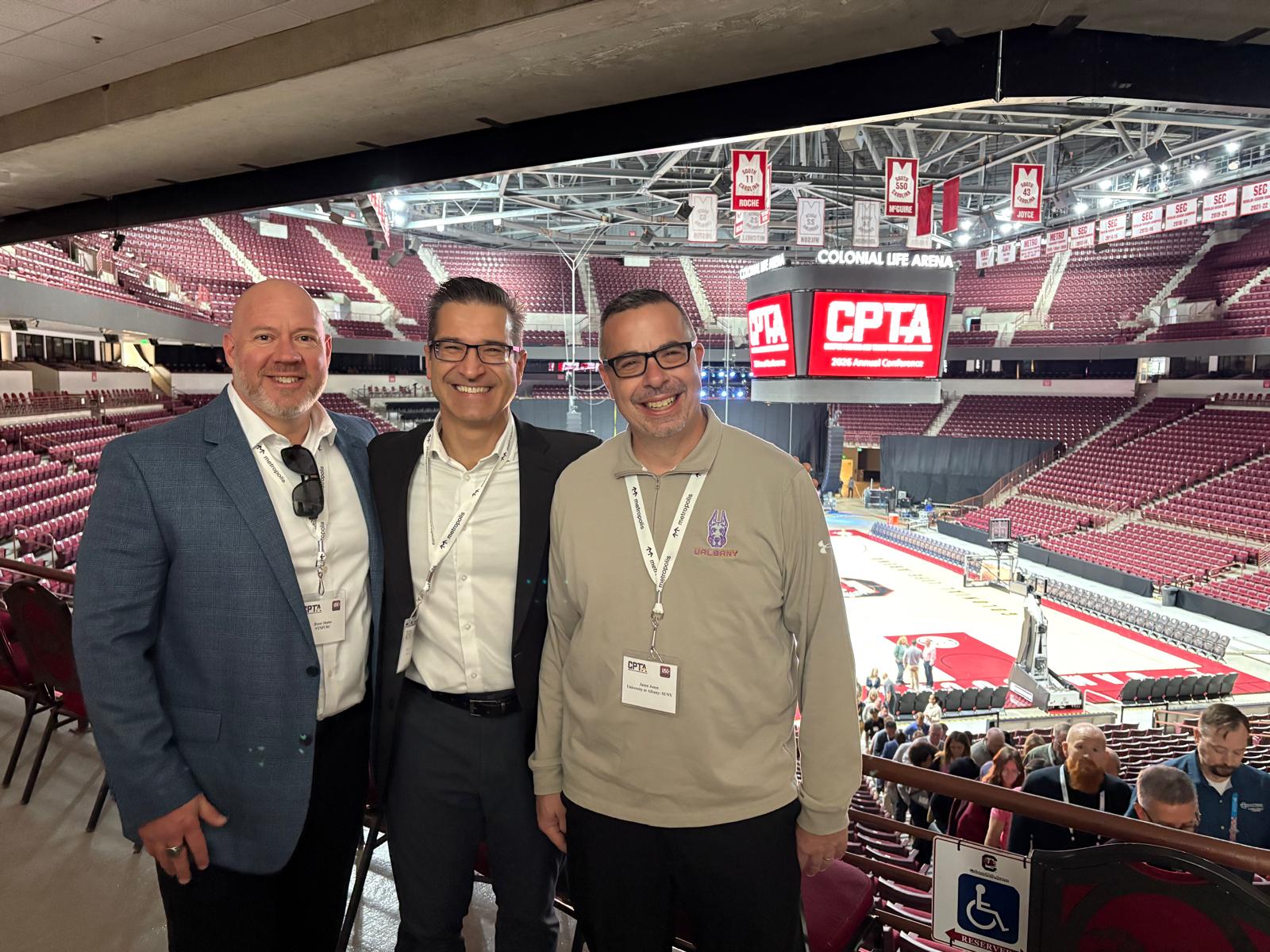
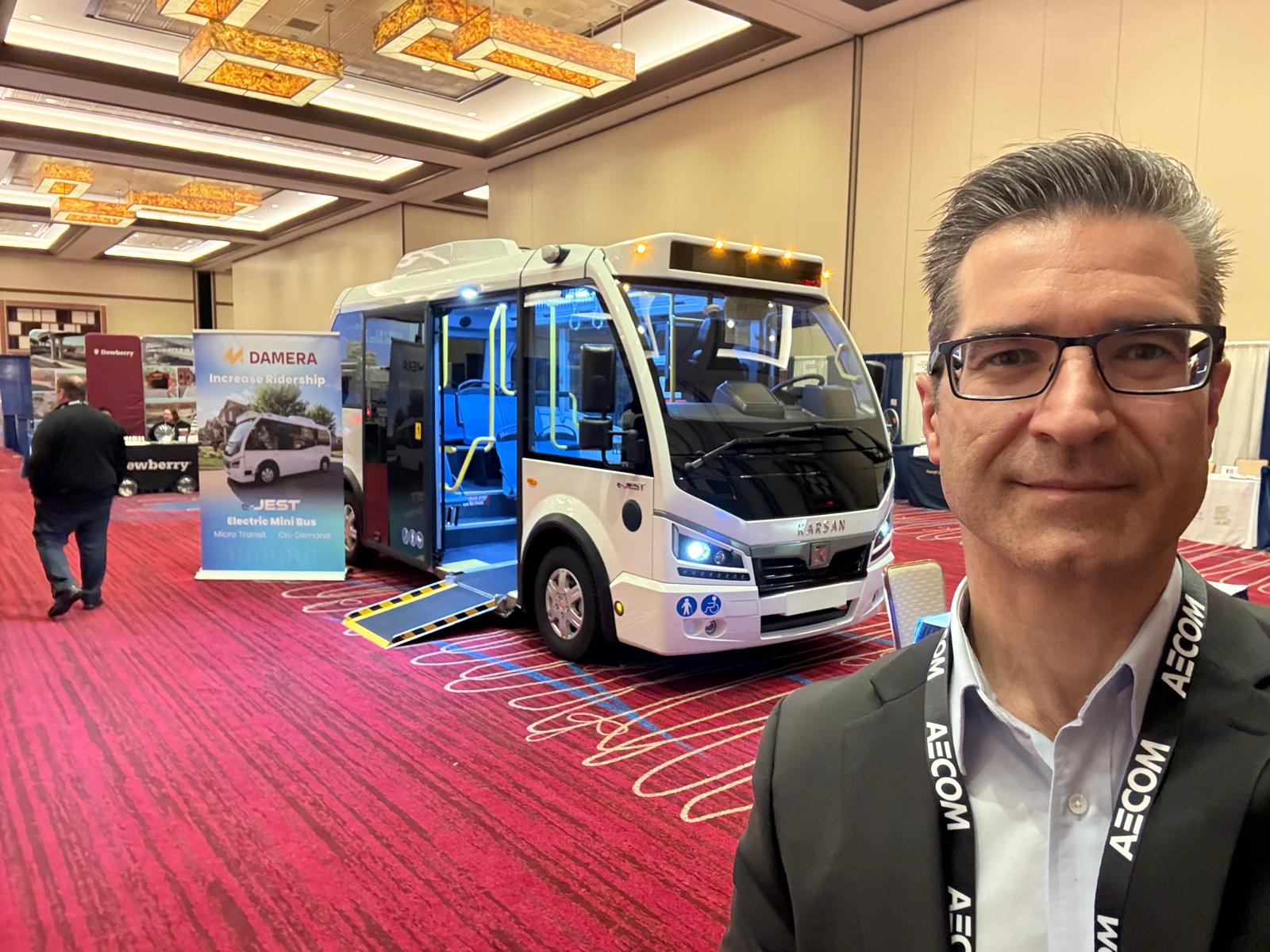
On May 19, 2026, Damera Corporation participated in the 4th Conference on Clean Buses in Canada, organized by Global Mass Transit and held at the DoubleTree by Hilton Hotel Toronto Downtown.
We would like to thank the organizers for creating a highly relevant forum where transit agencies, manufacturers, utilities, policymakers, consultants, and technology providers can exchange practical experience and discuss one of the most important questions facing public transportation today:
How can transit agencies electrify their fleets in a way that is technically sound, financially responsible, and operationally sustainable?
This question is especially significant in Canada.
Transit agencies across the country operate in some of the most demanding conditions in North America. Long winters, sub-zero temperatures, heating loads, and varying service requirements all affect battery performance, charging strategies, and operational planning. As a result, electrification in Canada requires thoughtful vehicle selection, robust technical support, and a clear understanding of long-term lifecycle implications.
For Damera Corporation, participating in this conference was not only an opportunity to share our perspective, but also to listen.
By engaging with transit leaders, utilities, and industry experts, we gained valuable insight into the challenges agencies are addressing today—from total cost of ownership and cold-weather performance to workforce training, charging infrastructure, and procurement strategies.
These discussions help us better understand our customers’ needs and continually refine the solutions we bring to market.
A Practical Approach to Electrification
At Damera Corporation, our purpose is to bring advanced transportation technologies to Canada and help ensure they perform reliably in real-world conditions.
We view electrification not only as an environmental benefit, but also as an economic opportunity—one that can reduce operating costs, strengthen local supply chains, and create skilled jobs in engineering, assembly, technical training, and long-term service support.
Our approach begins with a simple principle:
The best vehicle is the one that most effectively matches the service.
In many applications, a smaller, purpose-built electric minibus can deliver greater value than a full-size bus by improving capacity utilization, increasing service frequency, lowering infrastructure costs, and extending transit to areas that are difficult to serve efficiently.
Why Right-Sized Transit Matters
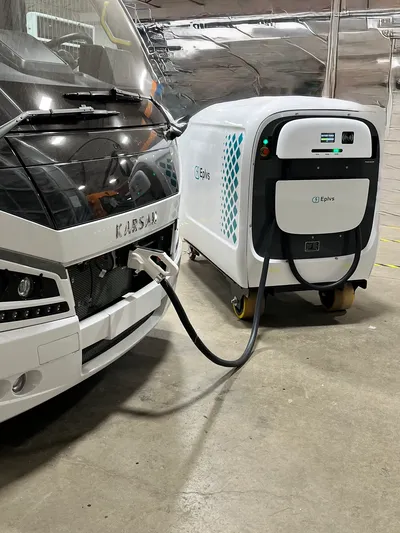
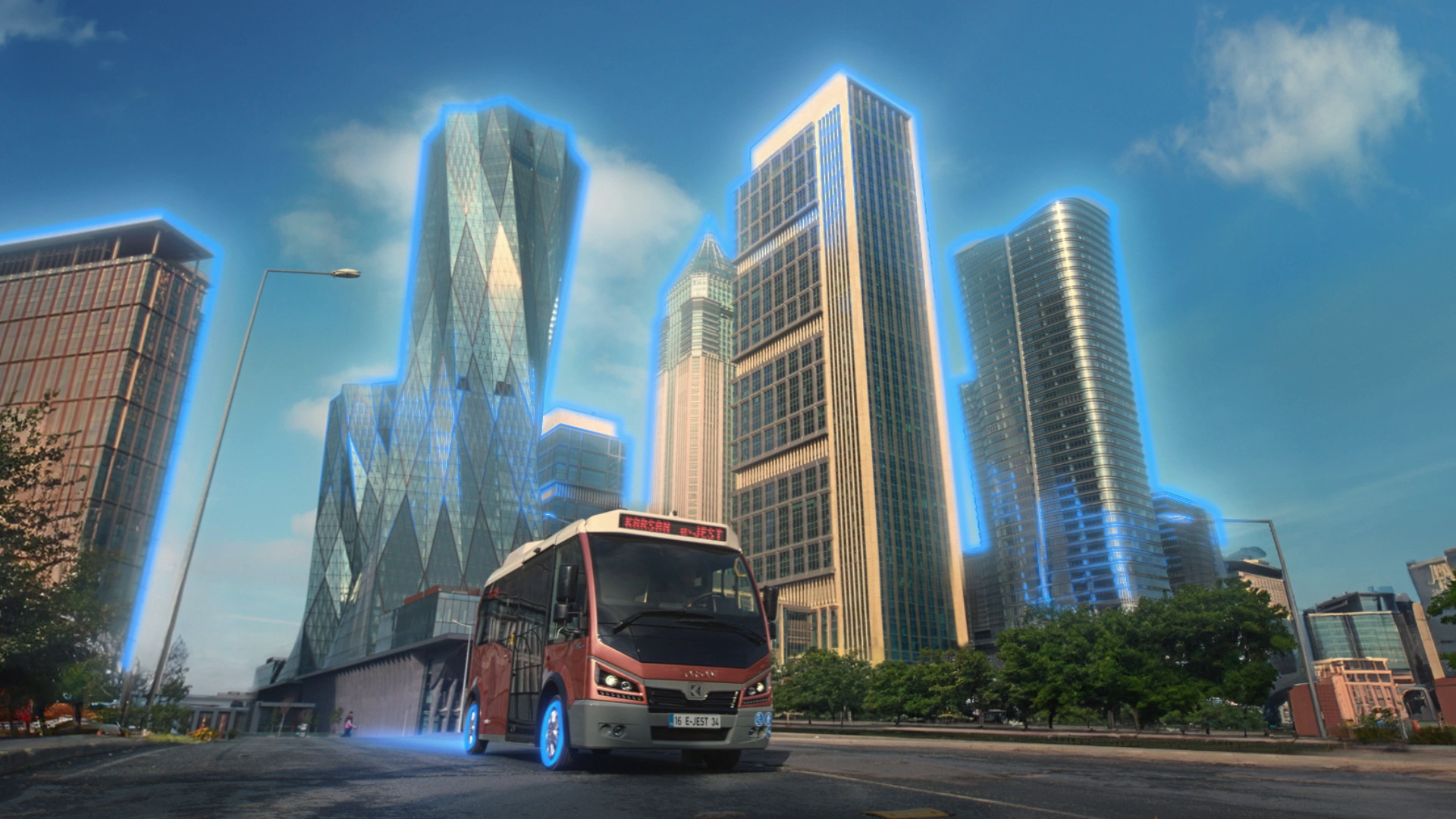
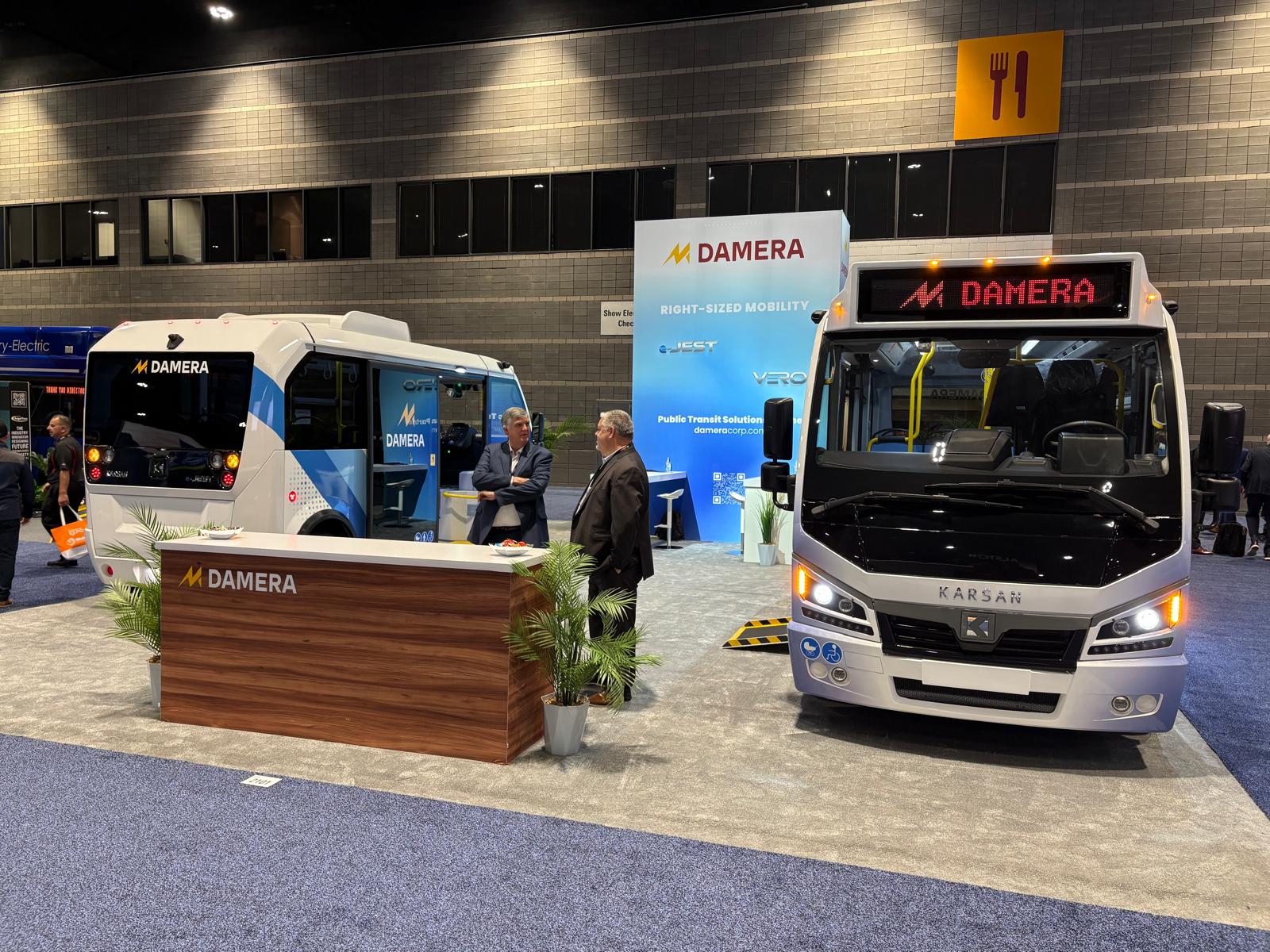
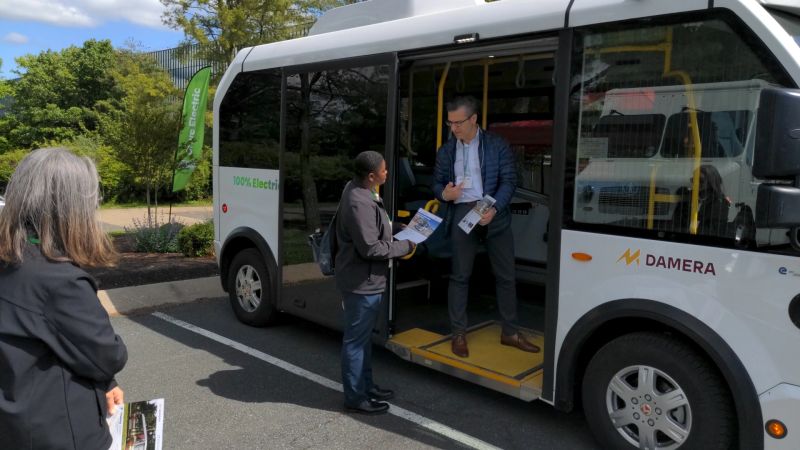
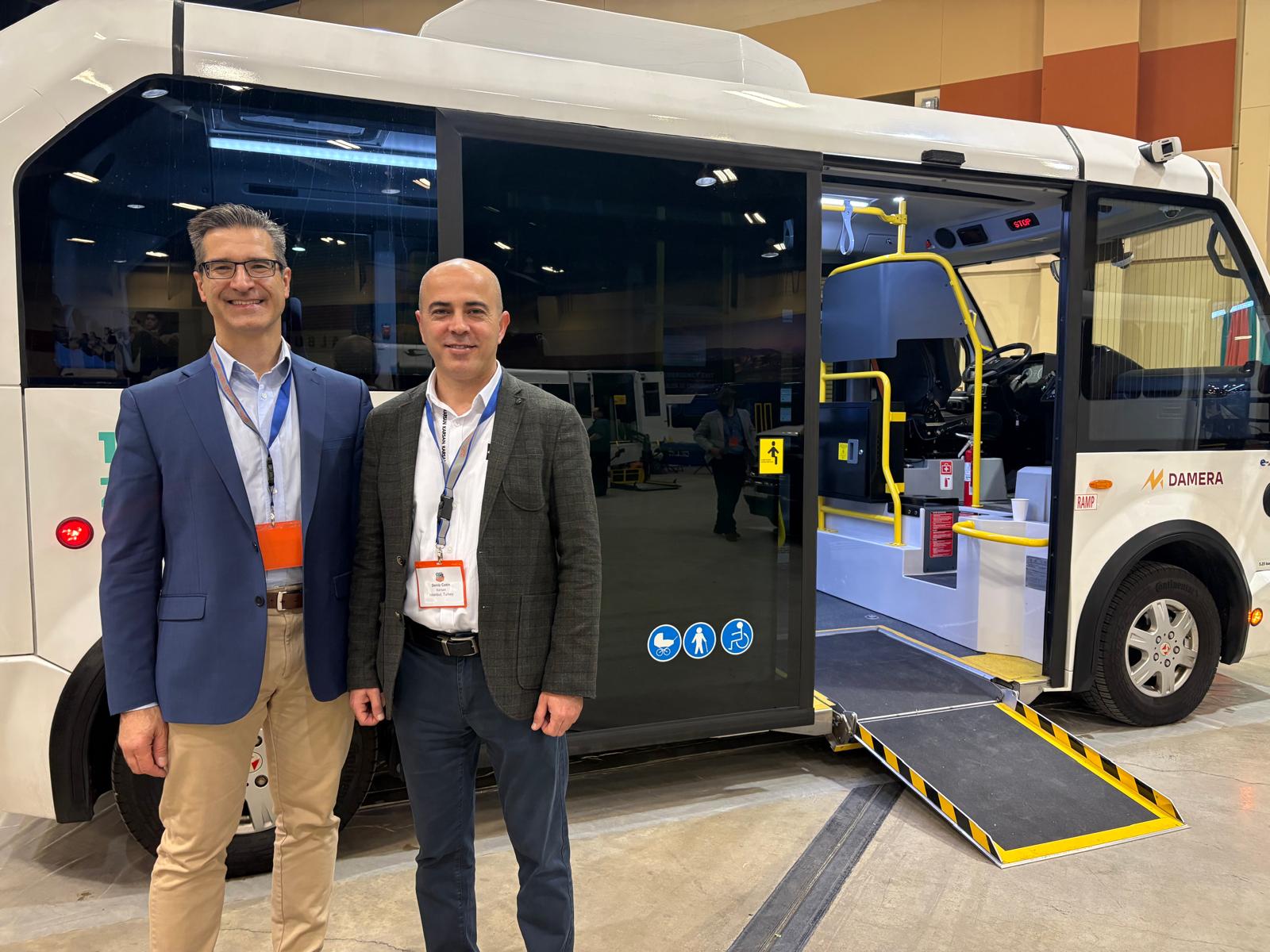
This philosophy is reflected in the Karsan eJEST, Damera’s flagship right-sized electric minibus and our exclusive offering in North America.
The eJEST is a fully accessible low-floor electric bus designed for:
Microtransit
Paratransit
Community shuttles
Lower-ridership fixed routes
University and airport services
Because of its compact dimensions, smaller battery, and lower energy consumption, the eJEST provides a practical entry point for agencies seeking a gradual and lower-risk approach to electrification.
Its advantages include:
Lower acquisition cost
More affordable charging infrastructure
Reduced electricity consumption
Full accessibility with integrated electric ramp
Easy boarding for wheelchairs, PMDs, and strollers
Tight turning radius and excellent maneuverability
In many cases, agencies can deploy more vehicles within the same budget, improving frequency and bringing transit closer to where people live.
More Than Vehicle Supply
Damera Corporation’s role extends far beyond vehicle distribution.
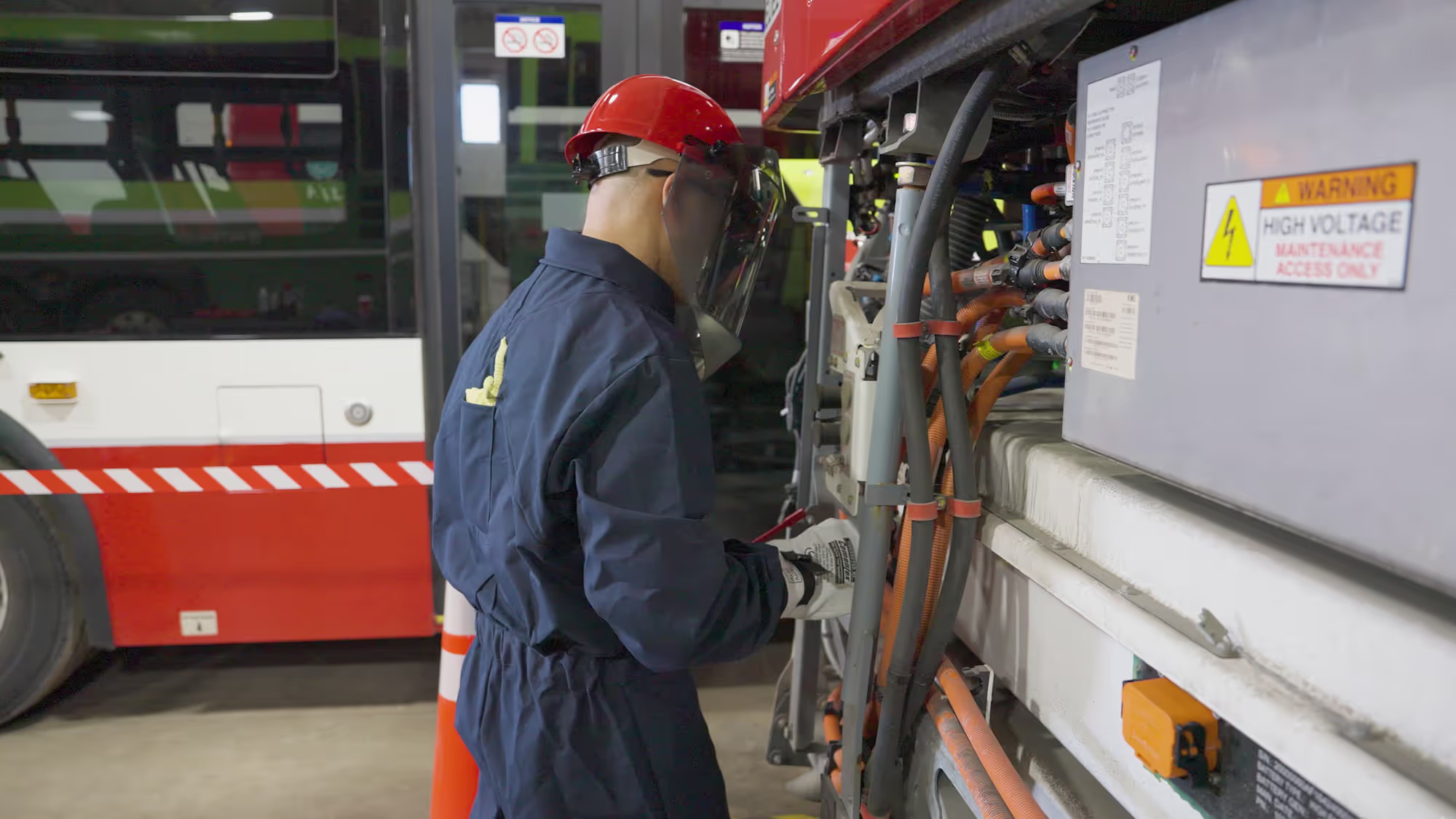
Drawing on Damera Group’s experience in bus maintenance, refurbishment, diagnostics, engineering, and high-voltage systems, we provide:
Vehicle application analysis
Charging infrastructure guidance
Engineering and customization
High-voltage training
Parts and after-sales support
Real-world operational insight
This enables transit agencies to move from concept to implementation with greater confidence.
Why This Conference Matters to Us
Events like Clean Buses in Canada are important because they bring together the people responsible for making long-term decisions involving significant public investment.
Participating in these discussions allows us to better understand emerging challenges, evaluate new technologies, and continue improving the solutions and support we provide to agencies across North America.
Most importantly, it reinforces our belief that successful electrification depends not only on innovative vehicles, but on practical planning, technical expertise, and long-term partnership.
If your agency is evaluating microtransit, paratransit, community shuttles, or broader fleet electrification strategies, we would be pleased to discuss how right-sized electric transit can help reduce costs, improve accessibility, and make zero-emission transportation more achievable.


.svg.avif)




-p-500-p-500.avif)













.svg)







-web.jpg)





.svg)