


.svg.avif)




-p-500-p-500.avif)










Chargers

All Chargers
Explore all charging options on one page
Services
TUV Level 3
High Voltage Training

Work safely and effectively with high-voltage systems

Charger Installation
Contributes to the seamless integration of electric vehicles

Electrical Engineering
Get your skills in electrical engineering tailored to the transit industry
Bus Service (MBCT)
Comprehensive bus service ensuring reliable maintenance, repairs, and safety compliance.
MICROTRANSIT

Paratransit Buses
Learn more about our paratransit vehicles and how we’re improving mobility for people with disabilities and underserved riders.

Micromobility Buses
Discover how our buses support both paratransit needs and provide efficient service in low-ridership areas.

Minibuses for Campuses
Learn how modern electric minibuses create smoother, safer, and more convenient transportation for students and staff.

.svg)
There is no previous post
Previous Post
Next Post
There is no next post
Autonomous Transit That Strengthens the Mobility Network
No items found.
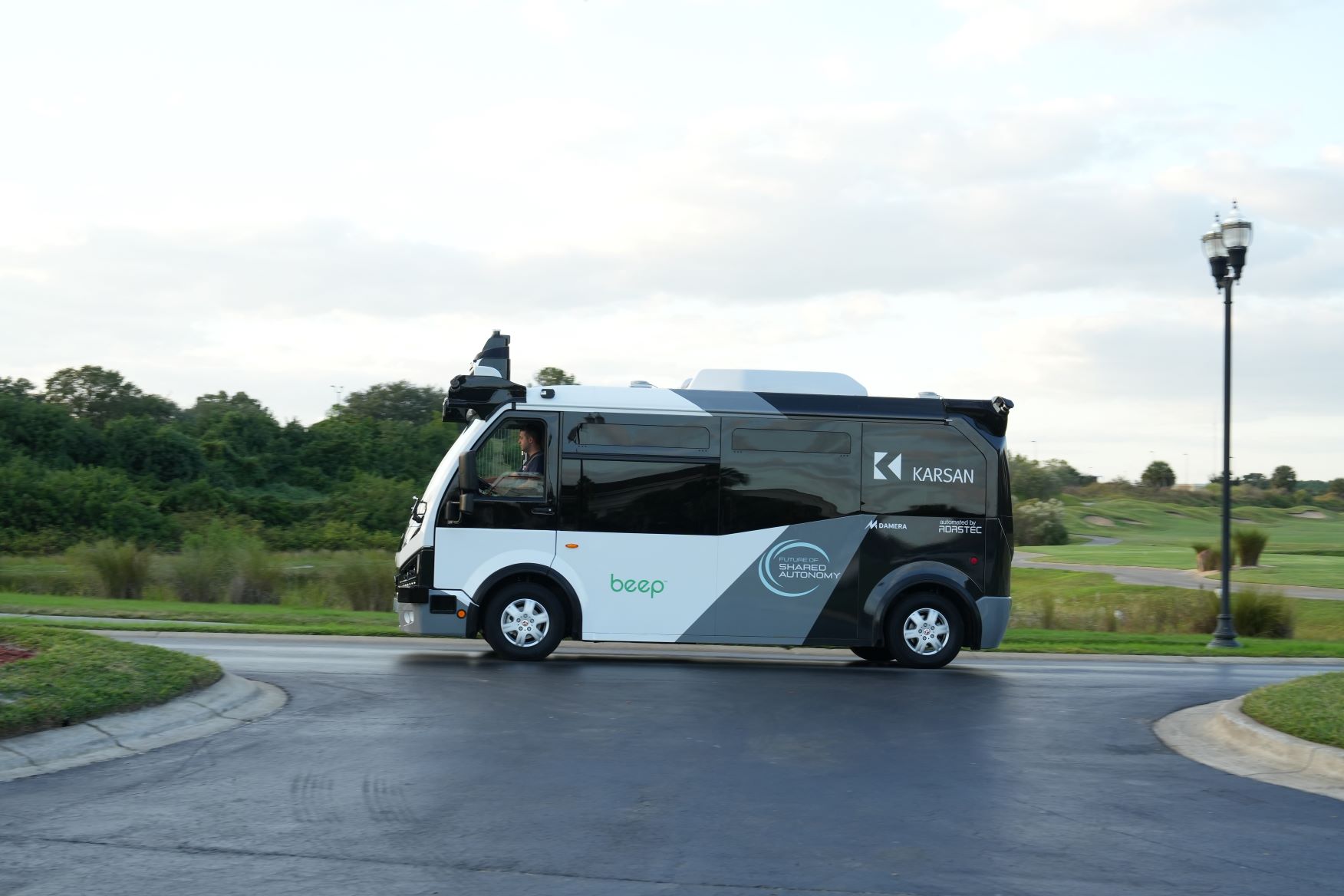
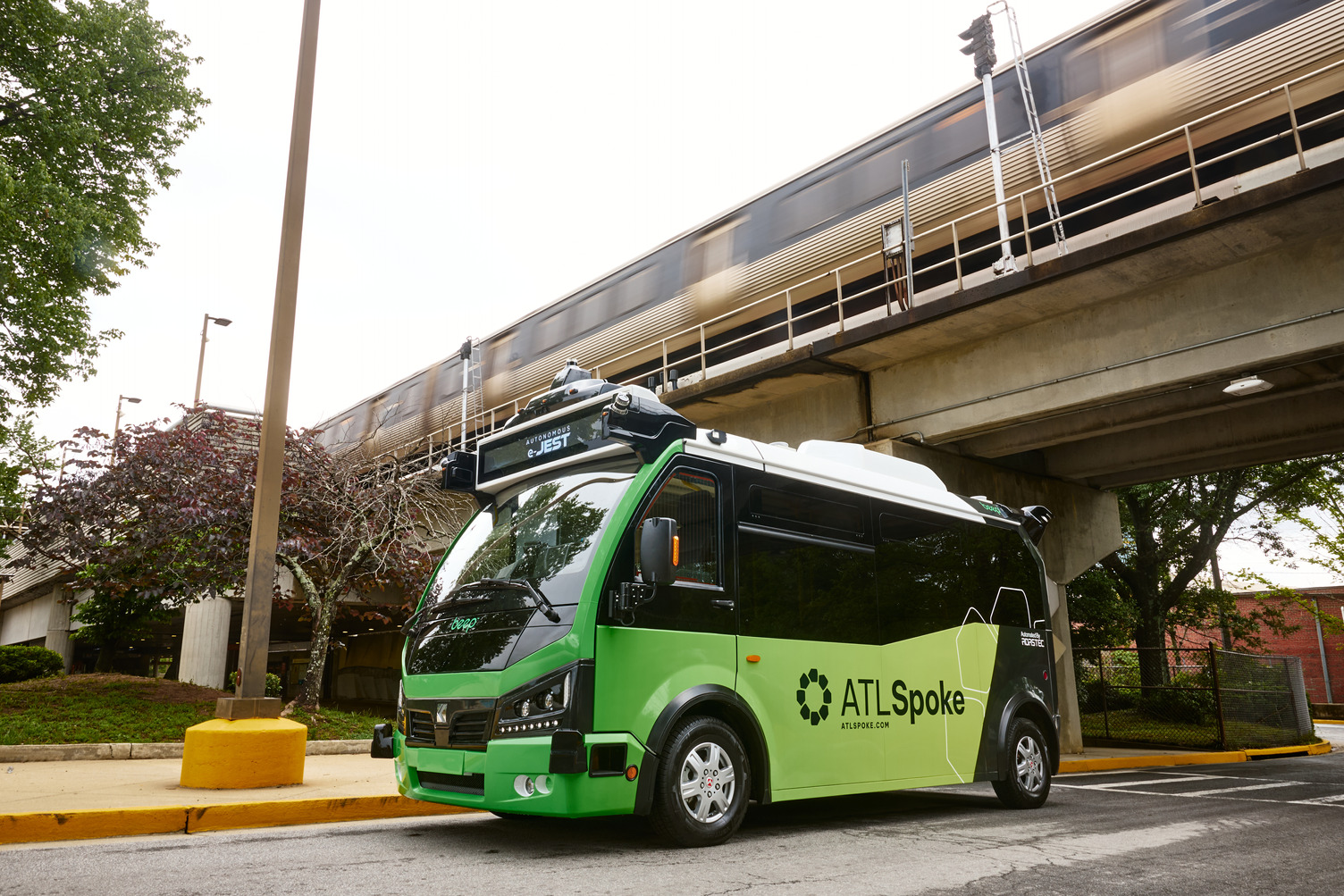
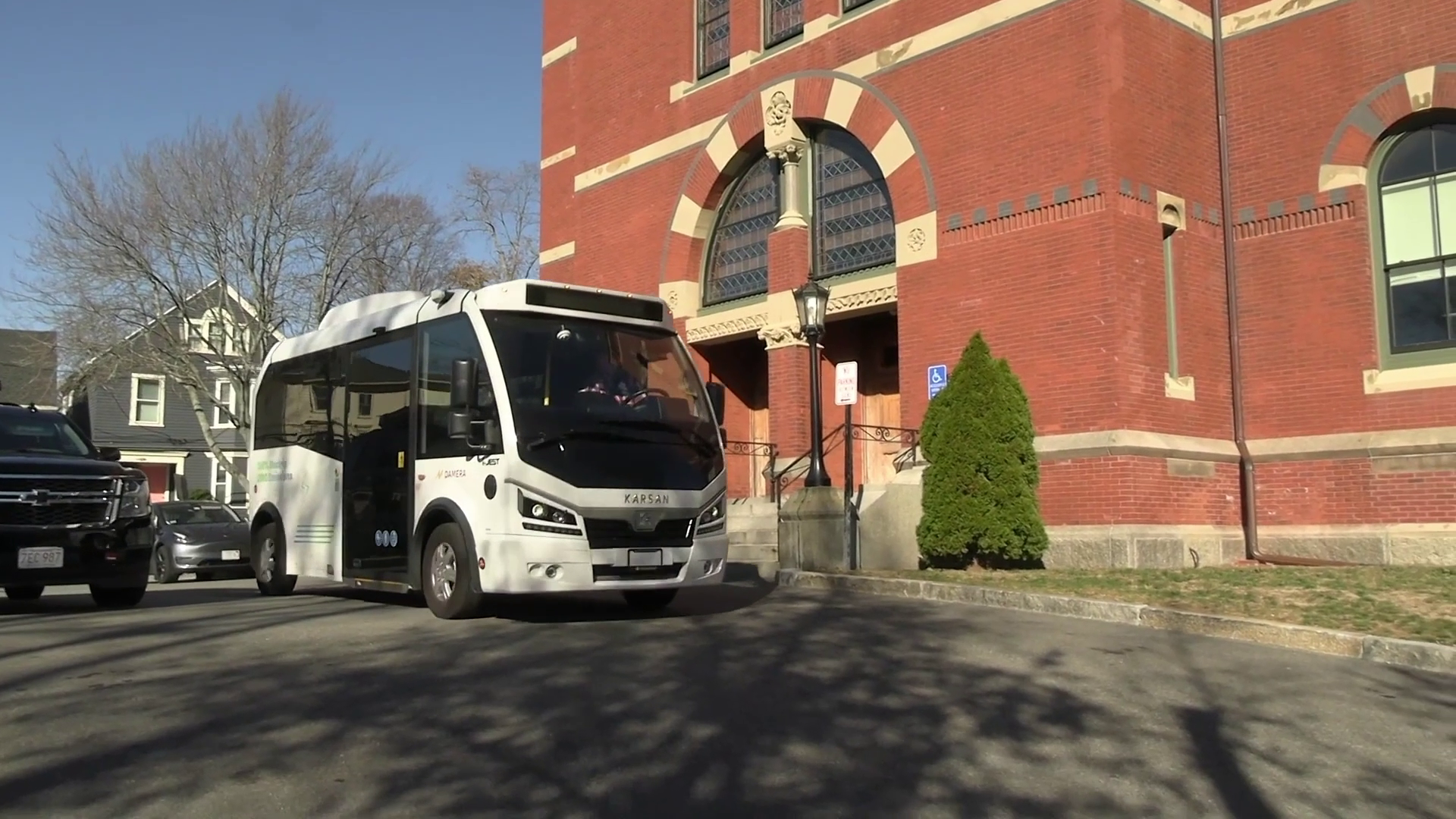
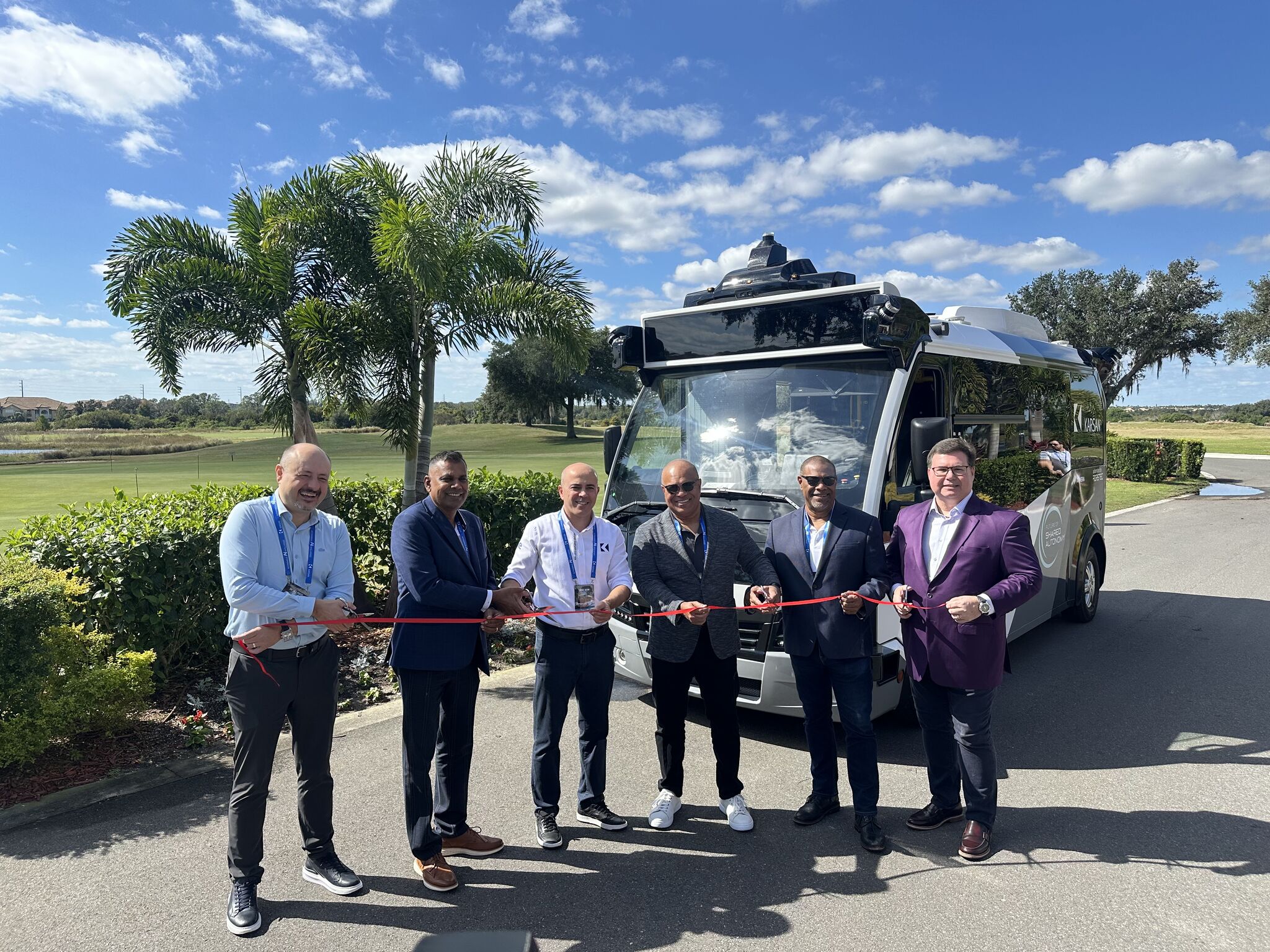
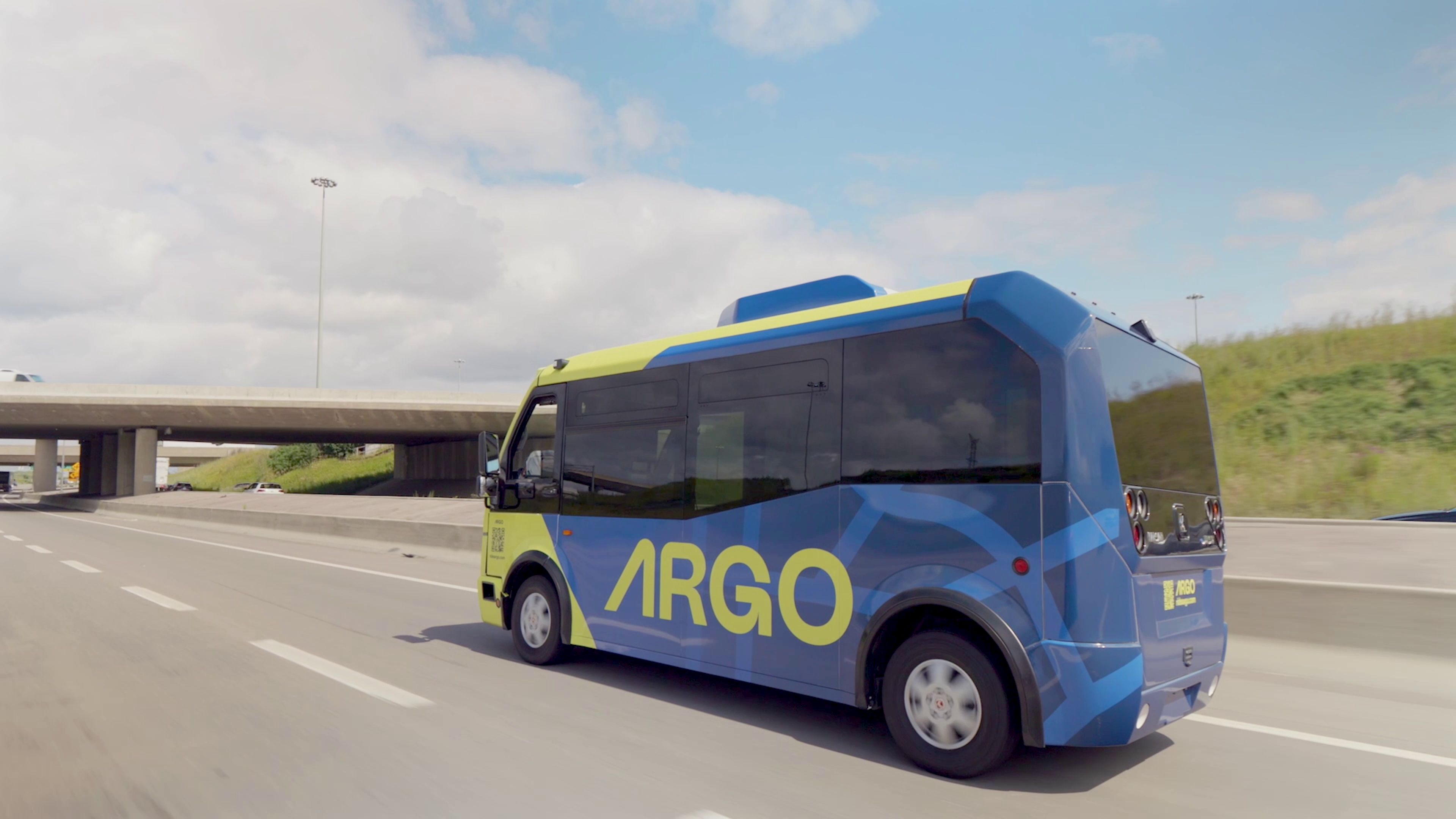
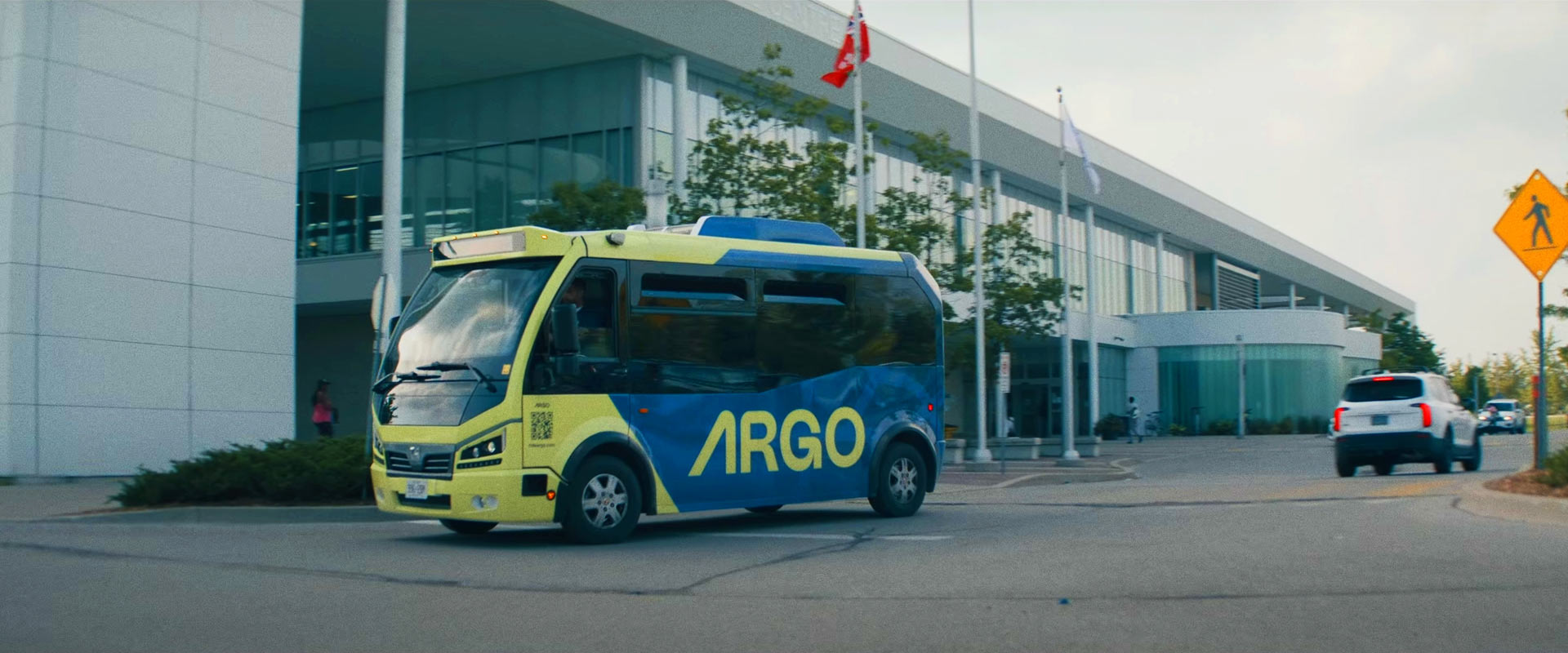
Autonomous transit addresses a long-standing challenge for agencies: delivering reliable short-route frequency and local connectivity where conventional service is constrained by staffing, cost, or operational efficiency. With the Karsan Autonomous eJEST now entering public service in North America, agencies have a real-world platform to evaluate how autonomy can strengthen these parts of the network in practice.
Where Autonomous Service Performs Best
Early autonomous deployments perform strongest in environments that are operationally bounded, repeatable, and clearly valuable to riders.
Typical use cases include:
- First- and last-mile links to rapid transit and trunk routes
- Downtown and district circulators with frequent stop activity
- Connections between activity centres such as campuses, hospitals, civic zones, and employment nodes
- Off-peak service where fixed schedules struggle to remain efficient
- Small and mid-sized cities seeking stronger local circulation without building a full fixed-route network at once
These environments are often the parts of the network where demand exists, but consistency is hardest to maintain using traditional operating models.
Why Many Programs Keep an Onboard Attendant
Most early deployments include a trained onboard attendant, especially during launch and scale-up phases. This isn’t a contradiction—it’s a practical approach to protect service stability while public readiness, policies, and operating procedures mature.
Common attendant responsibilities include:
- Passenger support and accessibility assistance
- Situational oversight and unexpected-event management
- Incident response and service continuity support
- Public confidence-building during early adoption
Over time, the role can evolve based on performance, local policy, and community comfort—but early success often depends on operational stability first.
Why the eJEST Platform Is a Strong Foundation for Autonomous Transit
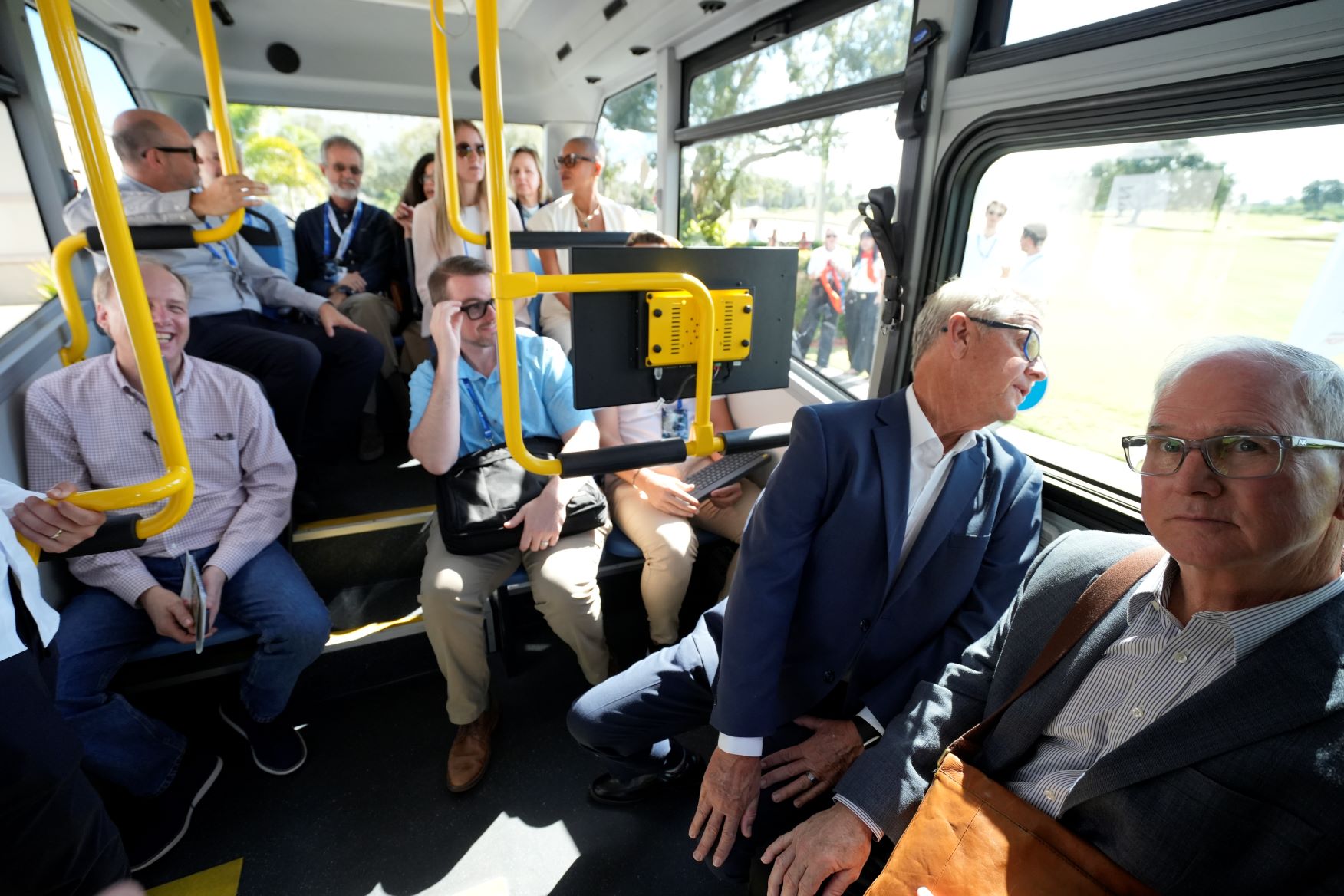
Autonomy doesn’t remove the fundamentals of transit operations—it raises expectations for them. A shuttle can only deliver stable service if the vehicle beneath the autonomy stack is built for real duty cycles:
- frequent stops and door cycles
- long daily operating hours
- tight turning environments
- winter road exposure and corrosion risk
- predictable maintenance and diagnostics
If the platform isn’t transit-grade, autonomy won’t “save” the service model.
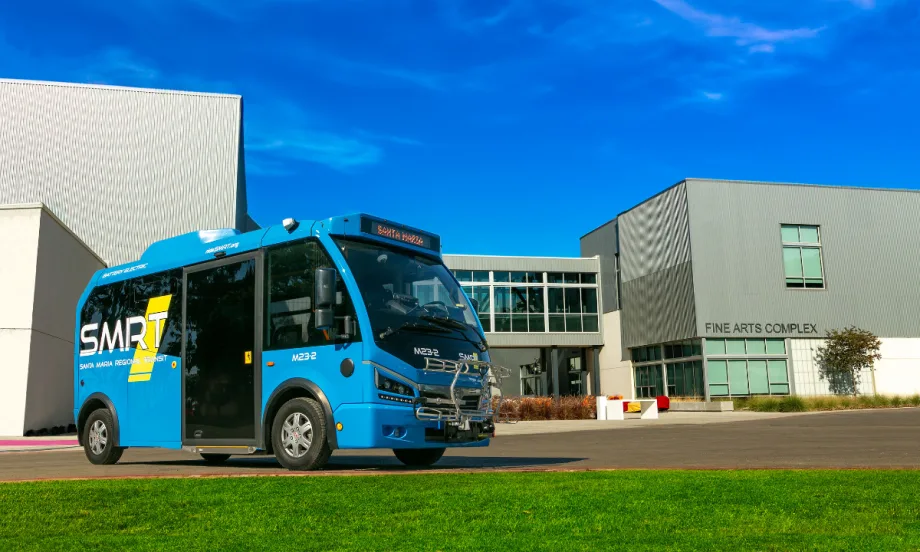
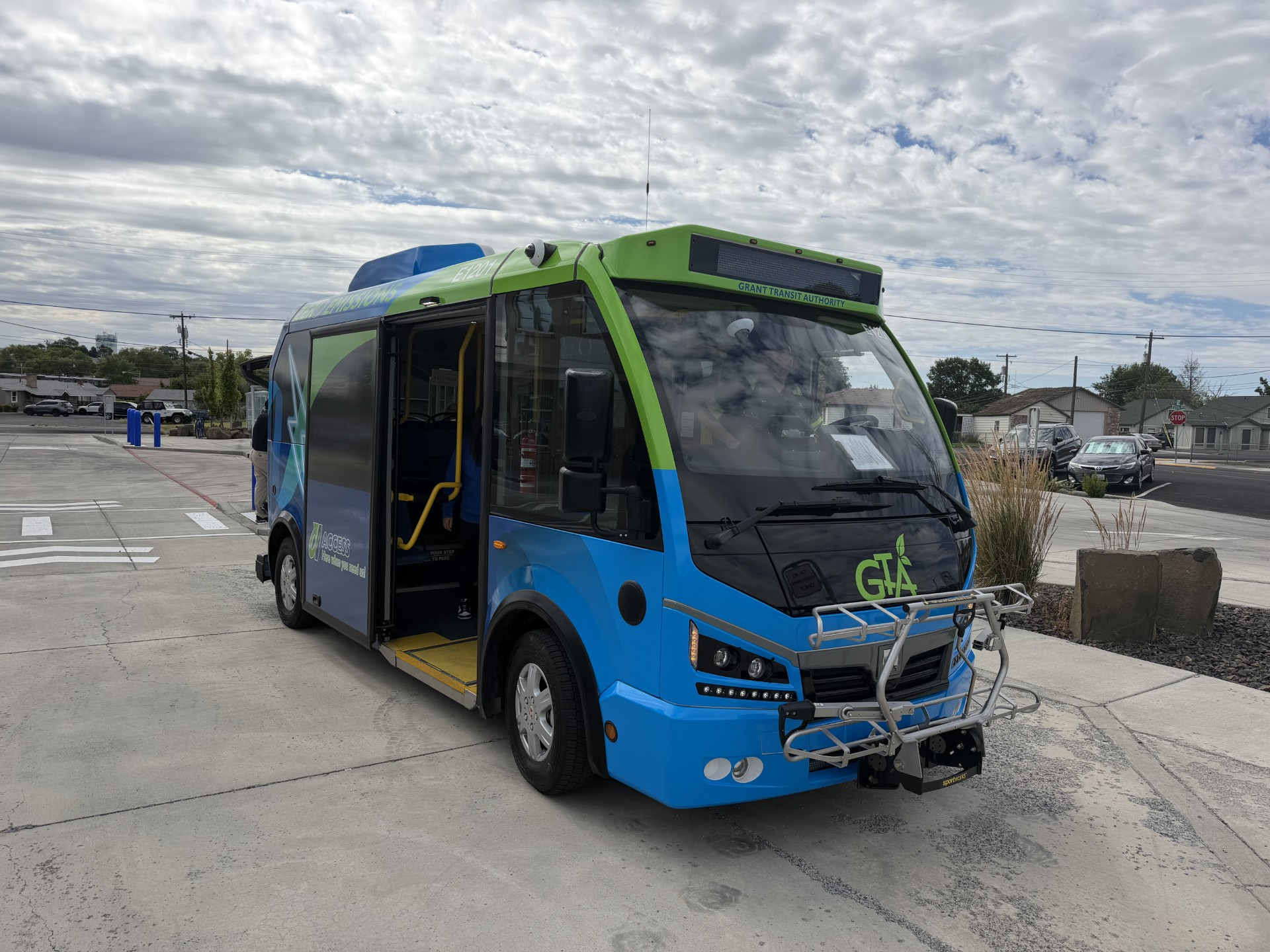
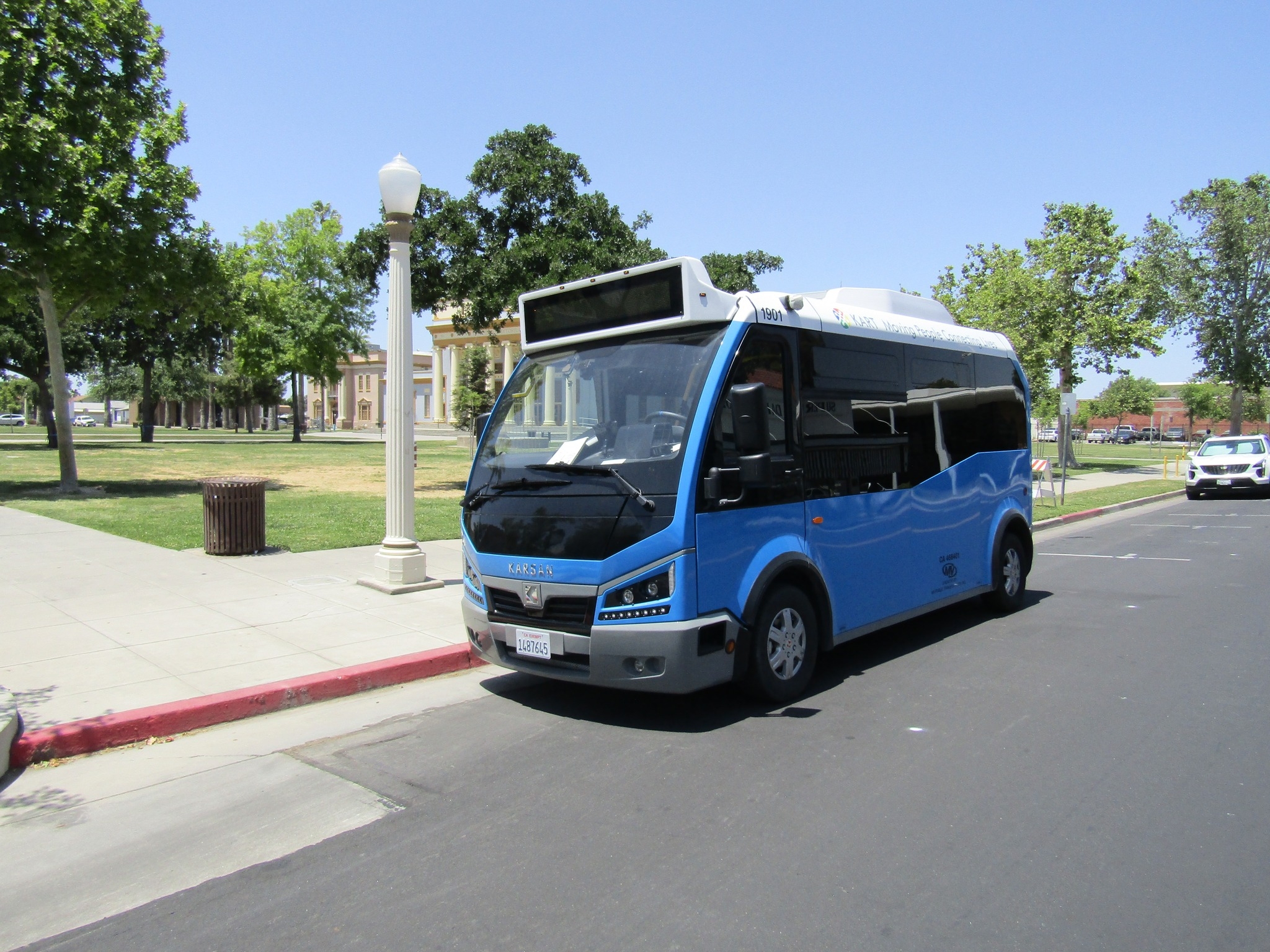
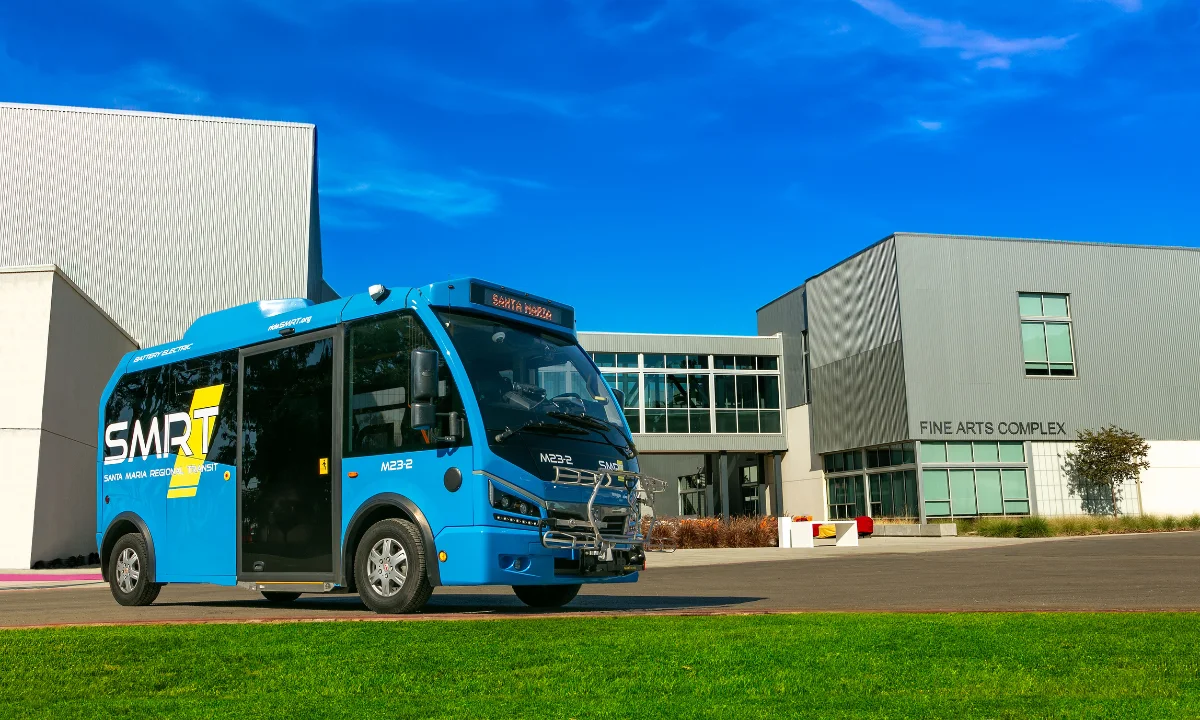
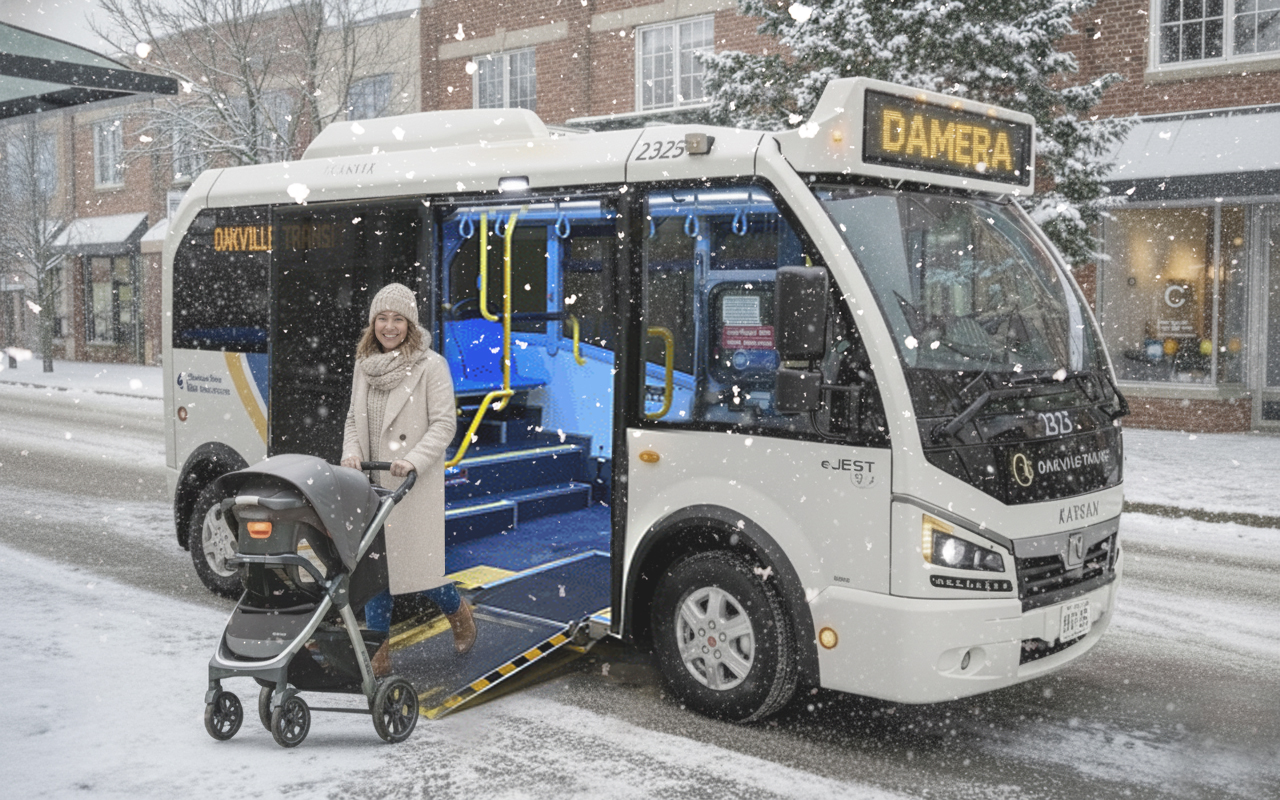
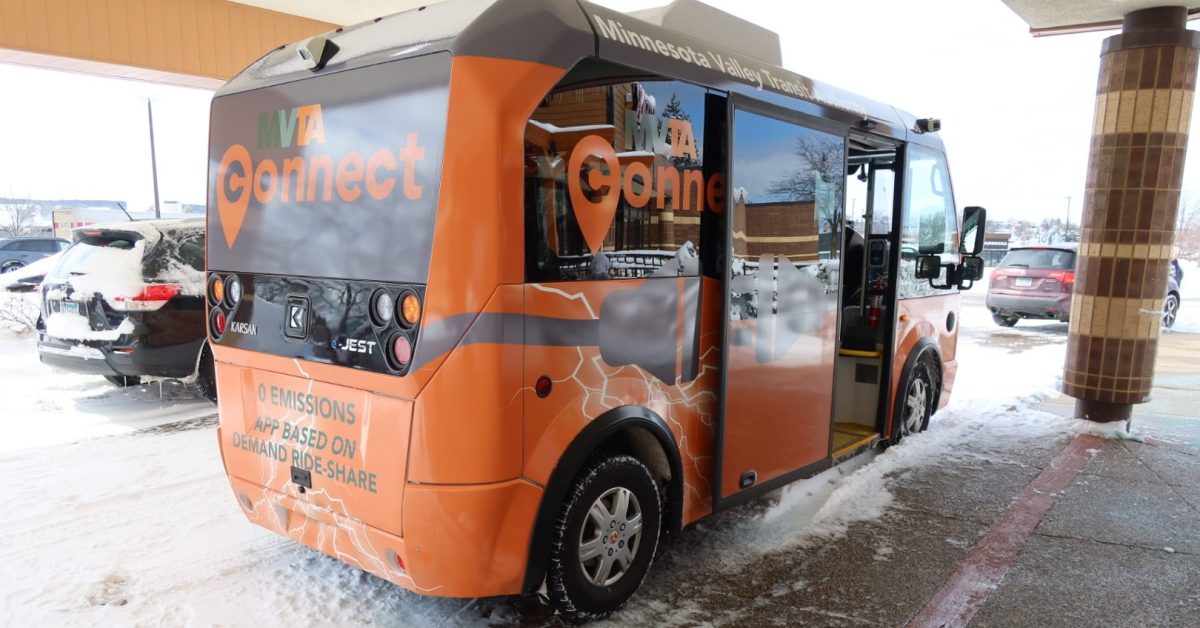
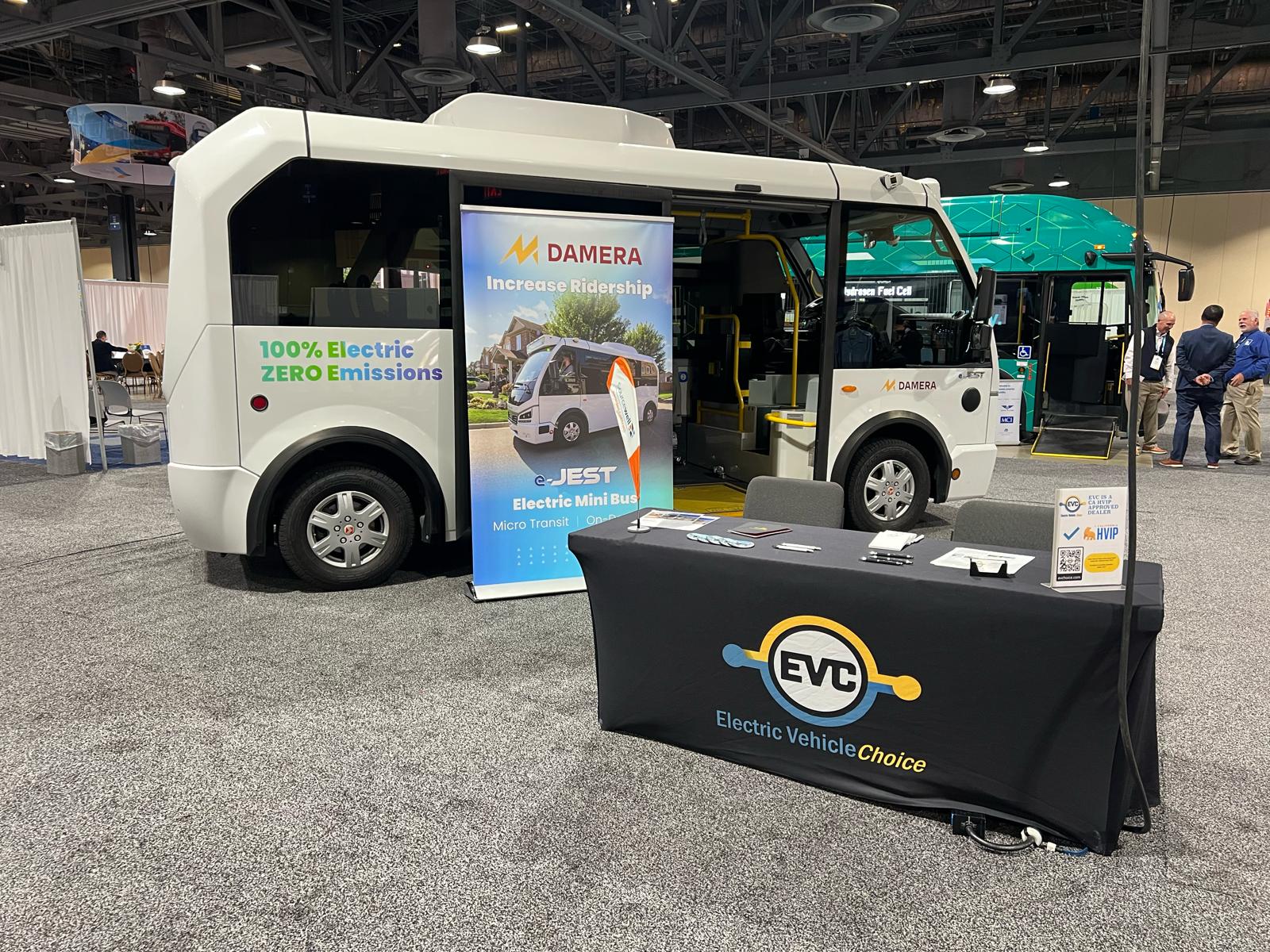
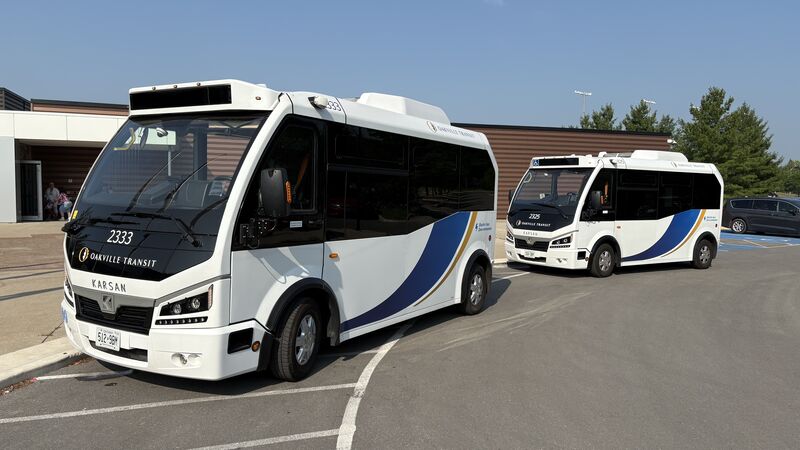
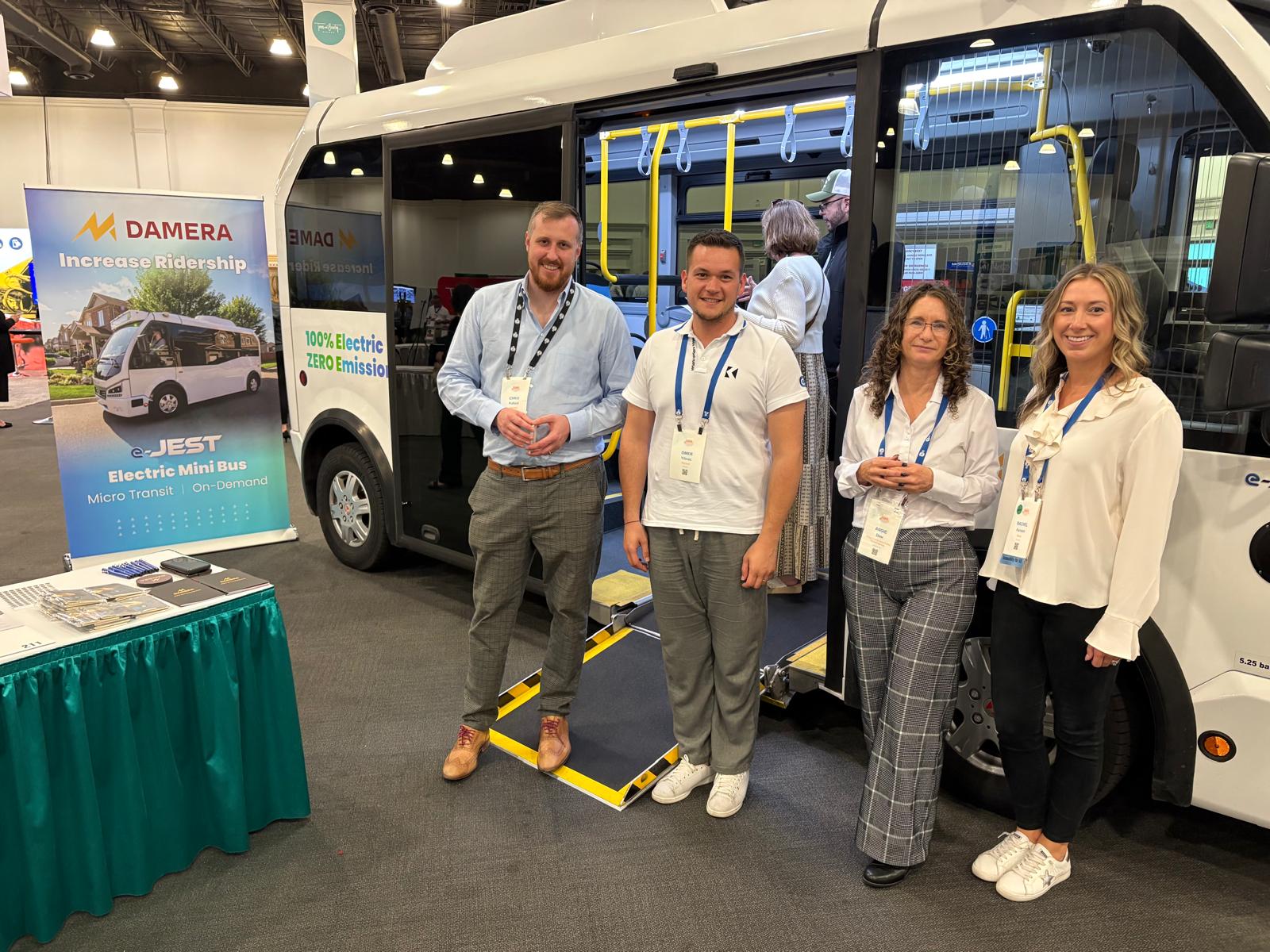
This is why purpose-built right-sized platforms matter. The Karsan eJEST, offered by Damera, has been refined as a compact transit vehicle designed for exactly these operating environments—creating a stronger foundation for adding autonomy on top.
➡️ Transit-grade vehicle architecture
The eJEST is built on a low-floor monocoque chassis, not a cutaway or converted commercial platform. This structure provides higher torsional rigidity, predictable handling characteristics, and long-term durability under stop-and-go service. For autonomous operation, structural consistency is critical: steering response, braking behavior, and suspension geometry must remain stable over time for sensors and control systems to perform reliably.
➡️ Corrosion protection for long service life
The vehicle incorporates cataphoretic (e-coat) corrosion treatment combined with underbody protection, addressing one of the most common causes of premature fleet degradation in cold and wet climates. This is not a cosmetic feature—it directly supports a 12+ year lifecycle, reduces structural deterioration, and preserves sensor alignment and mounting integrity over time, which is essential for autonomous systems operating in winter road conditions.
➡️ Independent suspension designed for constant stop-and-go duty
A four-wheel independent suspension improves ride stability, tire contact, and braking predictability. For autonomy, consistent wheel behavior during acceleration, braking, and cornering reduces variability that can challenge control algorithms—especially in low-speed, high-frequency stop environments such as campuses, downtowns, and activity zones.
➡️ Integrated safety systems that protect uptime
The eJEST includes a comprehensive safety suite—ESP, ABS, EBD, VDC, TCS, and TPMS—that actively prevents loss-of-control events, wheel slip, and tire-related failures. From an operational standpoint, these systems reduce incidents that remove vehicles from service, lower road-call risk, and help maintain stable daily availability—critical for both autonomous and conventional service continuity.
➡️ Simplified electric driveline with reduced wear points
The electric architecture eliminates many failure-prone mechanical components found in internal combustion vehicles. Combined with regenerative braking, this significantly reduces brake wear in frequent-stop service and lowers maintenance intervention rates. For autonomous operation—where consistency matters more than peak performance—this contributes directly to higher uptime and predictable maintenance cycles.
➡️ Telematics and diagnostic visibility
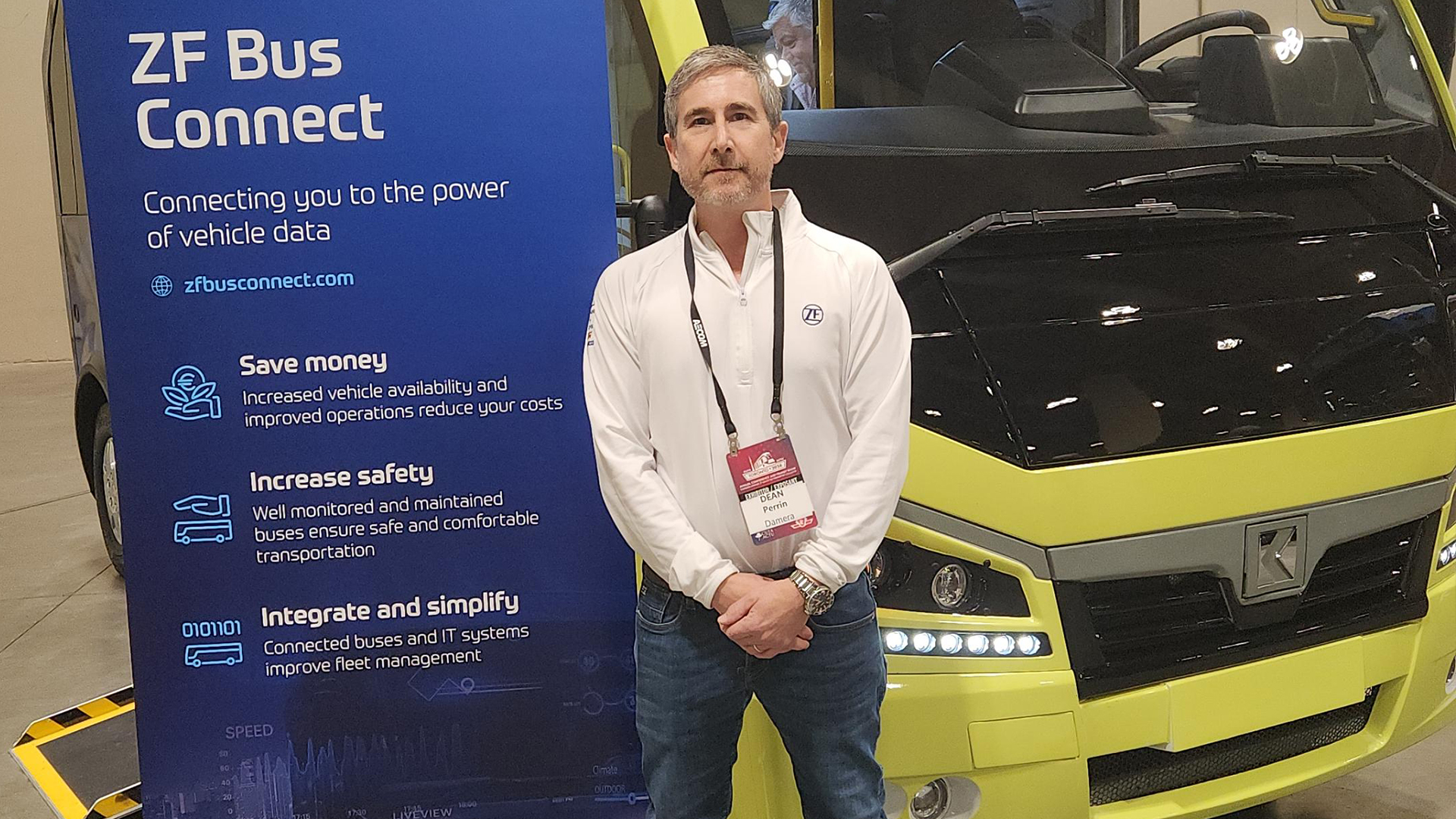
Onboard systems such as ZF Bus Connect provide real-time insight into vehicle health, energy use, fault codes, and operating behavior. This enables predictive maintenance, early issue detection, and faster service response—reducing unplanned downtime. For autonomous deployments, this visibility is essential: agencies must understand not only how the vehicle is driving, but how it is performing over time.
➡️ Designed for repeated passenger interaction
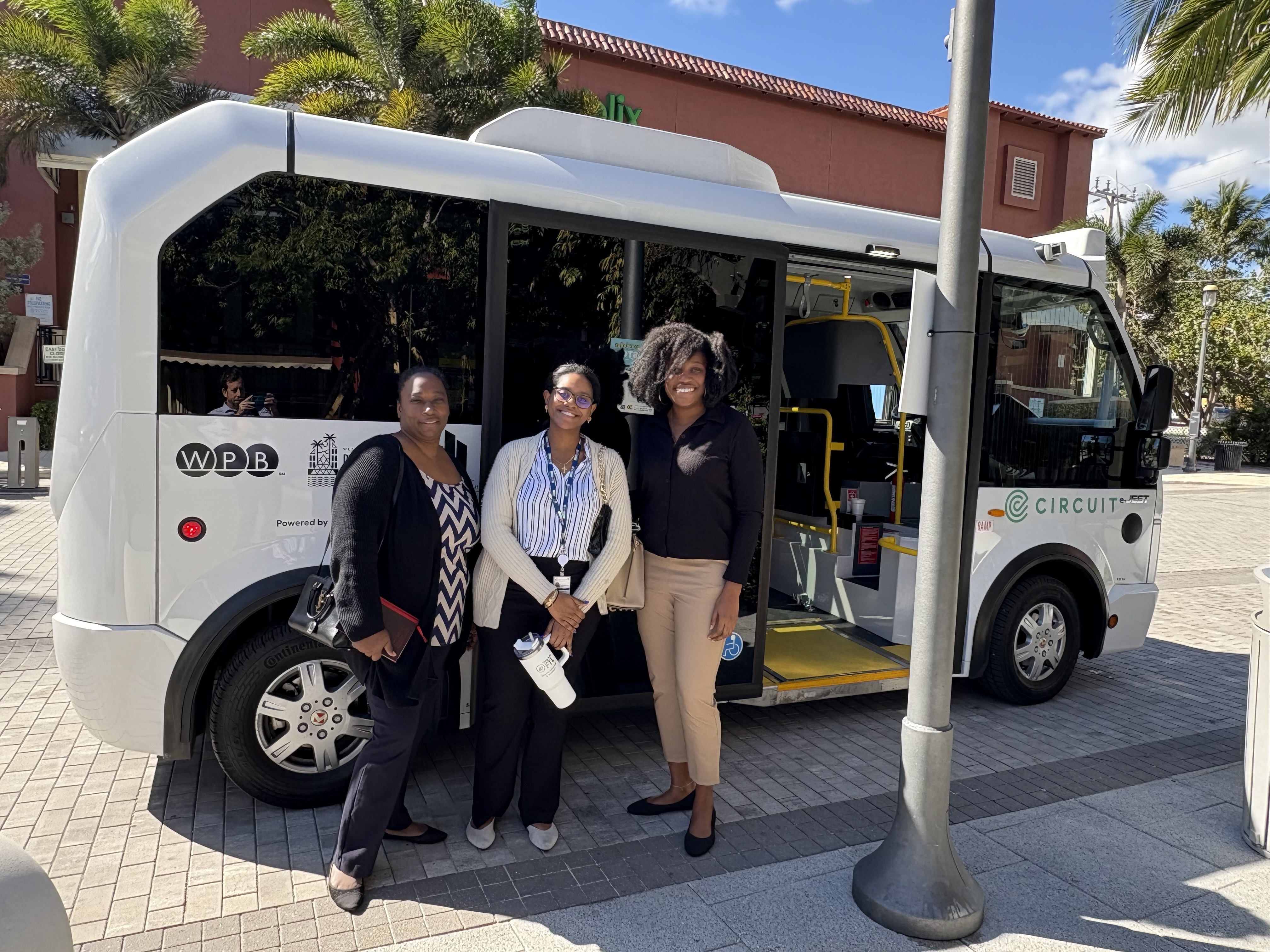
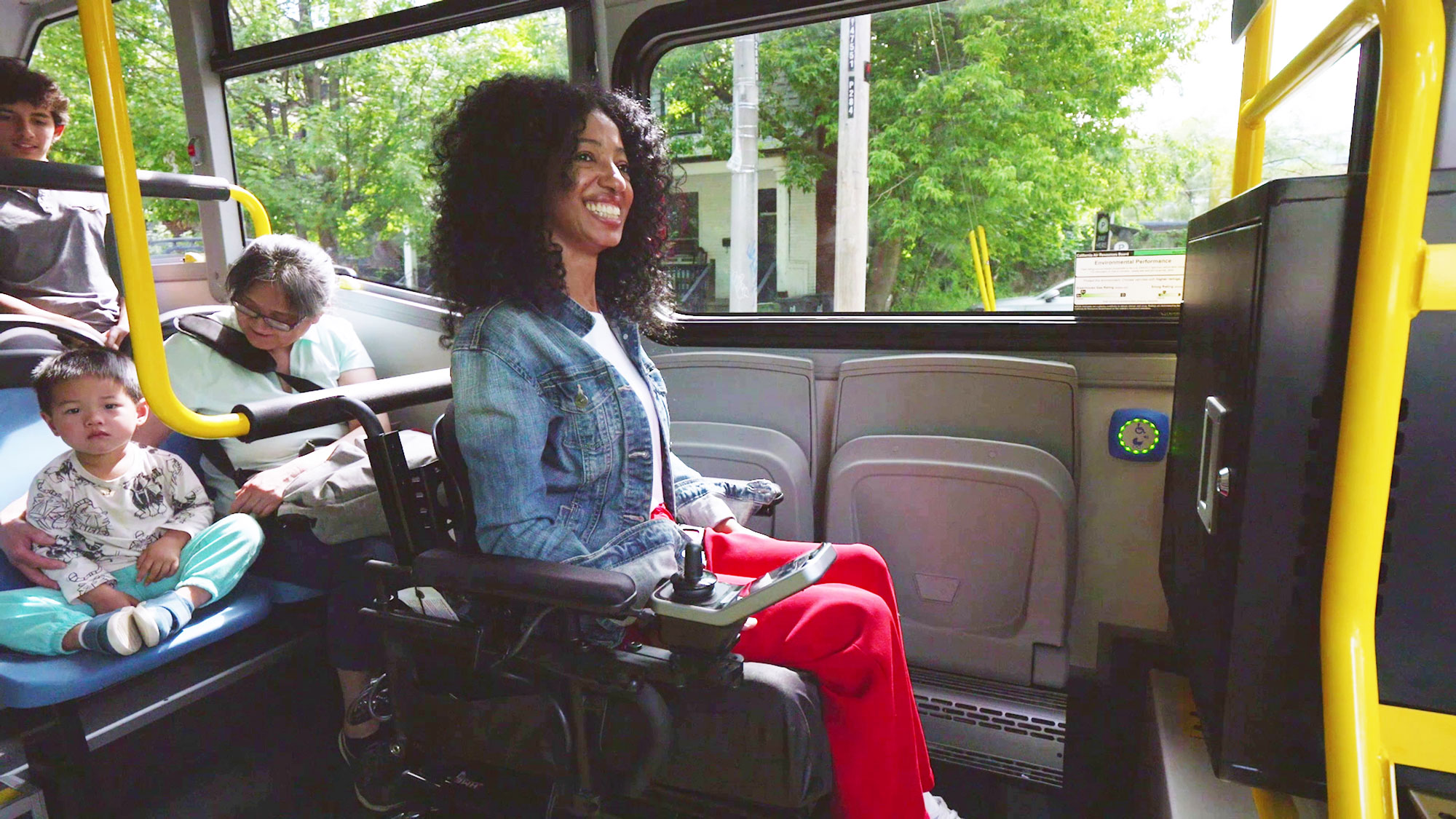
Low-floor access, an integrated ramp, and durable door systems are engineered for constant boarding activity. Faster, more reliable boarding reduces dwell-time variability—important for schedule adherence and for autonomous service operating in shared or mixed environments.
Damera’s lens is straightforward: specs only matter if they translate into uptime. Our technical teams focus on the practical details that protect daily availability—because consistency is what preserves frequency, protects on-time performance, and prevents change-offs that disrupt riders.
Why Autonomous Transit Is Strategic for the Industry
Autonomous programs are accelerating shifts transit leaders are already managing:
1) From vehicles to outcomes
Procurement is increasingly tied to reliability, safety, coverage, rider experience, and integration—not fleet size alone.
2) Toward right-sized, repeatable deployment models
Many of the best autonomy use cases overlap with where right-sized service performs best: circulators, feeders, and local connectors.
3) Greater emphasis on readiness and lifecycle execution
Autonomy raises the bar on uptime, winter performance, maintenance planning, and public trust—making operational support and service planning more central to success.
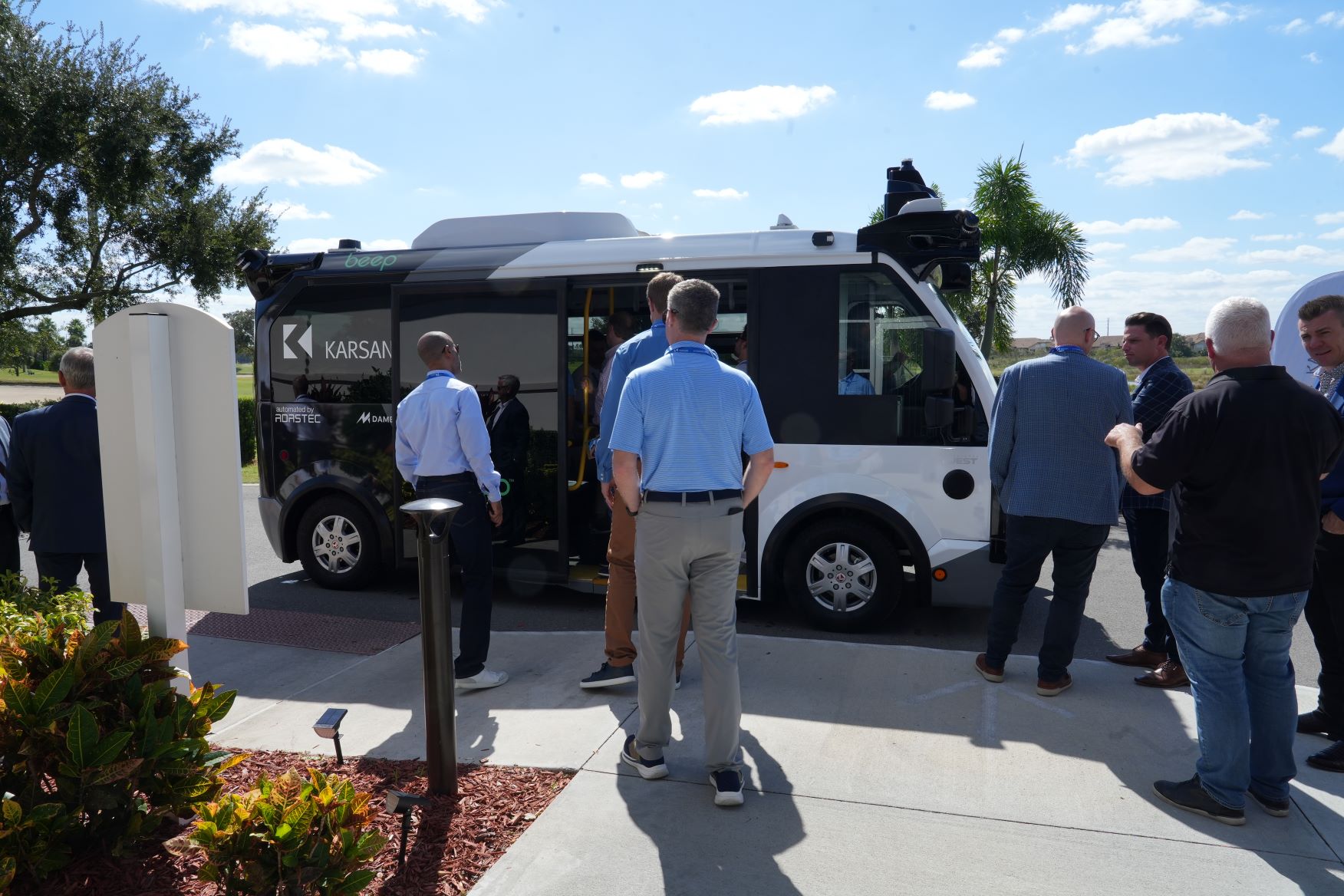
Cities Use Mobility to Signal Identity
Forward-looking invest in mobility to reinforce their identity as places that are modern, investable, and prepared for growth. Responsible autonomous service can signal long-term planning: piloting new operating models while protecting core reliability.
Autonomous mobility is not a future concept—it is being built now. Progress depends on thoughtful deployment, defined performance targets, and vehicle platforms capable of sustaining consistent service under everyday transit conditions.
Agencies evaluating autonomous circulators, campus shuttles, or first/last-mile connectors should begin by defining success—uptime, reliability, safety, and rider experience—and connect with Damera to assess a deployment model aligned with their community’s operating realities.












.jpeg)









.jpeg)


.jpg)





.svg)