


.svg.avif)




-p-500-p-500.avif)







Chargers

All Chargers
Explore all charging options on one page
Services
TUV Level 3
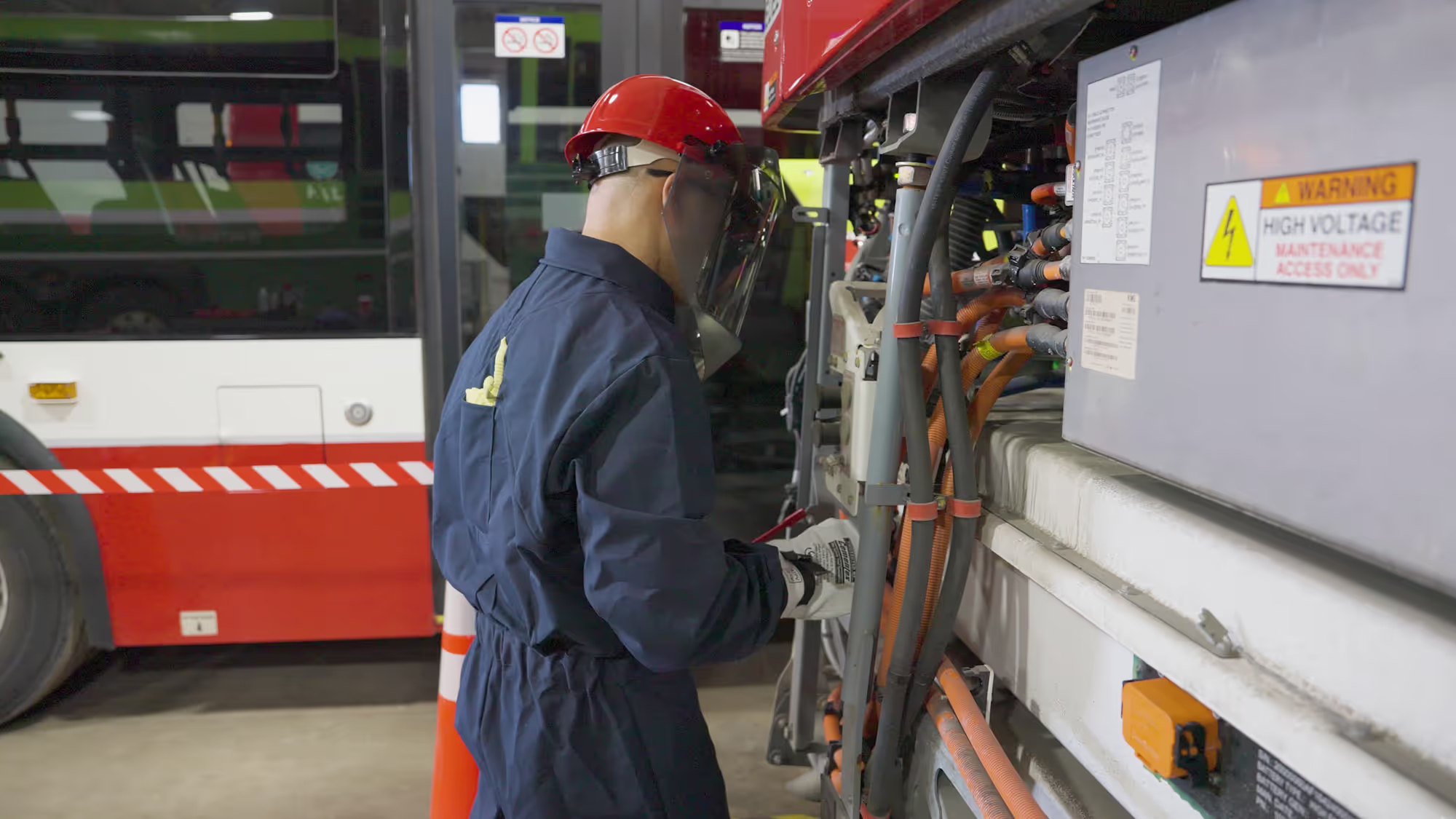
High Voltage Training

Work safely and effectively with high-voltage systems

Charger Installation
Contributes to the seamless integration of electric vehicles

Electrical Engineering
Get your skills in electrical engineering tailored to the transit industry
Bus Service (MBCT)
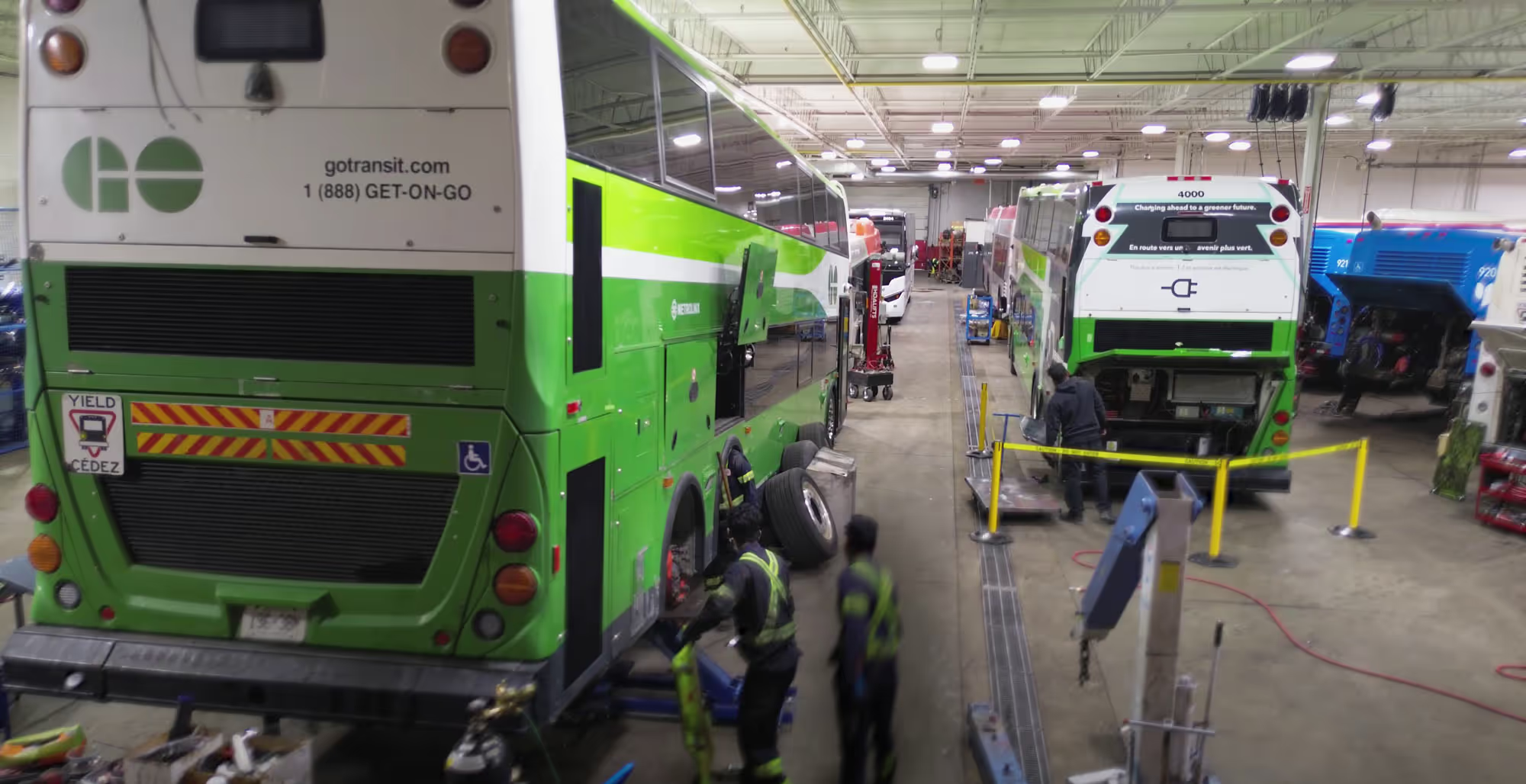
Comprehensive bus service ensuring reliable maintenance, repairs, and safety compliance.
MICROTRANSIT

Paratransit Buses
Learn more about our paratransit vehicles and how we’re improving mobility for people with disabilities and underserved riders.

Micromobility Buses
Discover how our buses support both paratransit needs and provide efficient service in low-ridership areas.

Minibuses for Campuses
Learn how modern electric minibuses create smoother, safer, and more convenient transportation for students and staff.

.svg)
There is no previous post
Previous Post
Next Post
There is no next post
What to Look for When Searching for Electric Minibuses for Sale
No items found.
A Technical & Driver’s Perspective on Choosing the Right Electric Minibus
As transit agencies, municipalities, and businesses transition to sustainable transportation, electric minibuses have become an essential solution for microtransit, on-demand services, airport shuttles, and paratransit fleets. Selecting the right electric minibus requires careful evaluation of both technical specifications and driver experience to ensure efficiency, reliability, and ease of operation.

1. Powertrain & Performance
Battery & Range
- A high-efficiency battery system should provide enough range to cover daily operations without frequent recharging.
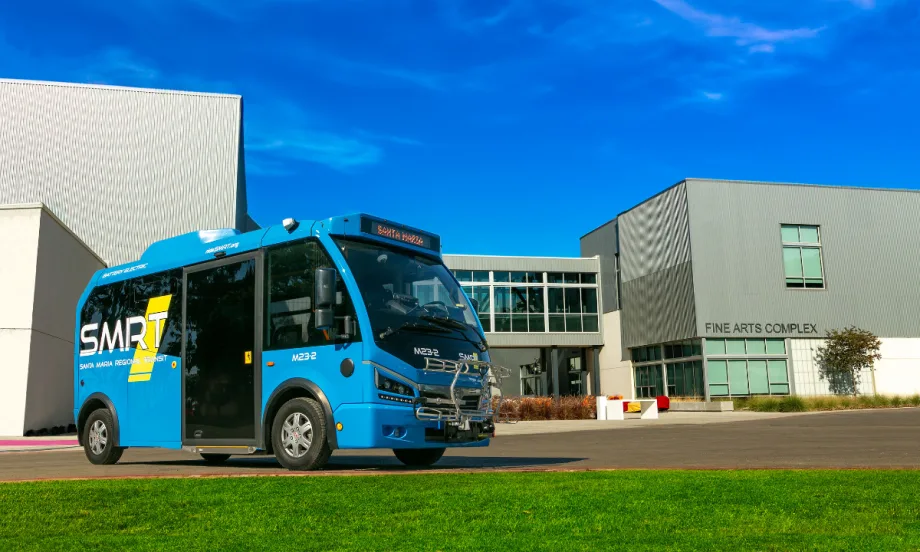
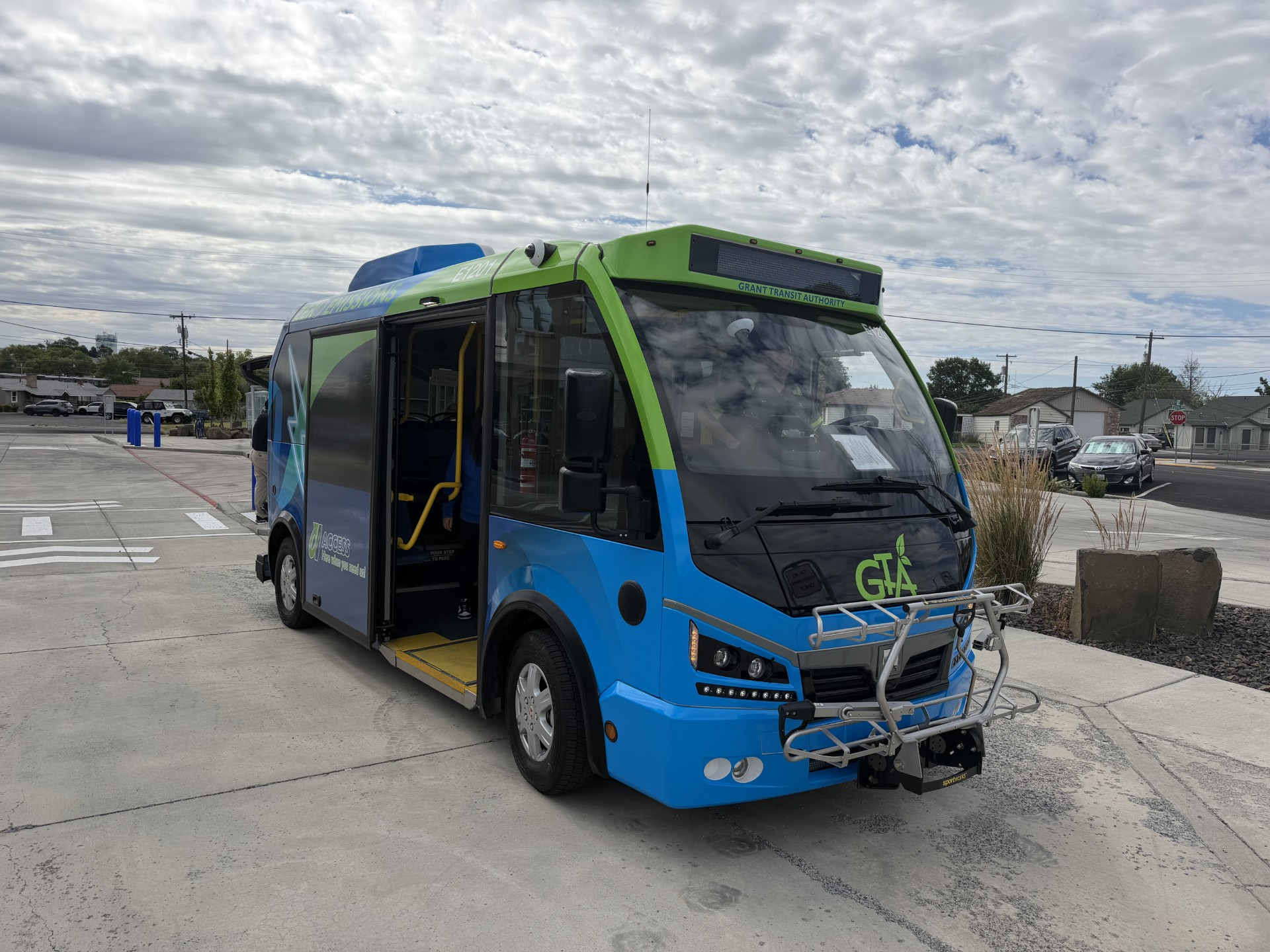
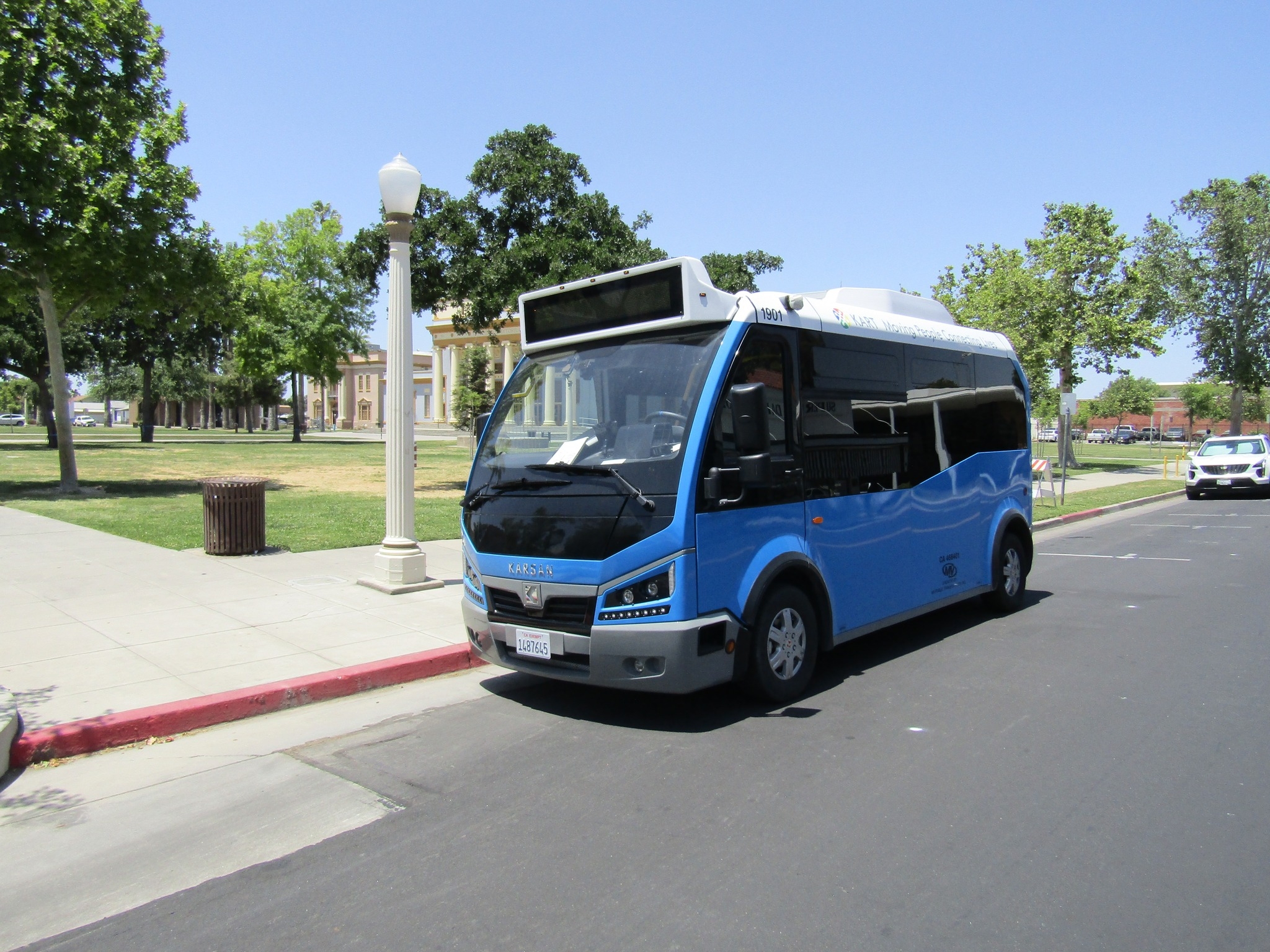
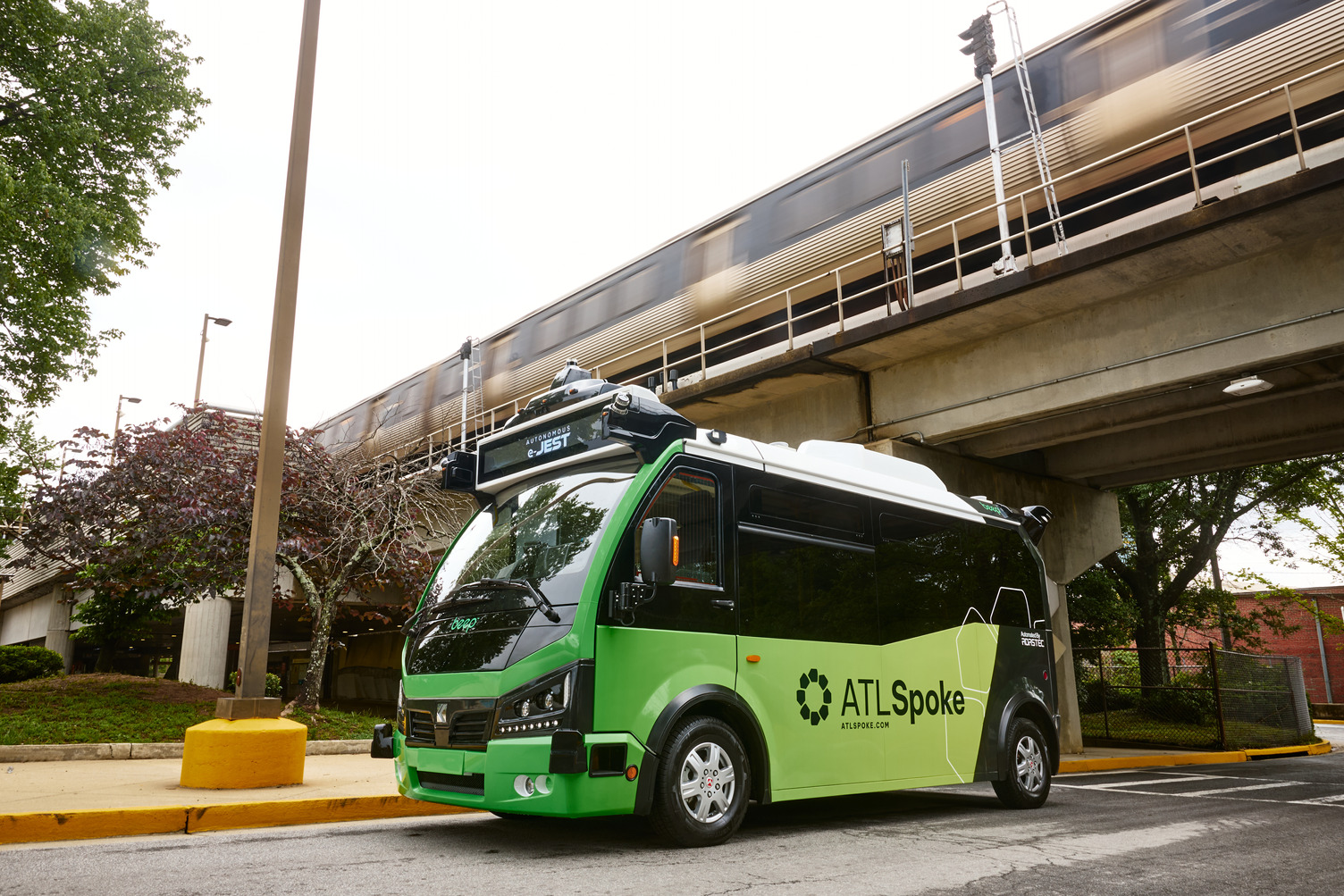
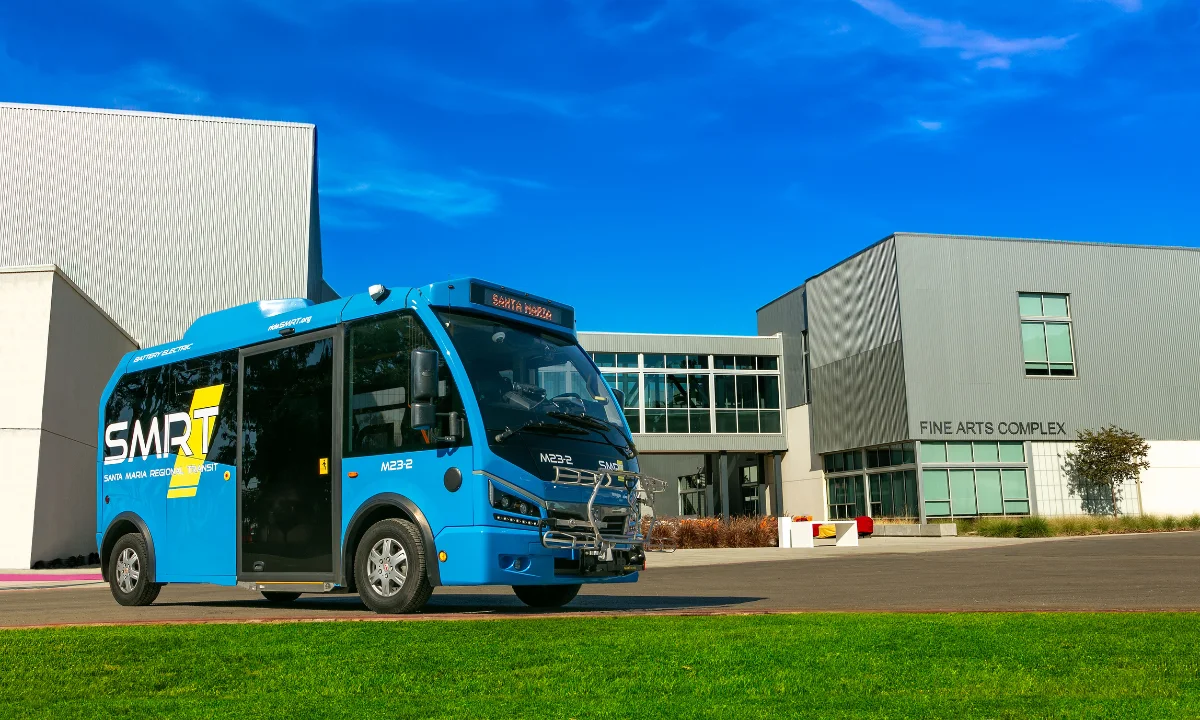
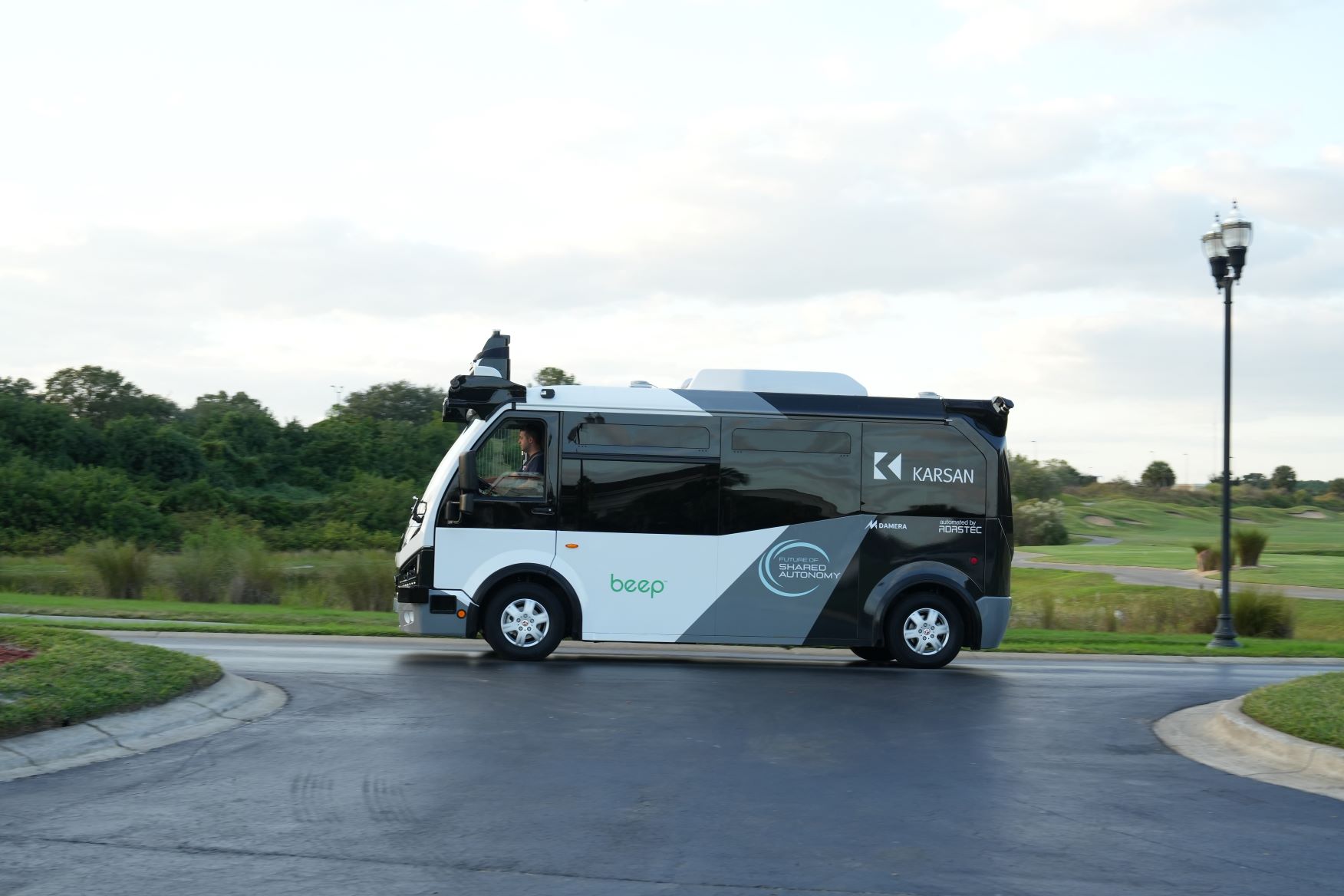
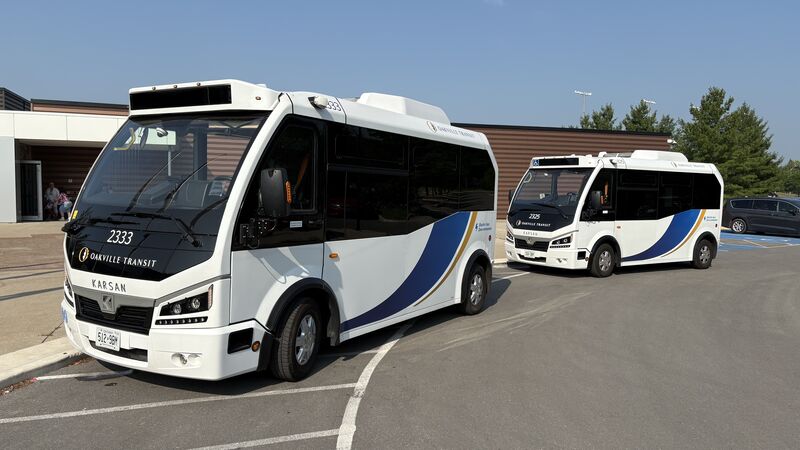
- Karsan eJEST, for example, operates 6-8 hours on a single overnight charge and supports fast charging, allowing a full recharge in under two hours.
- Consider real-world conditions such as climate, passenger load, and stop-and-go traffic.
Charging Compatibility
- Supports standard DC fast chargers (e.g., ABB, ChargePoint) and depot-based overnight charging.
- Can accommodate inductive charging and flexible top-ups during shifts to minimize downtime.
Acceleration & Regenerative Braking
- Smooth acceleration and regenerative braking enhance energy efficiency.
- Vehicles with one-pedal driving functionality, like the eJEST, improve handling in stop-and-go conditions.
2. Driving Experience & Maneuverability
Size & Navigation
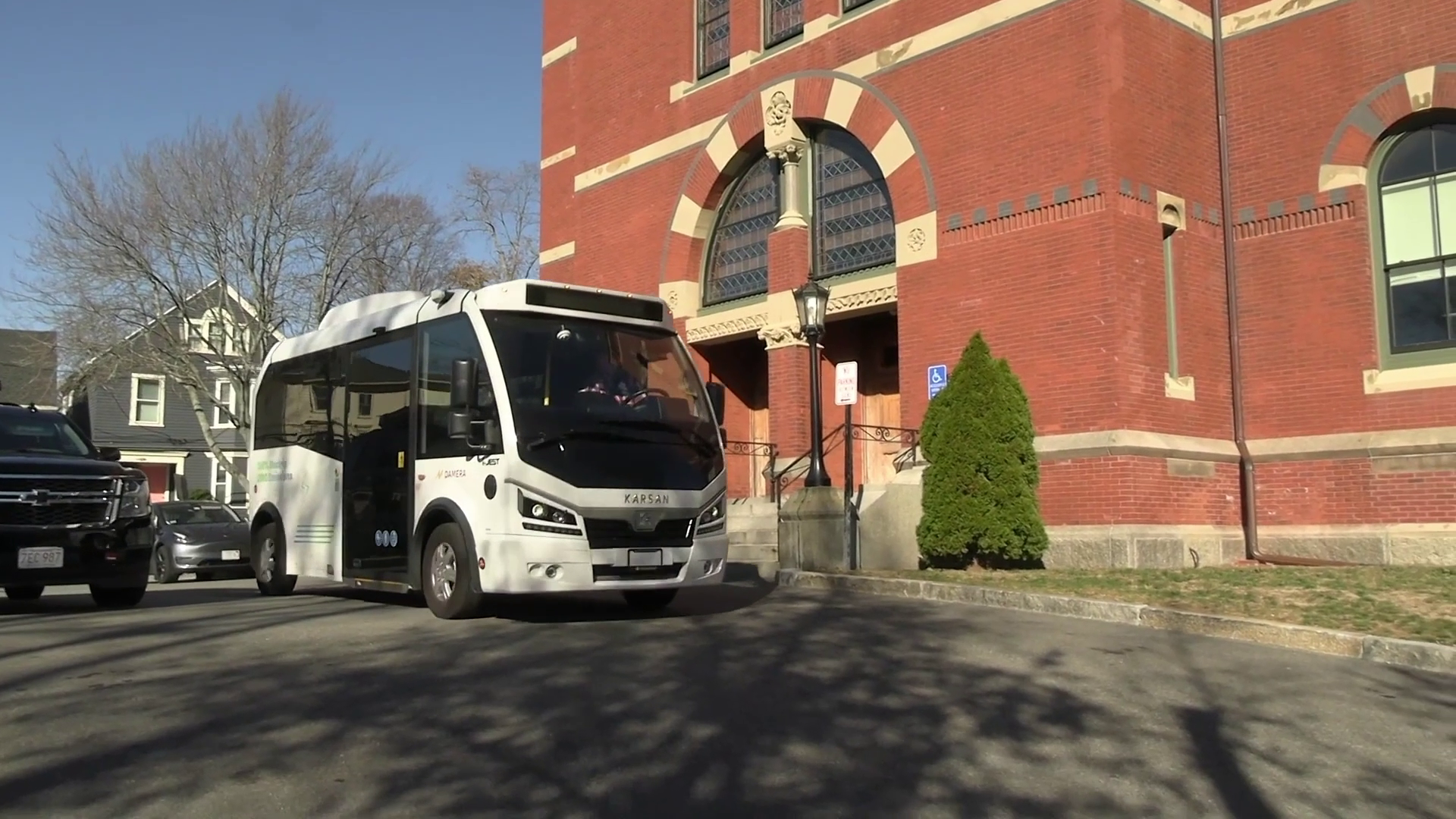
- Compact, yet spacious, ideal for urban and suburban transit routes.
- Tight turning radius ensures easy maneuverability through narrow streets, parking areas, and congested roads.
- Karsan eJEST features a 6.5-meter turning radius, allowing effortless navigation in dense environments.
Suspension & Ride Comfort
- Independent four-wheel suspension ensures a smooth ride, even on uneven roads.
- Low-floor design minimizes strain on drivers and enhances boarding efficiency.
- Electric drivetrain offers a quiet, vibration-free ride, reducing driver fatigue.
Driver Ergonomics & Controls
- Digital dashboard with an intuitive layout reduces cognitive load.
- Adjustable seating and steering provide comfort during extended shifts.
- 360-degree visibility, large mirrors, and rear-view cameras improve safety and ease of operation.
3. Passenger Accessibility & Safety
A well-designed electric minibus must prioritize accessibility, safety, and passenger comfort to enhance the overall transit experience.
Accessibility Features
- Low-Floor Design – Enables step-free boarding, reducing dwell time and improving efficiency.
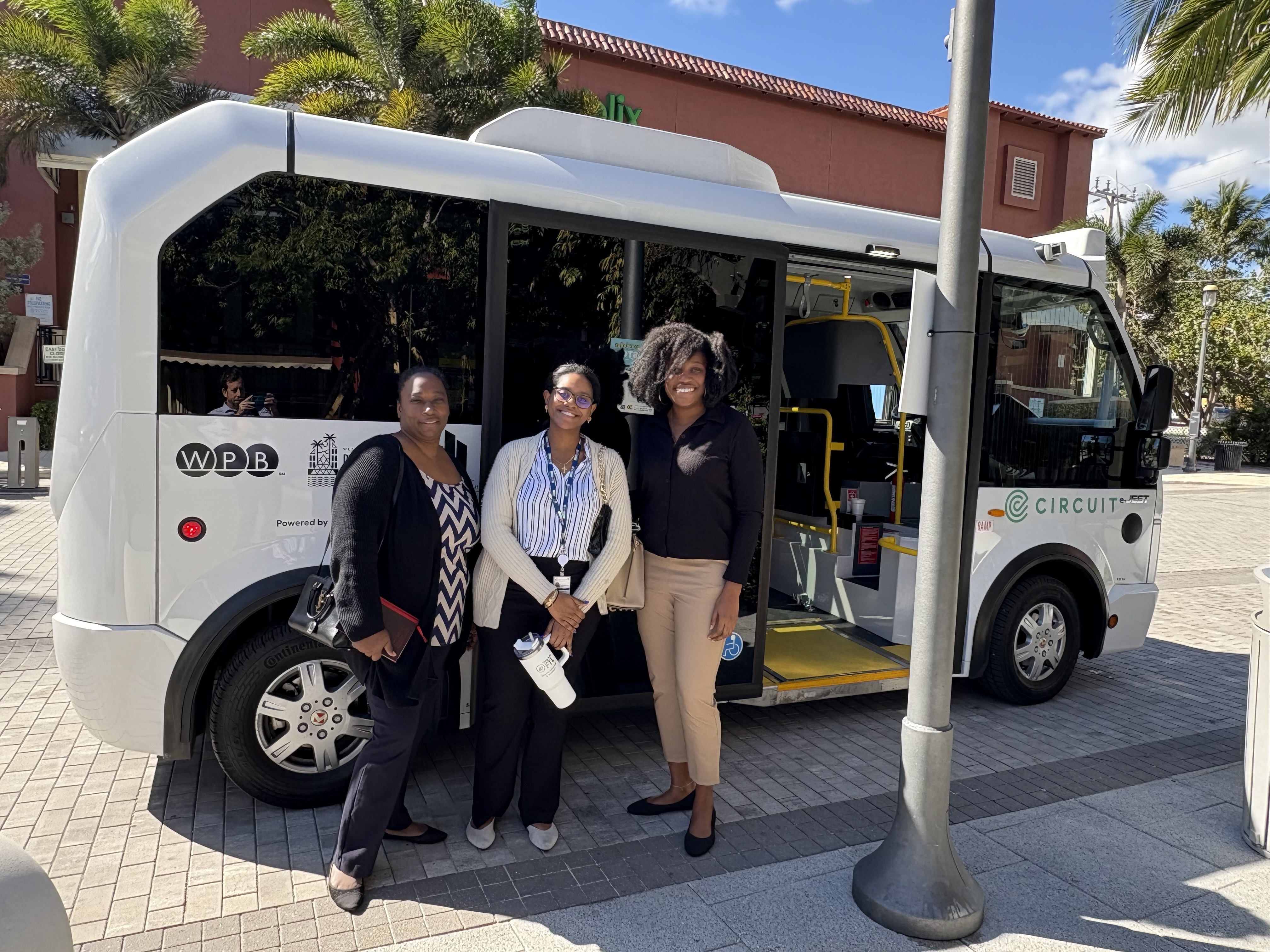
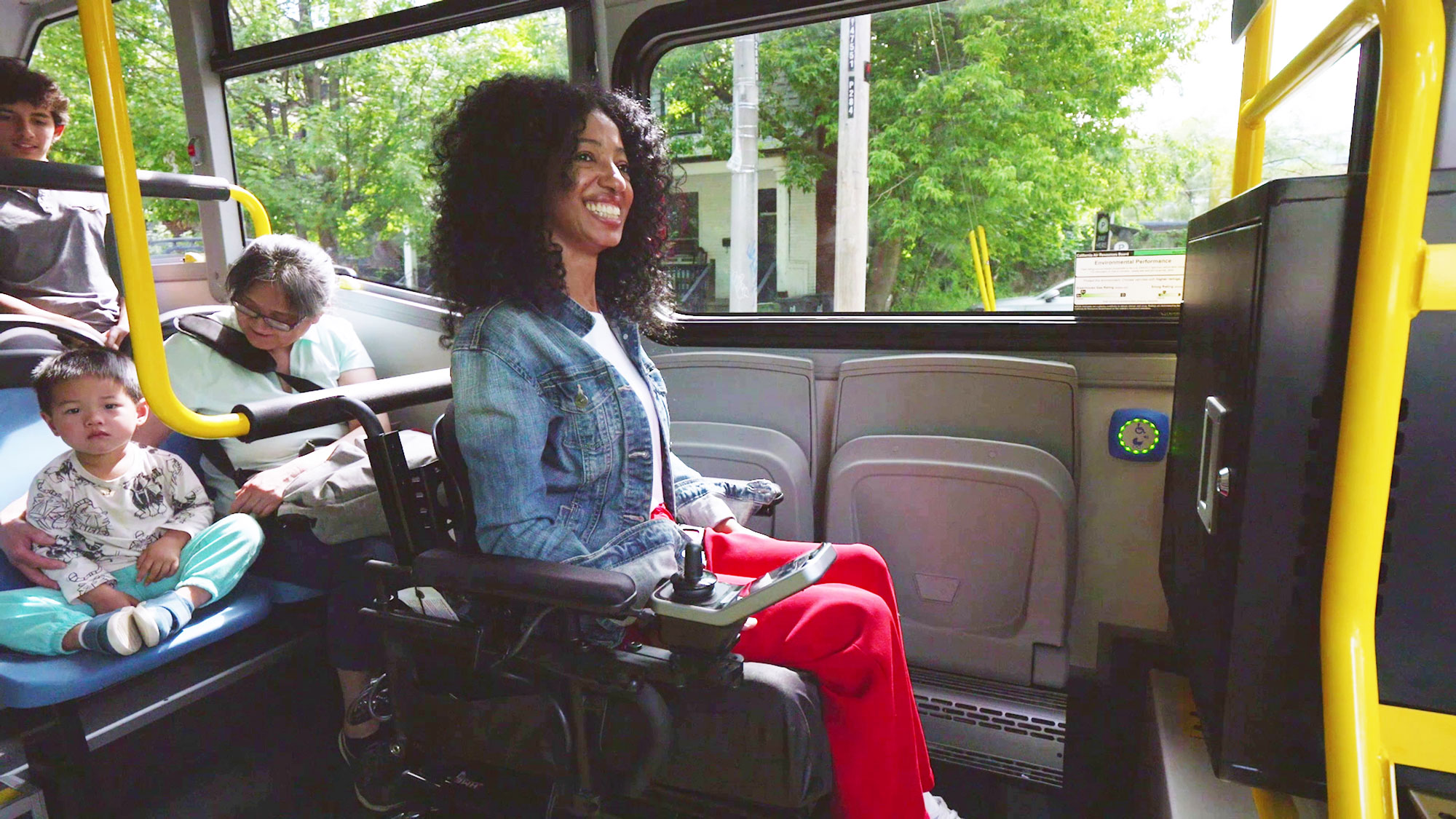
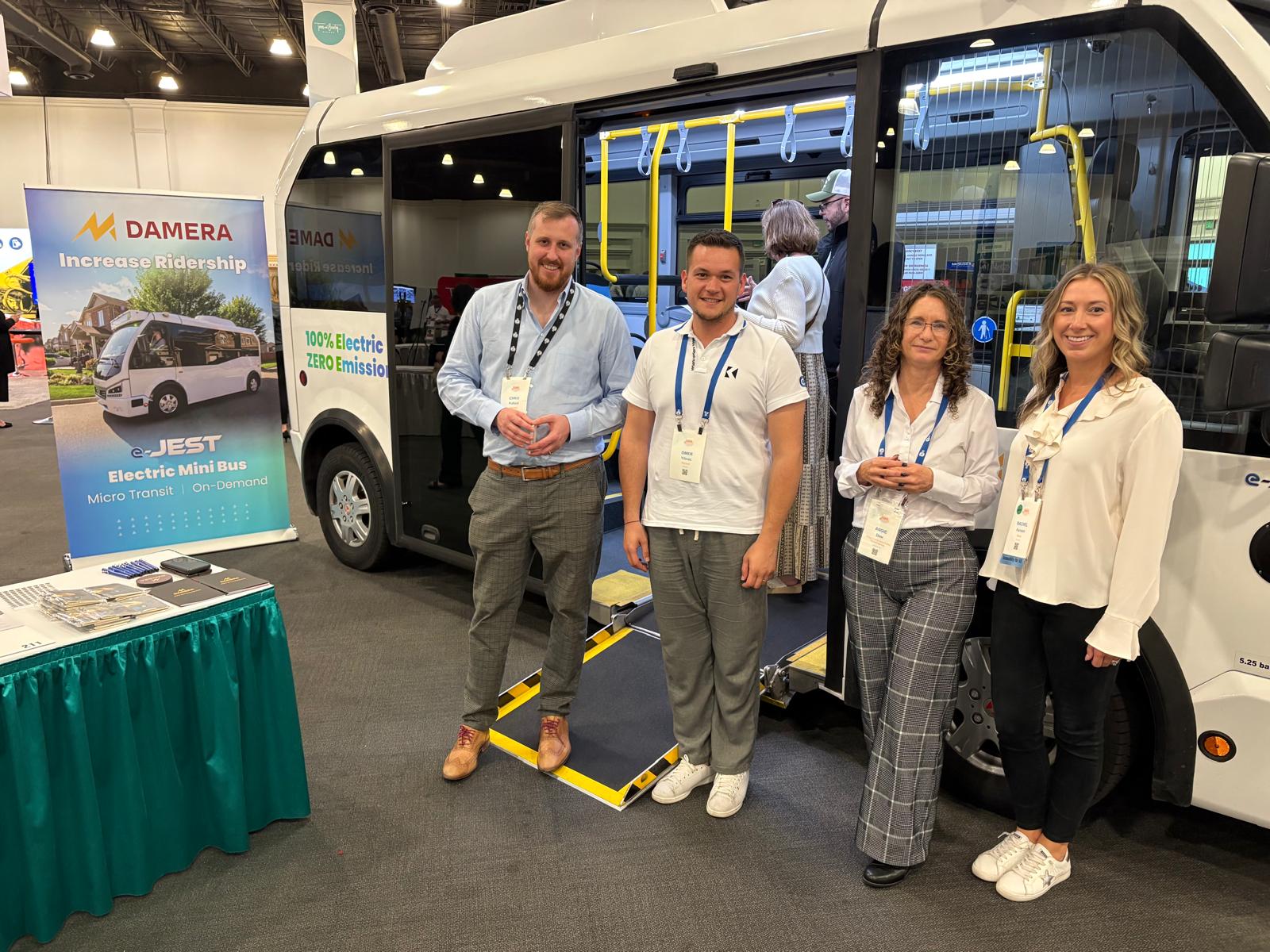
- Wheelchair Accessibility – Electric ramp or kneeling function for seamless entry.
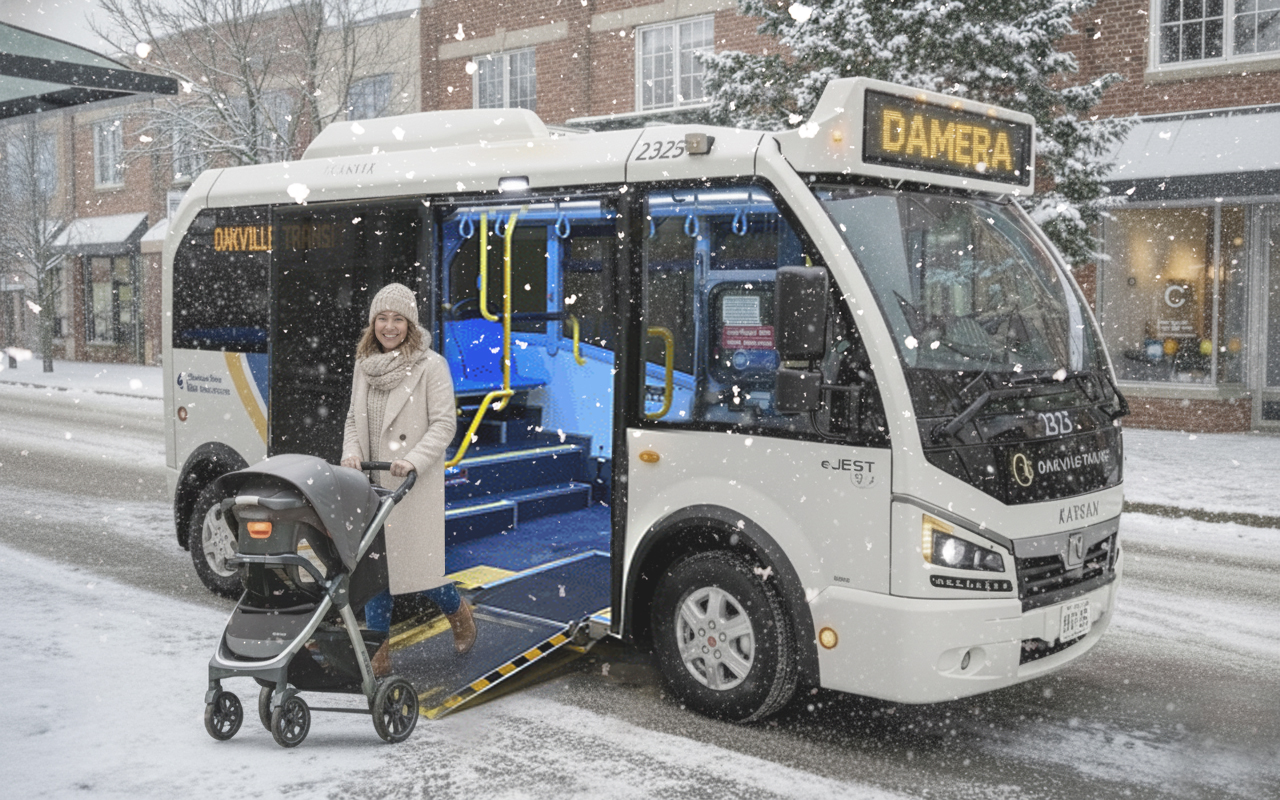
- Wide Entryways – Easy boarding for passengers with strollers, mobility aids, or luggage.
Safety Technologies
- Collision Avoidance & Lane Departure Warning – Enhances driver awareness and reduces accident risk.
- Blind-Spot Monitoring – Improves visibility in high-traffic areas.
- Automatic Emergency Braking – Adds an extra layer of protection against sudden obstacles.
- Secure Interior Layout – Features priority seating, safety belts, and well-placed handrails.
Passenger Comfort & Modern Amenities
- Climate Control – Maintains a comfortable interior in extreme weather conditions.
- USB Charging & Wi-Fi – Keeps passengers connected and enhances rider experience.
- Panoramic Windows – Creates an open, airy cabin with improved visibility.
4. Cost & Maintenance Efficiency
Switching to electric minibuses is not just about sustainability—it’s also a smart financial decision that reduces operating costs.
Lower Operational Costs
- Electricity is cheaper than diesel or gasoline, reducing per-mile energy expenses.
- Energy-efficient drivetrains further lower fuel costs.
- Karsan eJEST offers up to 50% lower maintenance costs compared to traditional diesel vehicles.
Reduced Maintenance & Serviceability
- Fewer moving parts mean lower maintenance expenses—no oil changes, fewer wear-and-tear components.
- Reliable parts support ensures vehicle uptime and minimizes downtime.
- Remote diagnostics & telematics can help predict maintenance needs, reducing unexpected breakdowns.
- Simplified electrical architecture in eJEST minimizes repair time and enhances service efficiency.
Evaluating Total Cost of Ownership (TCO)
- Consider long-term savings over 5-10 years, factoring in fuel, maintenance, incentives, and charging infrastructure.
- Ensure local service support and charging network availability for seamless fleet operation.
5. Smart Technology & Future-Proofing
As transit evolves, integrating smart mobility solutions is critical for efficiency, reliability, and long-term sustainability. Electric minibuses should support advanced fleet management, telematics, and on-demand transit platforms to optimize operations.
Telematics & Fleet Management
- Real-time tracking for route optimization and service reliability.
- Remote diagnostics to predict maintenance needs and prevent breakdowns.
- Over-the-air software updates ensure vehicles stay up-to-date with the latest technology.
Integration with On-Demand Transit Apps
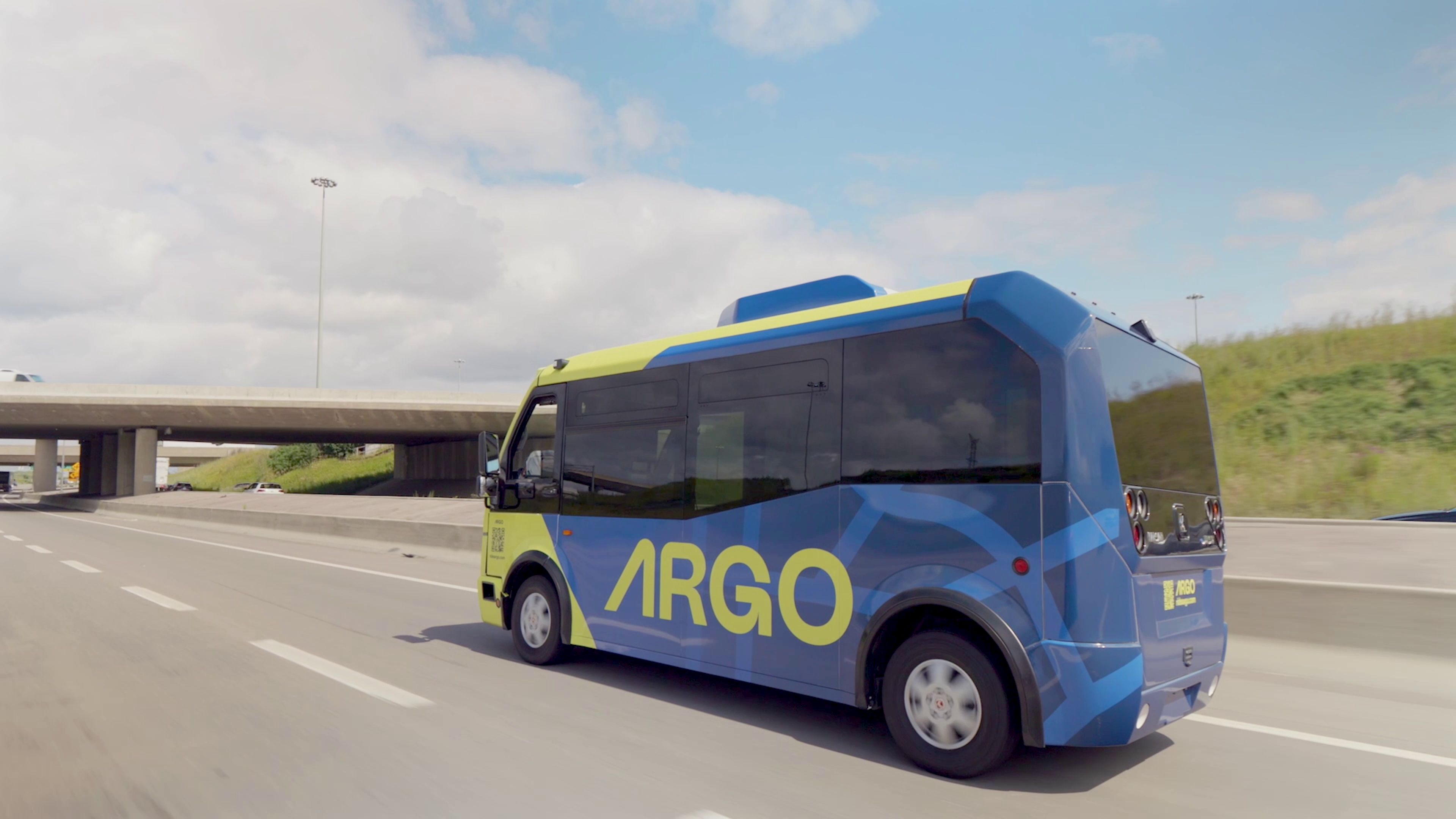
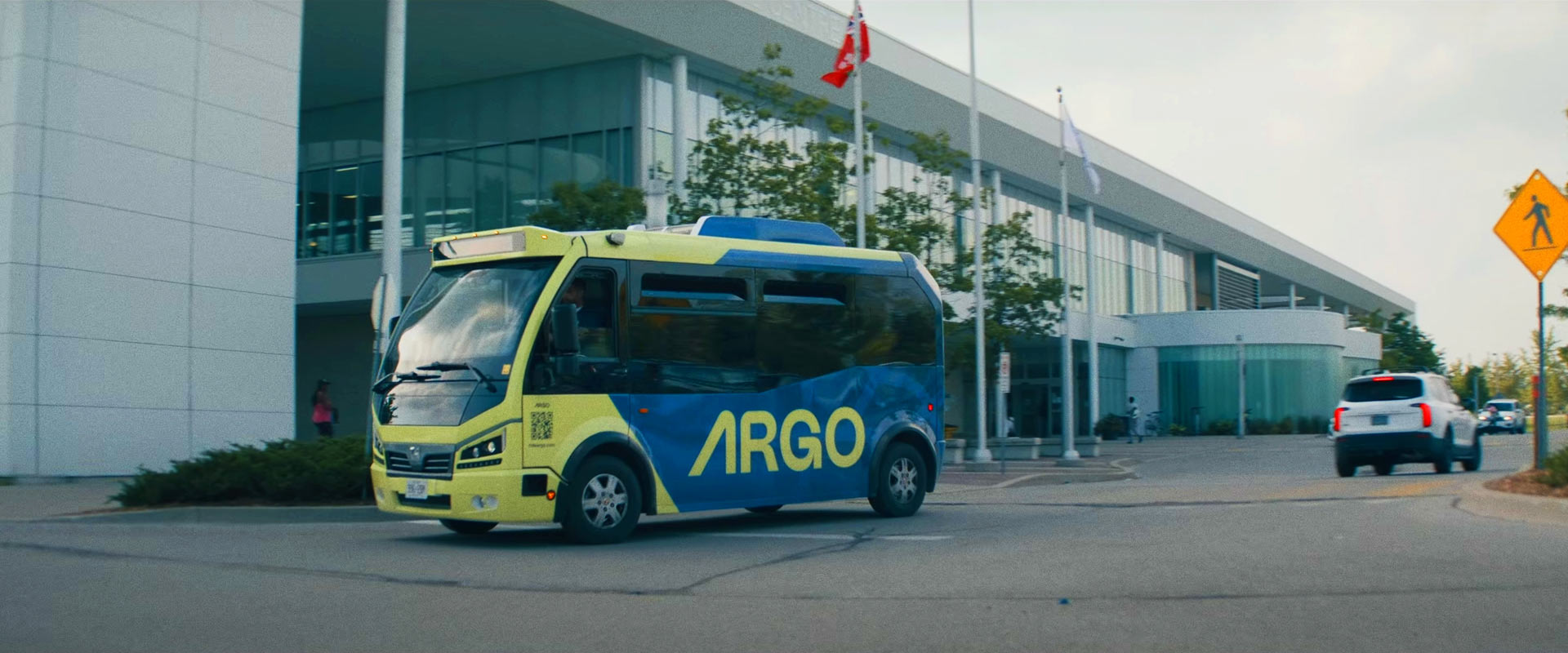
- Seamless connection with microtransit platforms (e.g., Argo, Via, RideCo).
- Digital fare payments and passenger counting systems improve efficiency.
Future-Proofing for Smart Mobility
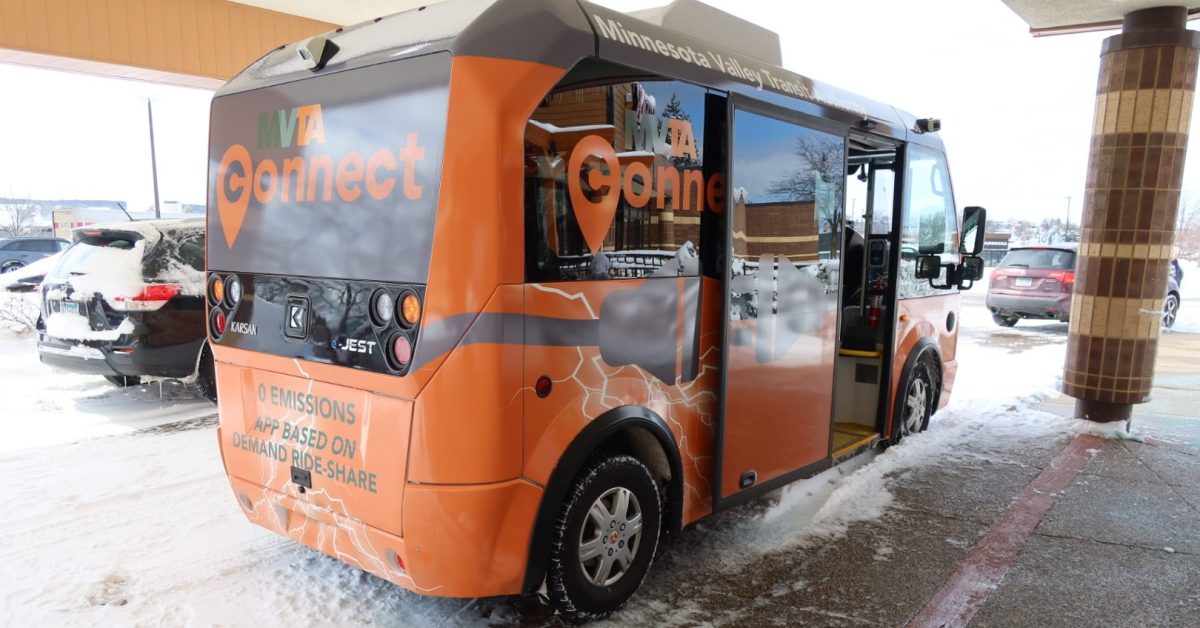
- On-Demand & Ridesharing Compatibility – Works with app-based transit solutions to provide flexible services.
- V2G (Vehicle-to-Grid) Technology – Some models support bidirectional charging, helping transit agencies optimize energy use.
Why the Karsan eJEST Stands Out for Microtransit
✅ Compact design & tight turning radius for effortless maneuverability.
✅ Quiet, smooth electric drive enhances driver and passenger experience.
✅ Fast-charging capability supports flexible operations.
✅ Best-in-class accessibility features for all passengers.
✅ Proven reliability in transit networks across Europe & North America.

Key Considerations Before Buying an Electric Minibus
1️⃣ Assess Your Route & Operational Needs
- Daily Range Requirements – How many miles will the vehicle travel per charge?
- Charging Infrastructure – Will overnight depot charging be sufficient?
- Passenger Capacity – Does the service require more seating or standing space?
- Accessibility Features – Are ramps and low-floor designs required?
2️⃣ Ensure Sustainability & Compliance
- Zero Emissions – Reduces fleet environmental impact.
- Incentives & Funding – Check for grants or tax incentives.
- Regulatory Compliance – Meets ADA, EPA, and local transit regulations.

Why Choose the Karsan eJEST?
If you’re looking for a compact, all-electric minibus suited for diverse transit applications, the Karsan eJEST is a leader in North America:
✅ Best-in-Class Passenger Comfort – Spacious, quiet, smooth ride with forward looking seats.
✅ Accessibility – Ramp, low floor, wide entrance, a dedicated place for a wheel chair or a stroller.
✅ Fast & Efficient Charging – Full recharge in under two hours with DC fast charging.
✅ Cost-Effective Operation – Lower maintenance and fuel costs than diesel alternatives.
✅ Designed for Microtransit & On-Demand Services – Provides High Capacity Utilization.
🚍 Ready to Upgrade Your Fleet?
Damera Corporation is a trusted provider of electric minibuses in North America, offering:
✔ Fleet consultation & operational planning
✔ Maintenance training & technical support
✔ Charging solutions & infrastructure assistance
✔ Flexible financing options
📩 Contact us today to learn more about electric minibuses for sale in Canada and the U.S. and find the right solution for your fleet.













.jpeg)









.jpeg)


.jpg)





.svg)