








Chargers

All Chargers
Explore all charging options on one page
Services
TUV Level 3
High Voltage Training

Work safely and effectively with high-voltage systems

Charger Installation
Contributes to the seamless integration of electric vehicles

Electrical Engineering
Get your skills in electrical engineering tailored to the transit industry
Bus Service (MBCT)
Comprehensive bus service ensuring reliable maintenance, repairs, and safety compliance.
MICROTRANSIT

Paratransit Buses
Learn more about our paratransit vehicles and how we’re improving mobility for people with disabilities and underserved riders.

Micromobility Buses
Discover how our buses support both paratransit needs and provide efficient service in low-ridership areas.

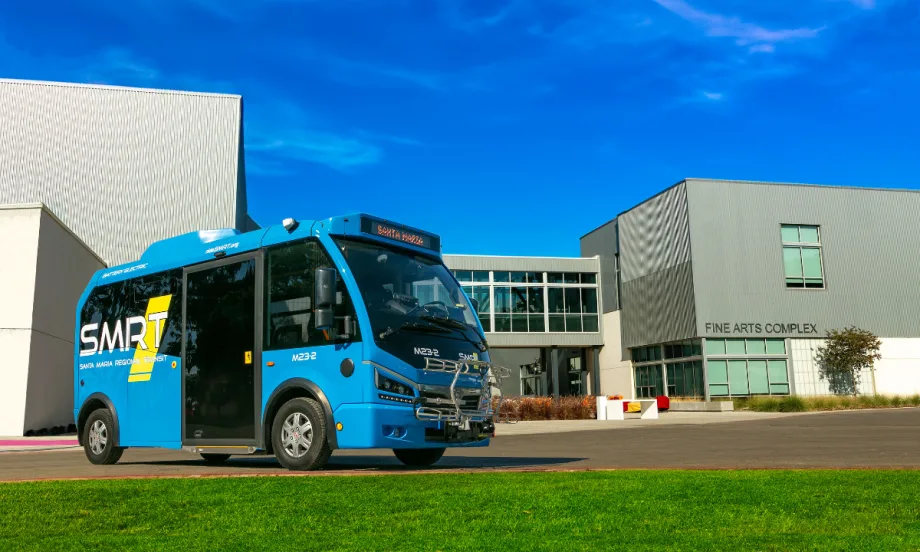
Minibuses for Campuses
Learn how modern electric minibuses create smoother, safer, and more convenient transportation for students and staff.


There is no previous post
Previous Post
Next Post
There is no next post
Clean Buses US 2026: Right-Sized Electric Minibuses
No items found.
How can transit agencies improve service coverage, strengthen accessibility and achieve better long-term value from their fleet investments?
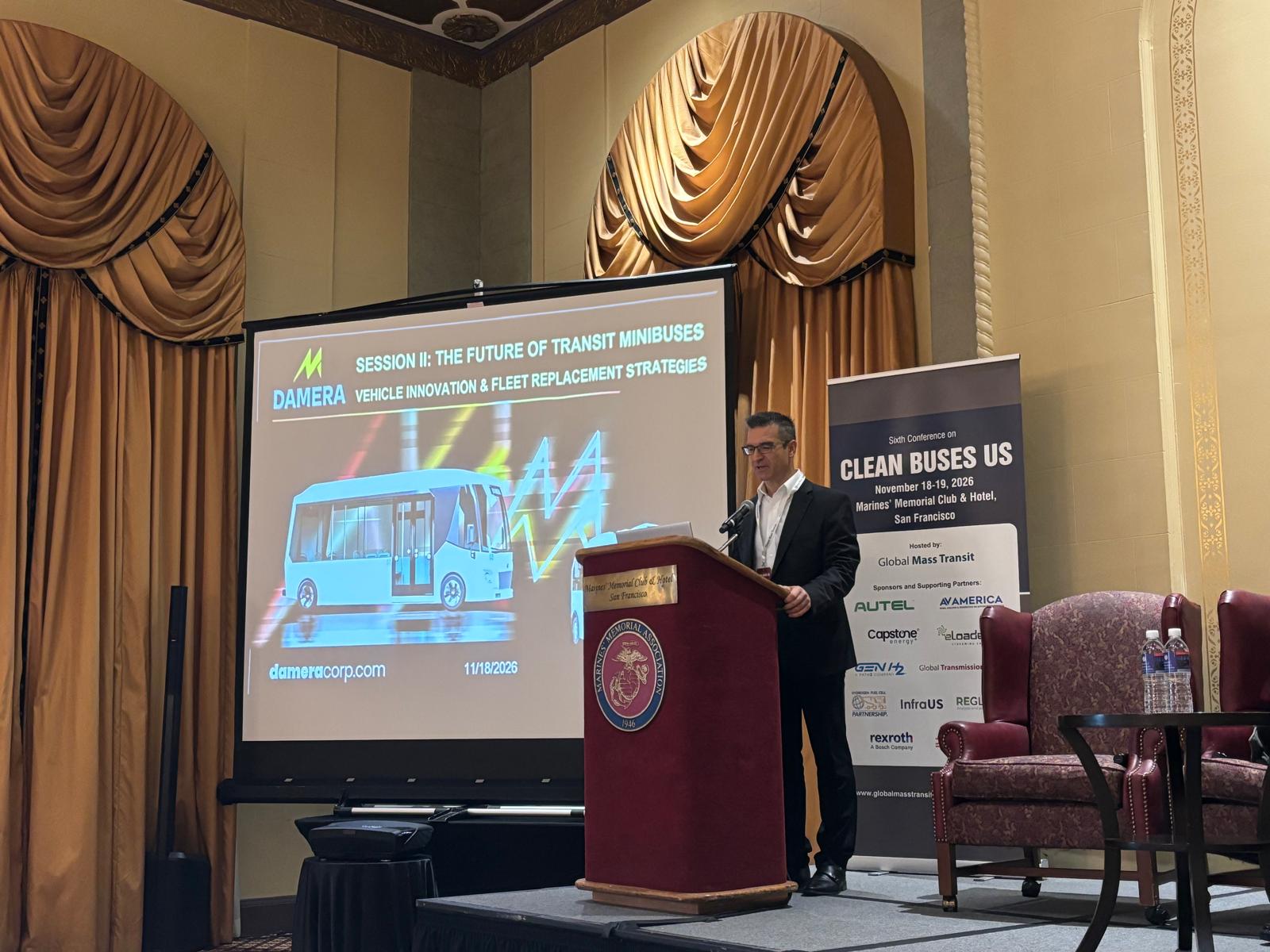
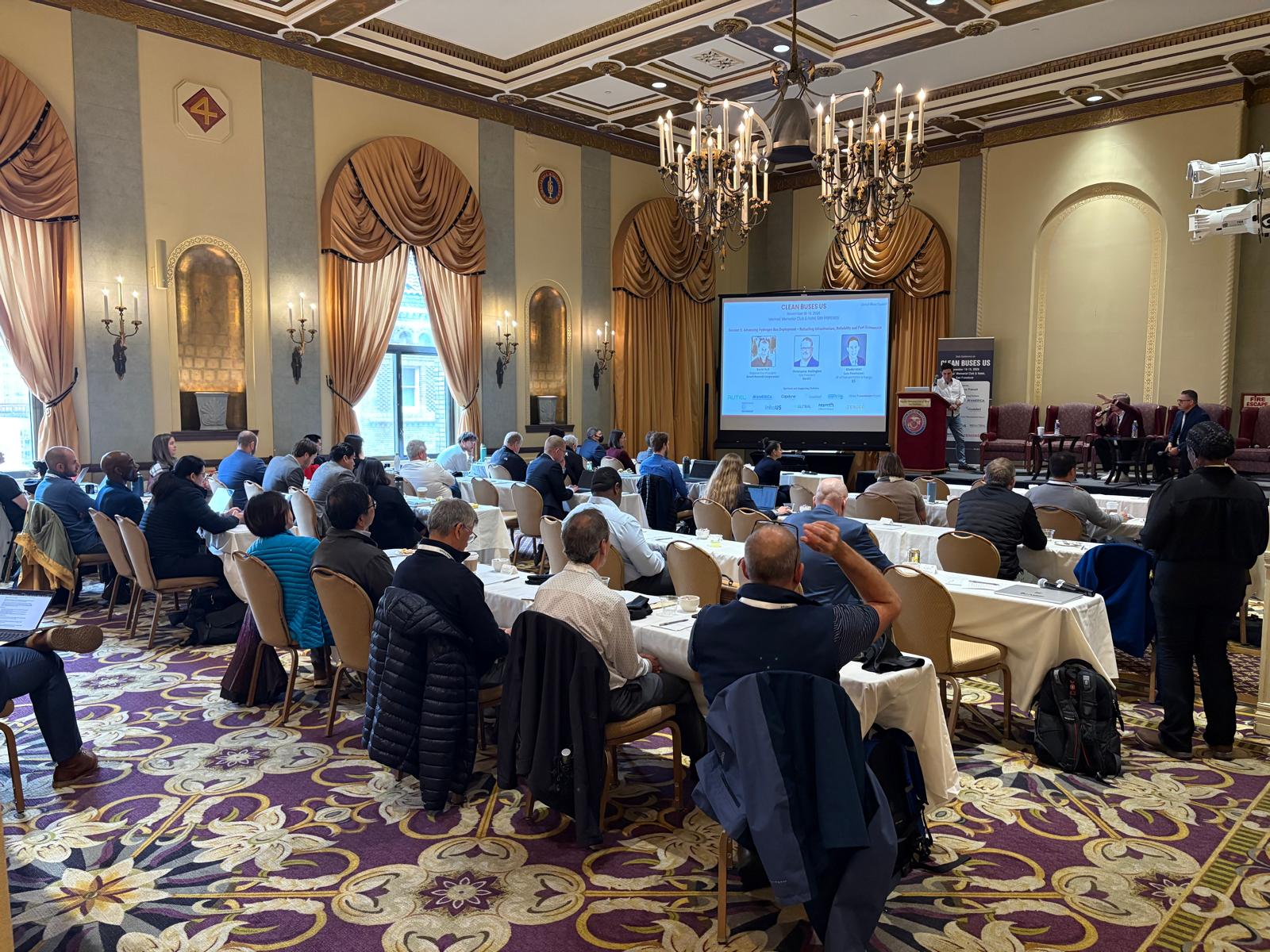
This was a central question explored by Damera Corporation at the 6th Clean Buses US Conference, taking place November 18–19, 2026, in San Francisco, California.
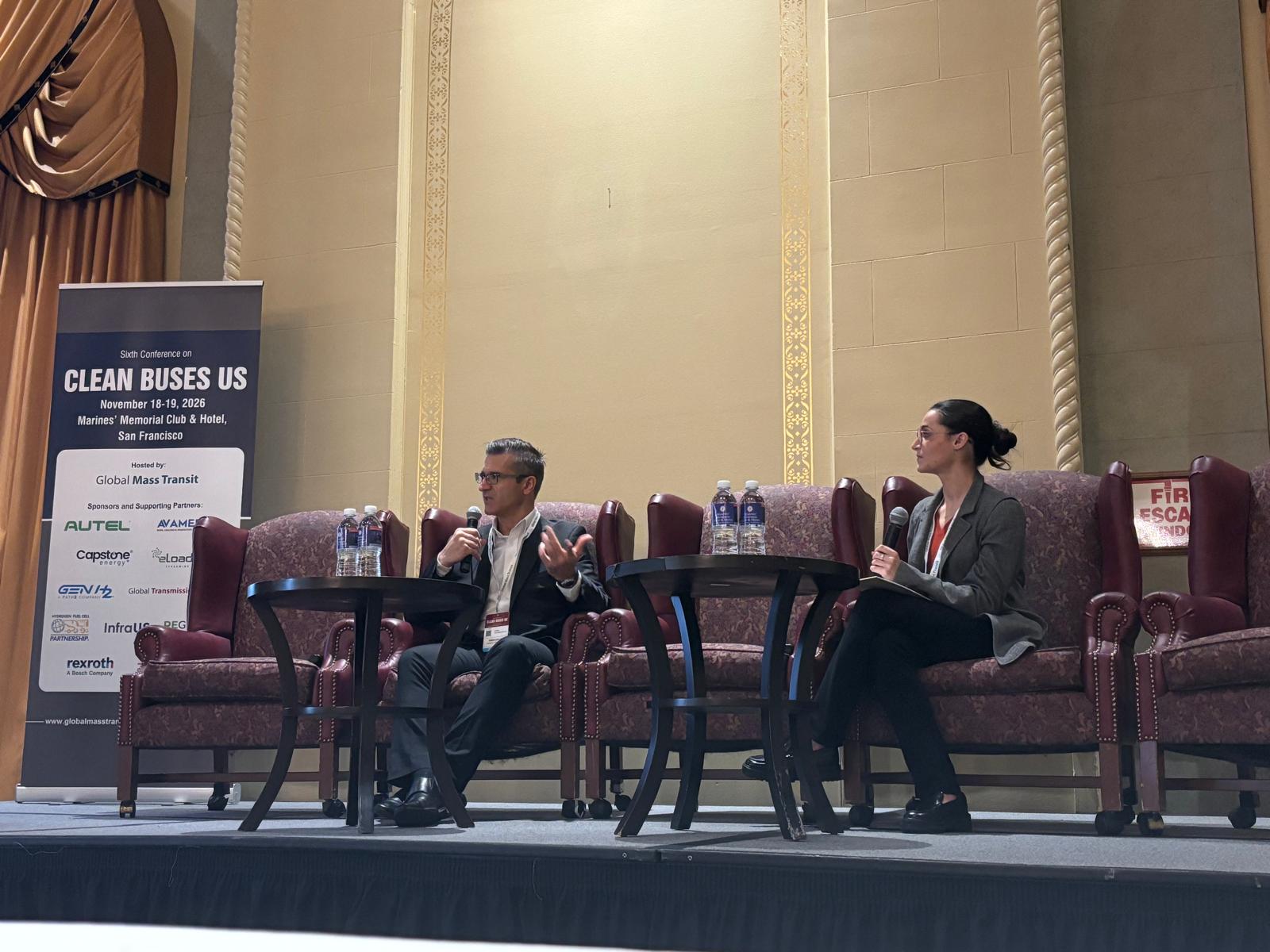
Roman Duplak, Vice President, Americas Sales at Damera Corporation, participated as a featured speaker, delivering a presentation titled “The Future of Transit Minibuses: Vehicle Innovation & Fleet Replacement Strategies.”
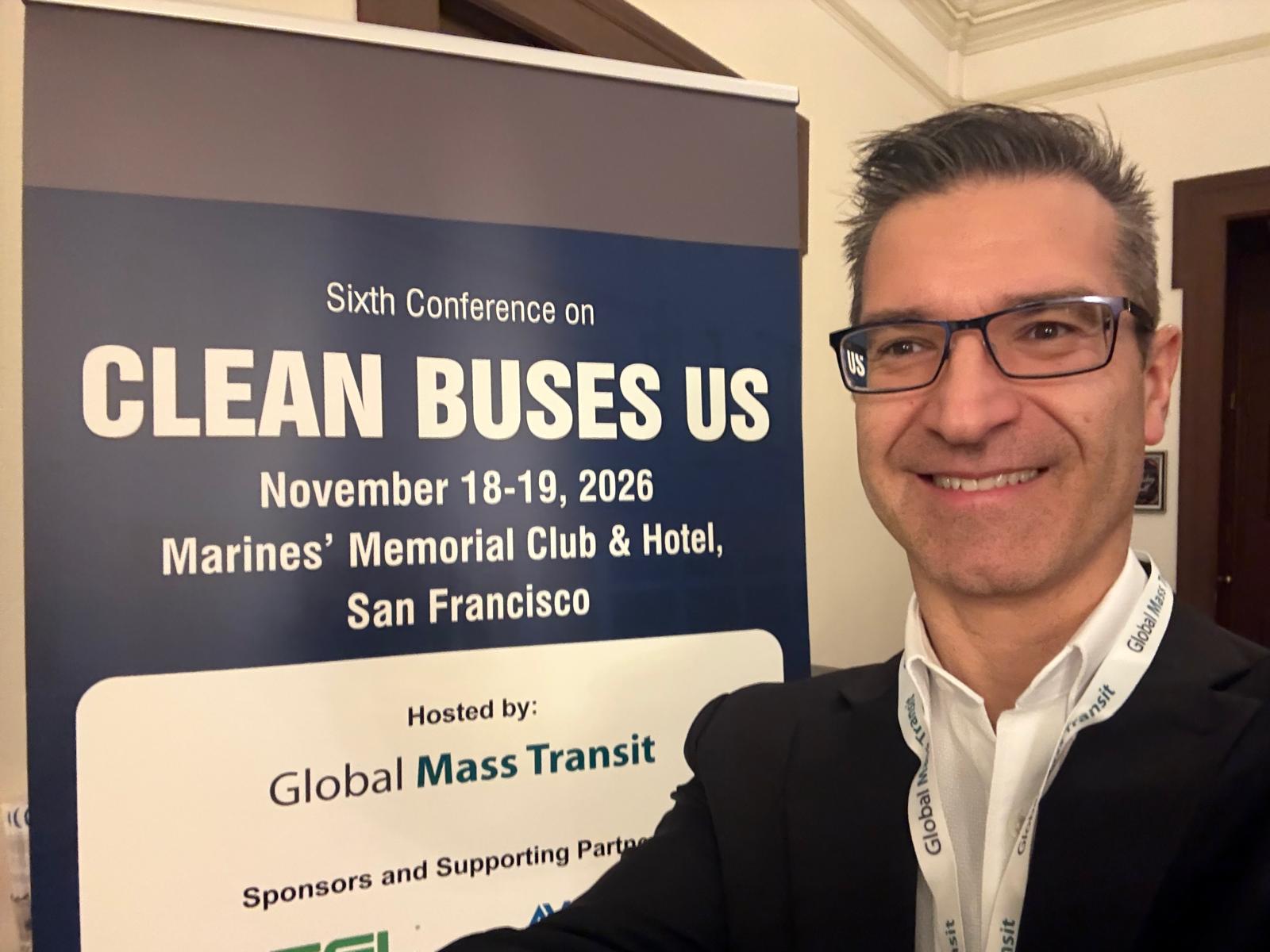
His presentation examined the role of purpose-built electric minibuses in modern transportation networks, highlighting how vehicle selection, engineering, electrification and lifecycle planning can influence the efficiency and reach of public transit services.
Matching Vehicle Capacity to Community Transportation Needs
A city's transportation network serves communities with very different travel patterns.
Major corridors may require high-capacity buses operating at frequent intervals. In suburban neighbourhoods and lower-density areas, passenger demand can be more dispersed, making conventional fixed-route service difficult to operate economically. Yet these communities still need reliable connections to employment centres, healthcare facilities, schools, shopping areas and mainline transit services. For transit agencies, this creates a challenging investment decision.
A standard 40-foot bus may have more passenger capacity than some routes consistently require. A smaller conventional cutaway may reduce the initial investment, but its design, accessibility arrangements and expected operating life may differ significantly from those of a purpose-built transit vehicle.
Right-sized electric minibuses provide another option: matching vehicle capacity more closely to the transportation service being delivered.
Rather than treating one vehicle size as the default across an entire network, transit agencies can evaluate different bus classes according to passenger demand, route characteristics, accessibility needs and operating schedules.
This approach creates opportunities to serve lower-demand routes while preserving larger buses for services where their capacity is essential.
Can Smaller Vehicles Help Agencies Deliver More Service?
One of the most important points in Roman's presentation concerned the purchasing power of transit agencies.
The capital required to acquire a single full-size battery-electric bus may, depending on specifications and procurement conditions, be sufficient to purchase up to four smaller electric minibuses.
The comparison raises a valuable question for fleet planners:
Could a different vehicle mix create opportunities for additional routes, shorter waiting times or better connections using a similar vehicle acquisition budget?
The answer depends on how the vehicles are deployed. However, smaller vehicles may create greater flexibility in how available capacity is distributed.
For example, an agency might evaluate whether several neighbourhood connections would better serve its community than a single route operated by a larger bus. It could also examine opportunities to adjust vehicle assignments during off-peak periods when ridership is lower.
The objective is to improve the relationship between fleet investment and useful transportation service.
Evaluating Capital, Operating and Lifecycle Costs
Roman's presentation emphasized that fleet replacement decisions should account for costs throughout a vehicle's operating life.
Capital Expenditure (CapEx)
Smaller electric minibuses can require a lower initial vehicle investment than full-sized battery-electric buses. Their charging requirements may also be less demanding, creating opportunities for simpler electrical installations or incremental infrastructure expansion where site conditions allow.
For agencies beginning electrification, this may reduce some of the financial and infrastructure barriers associated with fleet modernization.
Operating Expenditure (OpEx)
Electric drivetrains eliminate several conventional components found in diesel-powered vehicles and can reduce fuel-related operating expenses.
Compact electric buses may also consume less energy than larger vehicles under comparable operating conditions.
Lifecycle Costs
Vehicle durability and expected service life are particularly important when comparing purpose-built minibuses with conventional cutaway alternatives.
A bus that remains in service longer may reduce replacement frequency and improve long-term capital planning.
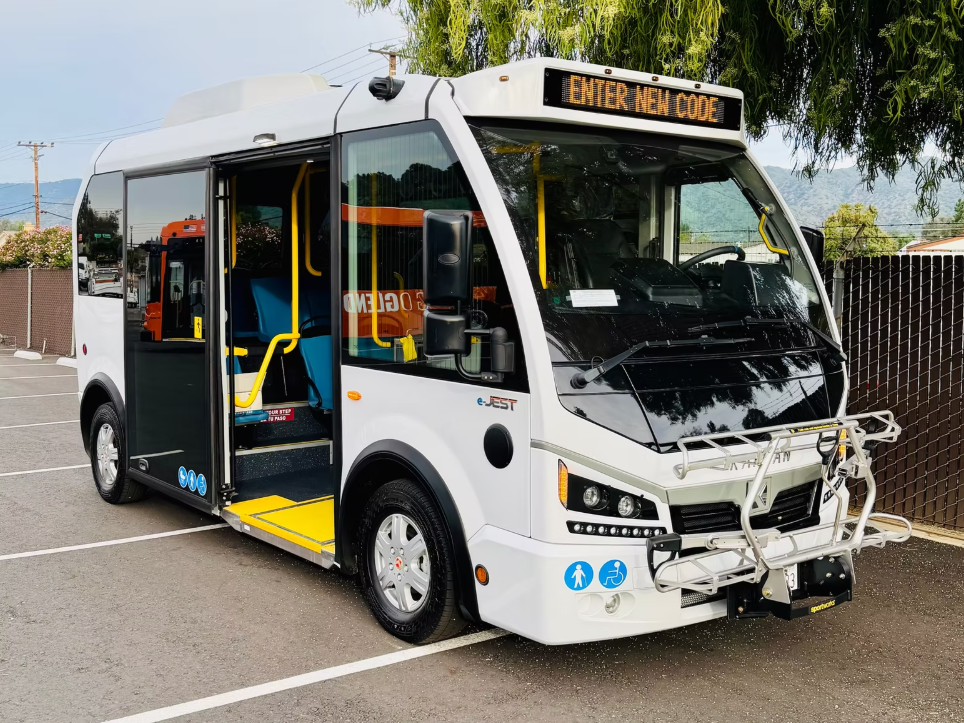
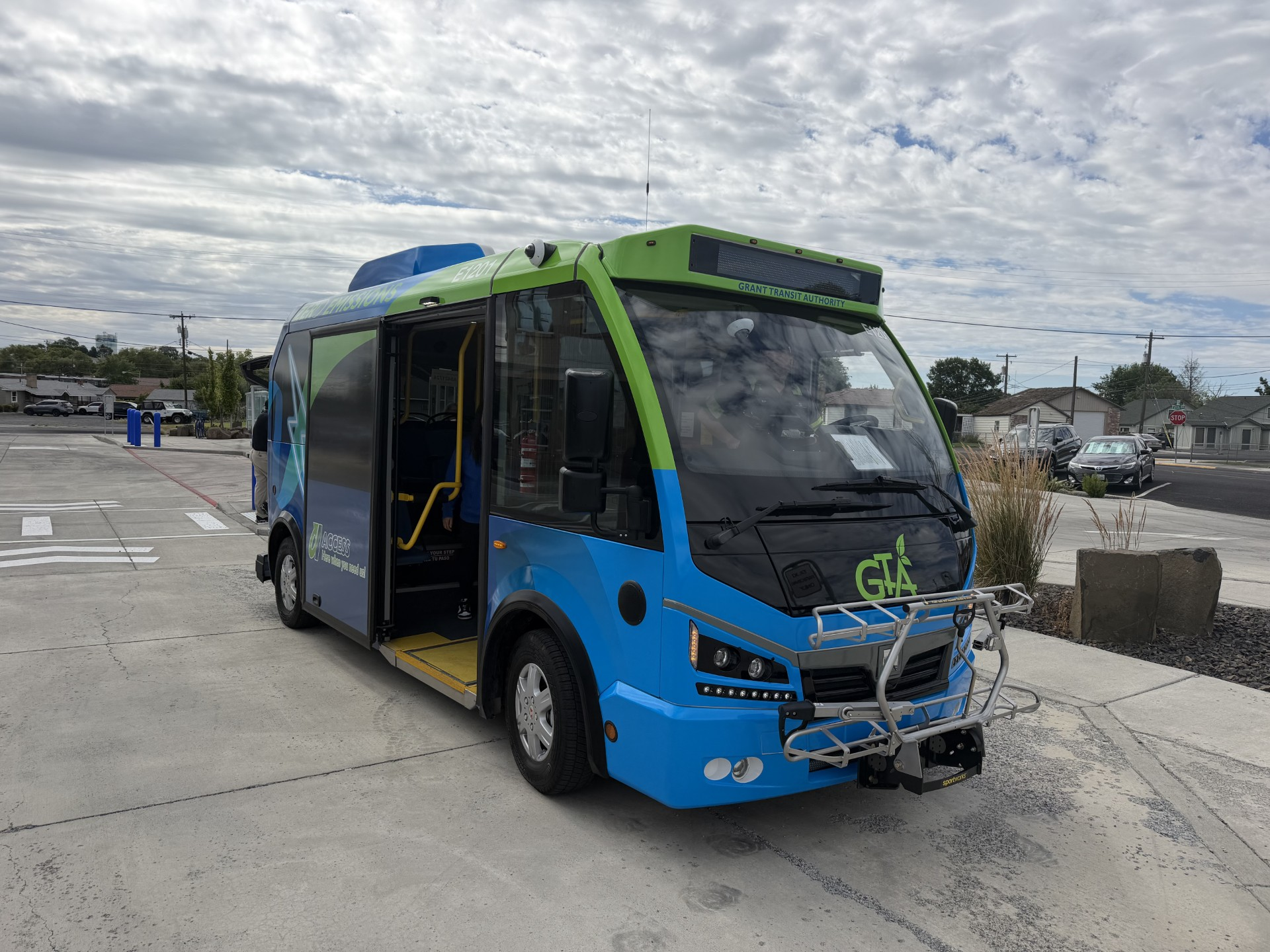
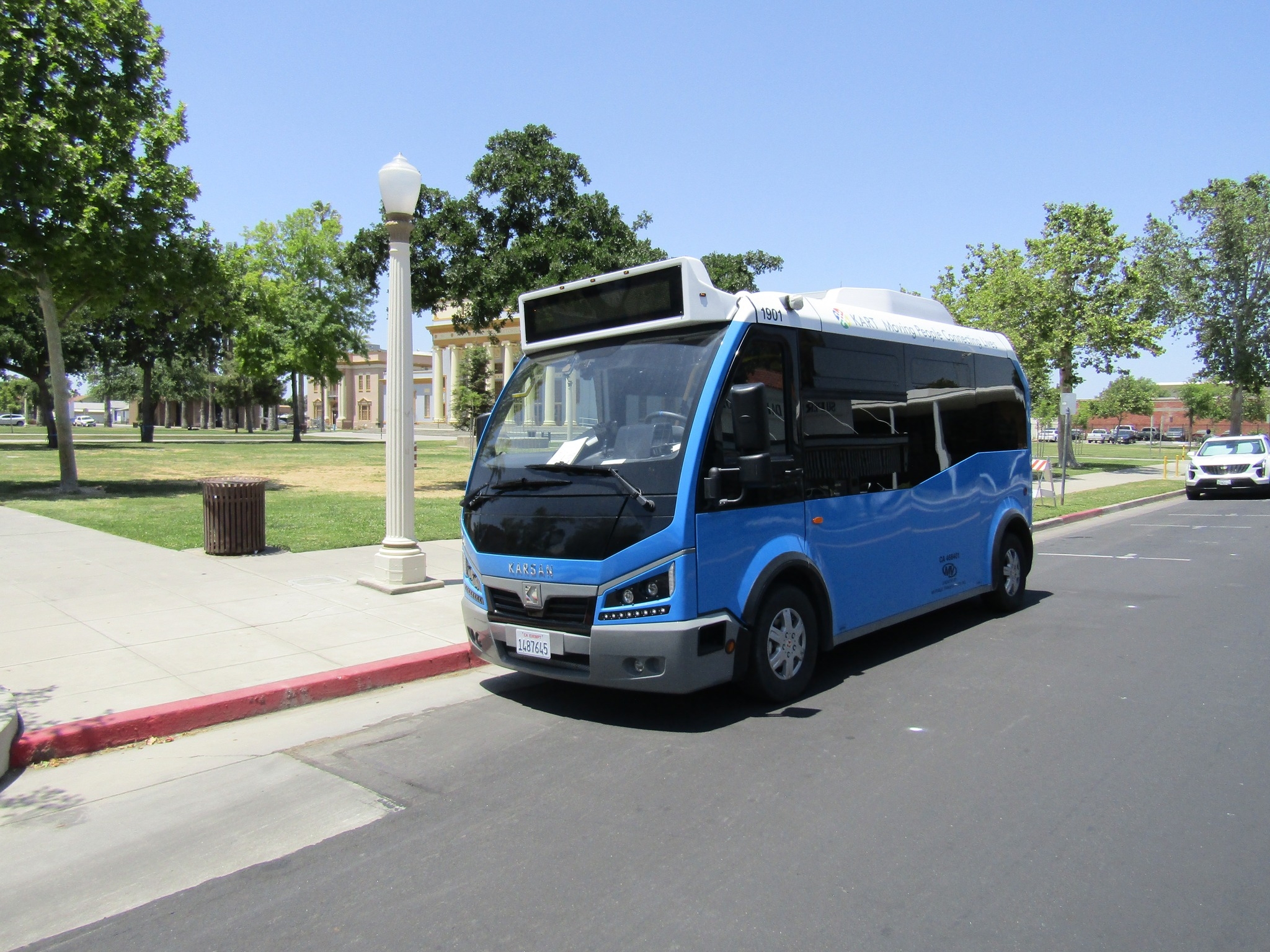
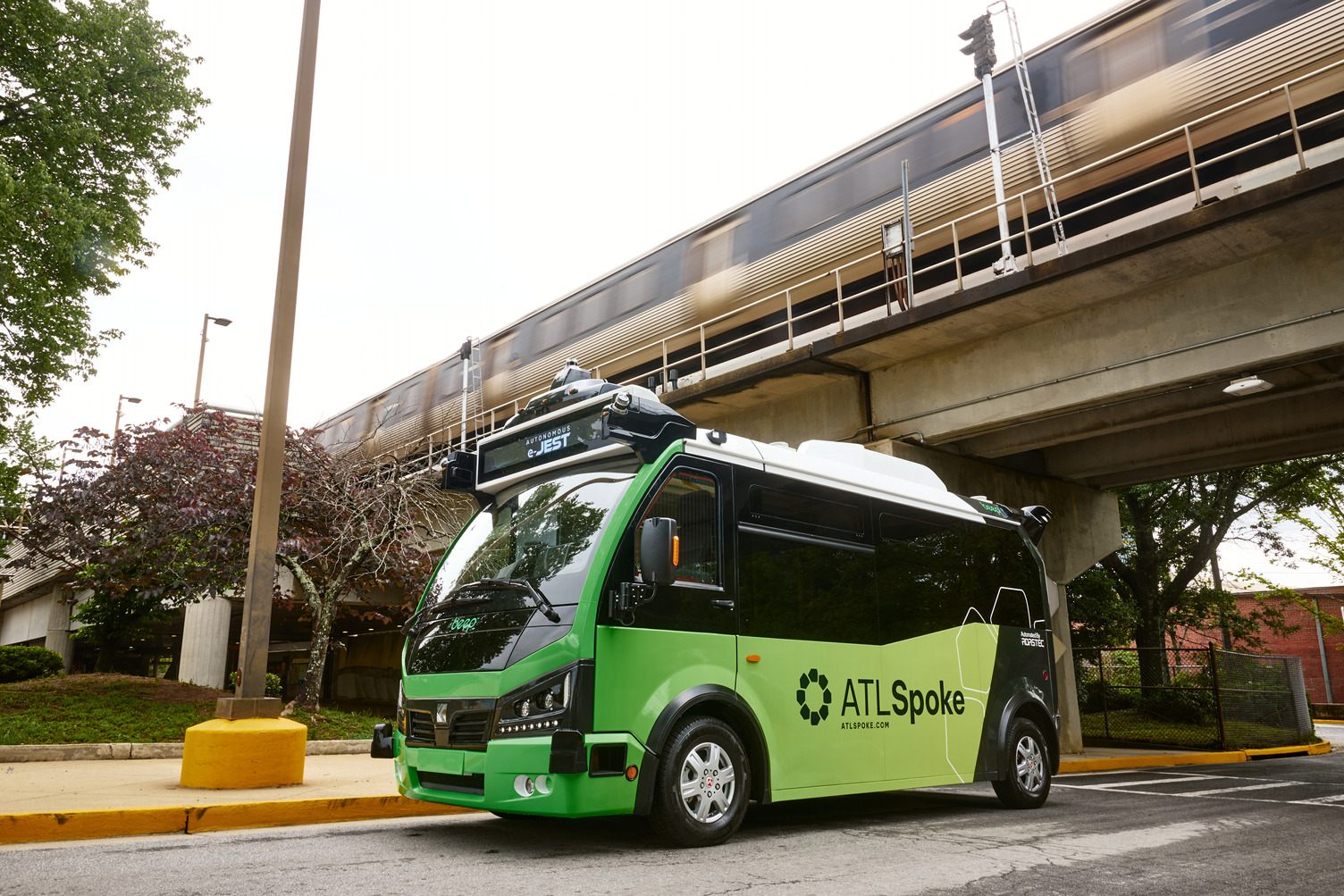
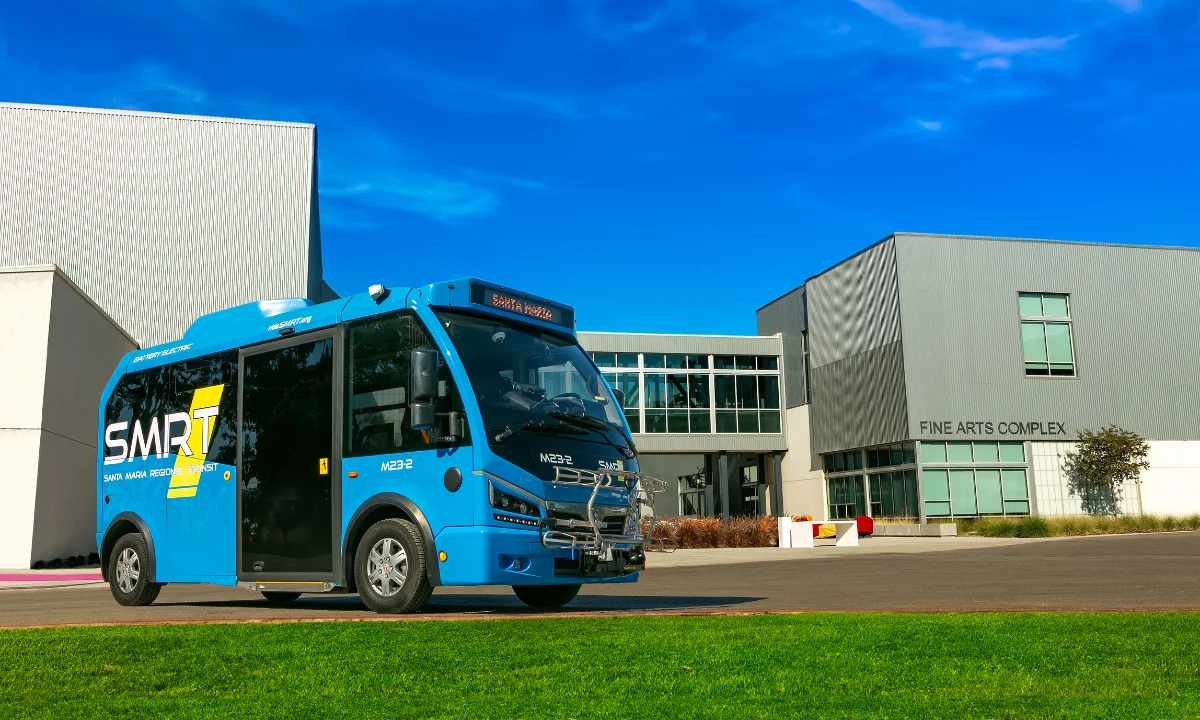
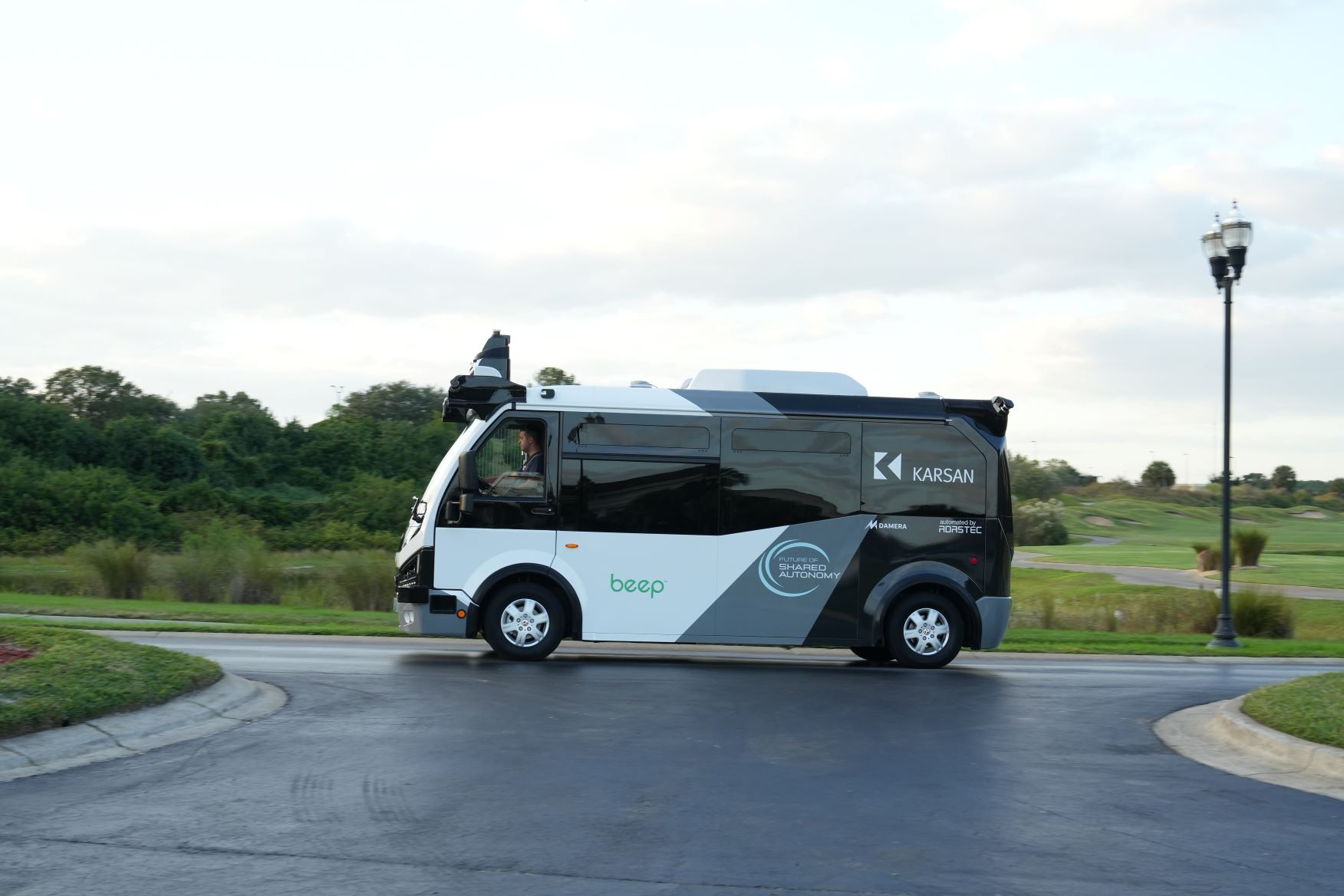
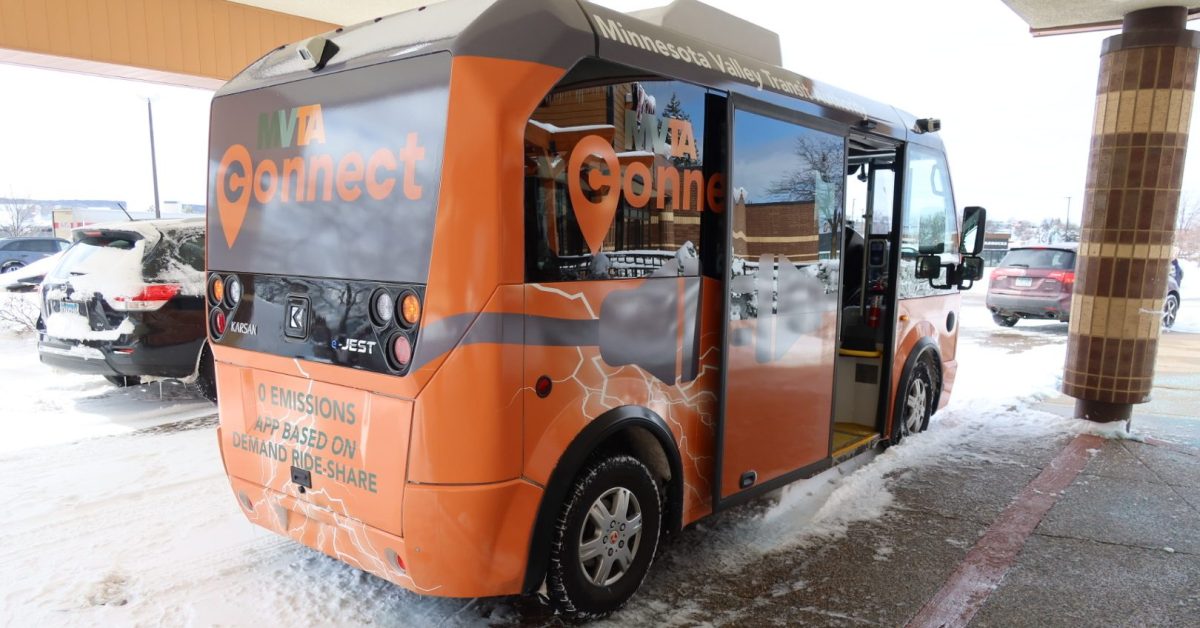
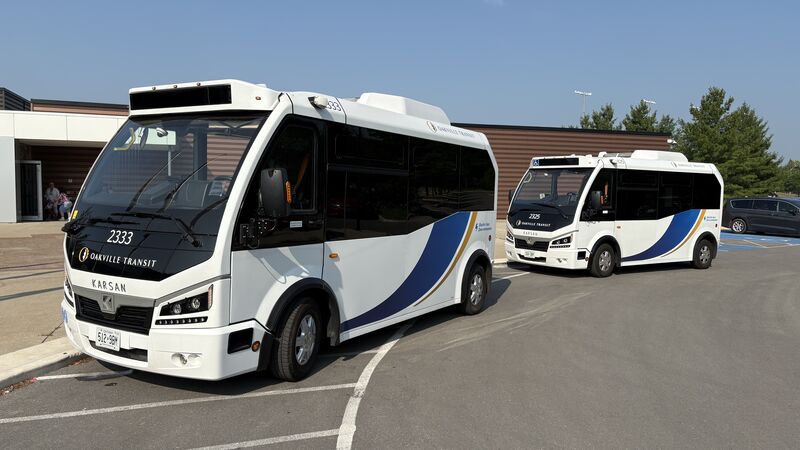
Damera's Karsan eJEST offering combines purpose-built transit construction with corrosion protection and a 10-year anti-corrosion warranty.
For procurement teams, the most useful comparison is the total cost of delivering transportation over a common evaluation period, including vehicle purchases, operating expenses, maintenance and anticipated replacements.
Why Transit-Grade Construction Matters
Small buses are not all engineered for the same purpose.
Many conventional cutaway vehicles are built using a commercial truck or van chassis with a separate passenger compartment.
Purpose-built transit minibuses take a different approach, integrating passenger transportation requirements into the vehicle's original engineering.
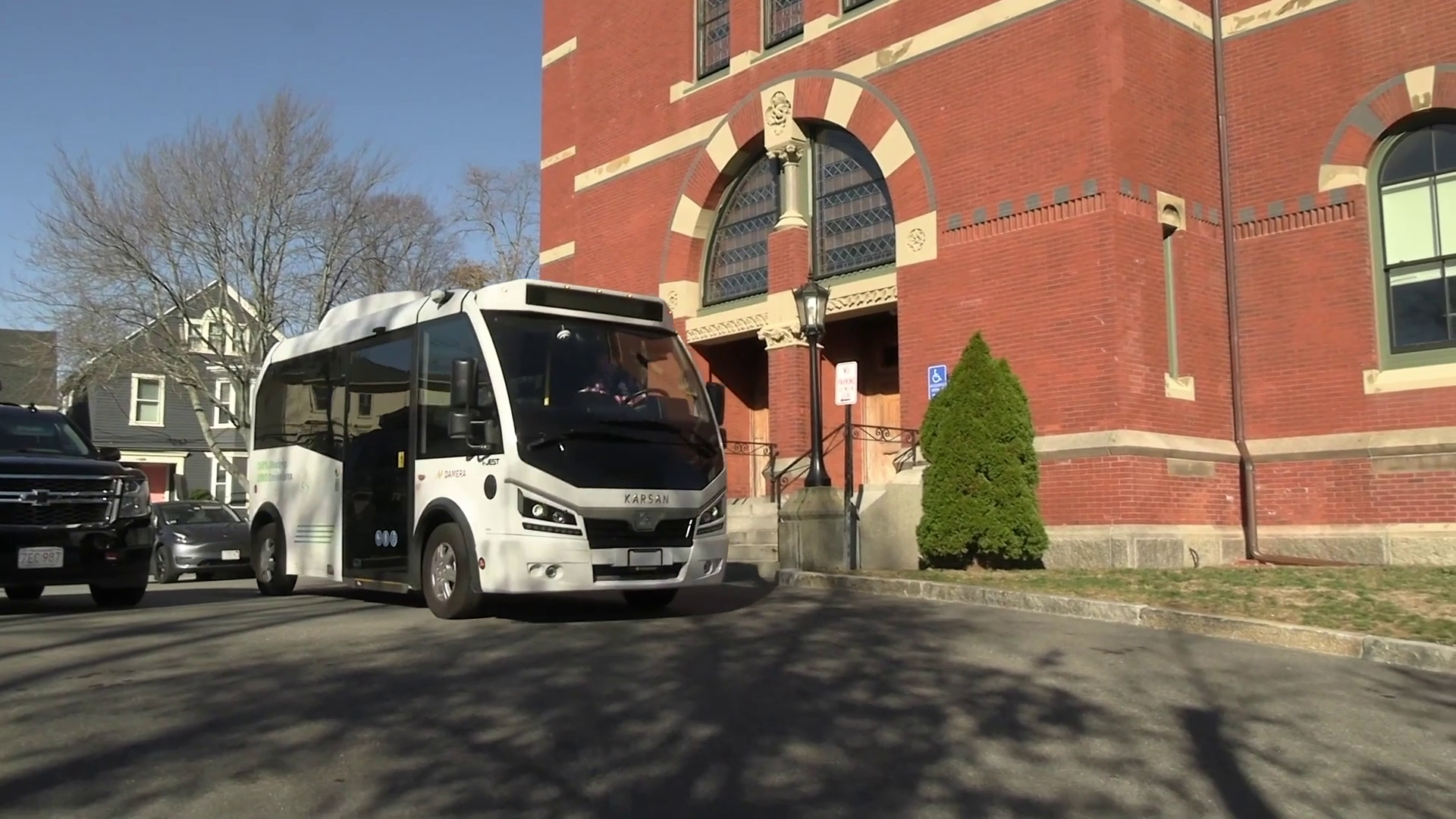
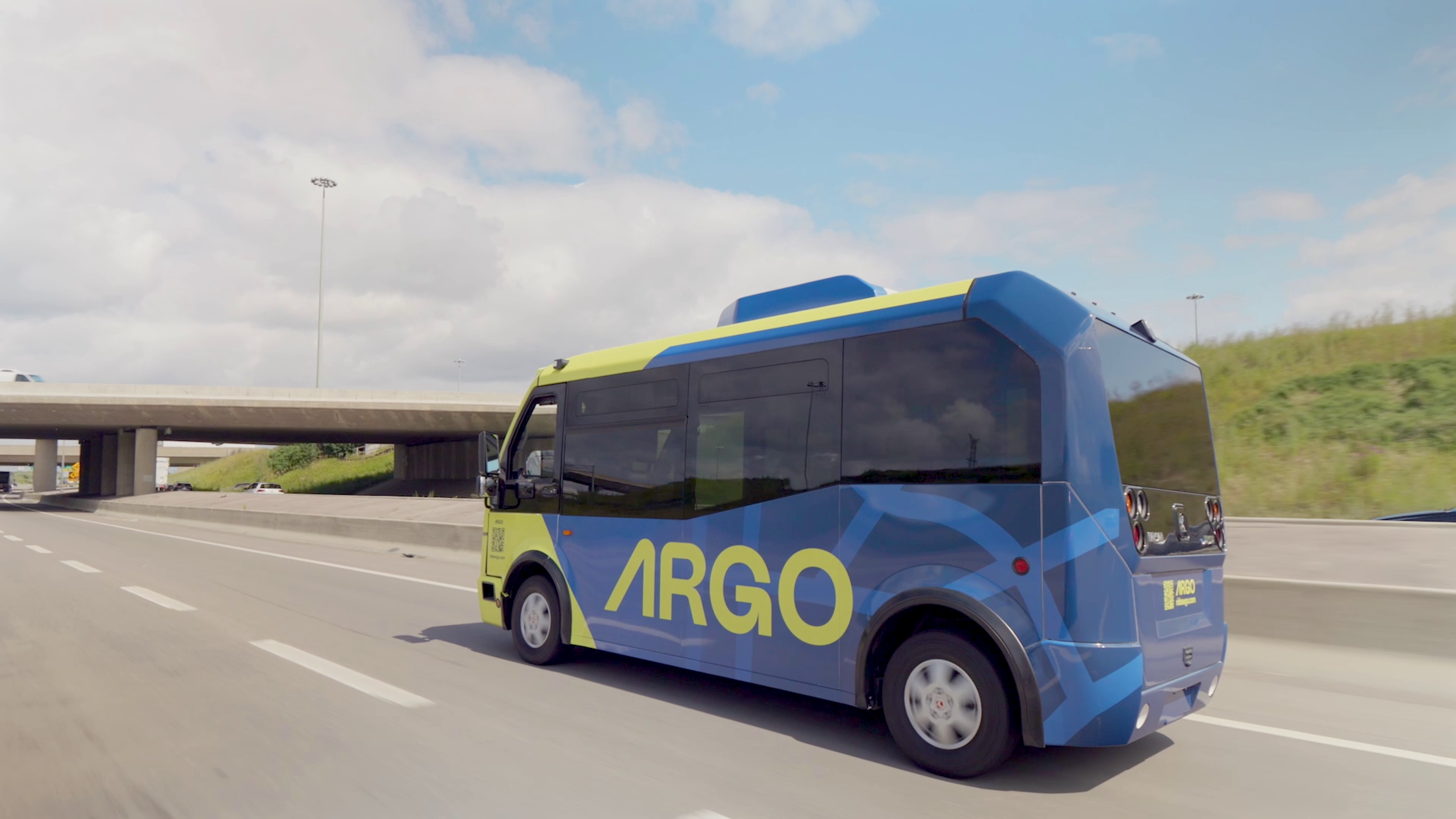
The Karsan eJEST uses monocoque space-frame construction, meaning the body and supporting framework form an integrated load-bearing structure.
This design helps distribute the forces generated by braking, acceleration, cornering and daily operation throughout the vehicle.
It also allows engineers to develop a low passenger floor without relying on the conventional chassis arrangement used in many cutaway vehicles.
For transit agencies, an appropriately engineered integral structure can offer several advantages:
- Structural durability: Designed to manage repeated operating loads and body stresses.
- Passenger accessibility: Greater flexibility to incorporate low-floor entrances and wheelchair ramps.
- Ride quality: Structural rigidity can help limit unwanted body movement and vibration.
- Vehicle efficiency: Optimized structural design can contribute to effective weight management.
- Long-term asset value: Durable construction can support extended service life and reduce replacement frequency.
The eJEST combines its integrated structure with corrosion-resistant materials and protective treatments, helping address the demands of long-term transit operation.
The important consideration for fleet managers is that the purchase price of a bus tells only part of its economic story.
Engineering quality, structural durability, maintenance requirements and expected years of service all influence its long-term value.
Accessibility That Supports Multiple Transportation Services
Accessibility is another important factor in selecting vehicles for community transit.
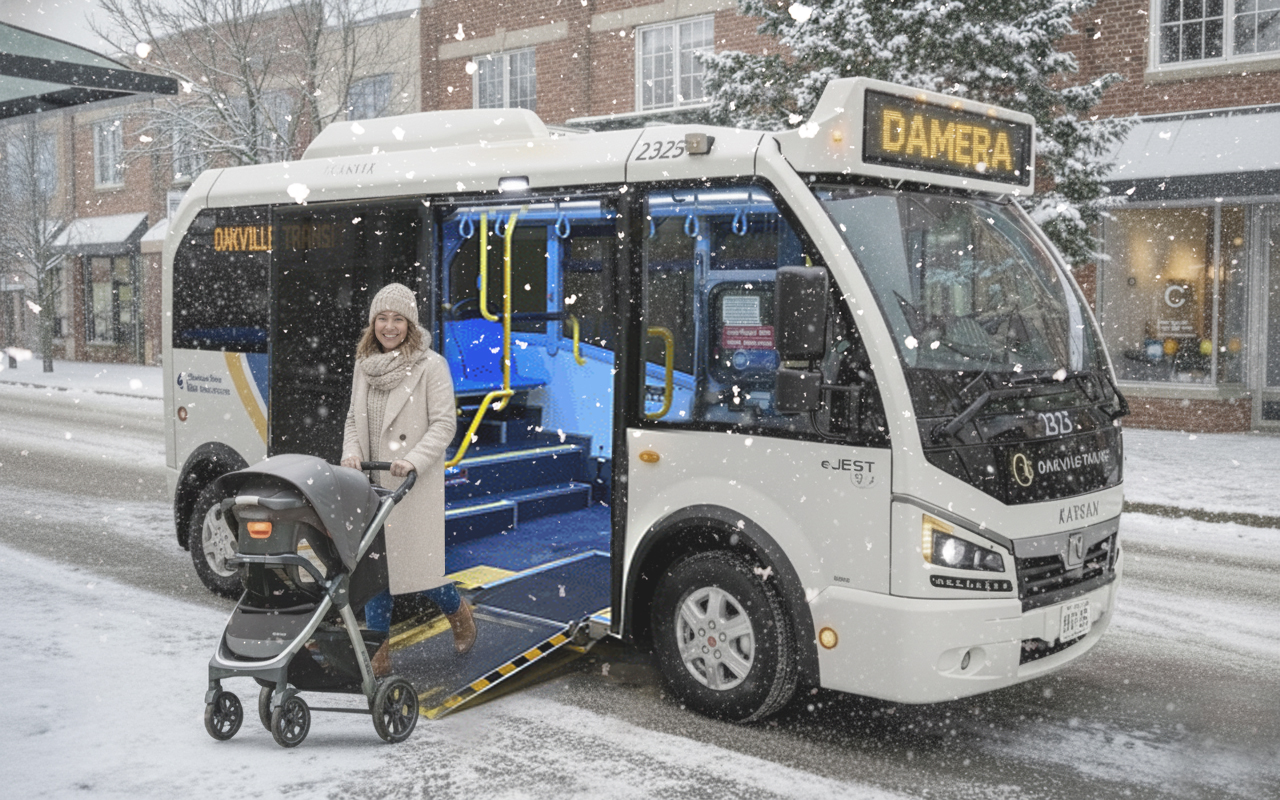
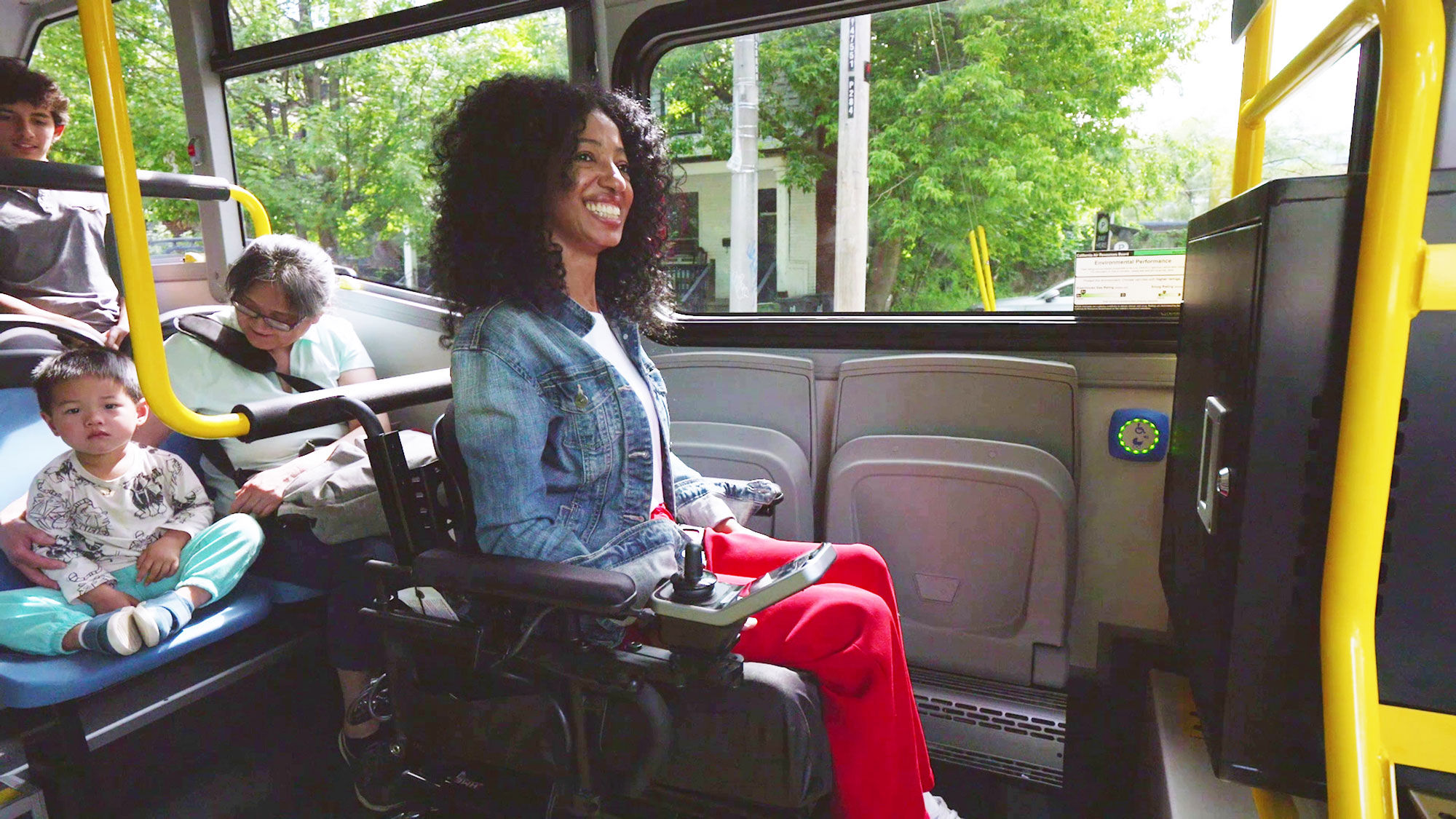
A low-floor design with an integrated boarding ramp allows passengers using wheelchairs and other mobility devices to enter without relying on the lift systems commonly found on higher-floor vehicles.
This can also make boarding more convenient for seniors, parents with strollers and other passengers who benefit from reduced step heights.
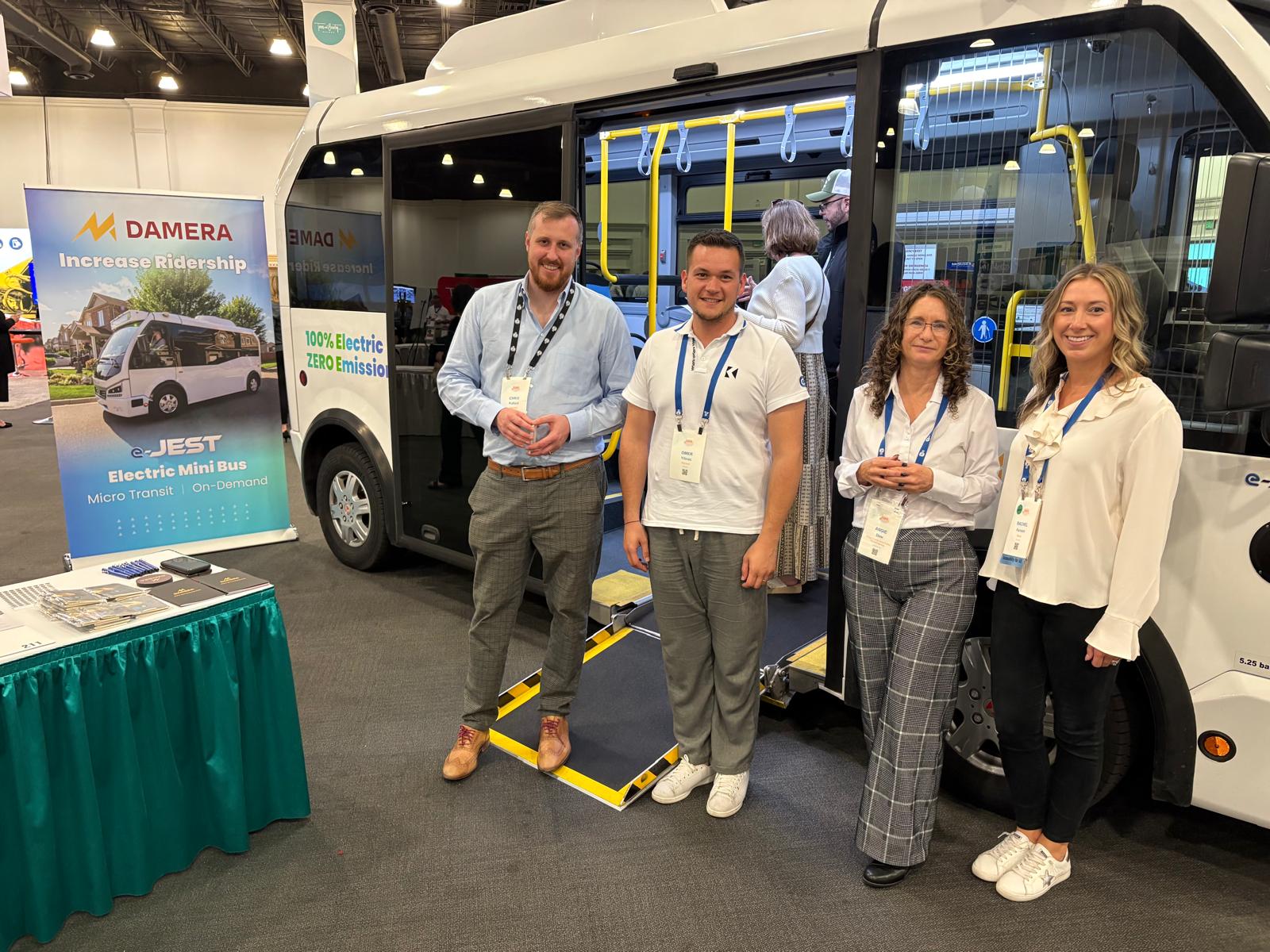
Roman demonstrated how the Karsan eJEST accommodates different passenger and wheelchair configurations, allowing agencies to consider the vehicle for multiple operating applications.
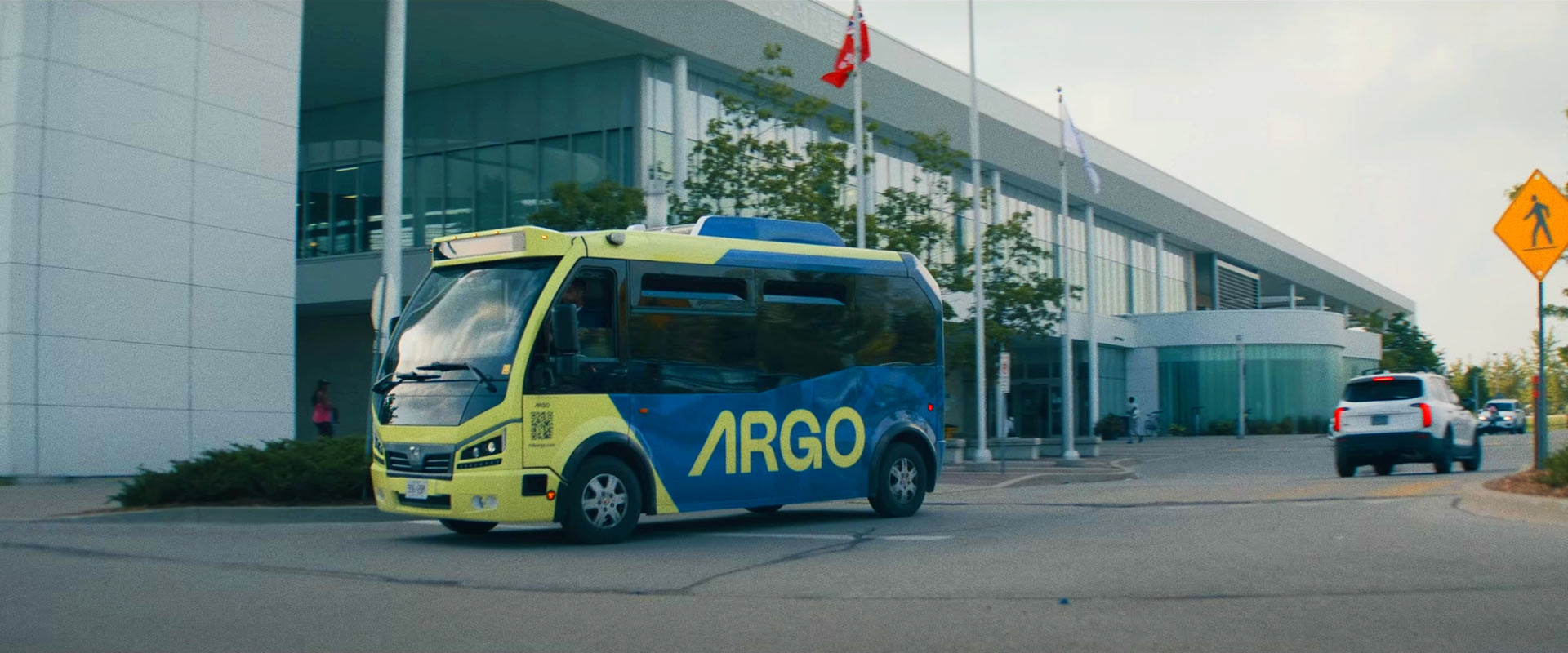
These include neighbourhood circulators, connections to major transit hubs, on-demand transportation and accessible community services.
From a fleet-planning perspective, this versatility matters.
A vehicle that supports several service types may give an agency more flexibility when ridership patterns change, routes are adjusted or new community transportation programs are introduced.
Accessibility must still be assessed against actual passenger demand, securement requirements, interior circulation space and applicable regulations.
Selecting accessible vehicles that can serve different routes and passenger needs helps agencies plan transportation around the communities they support.
Planning Electric Vehicles and Charging Infrastructure Together
Vehicle procurement is only one part of an electric transit project.
Agencies must also evaluate charging availability, electrical capacity, daily mileage, vehicle operating schedules and infrastructure expansion requirements.
The appropriate charging strategy depends on how the fleet operates.
A vehicle completing a predictable community route and returning to the depot overnight may require a different charging arrangement from one providing extended daily service.
Smaller electric minibuses can offer advantages because their battery capacities and energy requirements may be lower than those of conventional full-size electric buses.
The Karsan eJEST supports AC and DC charging, allowing operators to consider different charging schedules and infrastructure configurations.
Damera Corporation works with charging technology providers and installation partners to support planning, equipment selection and deployment.
Roman also presented Damera's developing VERO electric minibus platform, highlighting its right-sized battery and charging objectives.
“VERO's right-sized battery and charging requirements can help agencies introduce electric service with less infrastructure complexity than larger battery-electric buses.”
— Roman Duplak, P.Eng., M.Eng., Vice President, Americas Sales, Damera Corporation
For agencies considering fleet electrification, infrastructure planning should begin with a detailed understanding of vehicle duty cycles.
Route distances, passenger loads, weather conditions, charging windows and available electrical service all influence equipment requirements.
A charging solution designed around actual operating needs may reduce unnecessary investment while supporting reliable daily operations.
Advancing Flexible Transit Vehicle Design
Roman's presentation also introduced Damera VERO as part of the company's continued development of purpose-built electric transit vehicles.
The approximately 23-foot platform is being developed with an emphasis on fully low-floor accessibility, structural durability and adaptable passenger accommodation.
Its planned configurations demonstrate how a compact transit platform could serve different applications, from regular fixed-route transportation to services requiring additional wheelchair spaces.
This reflects a broader engineering opportunity: designing vehicles that accommodate different operational needs without requiring transit agencies to rely on entirely separate vehicle categories for every application.
Through vehicle engineering development, electrification expertise, technical partnerships and long-term fleet support, Damera Corporation continues advancing solutions intended for North American transit operating environments.
Practical Considerations for Fleet Replacement Planning
Roman's presentation offers transit agencies a useful starting point for evaluating their future fleets.
Before deciding which vehicles to purchase, transit professionals can examine several important questions:
- Where is vehicle capacity being underutilized? Review passenger loads by route, time of day and service period to identify opportunities for different vehicle assignments.
- Which communities could benefit from additional connections? Assess gaps between residential neighbourhoods, employment centres and major transit corridors.
- What is the actual cost of delivering service? Compare cost per scheduled service hour, expected energy consumption, maintenance, driver requirements and replacement cycles.
- What accessibility configurations are required? Consider wheelchair capacity, boarding arrangements, passenger circulation and anticipated demand.
- Can existing infrastructure support electrification? Evaluate depot capacity, charging windows, route energy requirements and opportunities for phased deployment.
- What will the fleet require over its service life? Include parts availability, technician training, diagnostics, warranty coverage and long-term technical support.
These considerations can help agencies develop procurement strategies based on service requirements rather than vehicle size alone.
Building Transit Networks Around the Communities They Serve
The discussion at Clean Buses US 2026 highlighted a practical opportunity for transit agencies: rethinking how vehicle selection can improve the value of transportation investments.
High-capacity buses will remain essential for major corridors. Purpose-built electric minibuses can complement these fleets by supporting community connections, lower-demand routes, accessible transportation and flexible mobility services.
The right combination of vehicles can help agencies consider opportunities to extend service into underserved areas, improve connections to established transit networks and manage long-term fleet costs.
At Damera Corporation, we continue advancing accessible electric minibuses, vehicle engineering capabilities, charging solutions and technical support to help transit agencies address these evolving requirements.
We thank Global Mass Transit for organizing the 6th Clean Buses US Conference and providing an opportunity for industry professionals to exchange practical ideas about cleaner, more effective public transportation.
Are you evaluating fleet replacement options, planning service expansion or exploring electric minibuses for your transit network?
Connect with Damera Corporation to discuss vehicle configurations, lifecycle considerations, charging infrastructure and solutions suited to your operating requirements.
Learn more: https://www.dameracorp.com
Contact: sales@dameracorp.com