


.svg.avif)




-p-500-p-500.avif)








EV Buses

A quiet, efficient, fully accessible electric minibus. The eJEST delivers exceptional maneuverability, low operating costs, and smooth passenger experience.
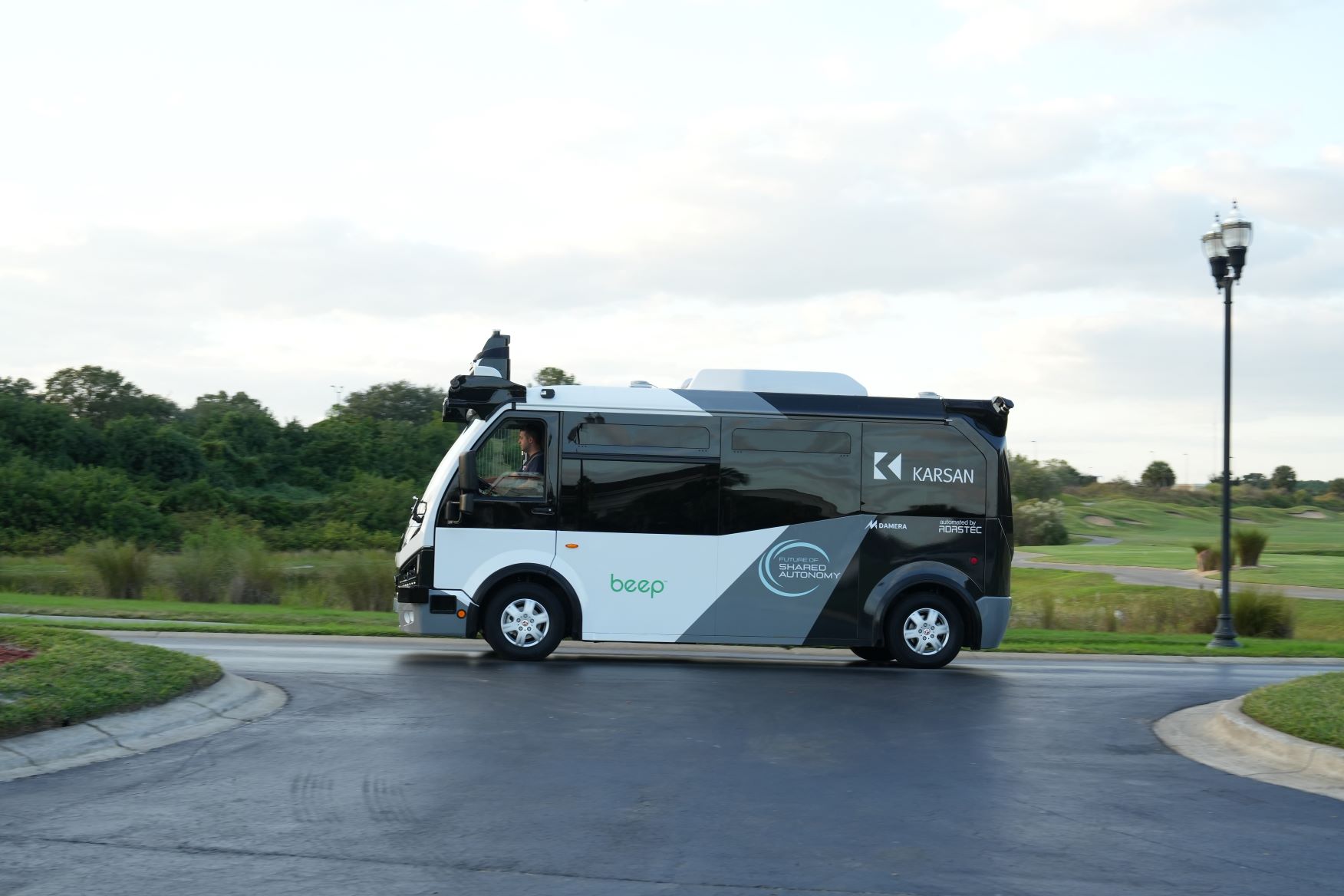
Built on the proven eJEST platform and automated by ADASTEC, this Level-4 autonomous minibus brings reliable, safe, and fully accessible automated transit to real-world routes.


Chargers

All Chargers
Explore all charging options on one page
Services
TUV Level 3
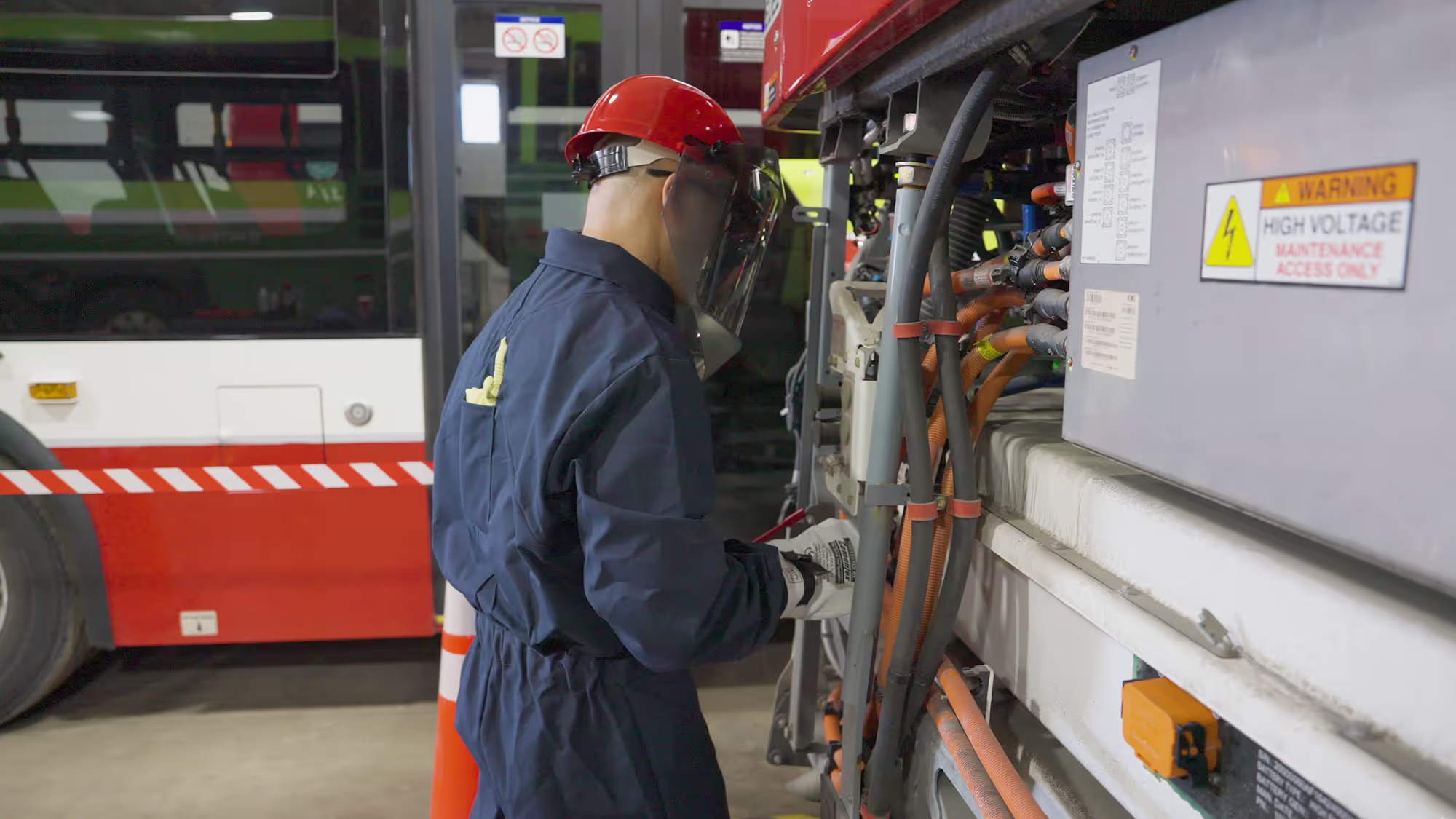
High Voltage Training

Work safely and effectively with high-voltage systems

Charger Installation
Contributes to the seamless integration of electric vehicles

Electrical Engineering
Get your skills in electrical engineering tailored to the transit industry
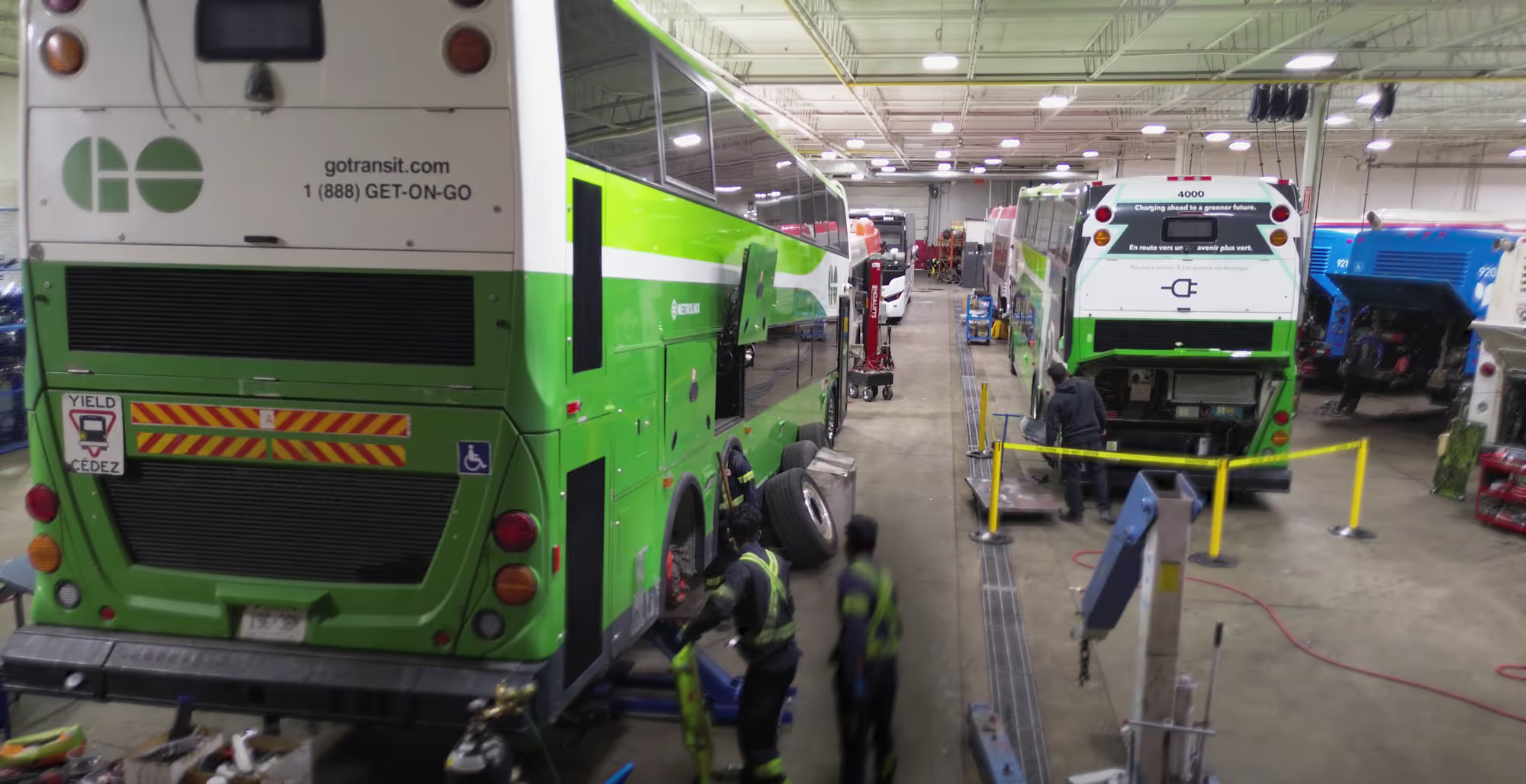
Bus Service (MBCT)
Comprehensive bus service ensuring reliable maintenance, repairs, and safety compliance.
MICROTRANSIT

Paratransit Buses
Learn more about our paratransit vehicles and how we’re improving mobility for people with disabilities and underserved riders.

Micromobility Buses
Discover how our buses support both paratransit needs and provide efficient service in low-ridership areas.

Minibuses for Campuses
Learn how modern electric minibuses create smoother, safer, and more convenient transportation for students and staff.

.svg)
There is no previous post
Previous Post
Next Post
There is no next post
Lessons from an Award-Winning Transit Strategy: Building Smarter, More Accessible Mobility
No items found.
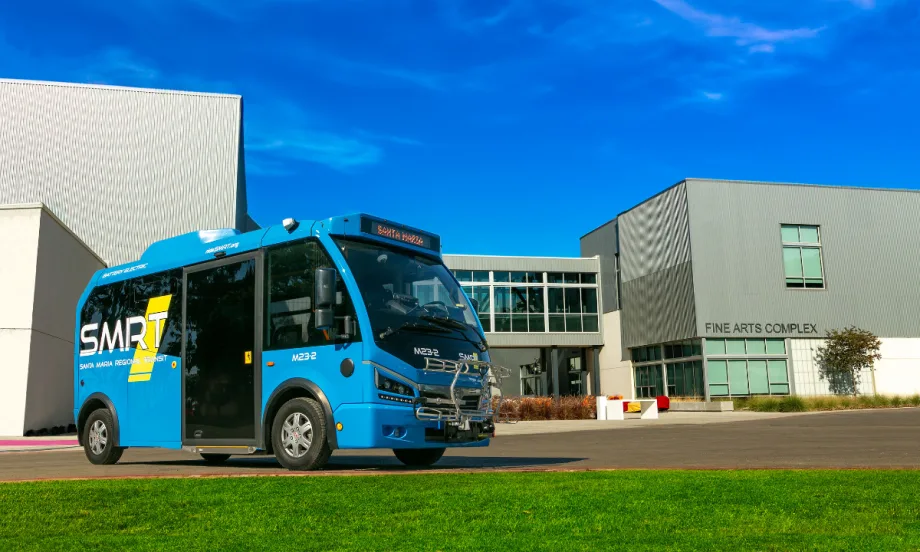
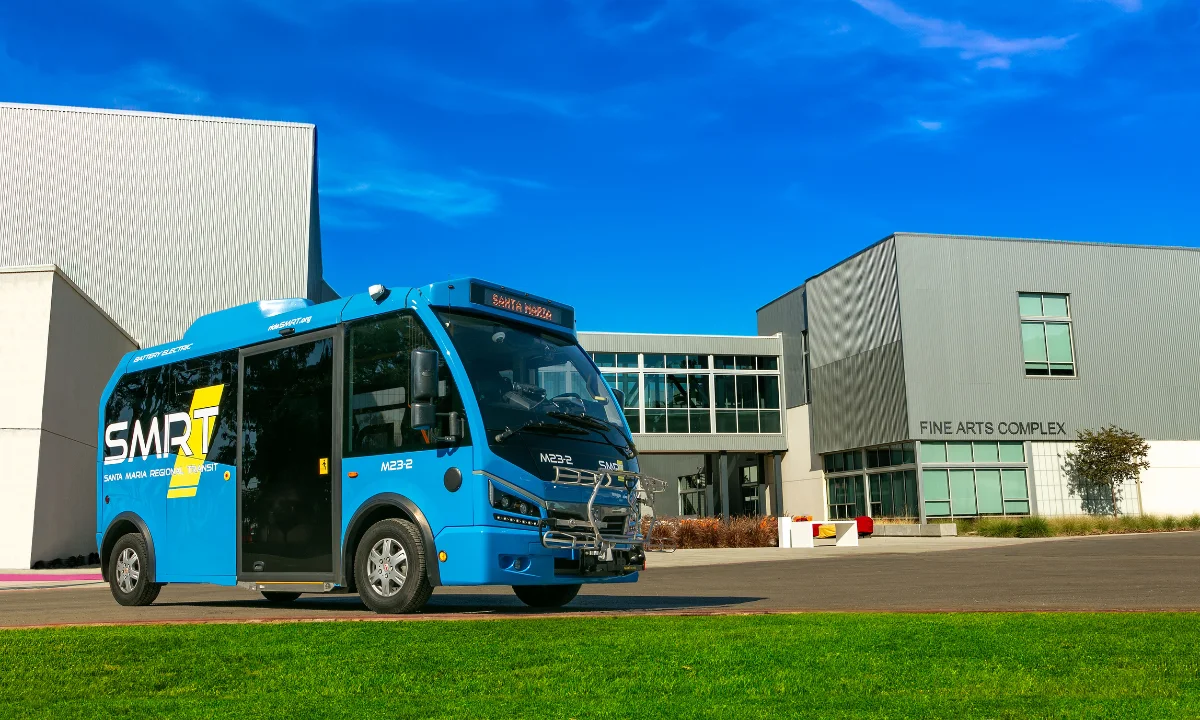
There is always value in learning from transit agencies whose work has earned industry recognition. Awards provide an opportunity to look beyond the achievement itself and understand the decisions, leadership, and operating philosophy that produced the results. Santa Maria Regional Transit (SMRT), recipient of the Community Transportation Association of America’s (CTAA) Large Transportation System of the Year Award, offers an especially relevant example for Damera because 14 fully electric Karsan eJEST minibuses, distributed in North America by Damera Corporation, are part of the agency’s evolving mobility network.
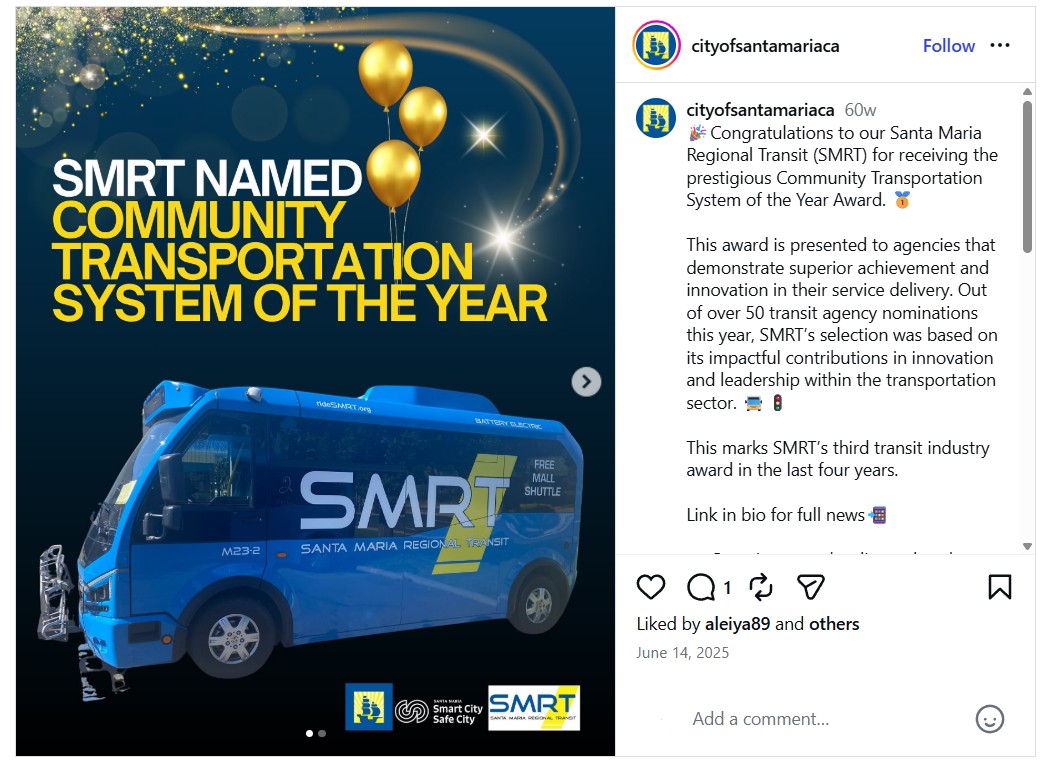
What makes the story worth examining, however, goes beyond the vehicles. SMRT demonstrates how an agency can connect leadership, technology, accessibility, data, and right-sized mobility around a clear understanding of how its community needs to move. Its experience is a reminder that meaningful transit innovation is not determined by the size of an agency, but by how intentionally it identifies mobility gaps, evaluates new solutions, and continues improving the rider experience.
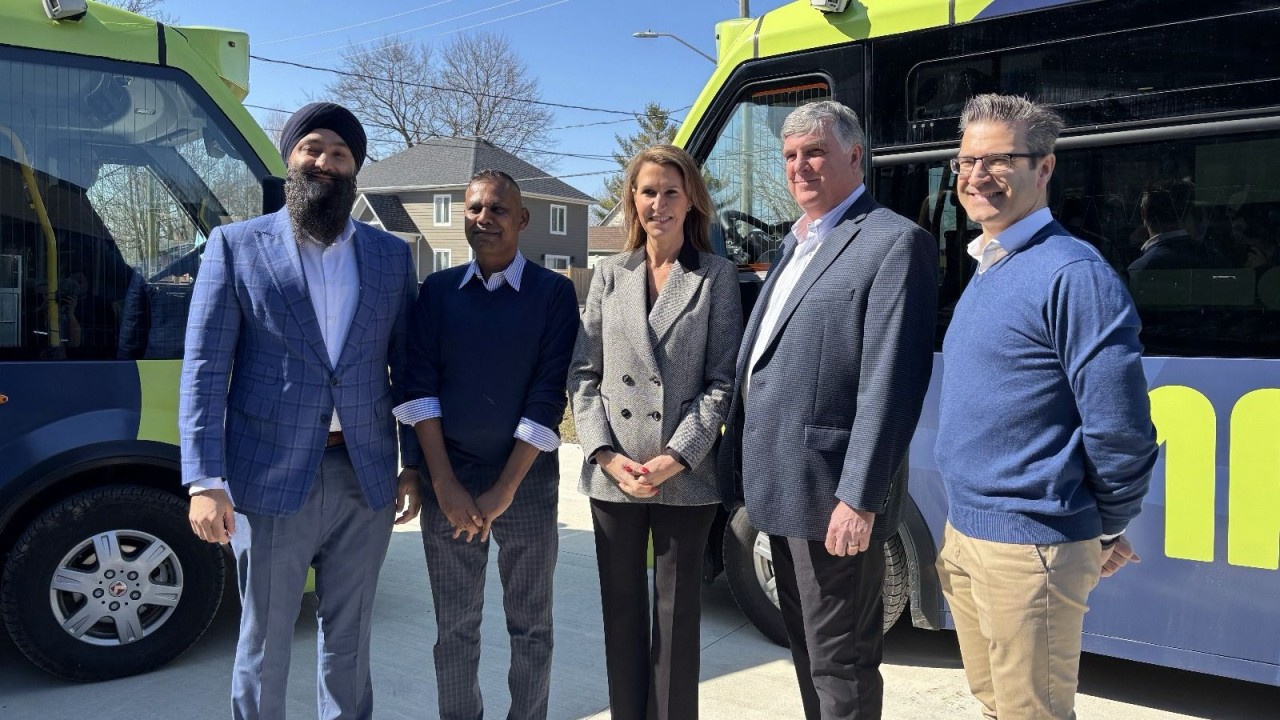
As Gamaliel Anguiano, Transit Services Manager for the City of Santa Maria, told Metro Magazine:
“Despite universal challenges, we are committed to ‘leaving no stone unturned’ to enhance the transit riding experience.”
This perspective helps explain why SMRT’s experience is worth studying. Innovation does not require unlimited resources; it requires a willingness to continually examine where service can work better and where new approaches can create meaningful value for riders.
The CTAA recognition reinforced that direction. As Anguiano reflected:
“When our small team heard that our significant efforts to enhance public transit in Santa Maria and throughout northern Santa Barbara County were being recognized with the CTAA award, we felt a tremendous amount of validation of our efforts, along with motivation to keep on going.”
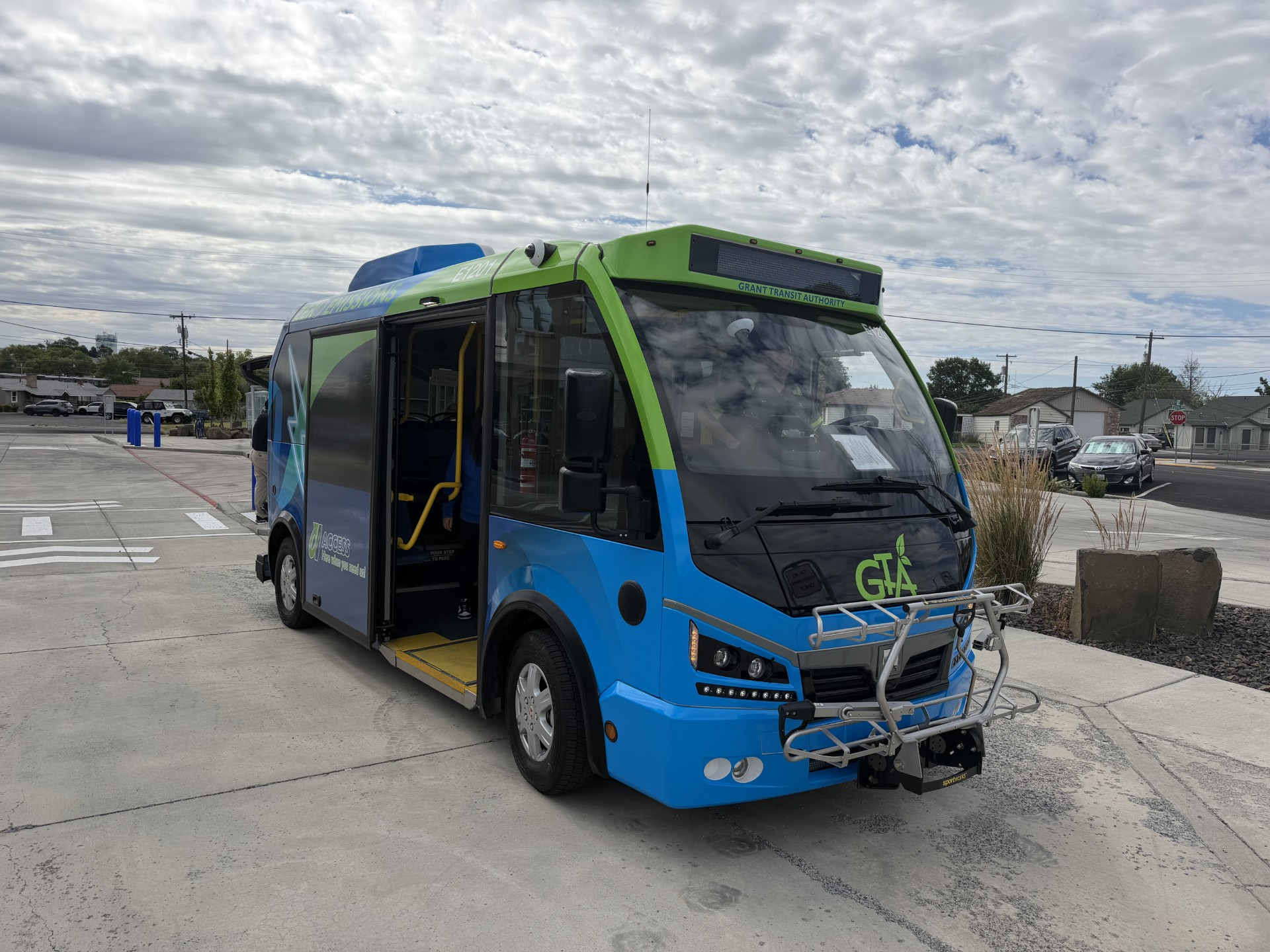
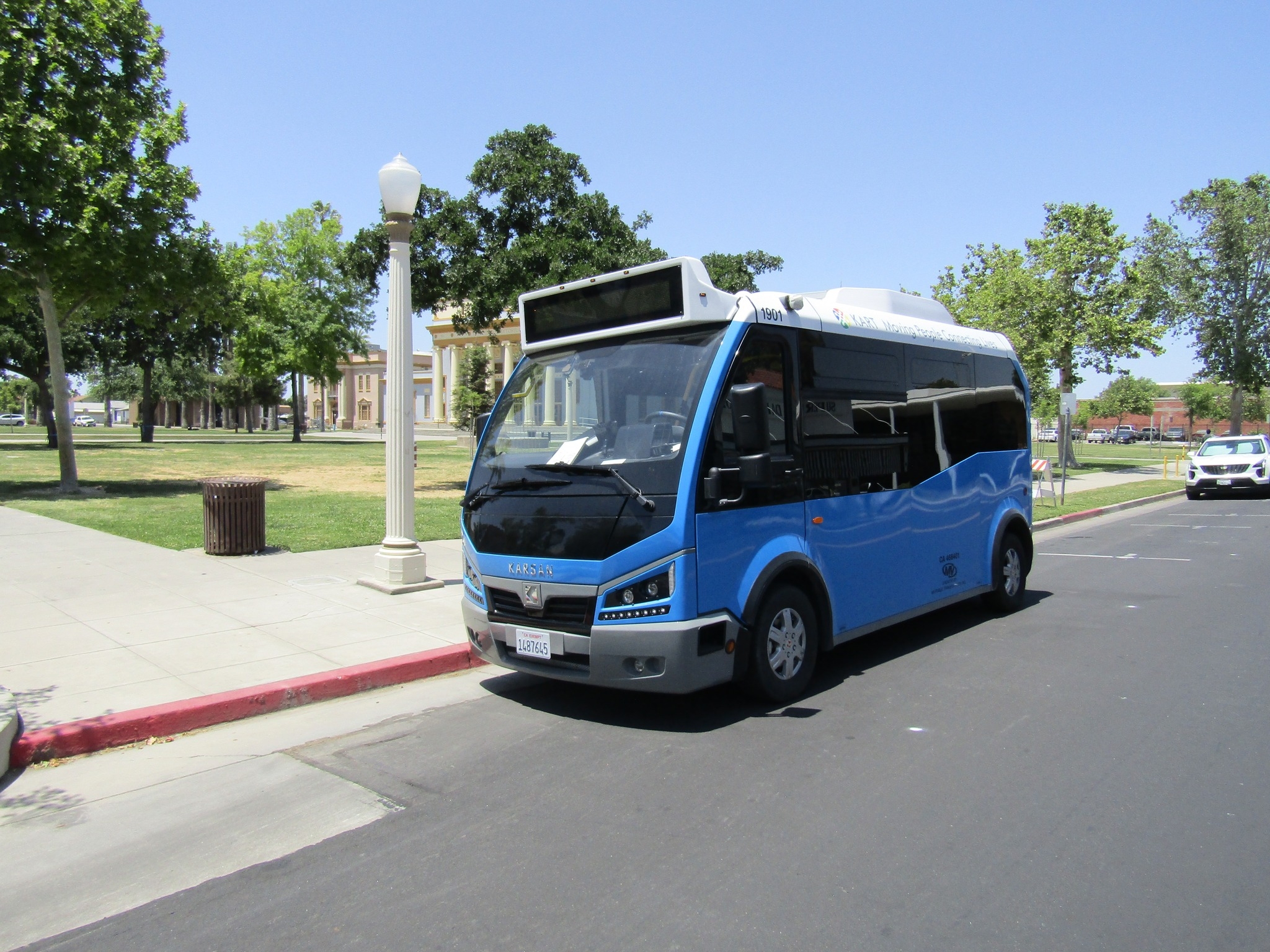
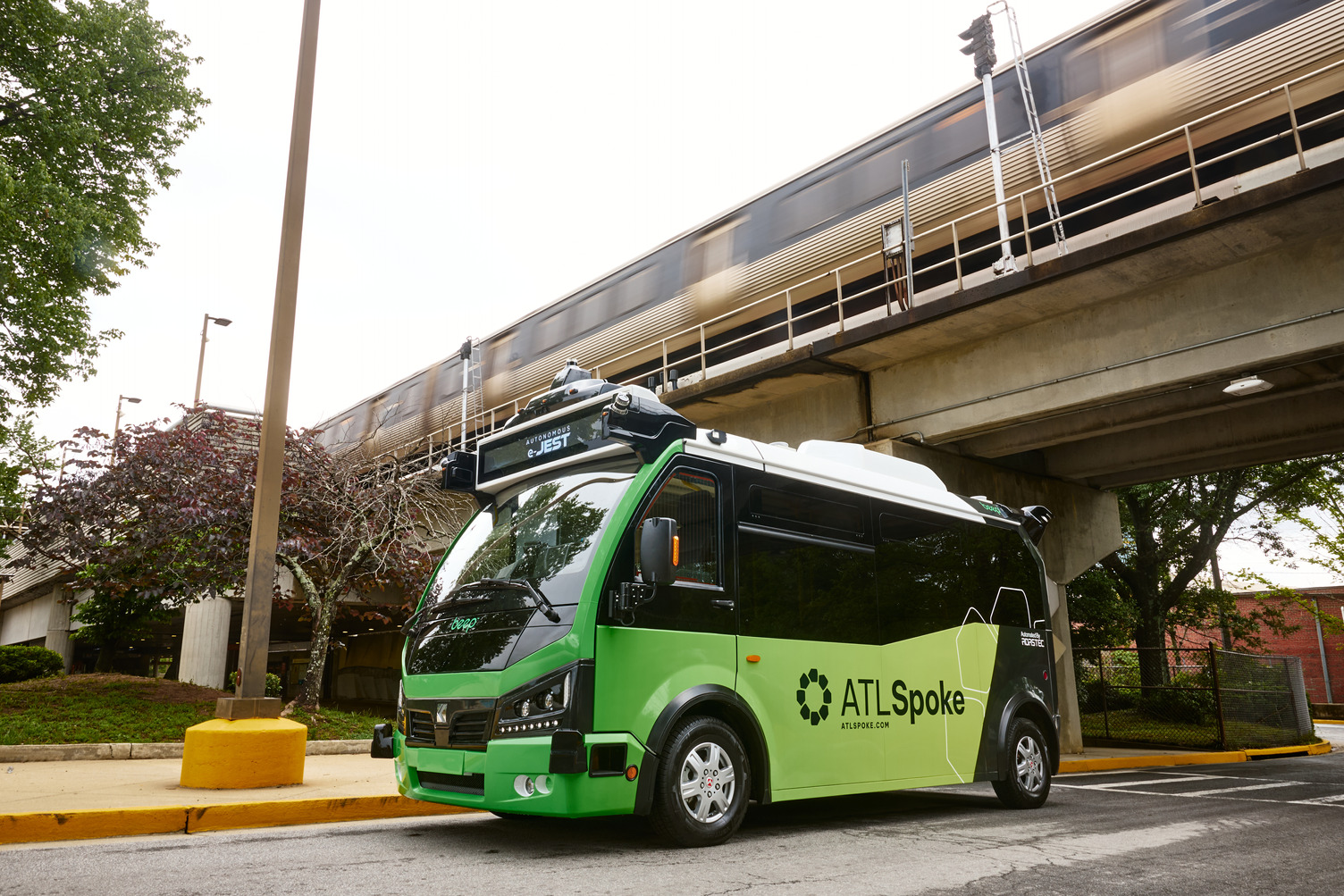
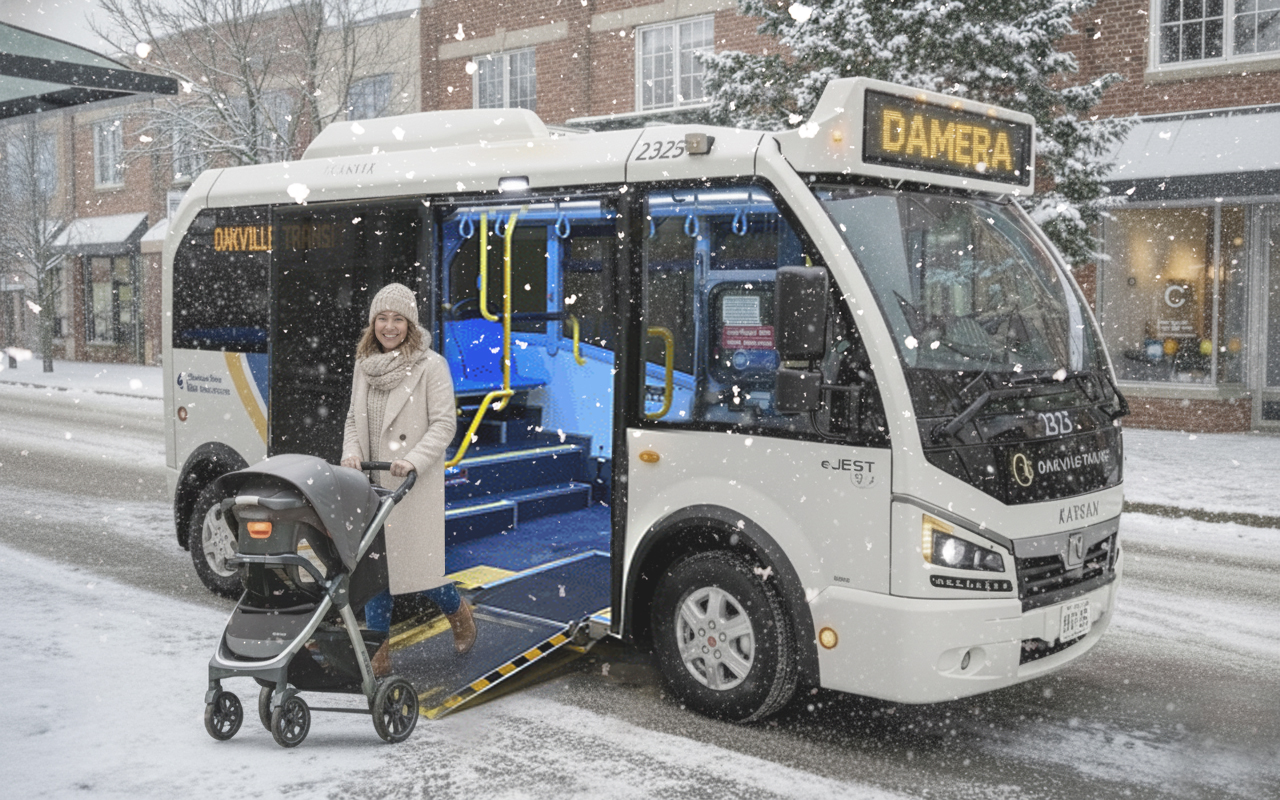
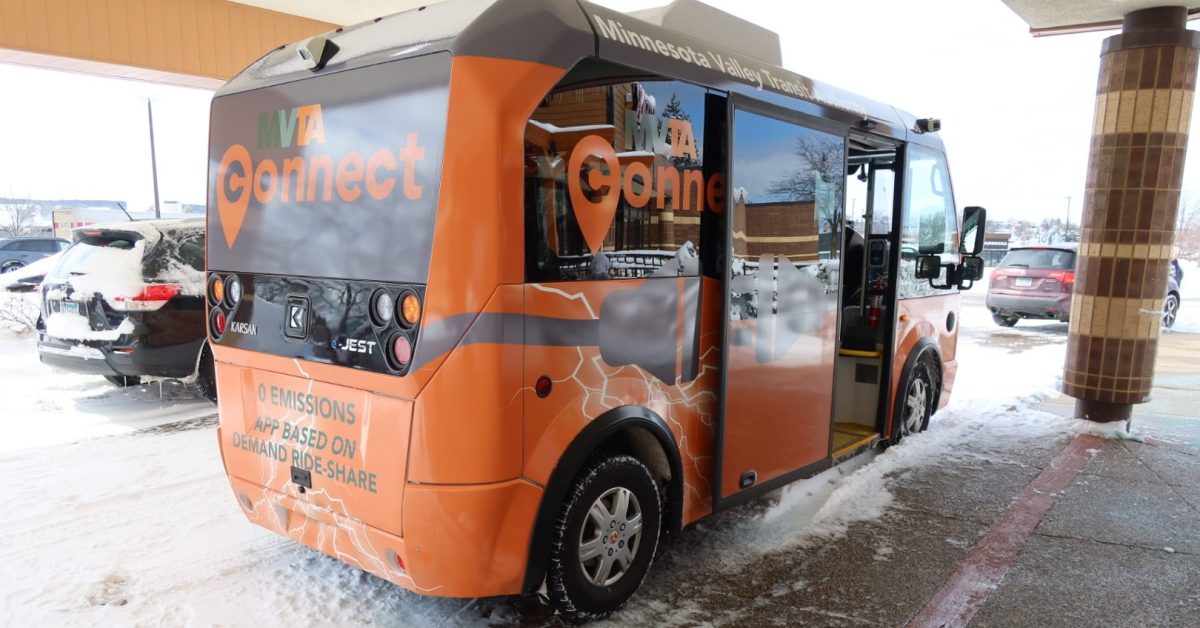
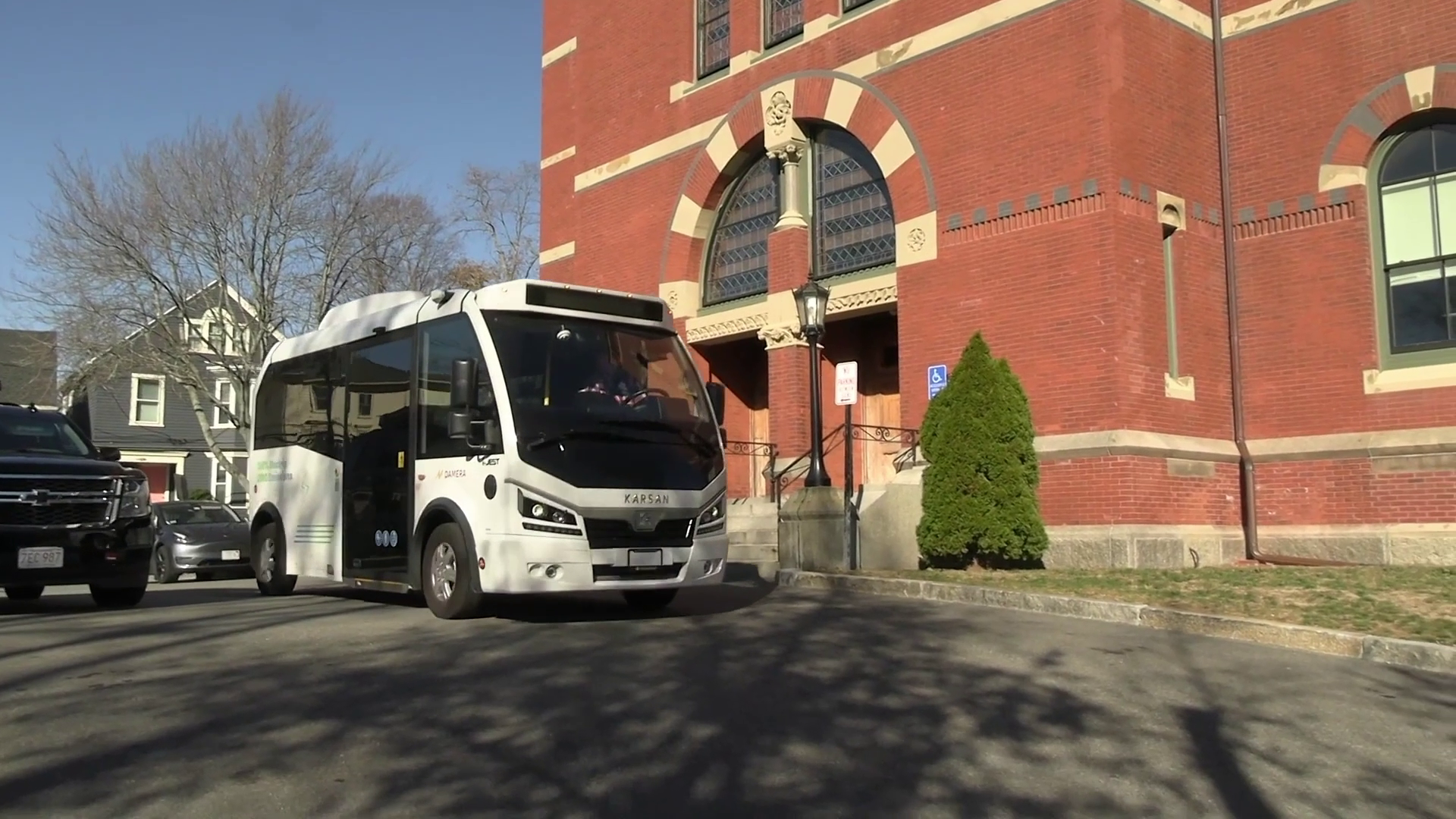
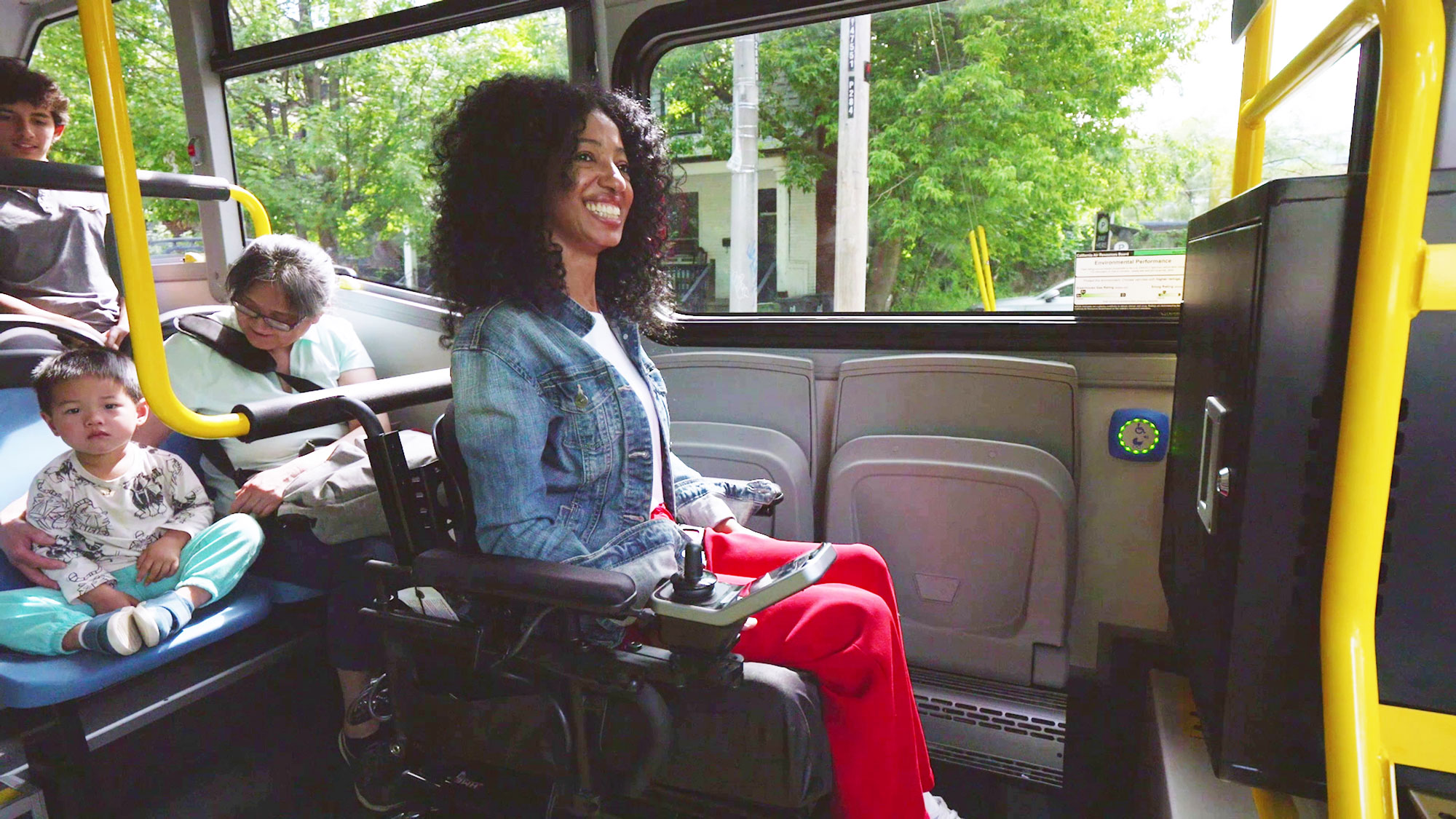
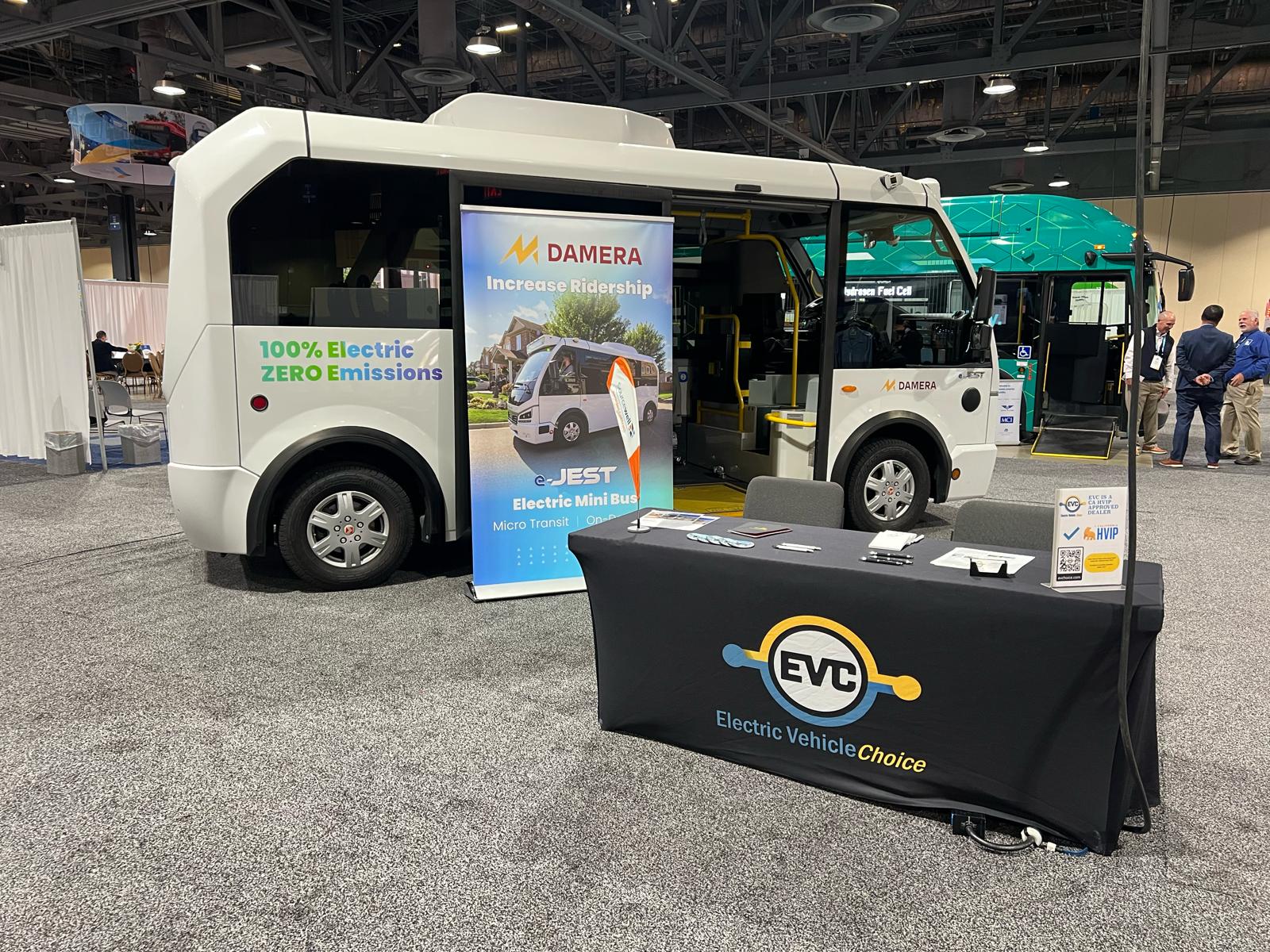
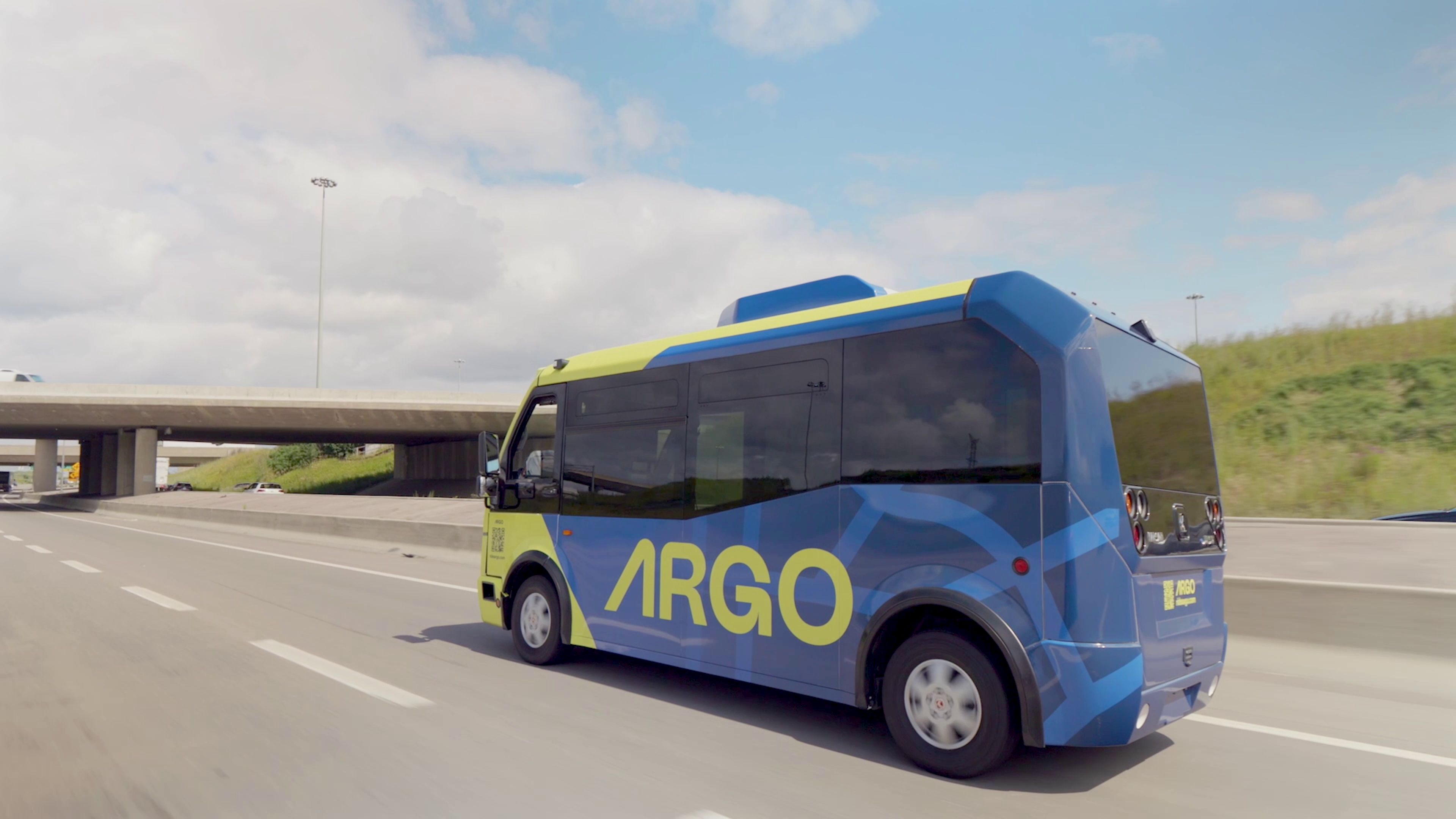
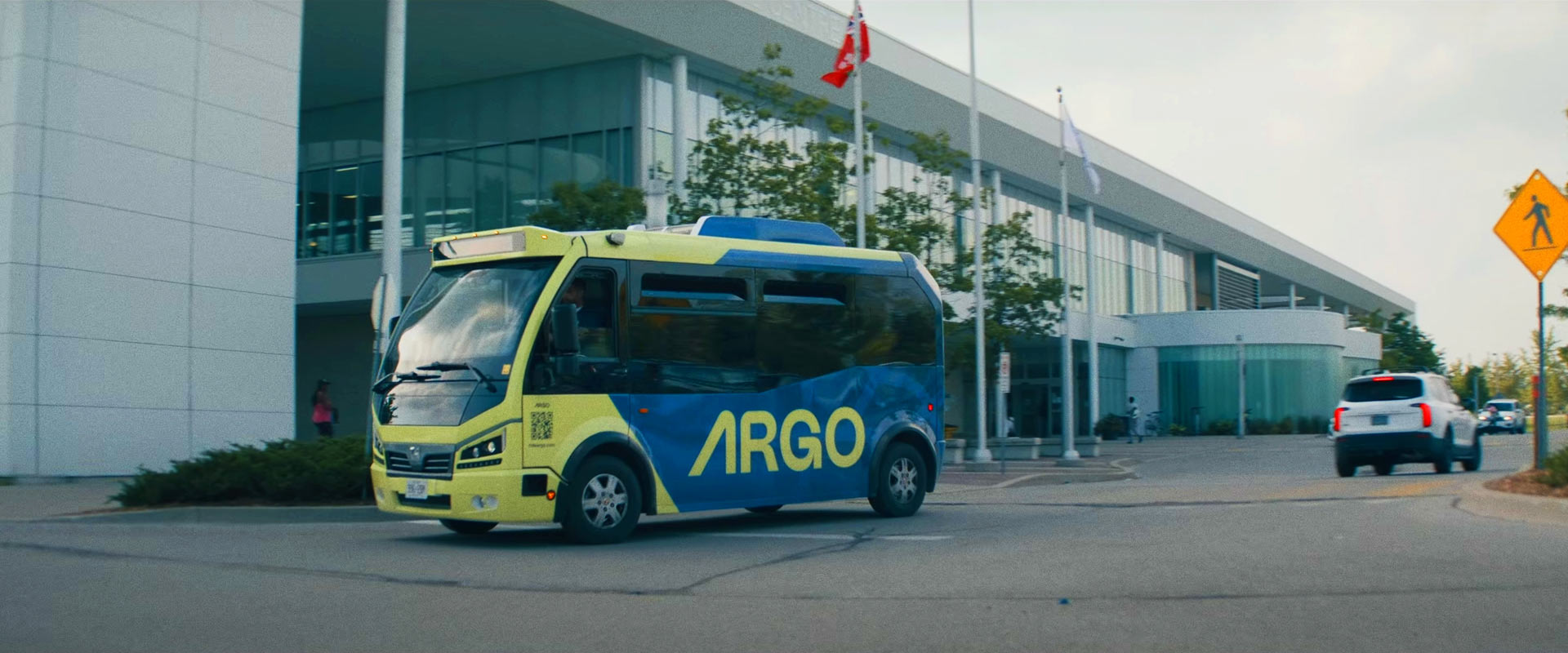
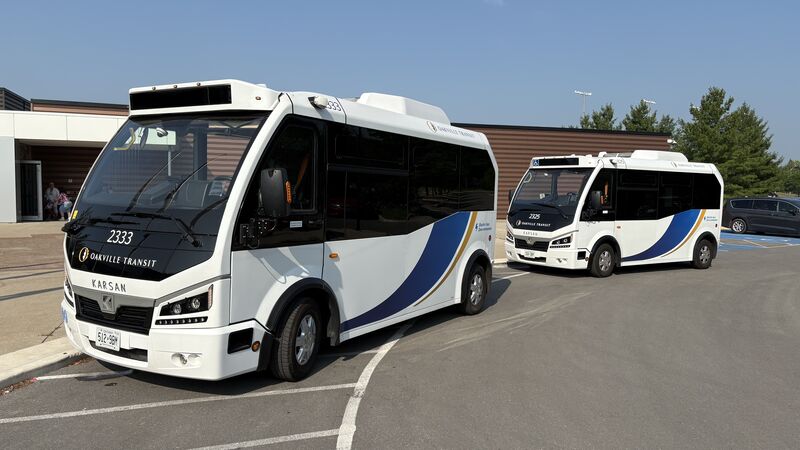
A right-sized, accessible, low-floor vehicle such as the Karsan eJEST can give agencies greater flexibility across different service applications—from microtransit and paratransit to community routes and mainline feeder services. Its compact size and maneuverability support operations where larger buses may be less practical, while its modern design and car-like feel create a different passenger experience that can naturally attract attention and encourage people to try transit. Damera has seen this potential reflected in real-world deployments, where the introduction of the eJEST has been associated with increased ridership. This versatility gives agencies another tool for expanding mobility while adapting service to the specific needs of their communities.
Turning Transit Data Into Better Decisions
Another lesson from SMRT's approach is the role information plays in shaping service. As transit networks become more connected, agencies have access to an increasingly detailed picture of how passengers use the system and how vehicles perform in daily operation. The opportunity is to turn that information into decisions that improve service.
Gamaliel Anguiano described the relationship between professional judgment and technology this way:
"Transit planning has often been half art, half science. Technology provides the science to show our public and our leadership why certain decisions need to be made."
.jpg)
This is an important distinction. Data does not replace the experience of transit professionals—it gives them additional evidence to understand performance, recognize patterns, test assumptions, and support future planning.
Information can come from across the transit ecosystem: vehicle location and dispatch systems, passenger counts, fare collection, service performance, maintenance records, and increasingly, the vehicles themselves.
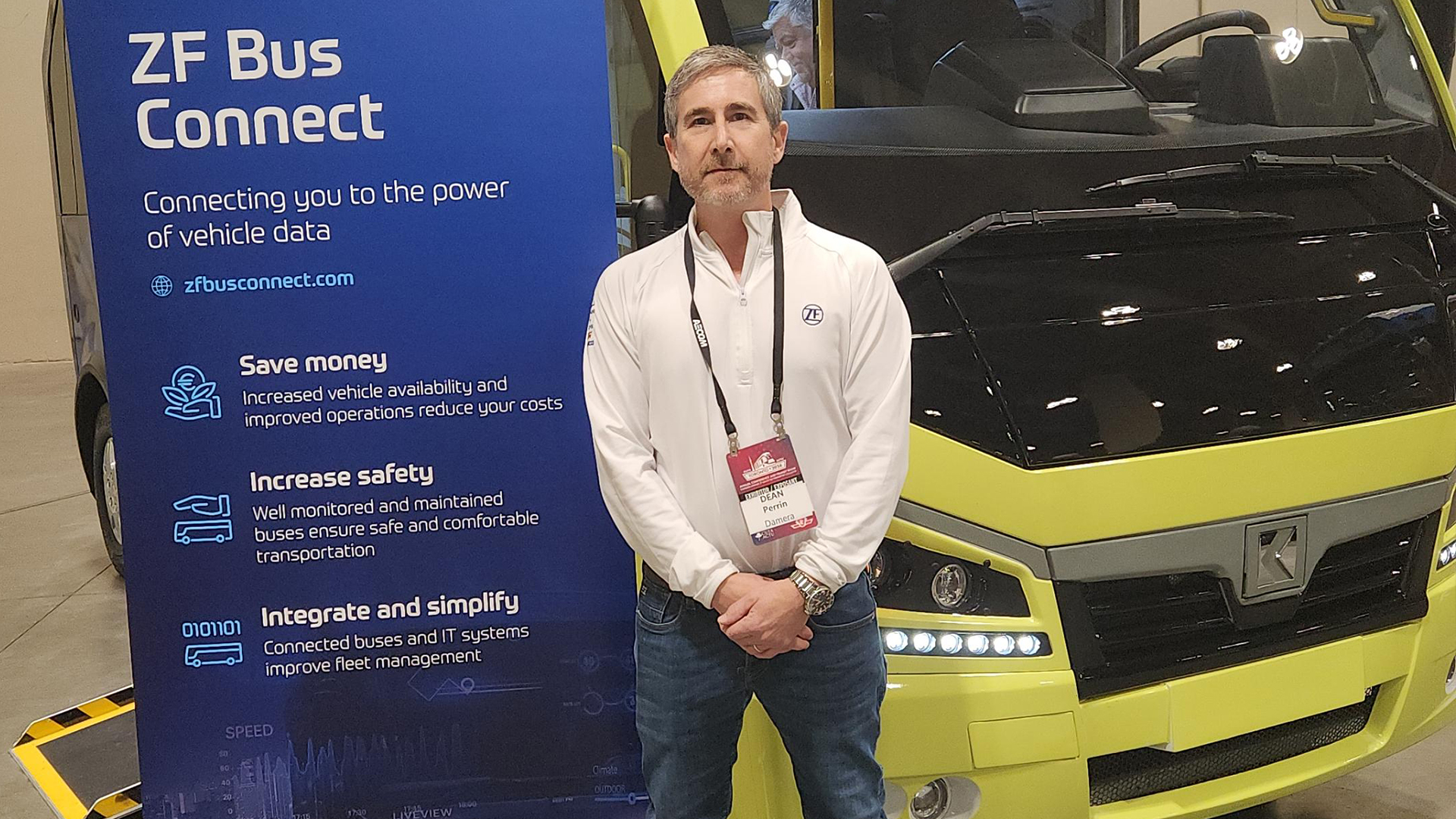
The Karsan eJEST, for example, comes equipped with ZF Bus Connect, giving agencies access to connected vehicle information such as location, battery condition, diagnostics, maintenance notifications, and operating data. For maintenance and fleet teams, this visibility can support earlier identification of vehicle needs, more proactive maintenance planning, and better management of vehicle availability.
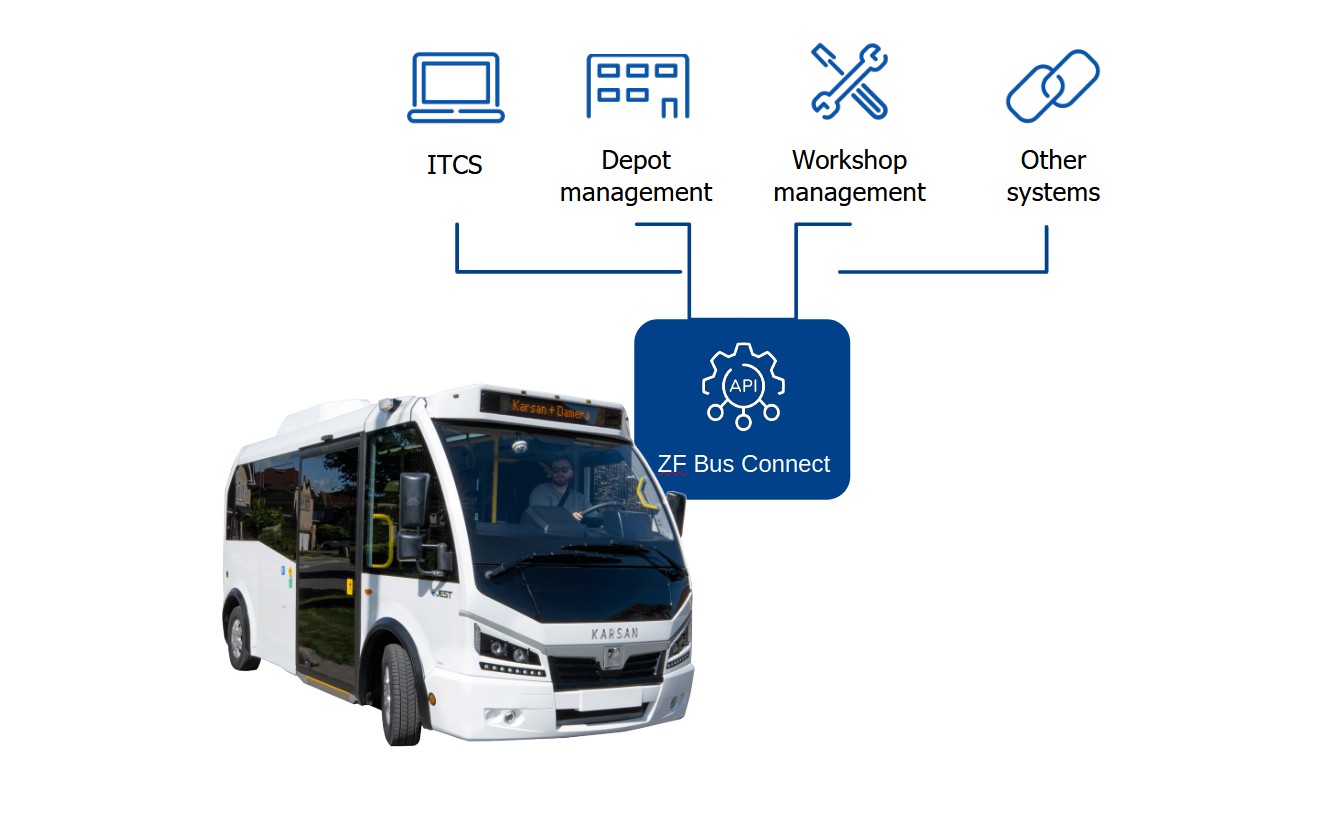
The greater opportunity comes from looking at these information sources together. Ridership data can help explain how the service is being used, while vehicle and operational data show how effectively the fleet is delivering it. Connecting those perspectives gives transit professionals stronger evidence for decisions about schedules, fleet utilization, maintenance, service adjustments, and future investments.
For agencies moving toward more sophisticated and zero-emission fleets, this capability becomes increasingly valuable. A modern transit vehicle is no longer only a transportation asset—it can also become a source of information that helps an agency understand, manage, and continuously improve its operations.
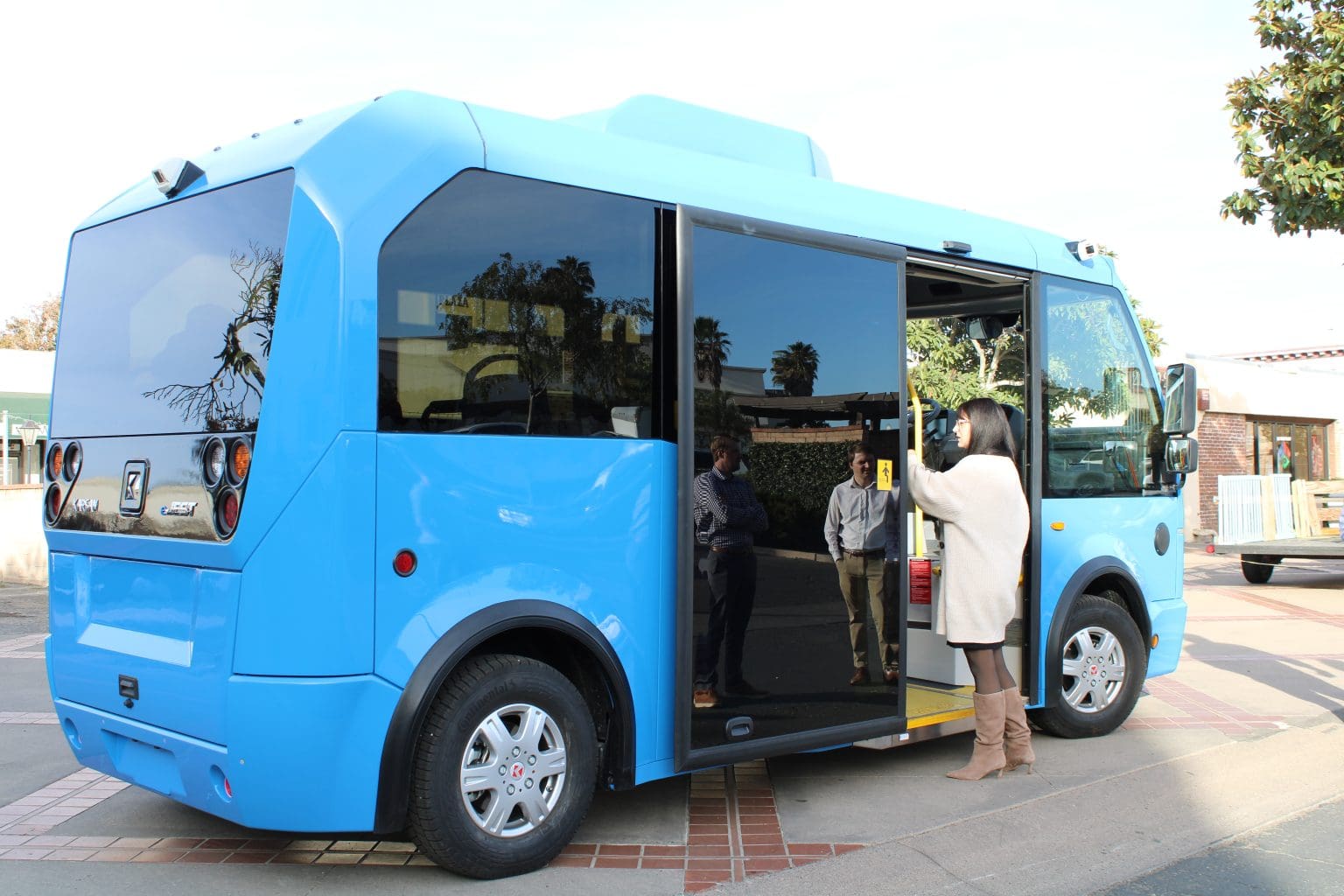
SMRT’s experience shows that successful zero-emission transit goes beyond vehicle electrification. Leadership, data, accessibility, right-sized vehicles, and a clear understanding of community mobility needs all work together to build better transit.
At Damera Corporation, we help agencies explore where right-sized electric mobility can strengthen their networks. Connect with our team to discover how the Karsan eJEST can support your transit strategy.










.jpeg)









.jpeg)


.jpg)


.svg)