


.svg.avif)




-p-500-p-500.avif)








EV Buses

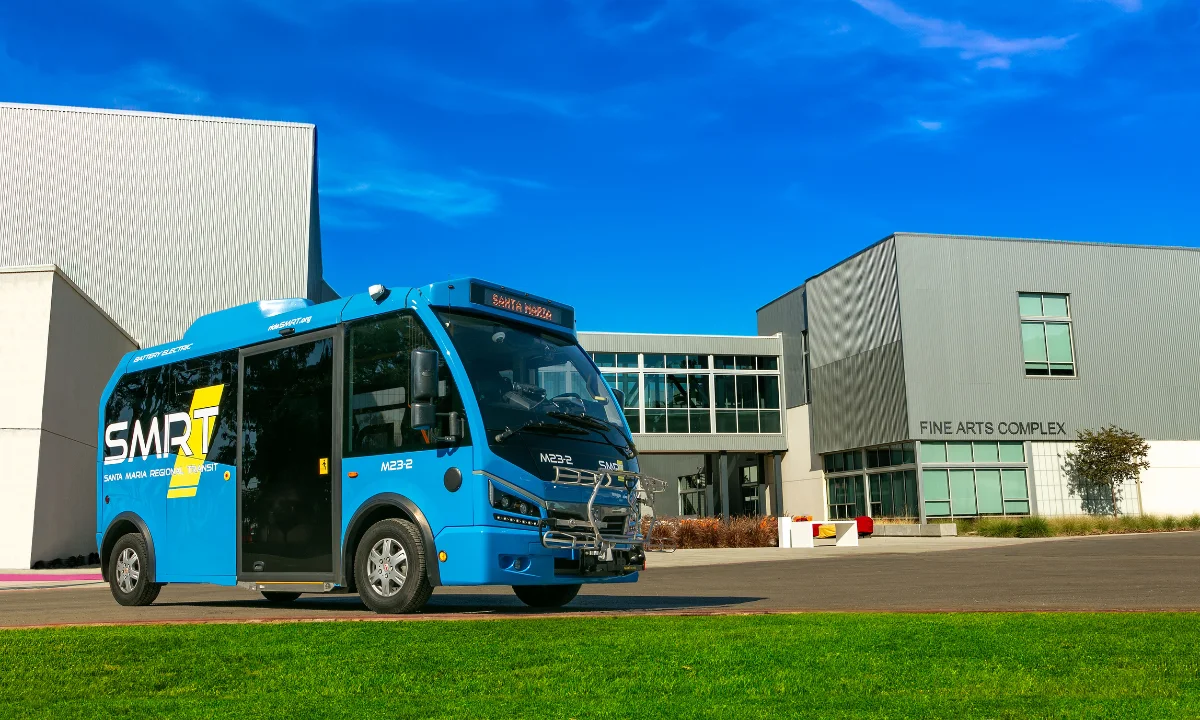
A quiet, efficient, fully accessible electric minibus. The eJEST delivers exceptional maneuverability, low operating costs, and smooth passenger experience.
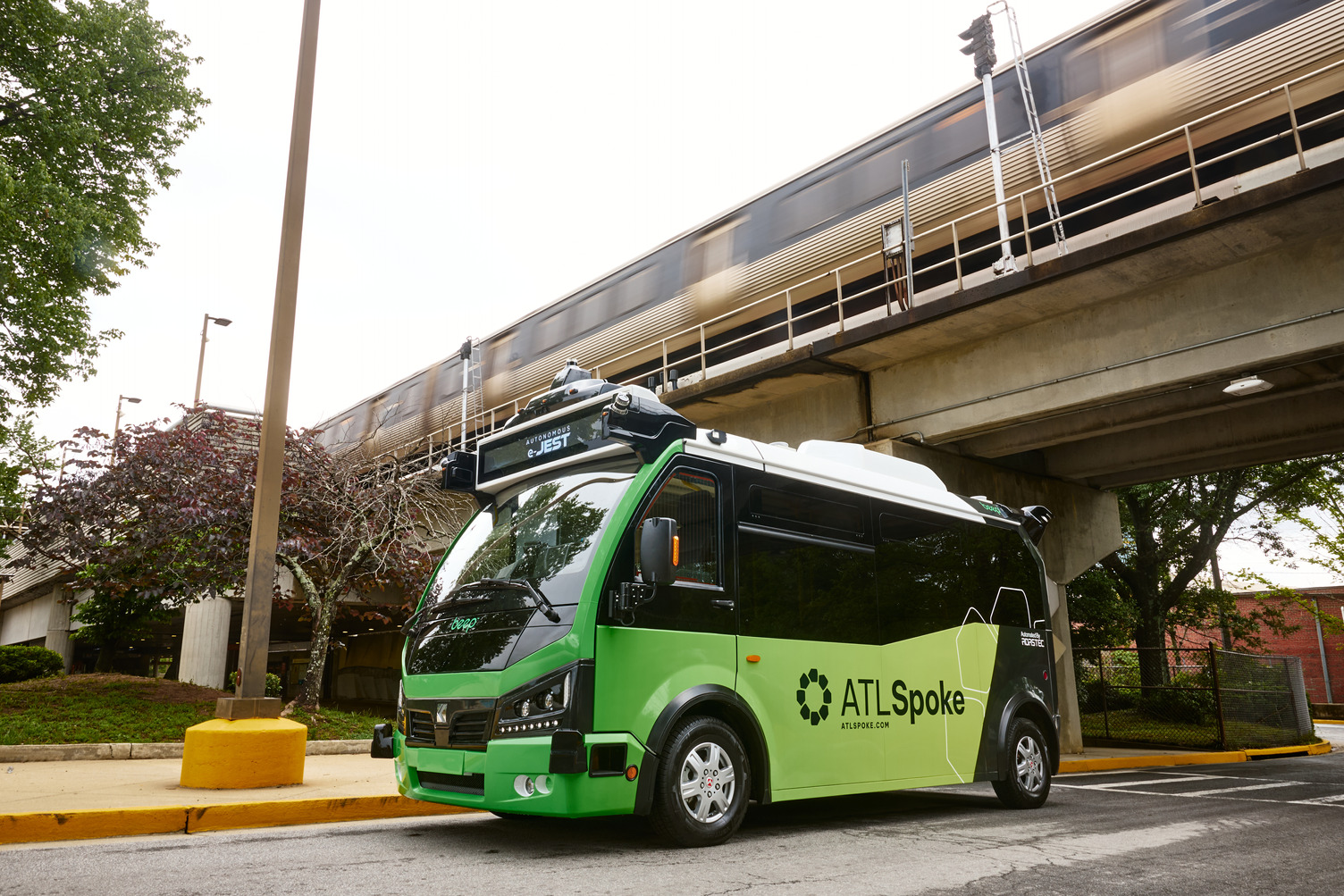
Built on the proven eJEST platform and automated by ADASTEC, this Level-4 autonomous minibus brings reliable, safe, and fully accessible automated transit to real-world routes.


Chargers

All Chargers
Explore all charging options on one page
Services
TUV Level 3
High Voltage Training

Work safely and effectively with high-voltage systems

Charger Installation
Contributes to the seamless integration of electric vehicles

Electrical Engineering
Get your skills in electrical engineering tailored to the transit industry
Bus Service (MBCT)
Comprehensive bus service ensuring reliable maintenance, repairs, and safety compliance.
MICROTRANSIT

Paratransit Buses
Learn more about our paratransit vehicles and how we’re improving mobility for people with disabilities and underserved riders.

Micromobility Buses
Discover how our buses support both paratransit needs and provide efficient service in low-ridership areas.

Minibuses for Campuses
Learn how modern electric minibuses create smoother, safer, and more convenient transportation for students and staff.

.svg)
There is no previous post
Previous Post
Next Post
There is no next post
Right-Sized Electric Transit: What Saint John’s FLEX Service Reveals About Ridership, Costs, and Modern Transit Strategy
No items found.
Right-Sized Electric Transit: What Saint John’s FLEX Service Reveals About Ridership, Costs, and Modern Transit Strategy
Transit agencies across North America face a shared challenge: how to maintain strong service levels while managing costs and meeting environmental goals.
Electrification is part of the answer — but vehicle size and service design often determine whether the transition actually works in practice.
A growing number of transit systems are discovering that right-sized electric minibuses can improve service efficiency, particularly in lower-density corridors and flexible service zones where large buses are often underutilized.
The experience of Saint John Transit in New Brunswick offers an instructive example.
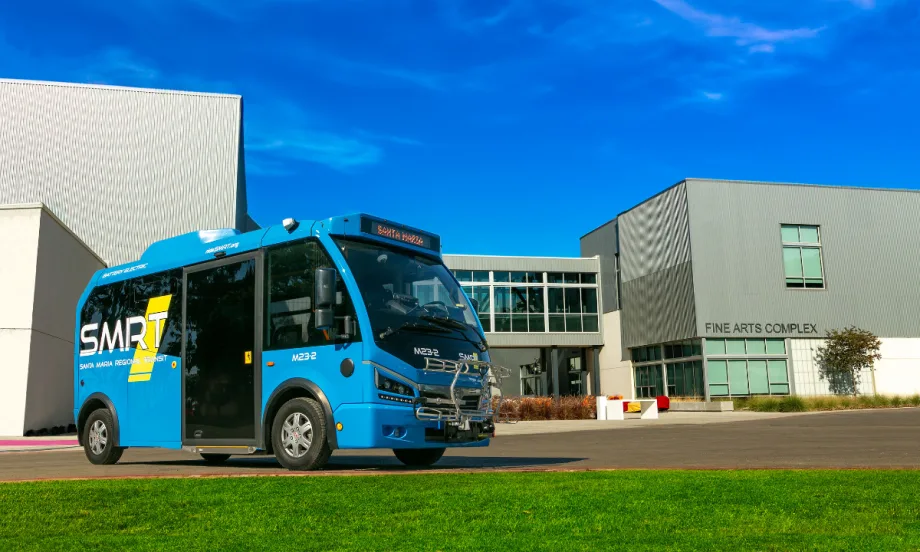
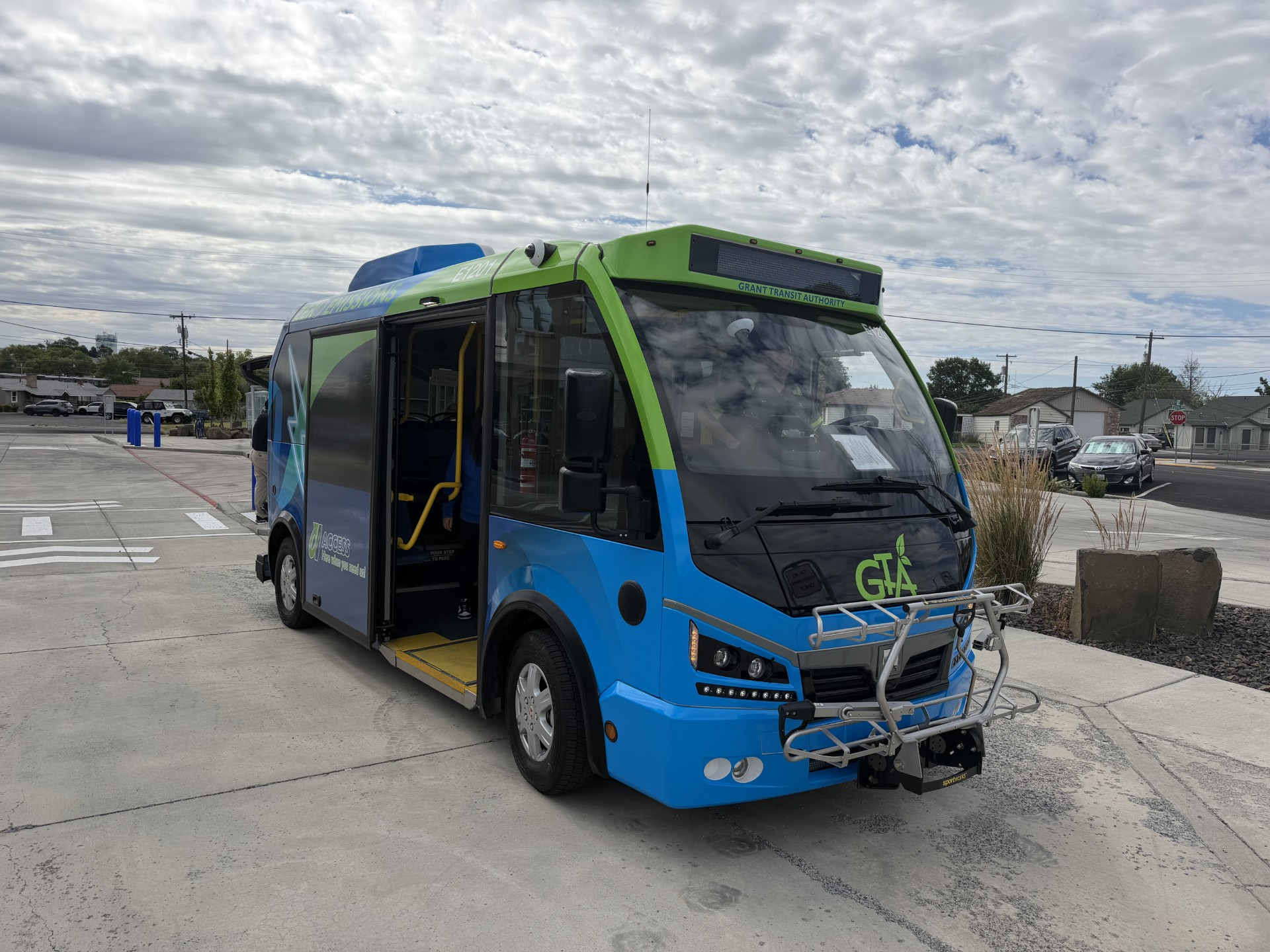
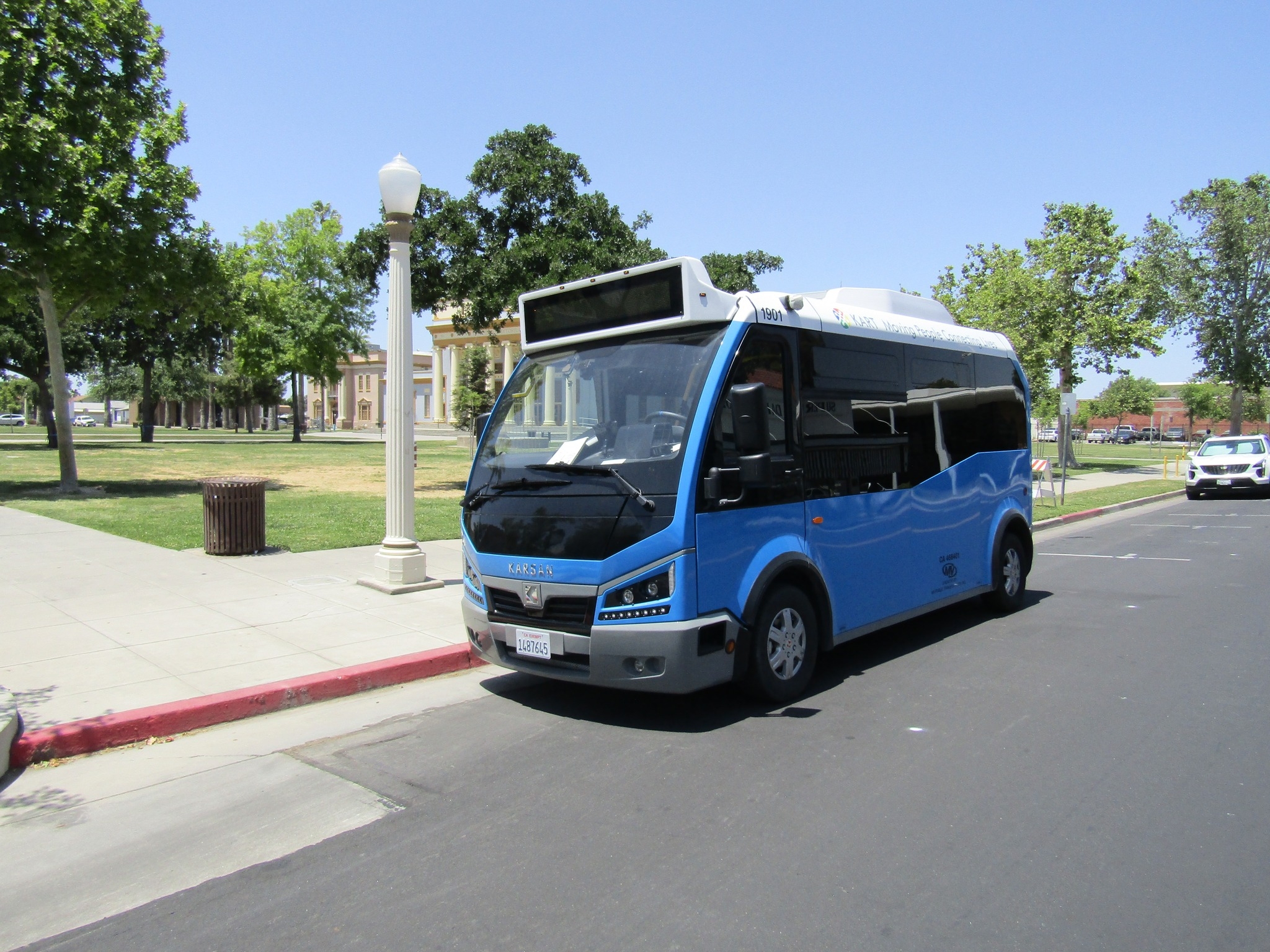
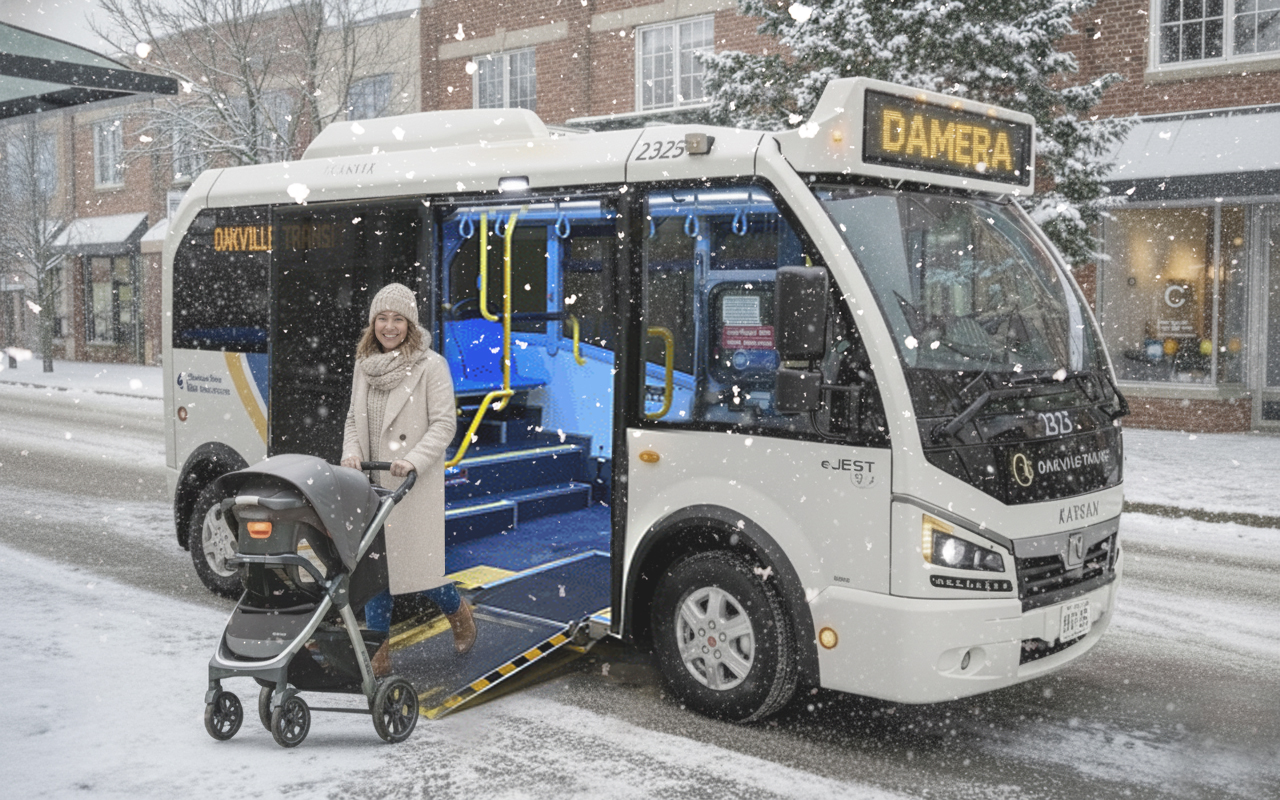
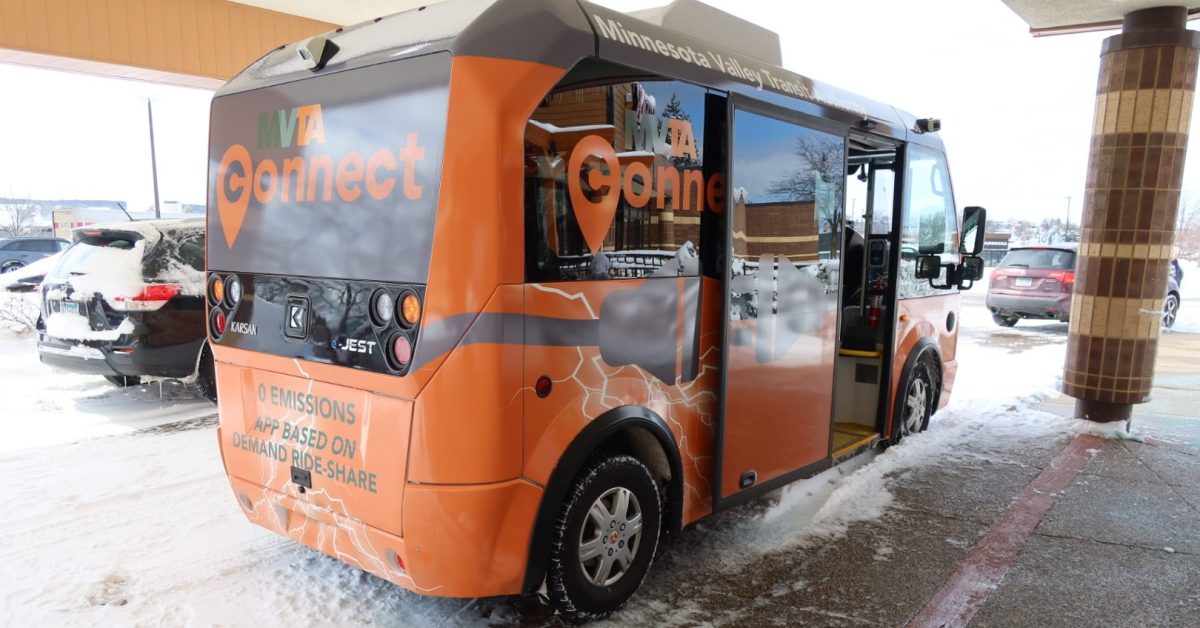
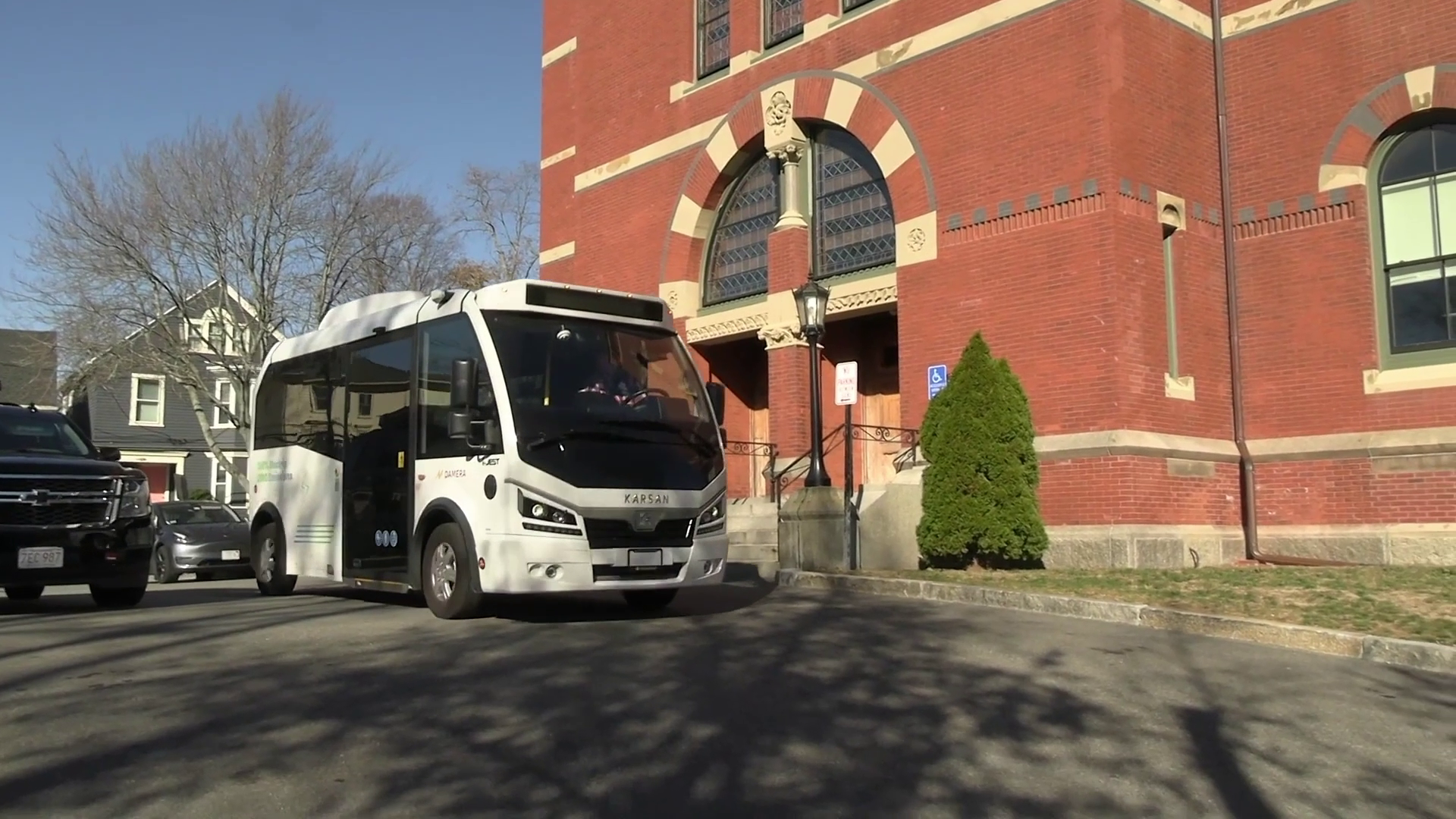
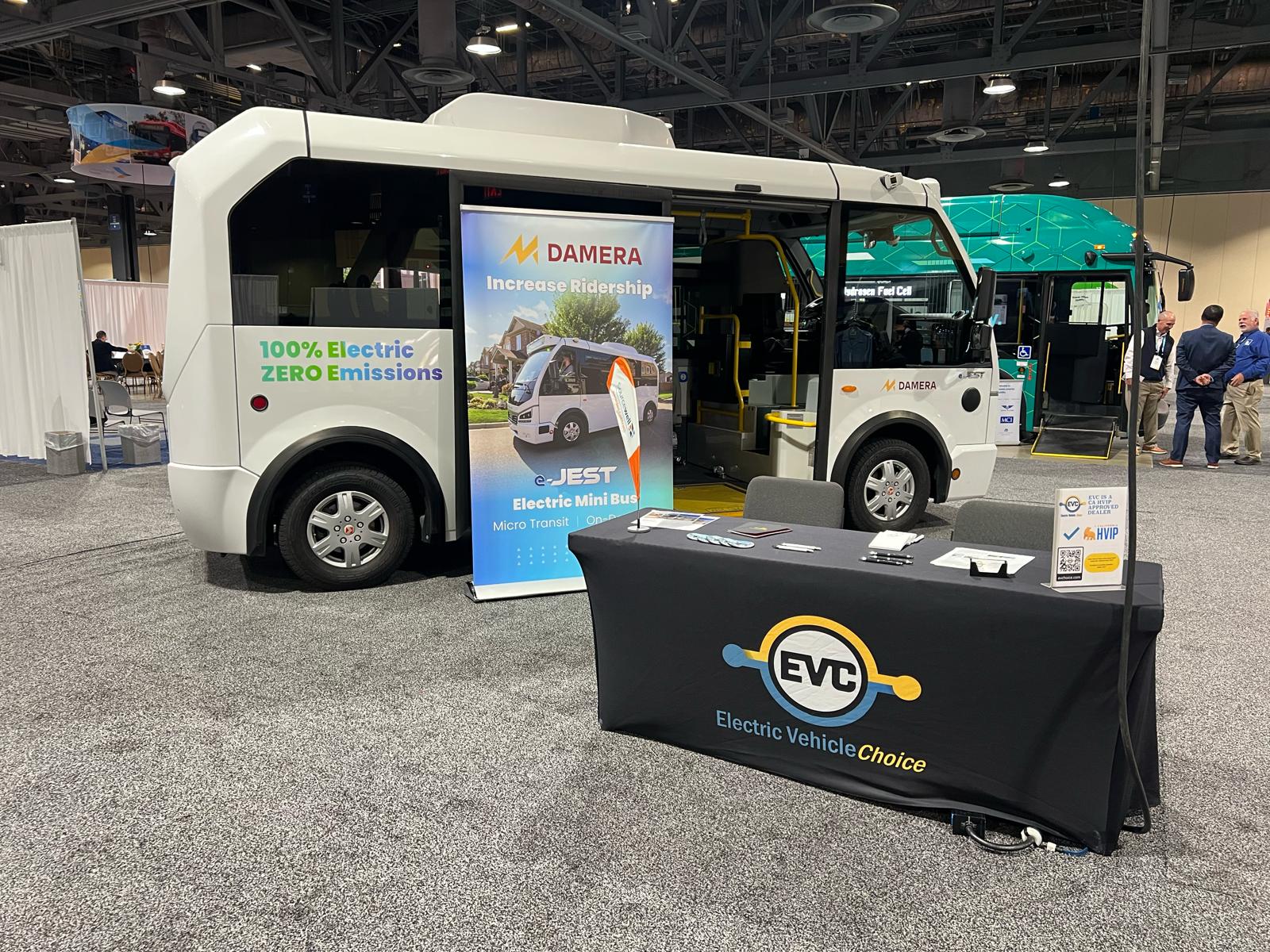
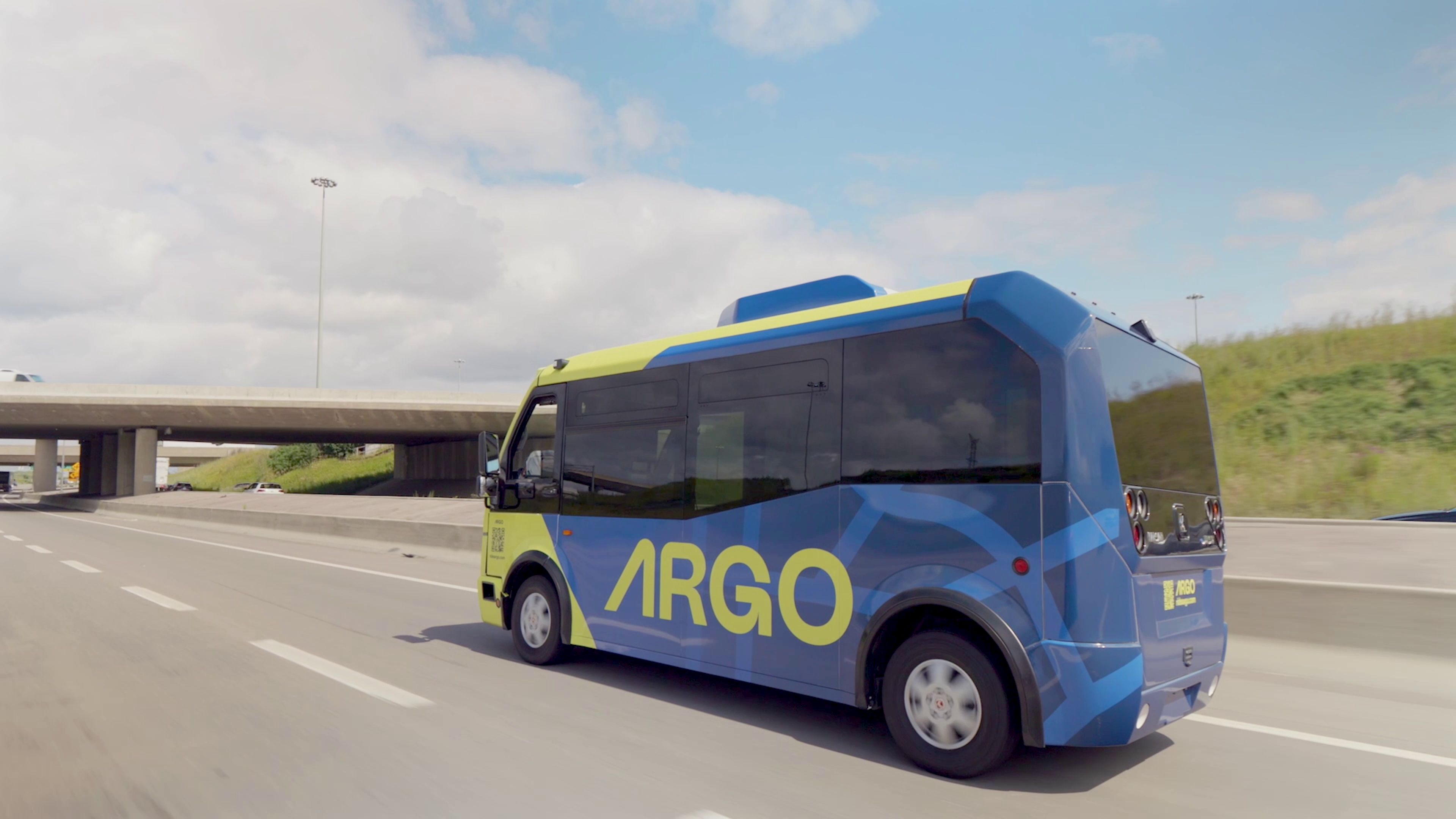
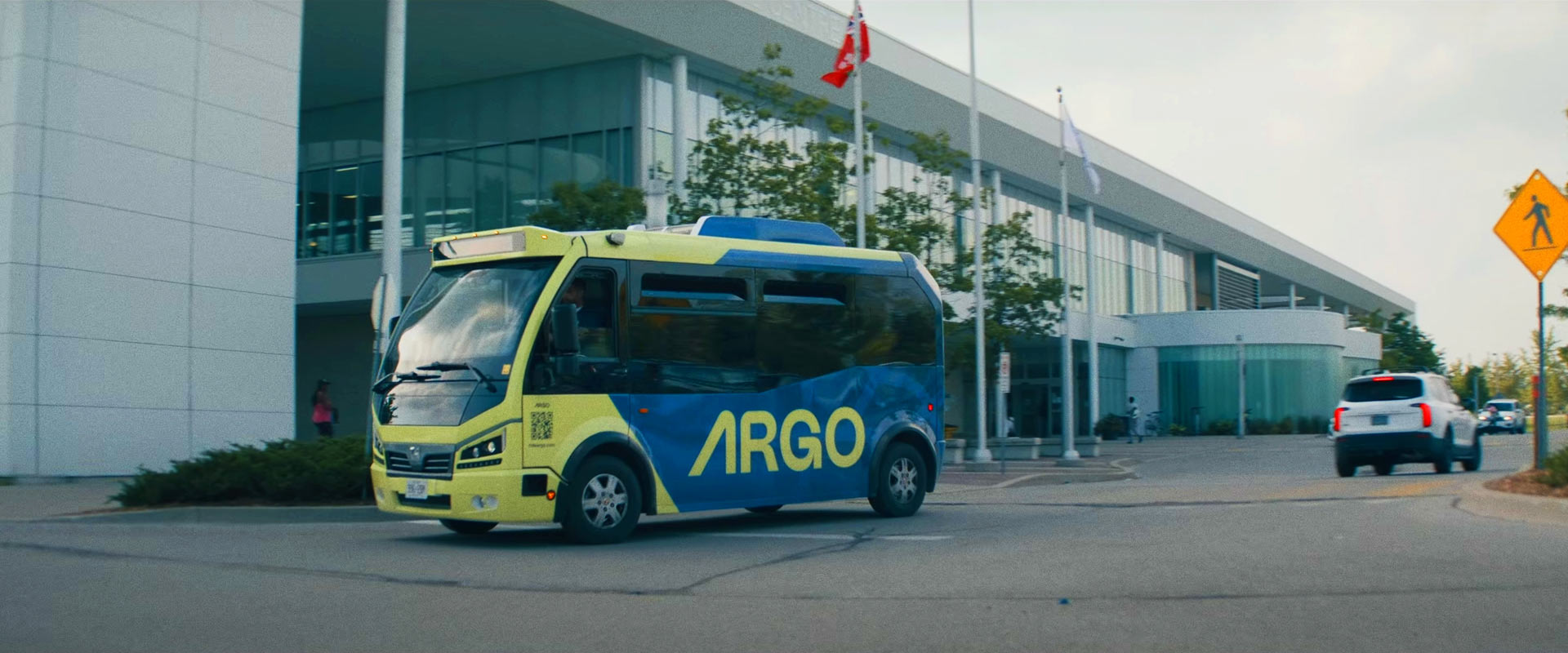
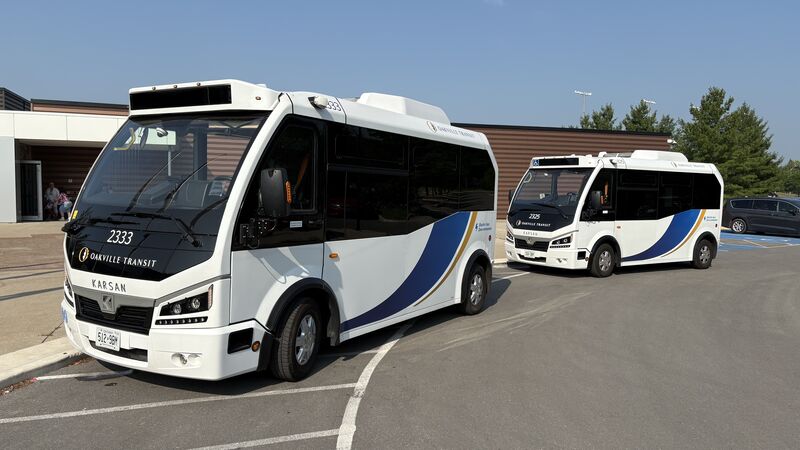
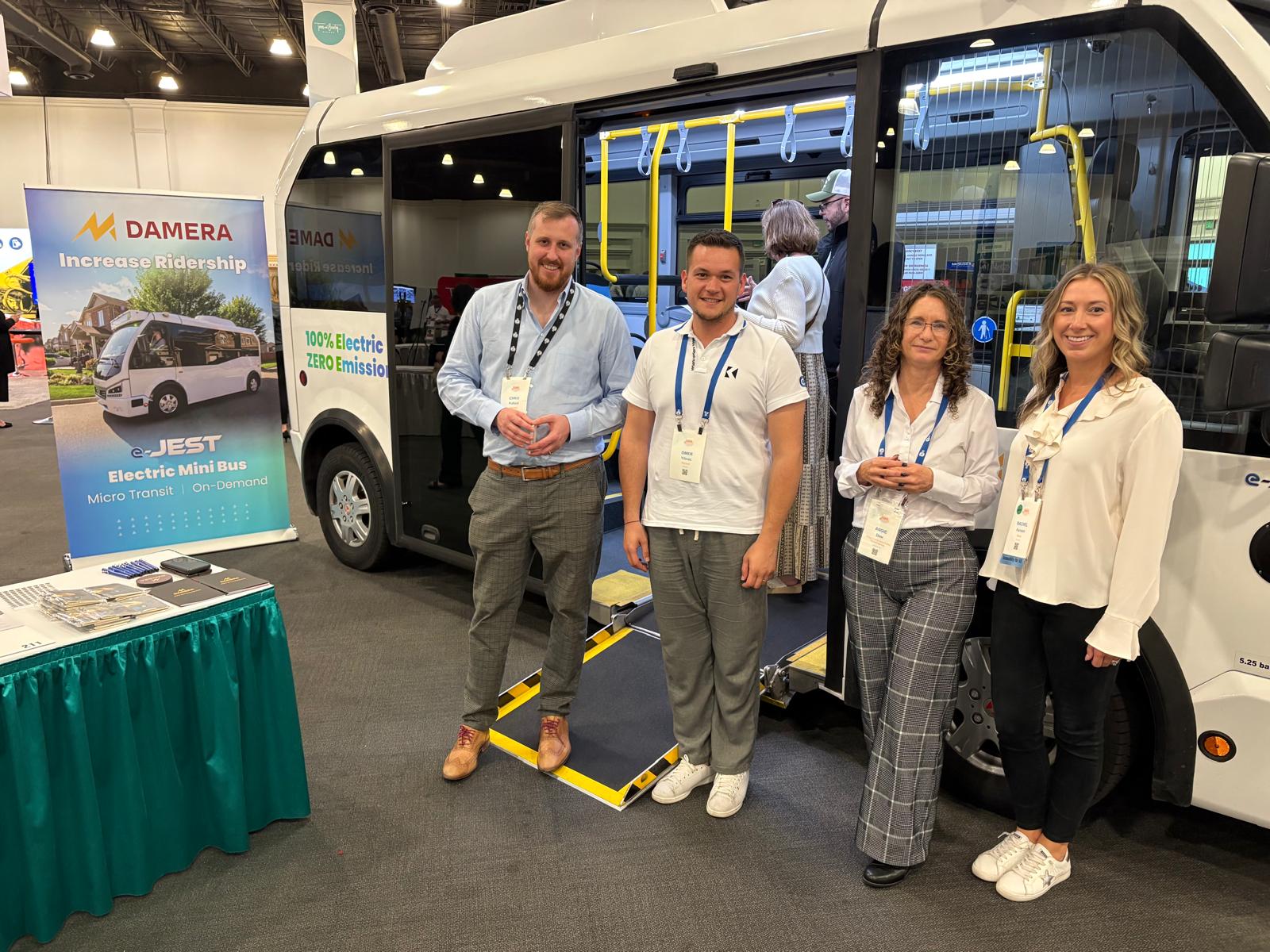
The city introduced On-Demand FLEX service using Karsan eJEST electric minibuses supplied by Damera, combining a flexible service model with vehicles designed specifically for smaller-scale transit operations.
For transit professionals evaluating fleet strategies, Saint John’s results highlight an important principle:
Matching the vehicle to the service can influence ridership, operating efficiency, and financial sustainability.
A Flexible Approach to Modern Transit
Saint John launched its Transforming Transit initiative in 2022 with several clear objectives:
• Ensure long-term operational sustainability
• Improve service quality for existing riders
• Attract new users to public transit
• Align operations with evolving industry standards
As part of this initiative, the agency introduced FLEX on-demand service zones, allowing riders to request trips within a defined service area rather than relying solely on fixed routes.
This approach reflects a broader industry trend. Many transit agencies are exploring demand-responsive service models that better match travel patterns in suburban, small-city, and lower-density environments.
Instead of operating large buses with low passenger loads, agencies can deploy smaller vehicles more efficiently within flexible service zones.
Why Vehicle Size Matters
While service design plays a major role in ridership outcomes, vehicle choice can significantly affect how effectively these services operate.
The Karsan eJEST electric minibus was designed specifically for transit environments that require maneuverability, accessibility, and operational efficiency.
Key characteristics that support flexible transit service include:
• Fully electric propulsion, supporting zero-emission mobility and improved urban air quality
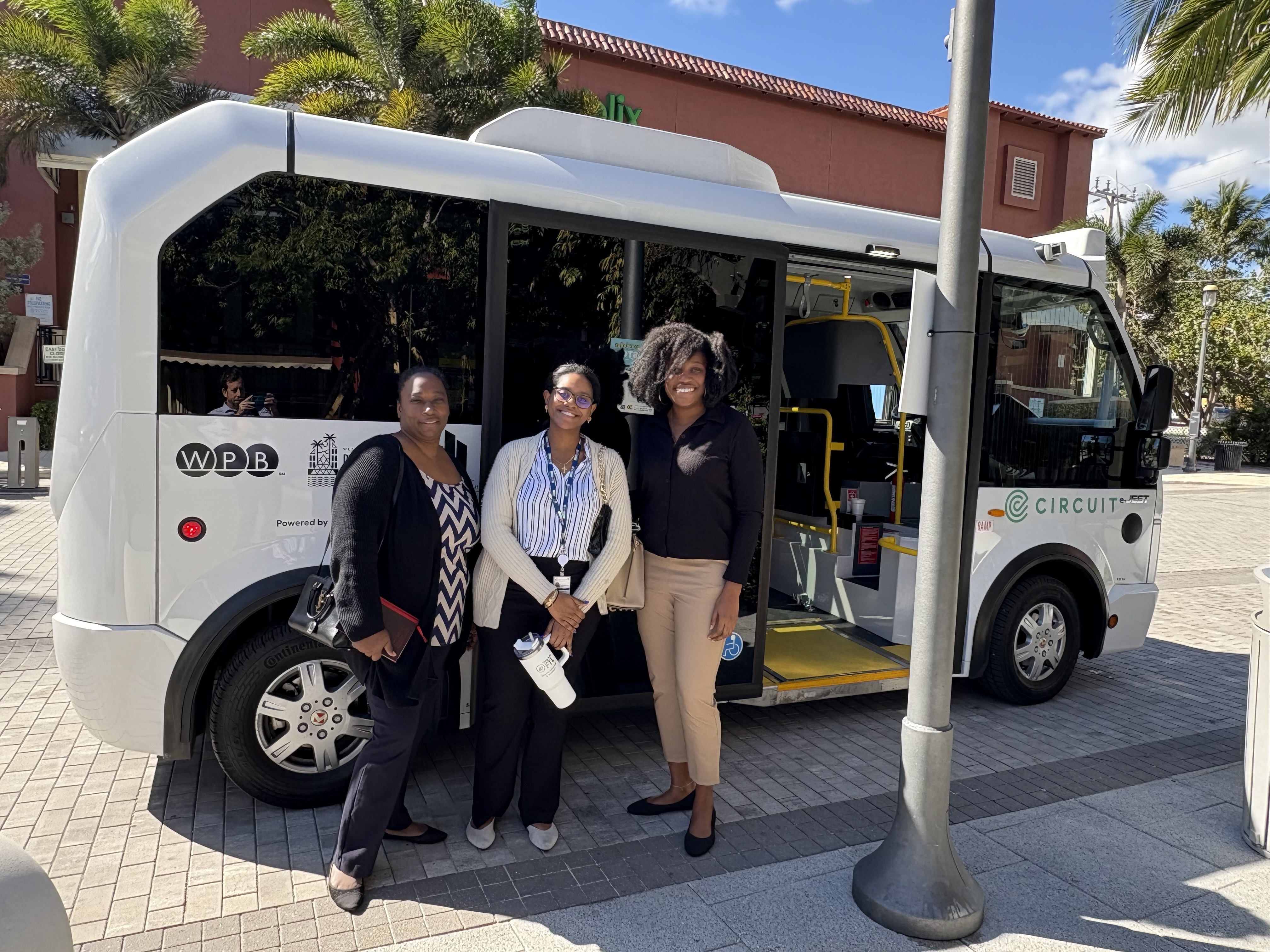
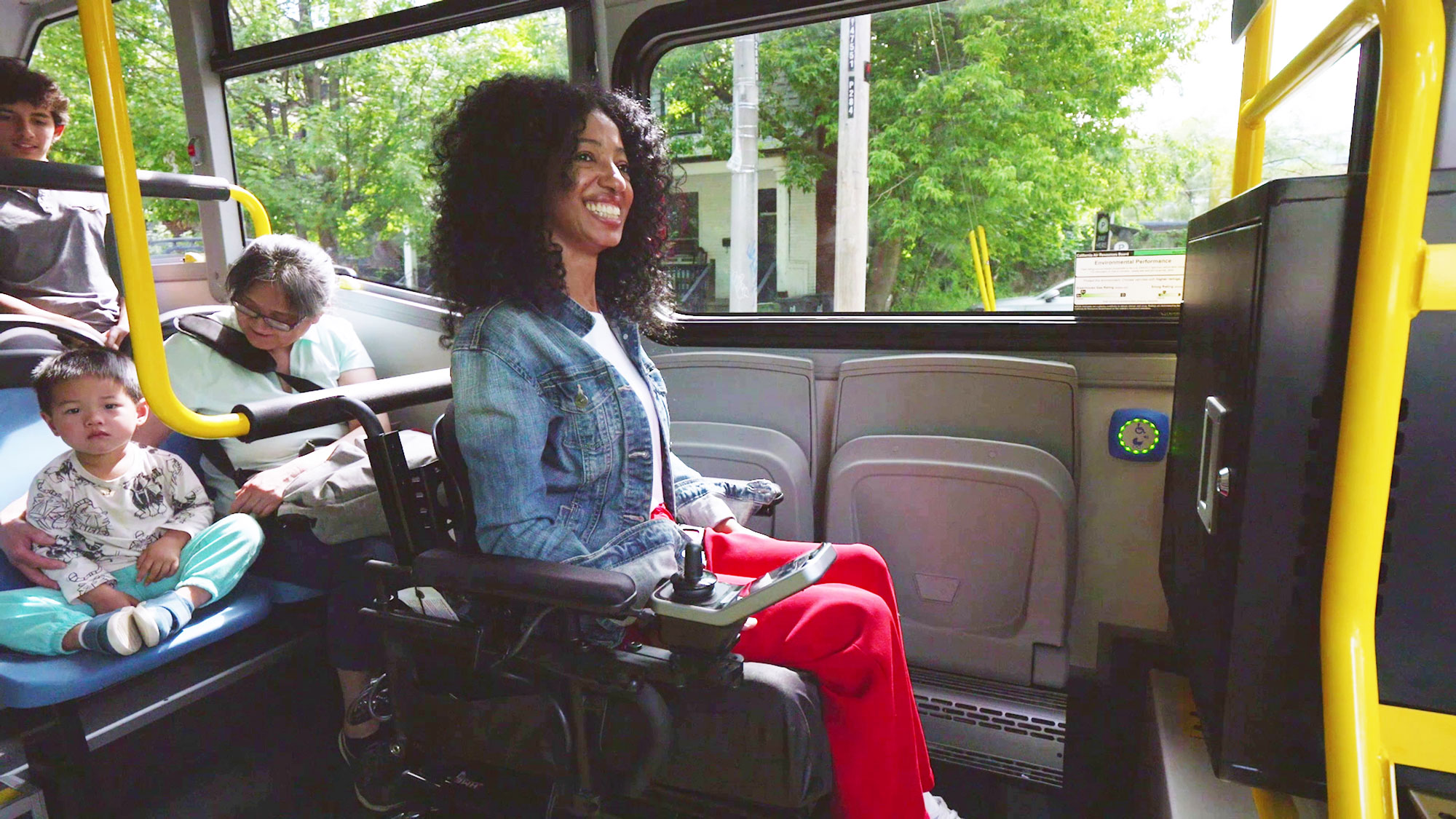
• Low-floor design with electric ramp, providing step-free access for passengers with mobility needs
• Compact dimensions, enabling operation on neighborhood streets and tighter corridors
• Transit-grade durability, built for continuous public transit service rather than modified van platforms
In addition to operational benefits, smaller electric buses also provide important financial advantages for transit agencies.
In many procurement scenarios, agencies can deploy multiple right-sized minibuses for the capital cost of a single large 40-foot electric bus.
This allows systems to:
• Expand service coverage
• Increase frequency in flexible zones
• Reduce underutilized capacity
• Improve fleet redundancy
For agencies balancing budgets with service expectations, this approach can significantly improve total system efficiency.
Ridership Results in Saint John
According to the City of Saint John, the system recorded 695,092 rides between January and April 2024, surpassing ridership levels during the same period before the pandemic.
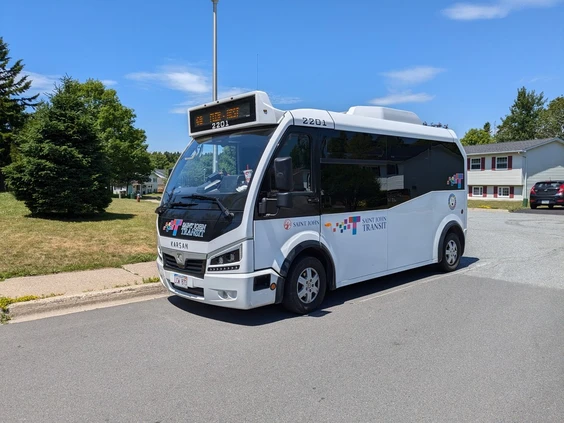
Transit officials projected that the system could exceed 2.1 million rides by the end of the year, potentially marking the highest ridership total in the system’s history.
Part of this growth has been attributed to the On-Demand FLEX service, which has delivered more than 50,000 trips since its launch in January 2023.
These numbers illustrate how service flexibility combined with right-sized vehicles can influence rider behavior.
When transit becomes easier to access and more convenient to use, riders are more likely to choose it.
Why Riders Notice the Difference
The experience of riding transit also plays a role in perception and adoption.
Electric minibuses such as the eJEST introduce several noticeable improvements for passengers:
• Quiet electric operation
• Smooth acceleration and braking
• Step-free boarding
• Modern interiors with improved visibility and comfort
In smaller vehicles, the environment often feels more personal and approachable than a full-size bus, particularly for neighborhood trips.
Combined with on-demand service, this creates a transit experience that aligns more closely with modern mobility expectations shaped by ride-hailing and flexible travel services.
What Ridership Growth Means for Transit Systems
Ridership statistics are more than performance metrics.
They reflect whether a transit system is meeting the needs of its community.
Higher ridership levels typically indicate:
• Better utilization of public infrastructure
• Stronger economic efficiency for transit operations
• Greater return on public investment in mobility
• Reduced reliance on private vehicle travel
When systems achieve these outcomes, the benefits extend beyond transportation.
Transit supports local economies, workforce mobility, access to education, and access to healthcare — all critical elements of healthy communities.
Supporting Stronger Transit Systems
At Damera, our mission is to support transit agencies with vehicles that match the real operational environments in which they serve their communities.
We believe that successful electrification is not simply about introducing new technology. It requires aligning vehicle design, service models, and operational realities.
By working closely with agencies across North America, we aim to help transit systems deliver mobility that is:
• financially sustainable
• operationally efficient
• accessible to all riders
• environmentally responsible
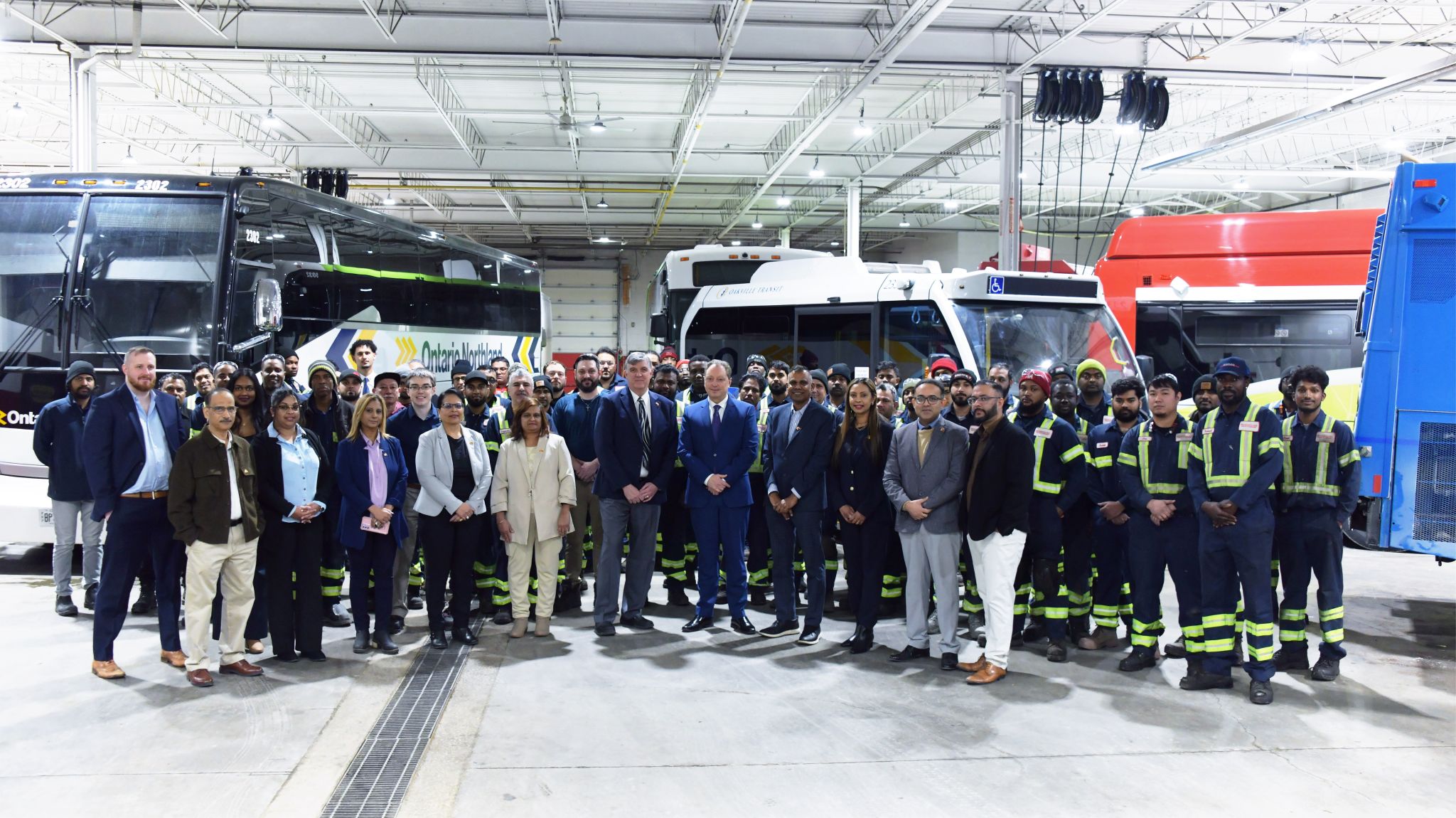
As a company based in Ontario, we are also proud to contribute to the development of advanced mobility solutions that support jobs, innovation, and economic growth in Canada and across North America.
Strong transit systems help build stronger cities and stronger economies.
Saint John’s experience demonstrates how thoughtful service design and right-sized vehicles can work together to support that goal.
If your city or agency is evaluating electrification strategies or flexible transit models, our team would be glad to share insights from real deployments and explore the vehicle solutions that best fit your operational needs.
Damera — We make transit work.
📖 Source: City of Saint John – Saint John Transit on track to surpass pre-pandemic levels by end of the year
https://saintjohn.ca












.jpeg)












.jpeg)


.jpg)


.svg)