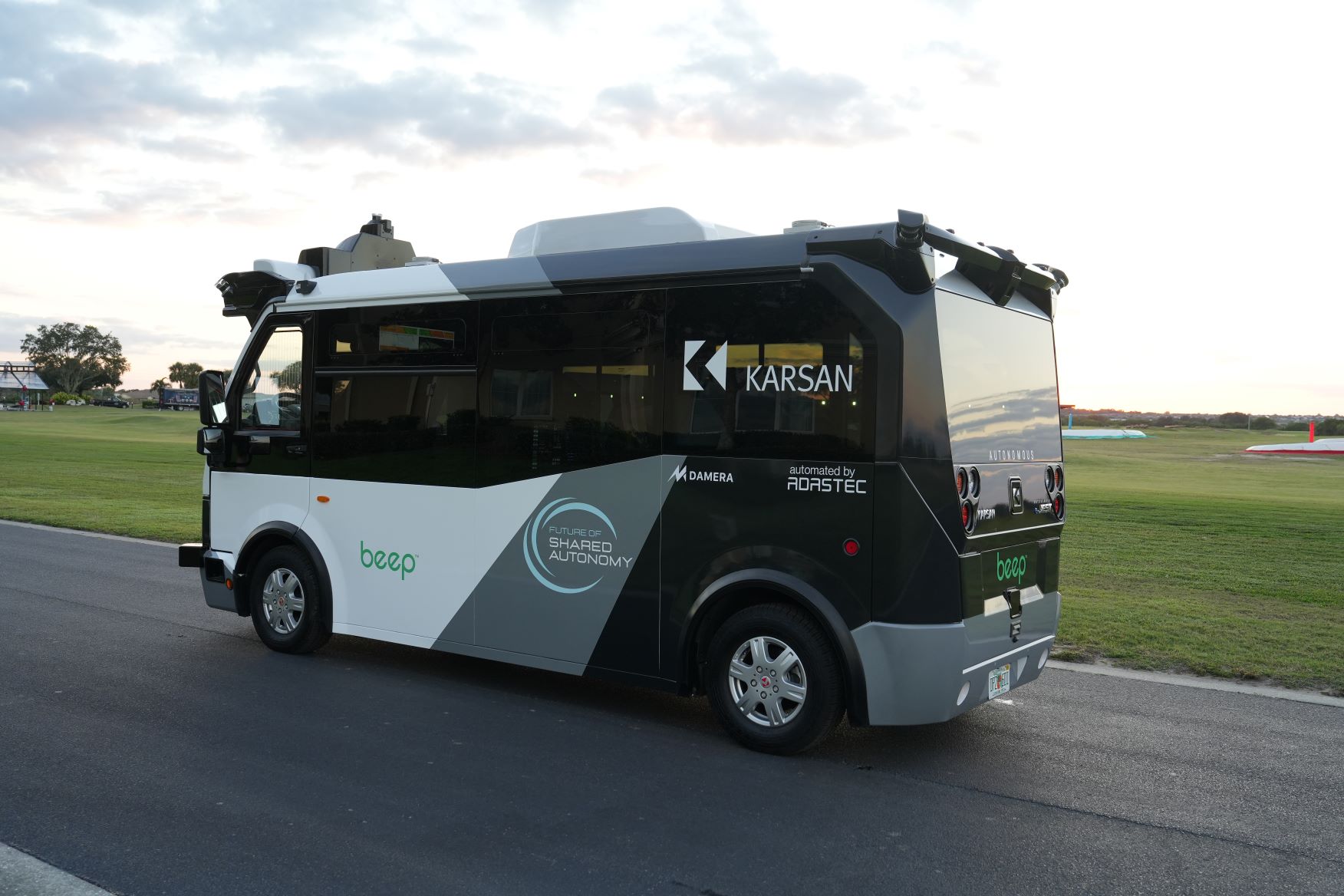
Altoona-tested • FMVSS/CMVSS/ADA compliant
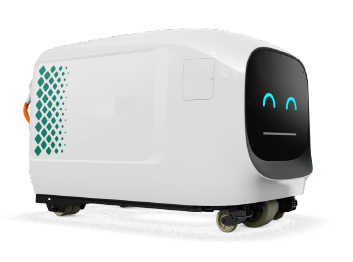
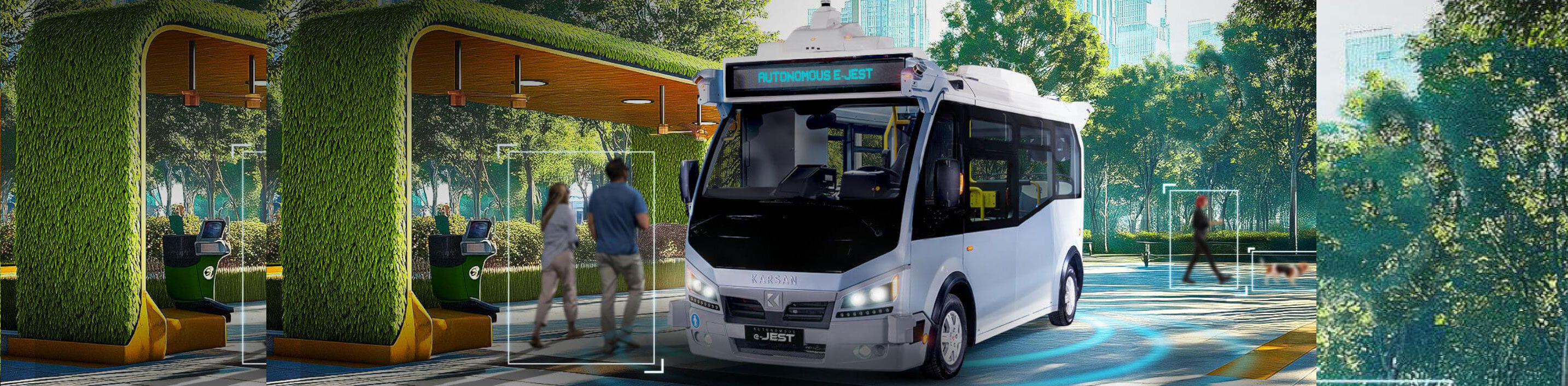
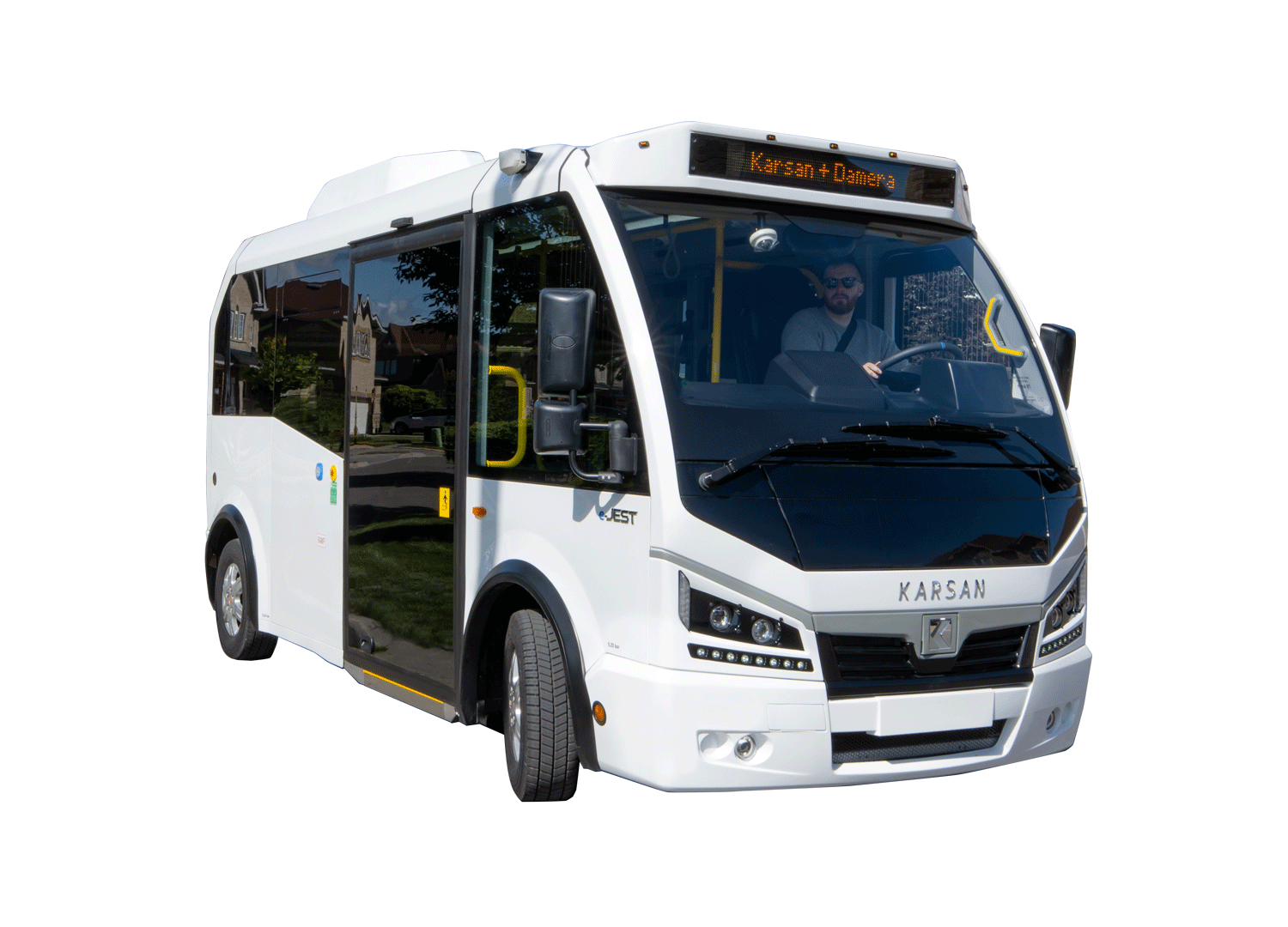
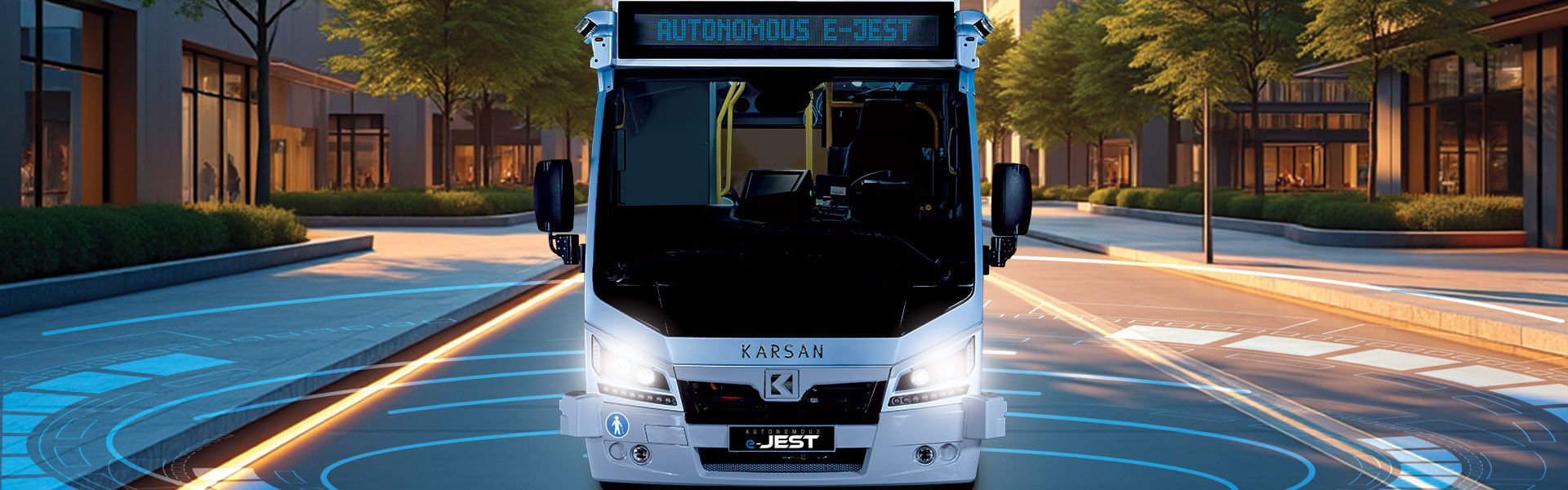
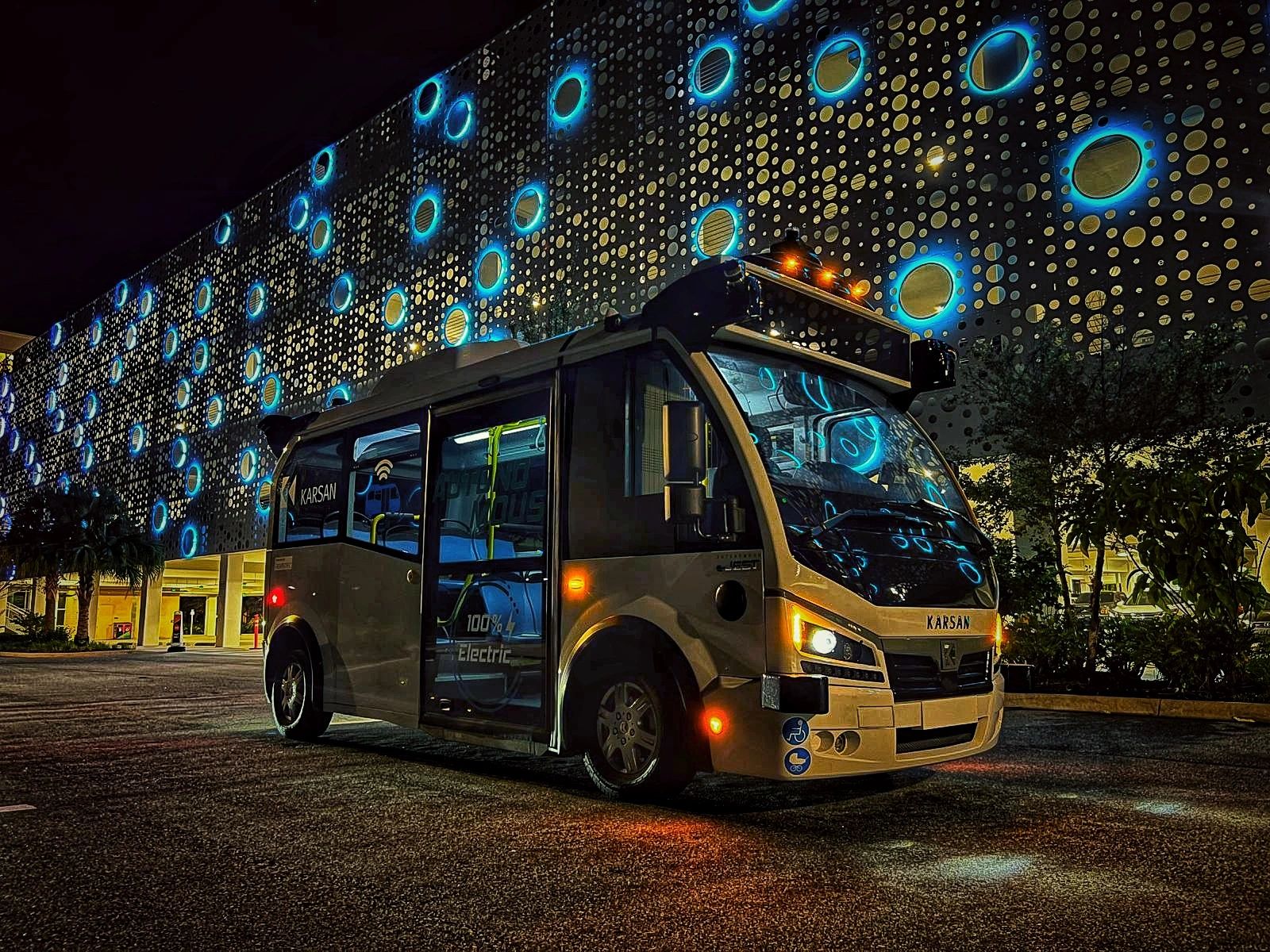
With the Autonomous eJEST, the combination of intelligent software and proven engineering brings the safety and performance of large autonomous fleets into a compact, right-sized vehicle — built for the daily demands of modern transit.


Built on Karsan’s proven JEST platform (10,000+ diesel and 1,000+ electric units globally).


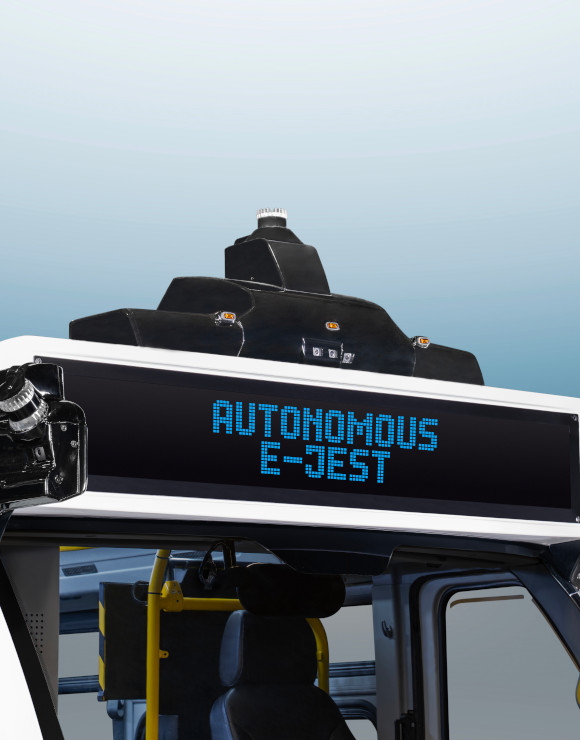
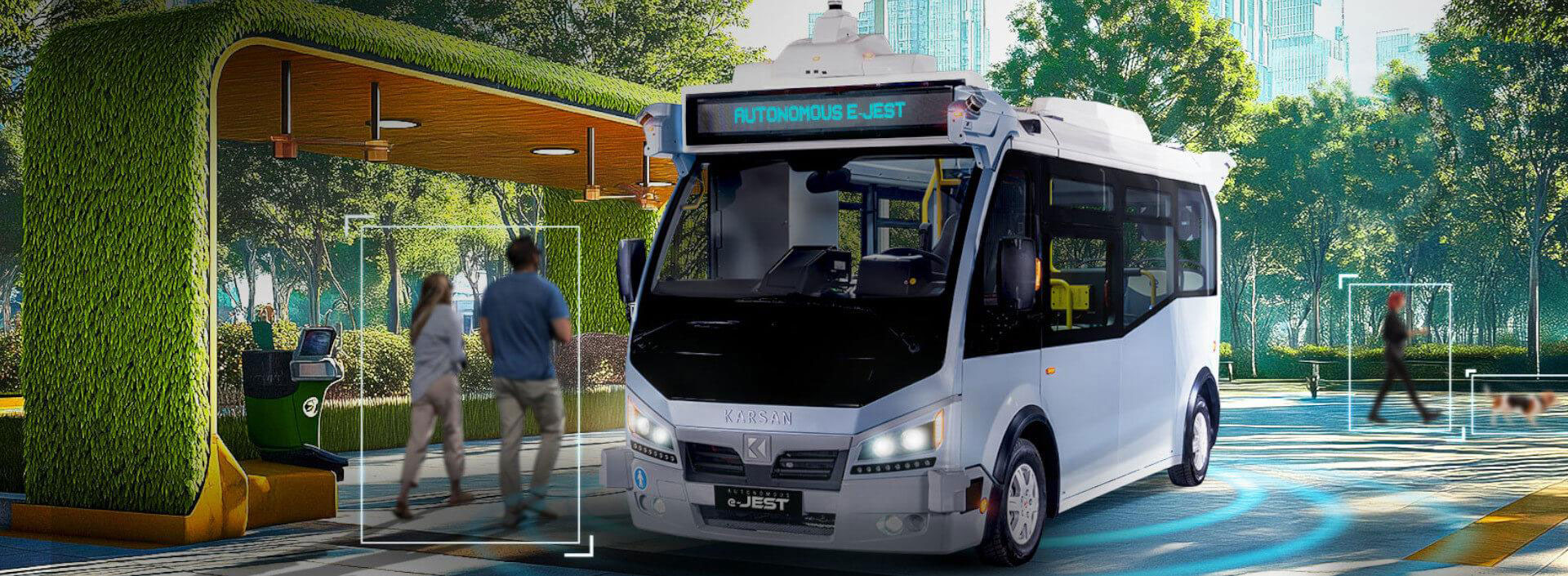
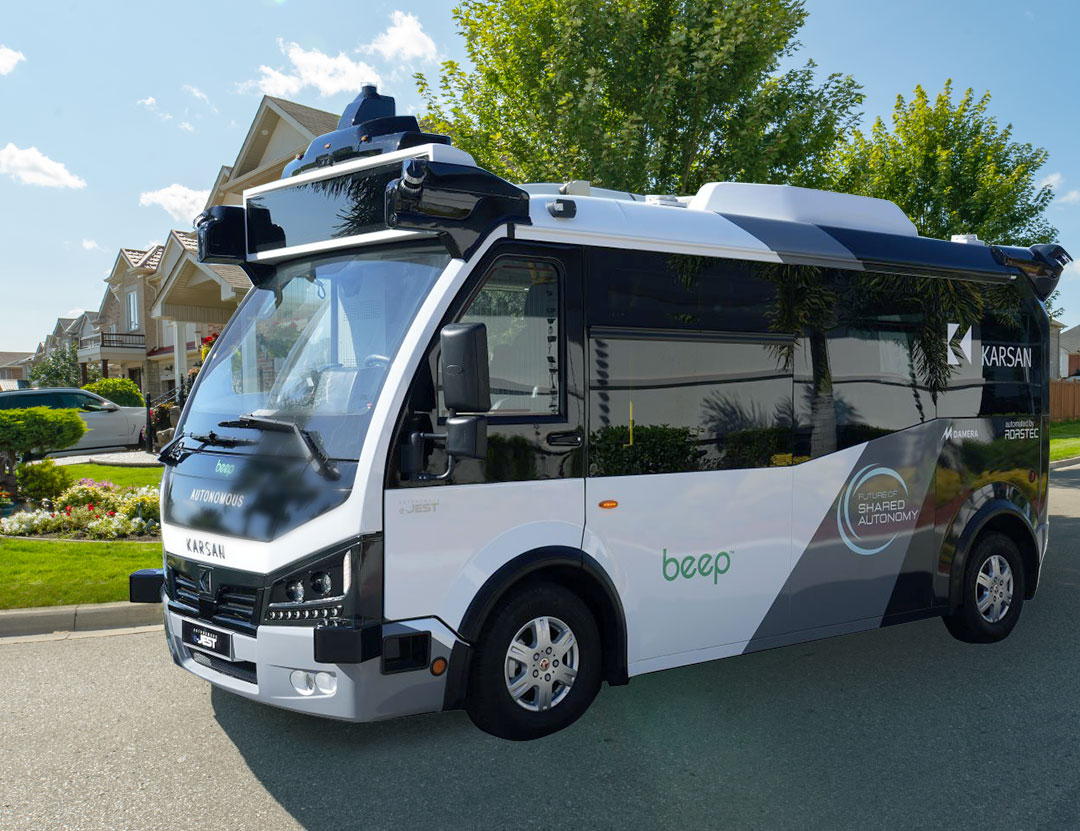
Powered by ADASTEC’s flowride.ai SAE Level-4 automation platform and an advanced suite of LiDAR, radar, GNSS, and cameras, the Karsan Autonomous eJEST delivers precision and reliability on every route.
It’s designed to confidently navigate crosswalks, intersections, bus stops, and roundabouts, maintaining awareness in mixed traffic and adapting seamlessly to real-world driving conditions.
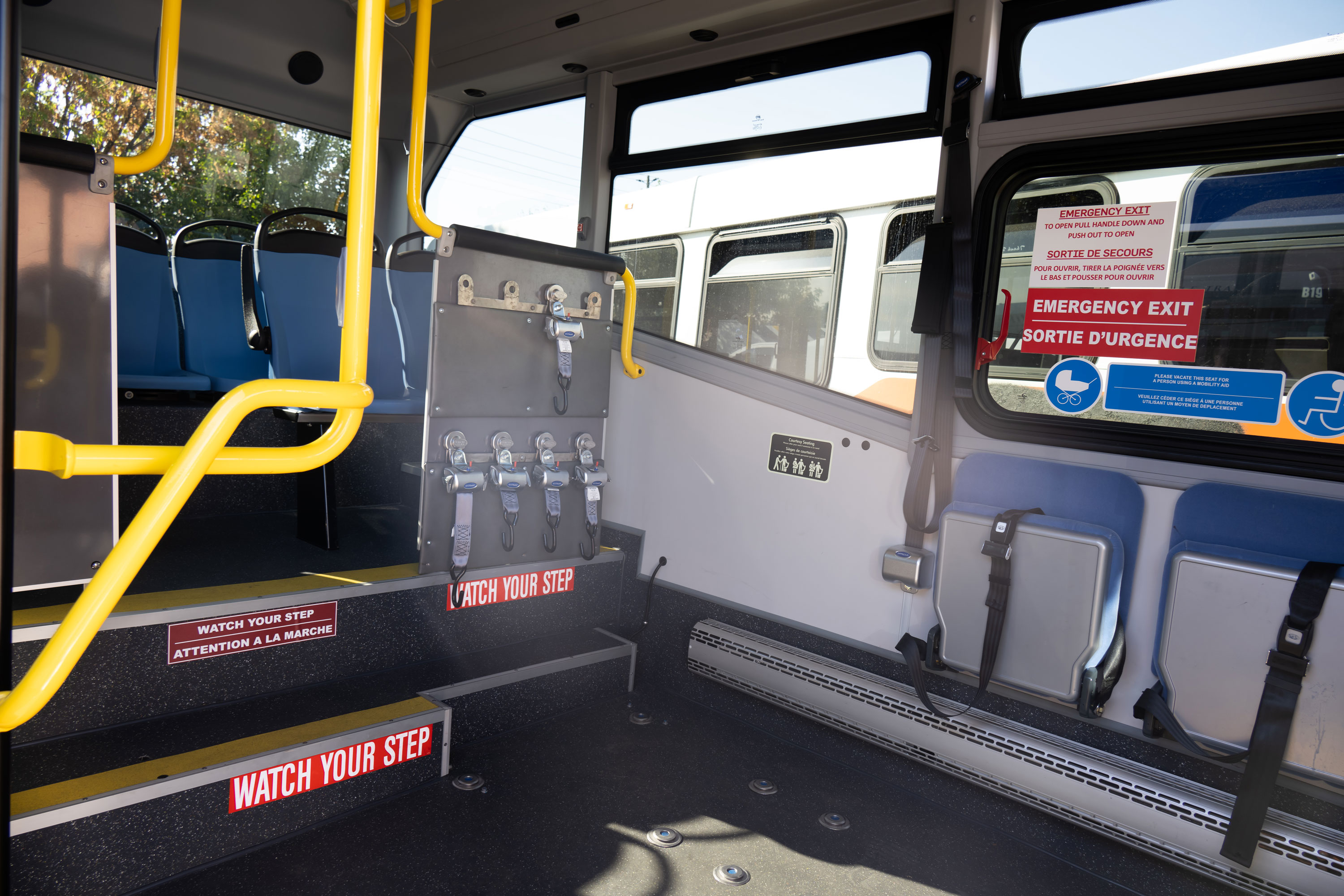
The Autonomous eJEST is U.S.- and Canada-compliant from day one, meeting the key safety and accessibility standards that govern public transit across North America. These certifications confirm that the vehicle is safe, durable, and fully inclusive for all passengers.
Federal Motor Vehicle Safety Standards (U.S.)
Ensures the vehicle meets all U.S. safety requirements related to braking, lighting, crash protection, mirrors, tires, and structural integrity.
Canadian Motor Vehicle Safety Standards
Canadian counterpart to FMVSS — verifying compliance with Transport Canada regulations. Covers the same categories, including vehicle construction, emissions, visibility, and occupant protection.
Federal durability and safety testing by the U.S. Department of Transportation (FTA)
Completing Altoona testing means the Autonomous eJEST meets the same durability, performance, and safety standards as full-size city buses used in federally funded fleets.This certification removes a major barrier — it's a proof that the bus is not a concept, but a ready-to-deploy transit solution.
Verified for Real-World Transit Service
The eJEST has successfully completed Altoona testing, a federally recognized evaluation by the U.S. Department of Transportation.
This process confirms the vehicle’s:

Altamonte Springs will pioneer a permanent Level-4 autonomous transit corridor using the eJEST Autonomous, integrating intelligent mobility directly into the city’s CraneRIDES network.

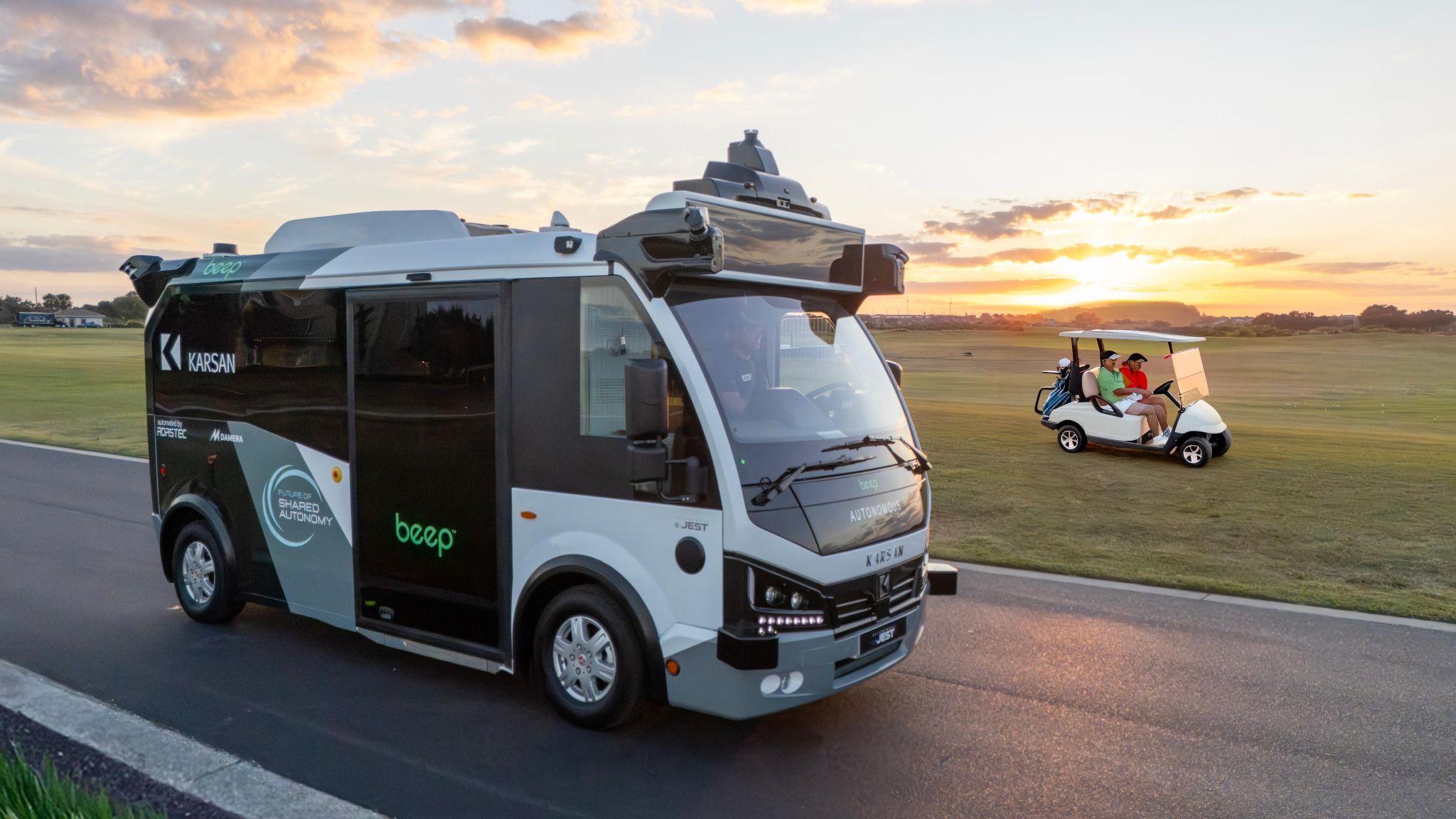
Atlanta BeltLine will introduce the eJEST Autonomous in a landmark 12-month pilot, creating a first/last-mile connection between the AUC, MARTA West End Station, and the Southwest Trail.
offboard intelligence layer
Intelligence system that keeps autonomous fleets coordinated and dependable—transforming individual automated vehicles into a unified, efficient mobility network.


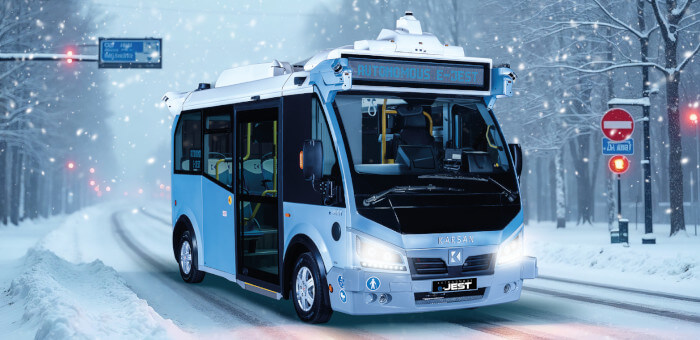
The Karsan Autonomous eJEST brings advanced artificial intelligence, electric performance, and precision sensing into perfect harmony. Designed to operate safely in crosswalks, bus stops, roundabouts, and mixed traffic, it transfers the proven reliability into a compact, agile minibus format that fits the rhythm of modern cities.

By constantly analyzing road conditions, traffic flow, and surroundings, eJEST Autonomous independently manages acceleration, steering, and braking with human-like precision.
A 360° awareness system eliminates blind spots and instantly reacts to pedestrians, cyclists, and vehicles—keeping safety consistent in every situation.
Detect pedestrians, cyclists, obstacles with millimetre accuracy.
Emits laser pulses to create a 3D map of surroundings, ensuring safe navigation even in low light or adverse weather.
See and interpret the environment visually.
Use AI to recognize colours, lanes, and objects—helping the vehicle make intelligent driving decisions in real time.
Maintain safe distance and prevent collisions.
Use radio waves to measure distance and speed, enabling adaptive cruise control and automatic braking.
Keep motion stable and balanced.
Track acceleration, rotation, and tilt for precise control—especially when turning, stopping, or in low GPS areas.
Ensure accurate navigation and route tracking.
Combine global satellite systems (GPS, GLONASS, Galileo) for real-time mapping and reliable localization.
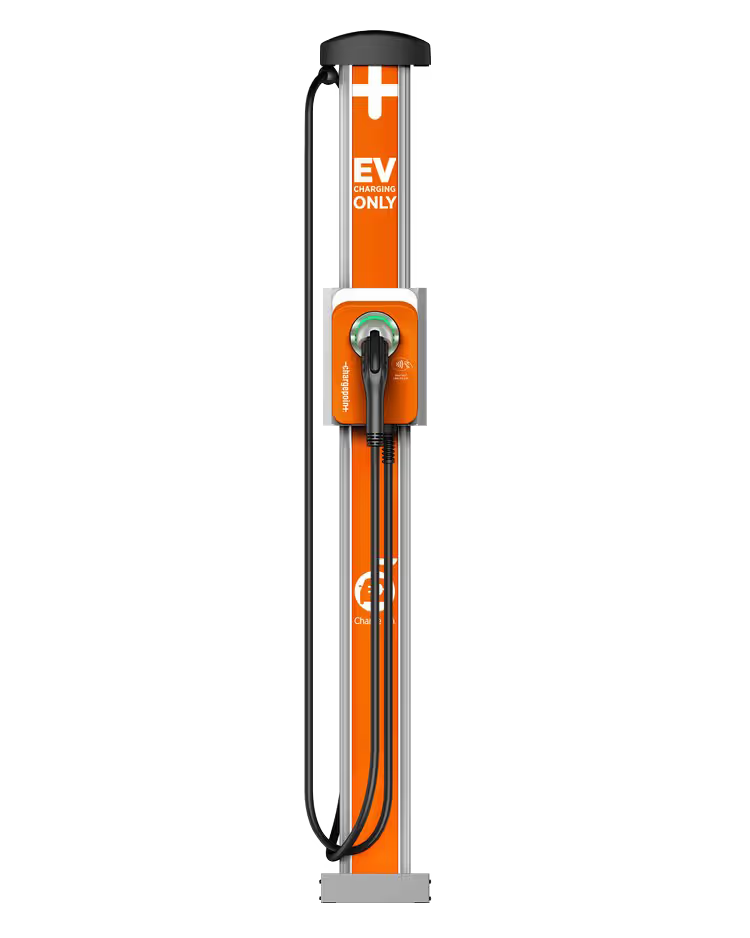
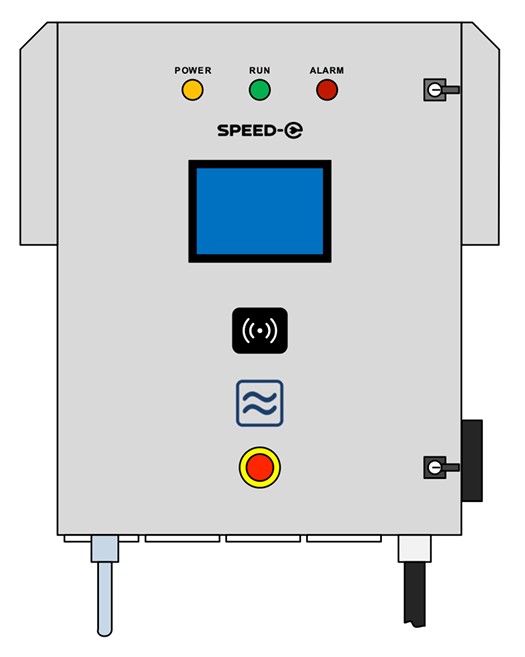
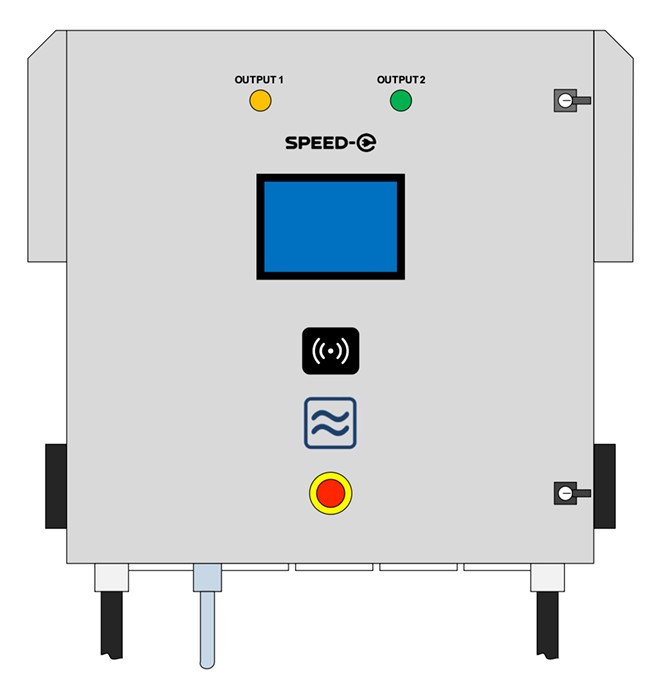
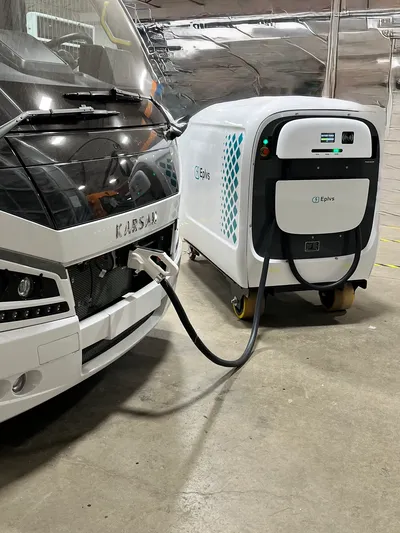
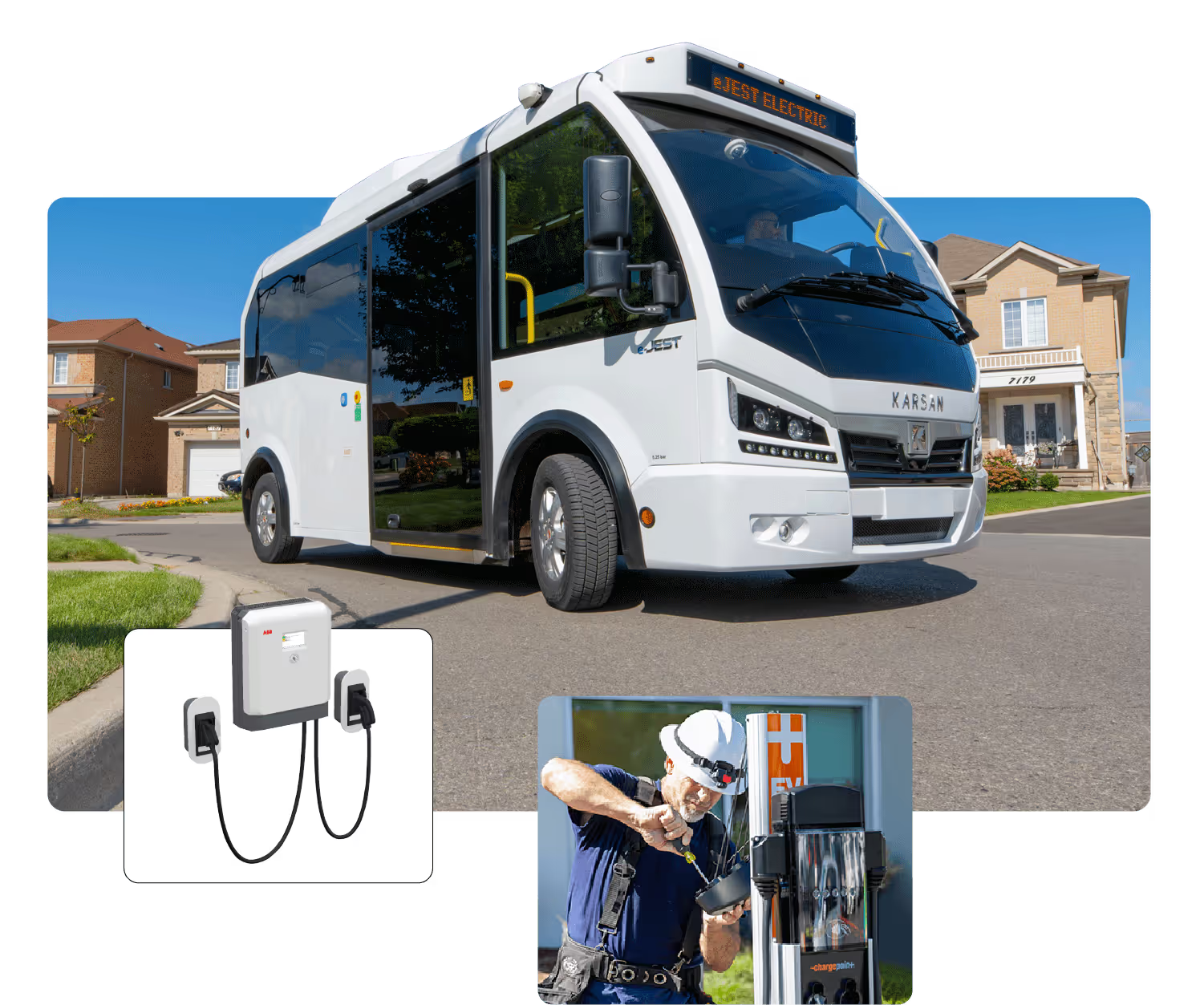
Designed to integrate seamlessly into existing depot infrastructure, the Autonomous eJEST offers dual charging compatibility.

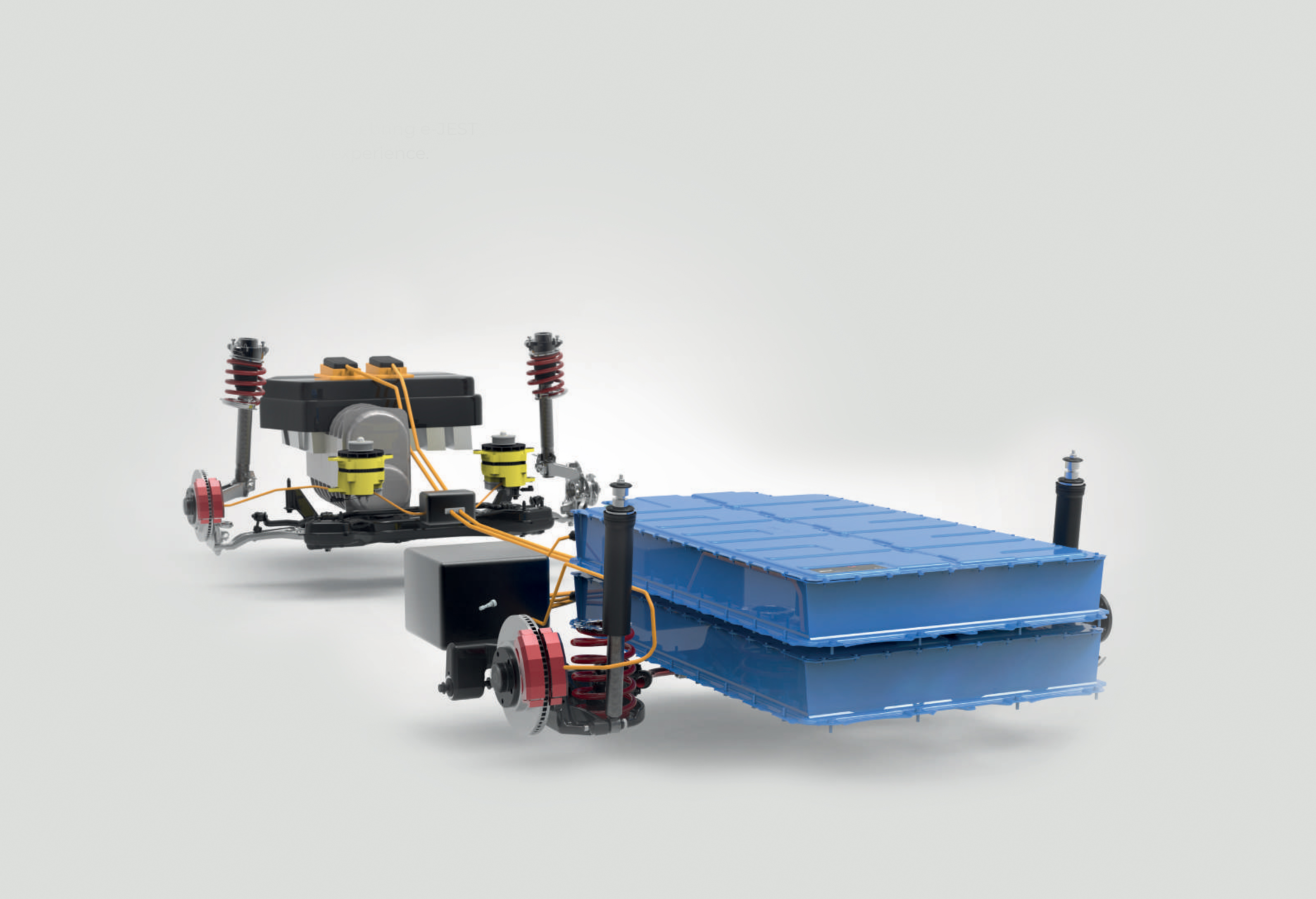
The vehicle is powered by an 88 kWh high-voltage lithium-ion battery pack, engineered to deliver strong daily range, efficient energy use, and reliable performance across varying operating conditions. Lithium-ion chemistry provides high energy density, allowing more power to be stored in a compact footprint, which is essential for right-sized electric transit buses.
This battery type supports fast charging, stable thermal management, and long service life — ensuring the vehicle remains dependable for many years of continuous transit operation.
DC fast charging supports midday opportunity charging, extending route flexibility.
Agencies can use 80 kW DC fast charging for quick recovery between shifts, or rely on 22 kW AC charging for efficient overnight depot operations. This versatility helps minimize downtime, simplify fleet planning, and reduce total operating costs.
Essential for agencies running high-frequency service, where vehicles need to return to route with minimal downtime. Fast charging extends daily operating hours, increases route flexibility, and reduces the number of spare vehicles required — helping fleets stay productive and cost-efficient throughout the day.

Damera supports agencies beyond the vehicle itself — offering guidance on charging strategy, equipment selection, and infrastructure planning. We help evaluate depot capacity, recommend the right mix of DC fast chargers and AC depot units, and design charging layouts that optimize space, energy use, and operational flow. From early feasibility assessments to full system integration, Damera ensures your autonomous and electric fleets have a reliable, scalable, and cost-effective charging ecosystem.
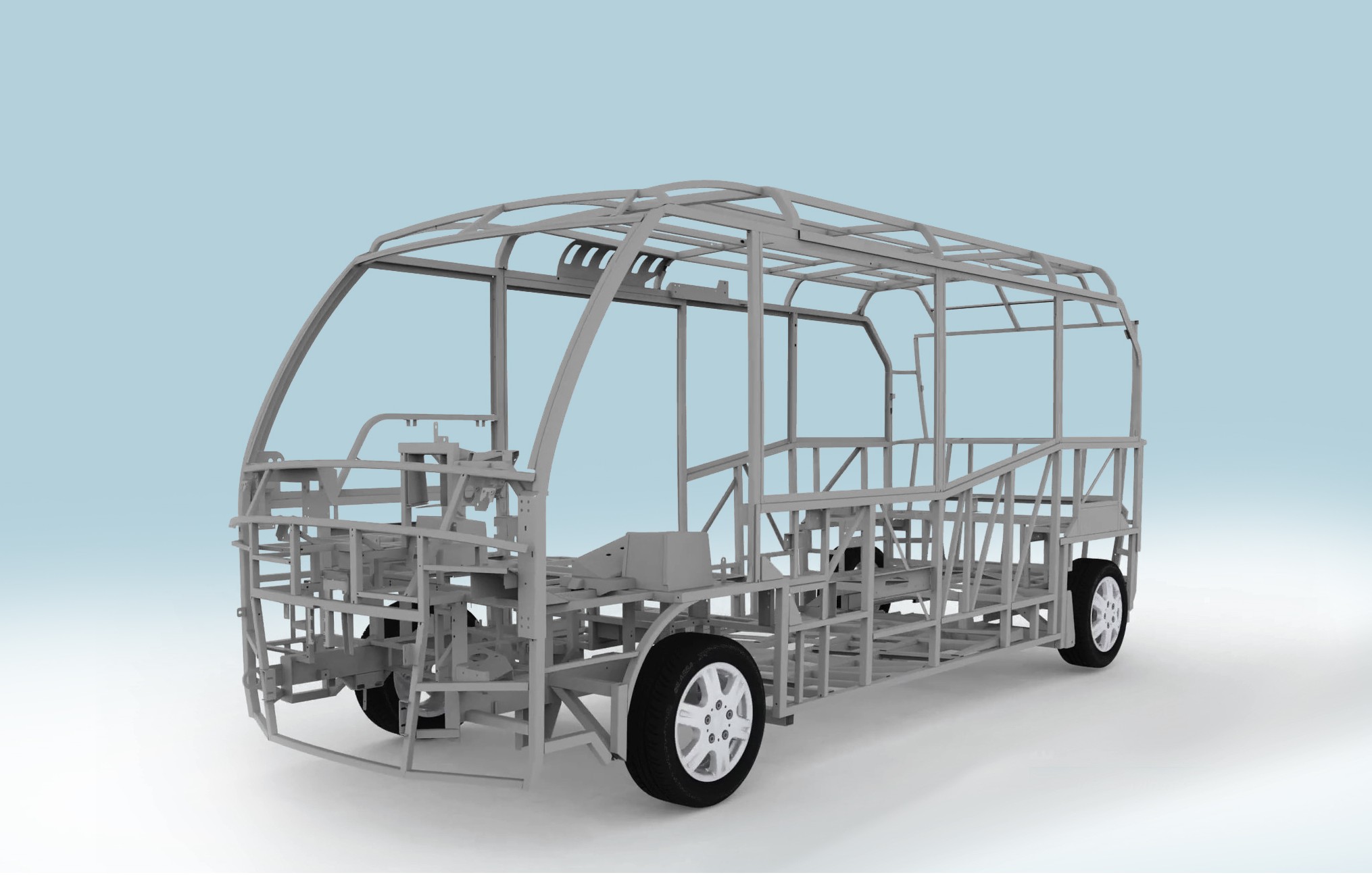
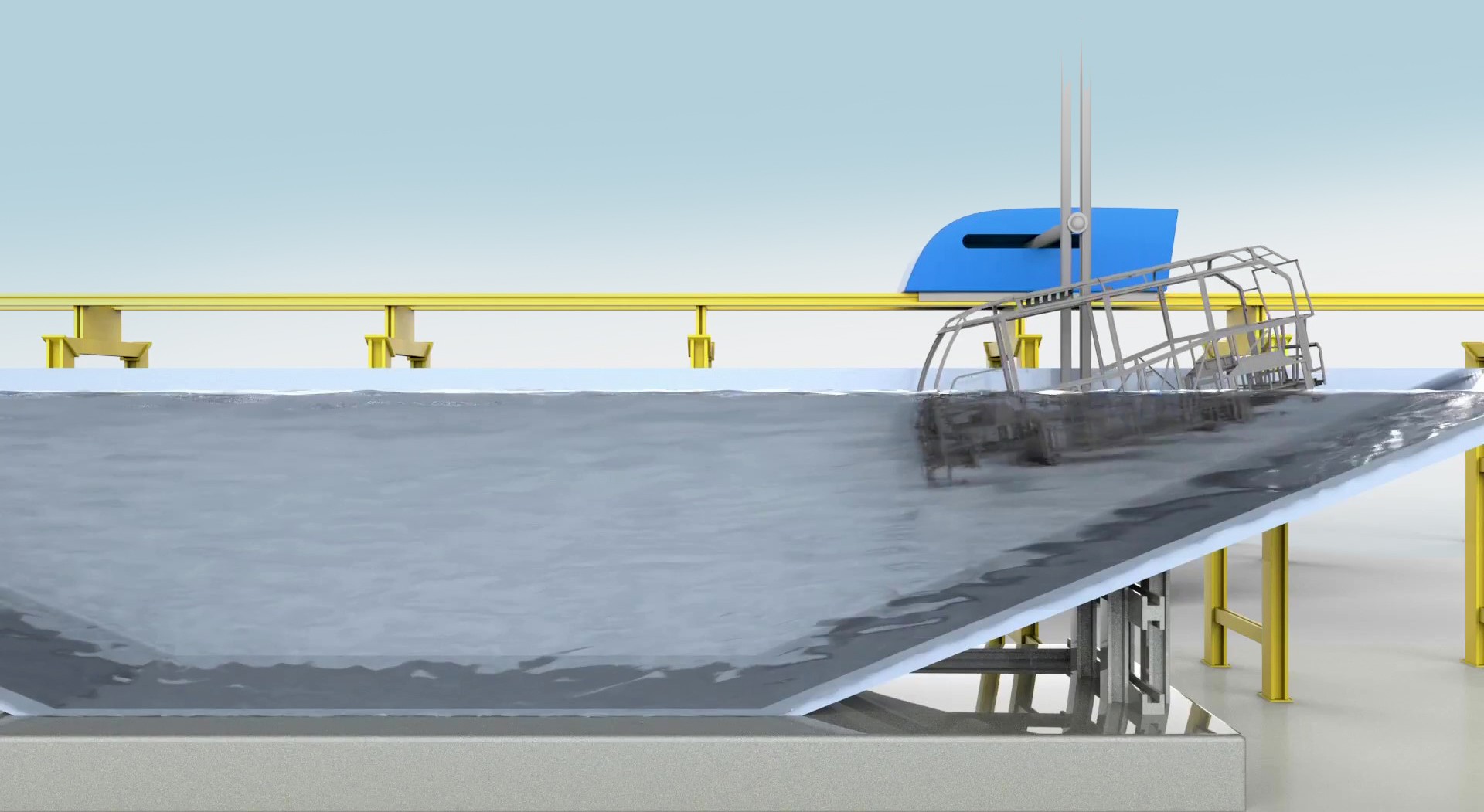
The eJEST is built on a full monocoque body structure, meaning the chassis and body form a single integrated frame.


A monocoque design also minimizes structural fatigue compared to bolt-on body systems used in traditional cutaway buses, resulting in fewer maintenance issues, lower lifecycle costs, and higher fleet uptime.
Combined with its proven electric drivetrain, the eJEST Autonomous delivers a level of reliability expected from full-size transit buses — in a compact, right-sized format ideal for urban and community routes.

The eJEST Autonomous is built on a full monocoque body structure, meaning the chassis and body form a single integrated frame. This construction method significantly increases rigidity, durability, and crash resistance, reducing vibrations, extending component life, and ensuring consistent performance throughout the vehicle’s 12-year service life.
Agencies can use 80 kW DC fast charging for quick recovery between shifts, or rely on 22 kW AC charging for efficient overnight depot operations. This versatility helps minimize downtime, simplify fleet planning, and reduce total operating costs.
Essential for agencies running high-frequency service, where vehicles need to return to route with minimal downtime. Fast charging extends daily operating hours, increases route flexibility, and reduces the number of spare vehicles required — helping fleets stay productive and cost-efficient throughout the day.
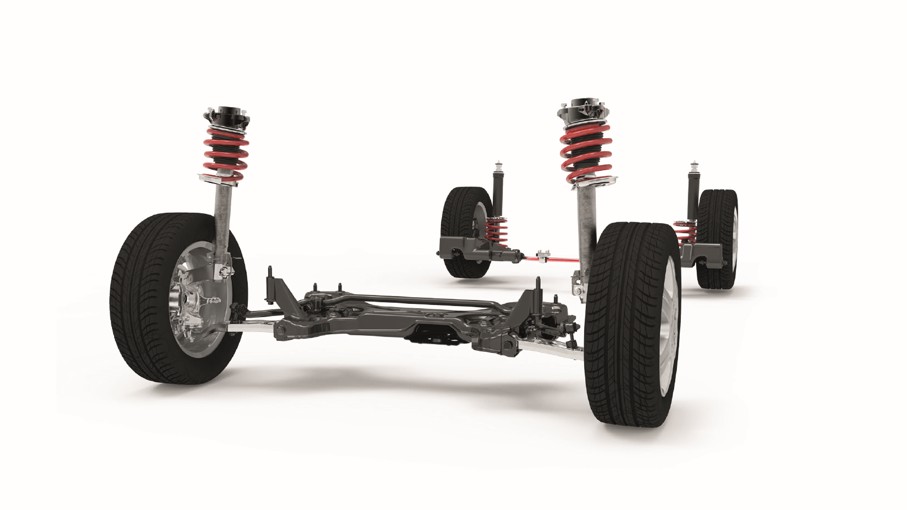
The eJEST Autonomous delivers a level of ride quality rarely found in minibuses, thanks to its independent front and rear suspension, electric drivetrain, and low-noise architecture.


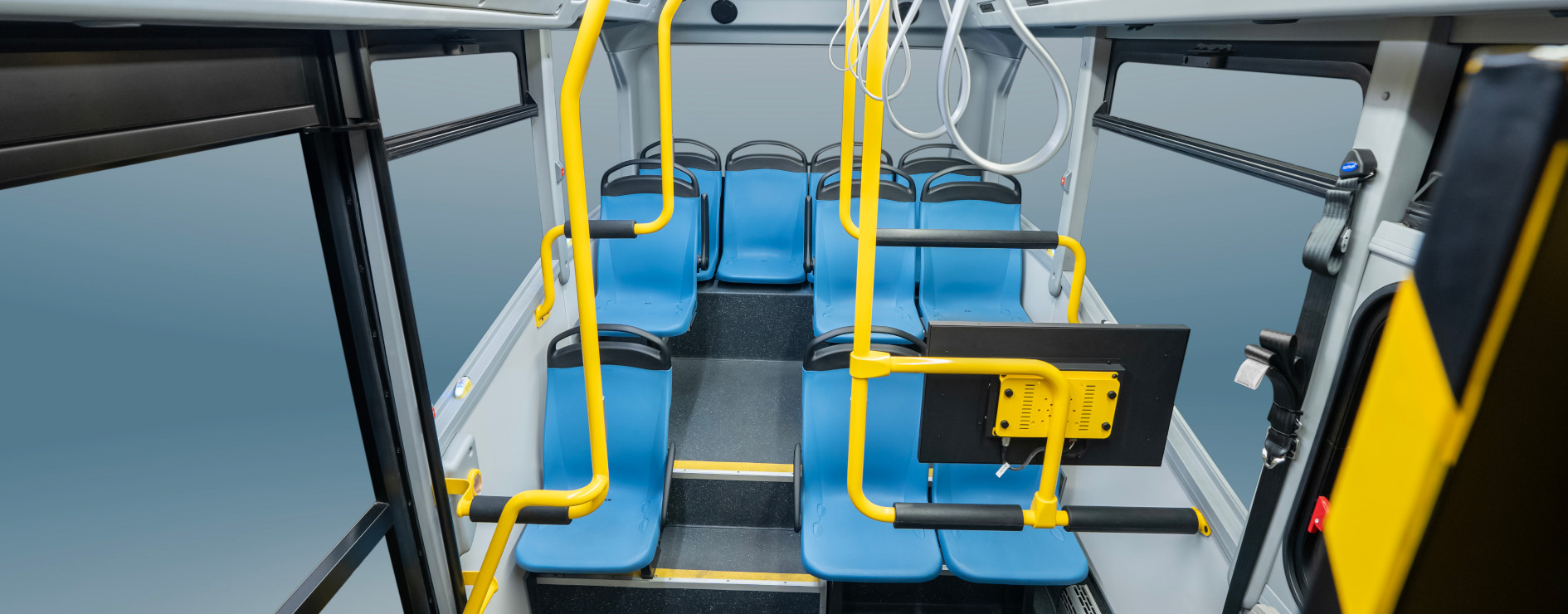
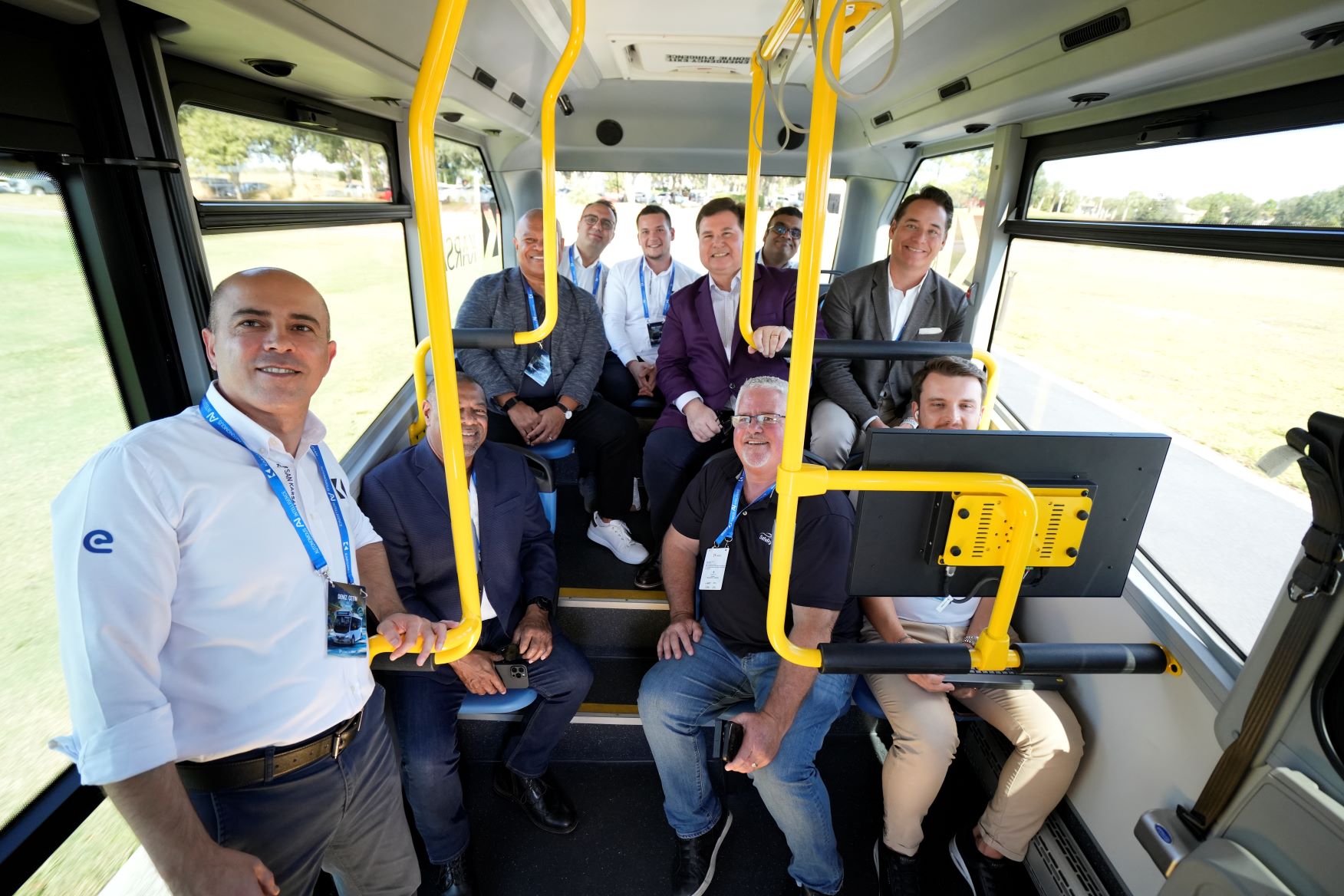
Each wheel responds individually to road conditions, reducing vibration, smoothing out bumps, and keeping the cabin stable even on uneven streets or tight turns. Combined with quiet electric operation and a spacious, low-floor interior, passengers enjoy a comfortable, calm, and car-like ride—ideal for urban environments, campus networks, and first/last-mile services where comfort matters just as much as efficiency.

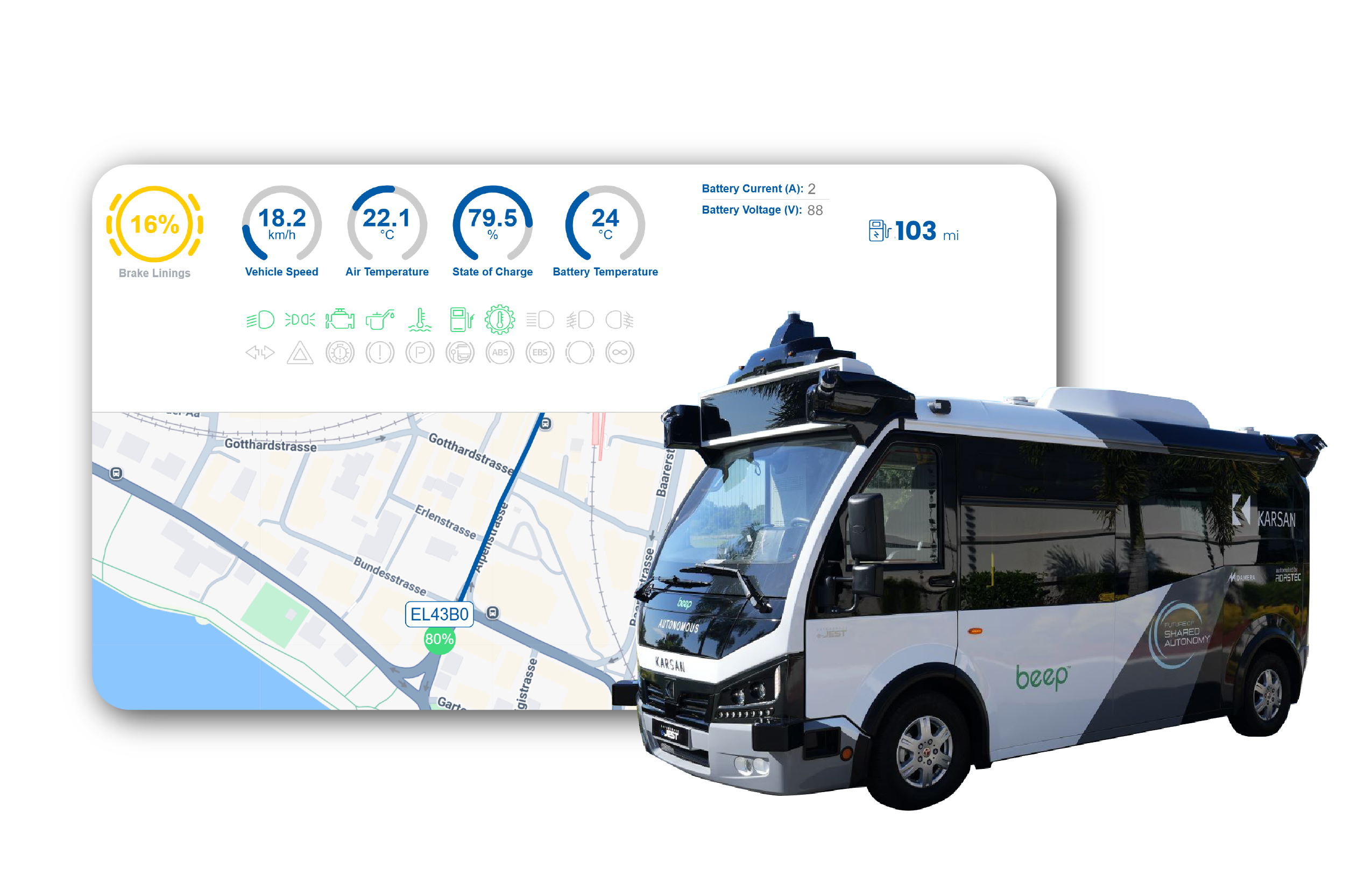
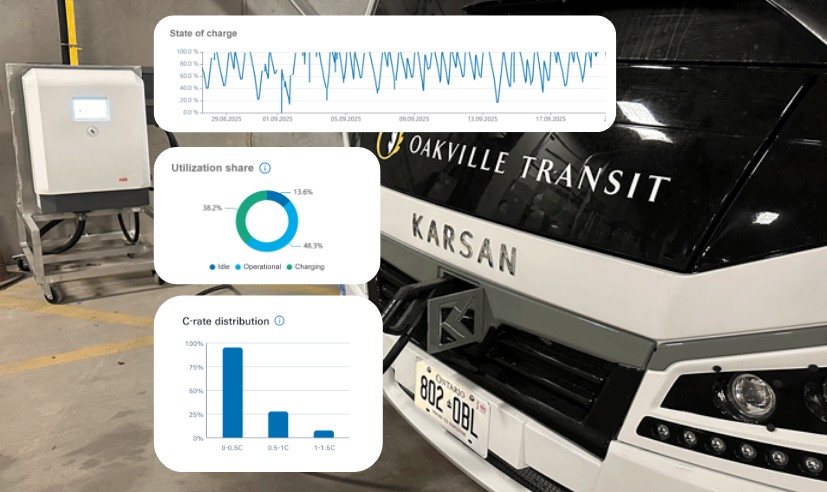
ZF Bus Connect enhances the eJEST Autonomous with advanced fleet telematics, giving operators real-time visibility into vehicle health, energy use, driving behavior, and route performance. This platform adds an extra layer of operational intelligence on top of ADASTEC’s autonomous driving system and Beep’s fleet supervision—allowing agencies to monitor efficiency, optimize charging, reduce downtime, and improve total cost of ownership. With ZF Bus Connect, the eJEST Autonomous becomes not just a vehicle, but a fully connected asset that supports smarter decision-making and more reliable daily operations.

Autonomous transit is no longer experimental—it’s a practical solution to the challenges cities face today. From rising operational costs to unpredictable service performance and growing pressure for cleaner, more inclusive mobility, agencies need tools that deliver consistency and efficiency at scale.
Right-sized Level-4 vehicles like the eJEST Autonomous bring reliability, accessibility, and data-driven intelligence to routes where traditional models struggle, helping communities build smarter, more resilient transit networks.


Built to close the gap between major transit hubs and surrounding communities. Functions as station feeders, mobility-hub connectors, or on-demand routes, making regional rail, BRT, and bus networks more accessible and convenient.

Serves business districts, entertainment corridors, waterfronts, and transit-oriented developments, providing clean, frequent mobility that strengthens economic activity and visitor experience.

Ideal for low-density neighborhoods where large buses are inefficient. Supports local circulators, residential connectors, community shuttles, and transit feeders, improving mobility and reducing car dependence in areas underserved by traditional fixed routes.

Perfect for universities, corporate campuses, hospitals, and research parks. Supports loop shuttles, late-night service, parking-lot connectors, and circulation routes where frequent, predictable service enhances safety and accessibility.

A strong fit for complex airport environments.Works seamlessly as terminal circulators, employee shuttles, and remote-parking connectors, improving mobility inside large campuses without adding congestion or emissions.
Right-sized vehicles like the eJEST Autonomous are reshaping how agencies think about service delivery. Instead of deploying oversized, underutilized buses on lower-demand corridors, microtransit and small-format vehicles offer a more efficient, flexible, and cost-effective way to move people.
They reduce operational waste, improve frequency, expand coverage into areas traditional buses can’t serve, and create a better rider experience through shorter waits and more direct connections. For cities, campuses, and agencies looking to modernize their networks, right-sized autonomous transit is a smart, scalable next step.