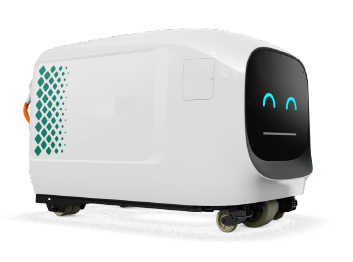
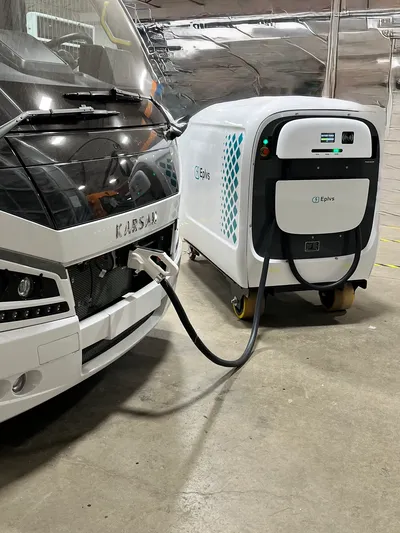
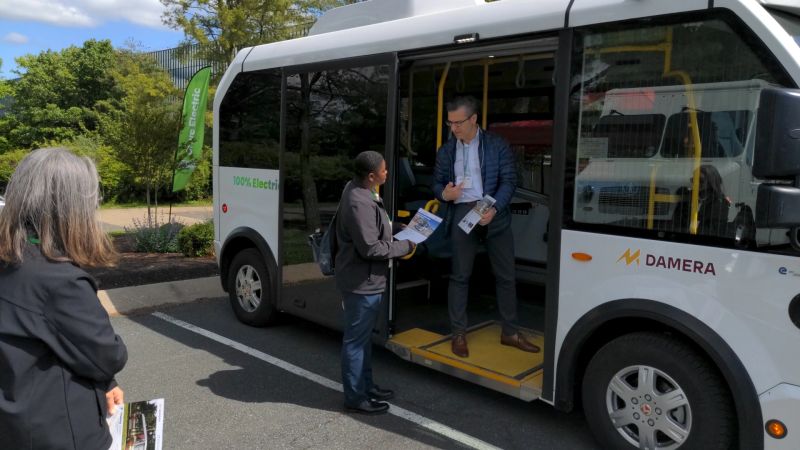
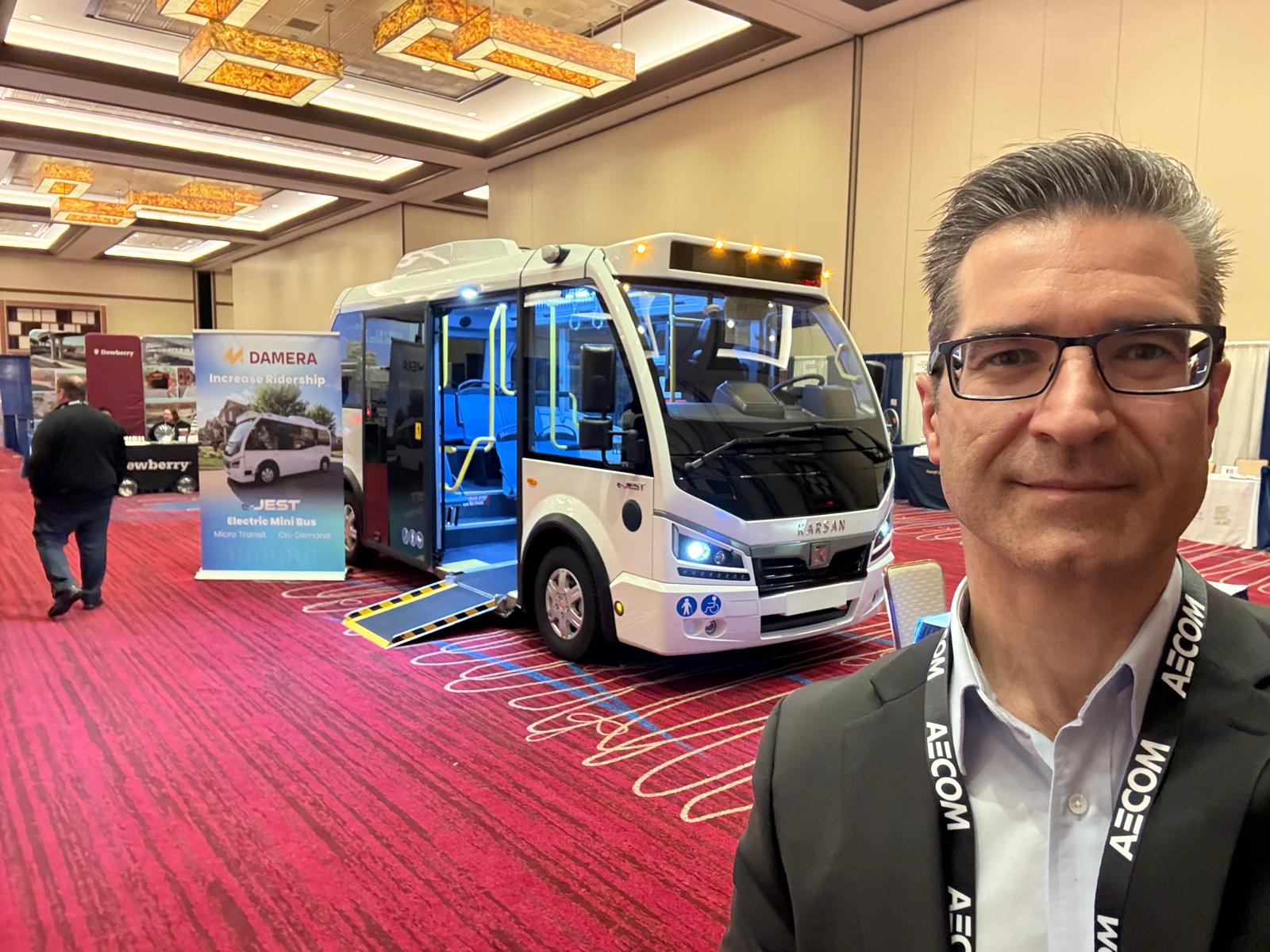
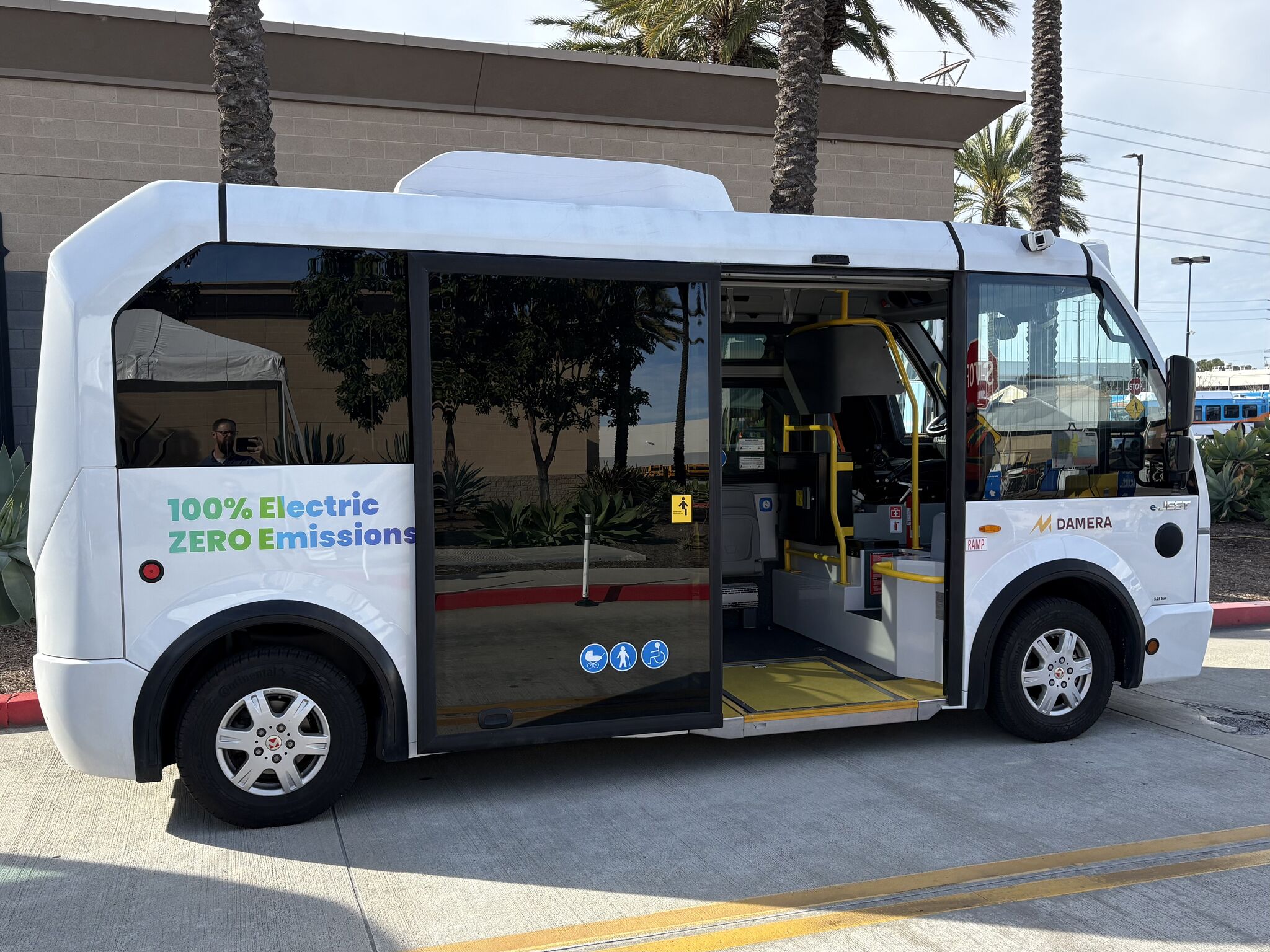
A quiet, efficient, fully accessible electric minibus. The eJEST delivers exceptional maneuverability, low operating costs, and smooth passenger experience.
Built on the proven eJEST platform and automated by ADASTEC, this Level-4 autonomous minibus brings reliable, safe, and fully accessible automated transit to real-world routes.
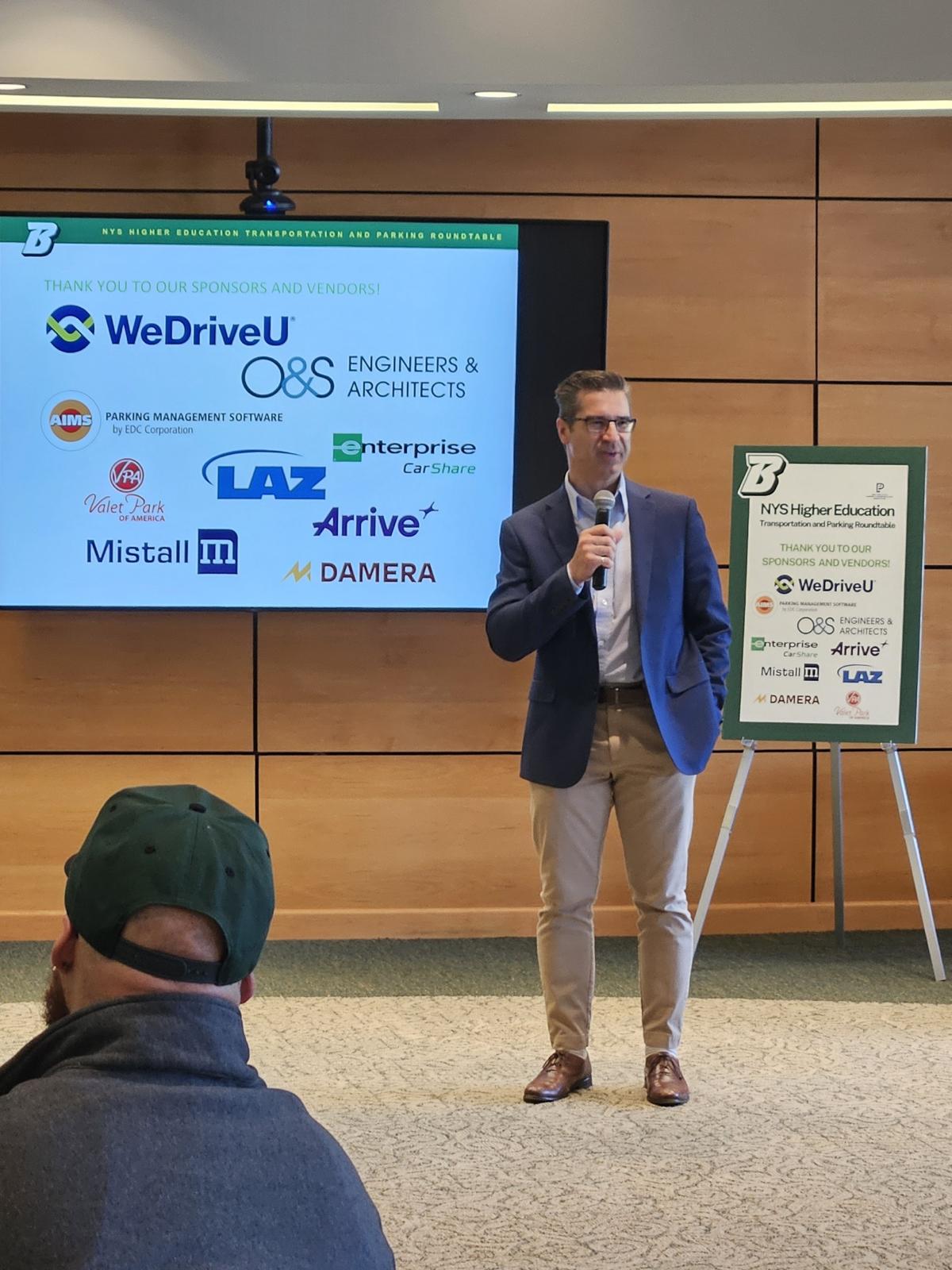
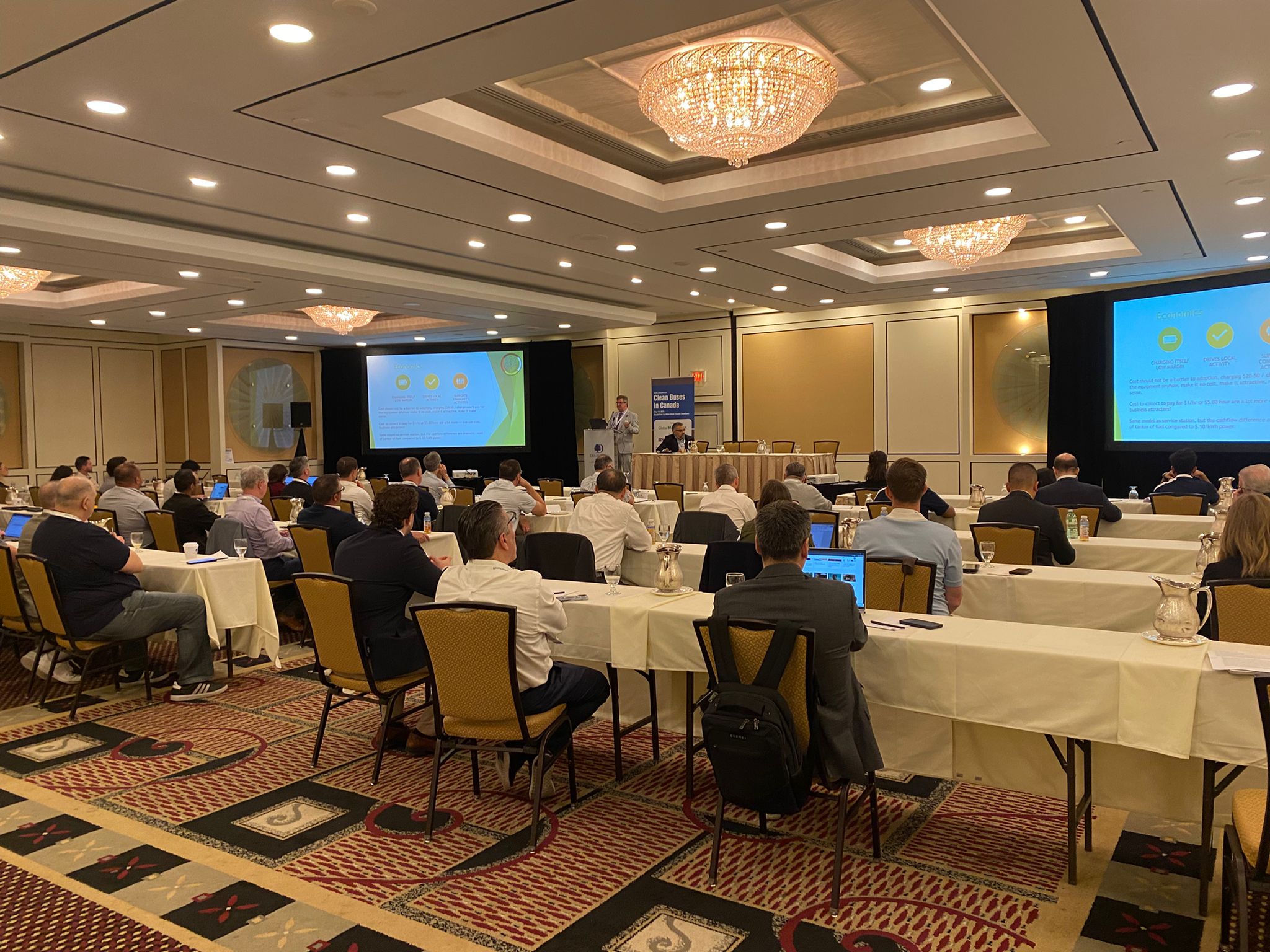
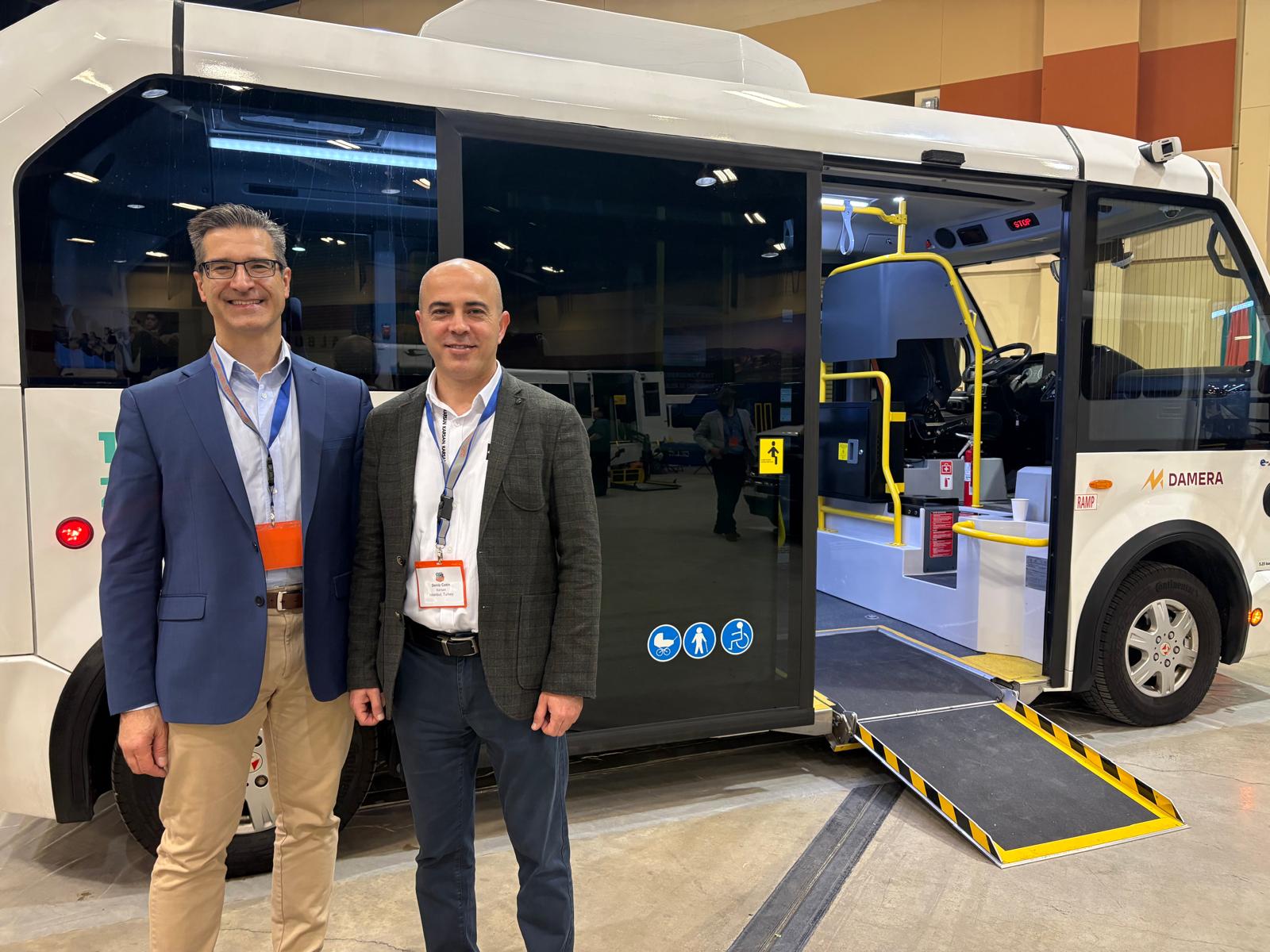
On April 22–23, 2026, Damera Corporation joined the NYS Higher Education Transportation and Parking Roundtable as a sponsor — an event organized by Binghamton University in partnership with the New York State Parking and Transportation Association (NYSPTA).
Hosted at the Tau Room within the Events Center, the roundtable gathered professionals from higher education, transit agencies, and the broader mobility sector to explore the unique and evolving challenges of campus transportation.
Rather than following a traditional conference format, the event emphasized active dialogue. It provided a collaborative environment where participants exchanged operational insights, discussed real-world constraints, and examined practical approaches to improving campus mobility systems.
The discussions at the roundtable focused on several critical areas shaping the future of campus mobility — each directly tied to how universities plan, operate, and improve their transportation systems.
Why Campus Mobility Matters
University campuses function as small, dynamic cities. They require transportation systems that are:
▪️ frequent and reliable ▪️ flexible to changing demand throughout the day ▪️ fully accessible ▪️ aligned with sustainability goals
At the same time, these systems must operate within physical constraints — limited space, tight road networks, and varying passenger volumes.
This creates a unique challenge:
👉 how to deliver high-quality mobility without relying on oversized, inflexible systems.
▪️ Sustainability and Climate Action in Campus Mobility
This theme explored how campuses are working to reduce emissions and meet environmental targets through electrification, smarter fleet planning, and reduced reliance on single-occupancy vehicles.
Why it matters: Universities are under increasing pressure to meet sustainability commitments. Transit plays a central role in this transition, but solutions must be both environmentally effective and operationally realistic.
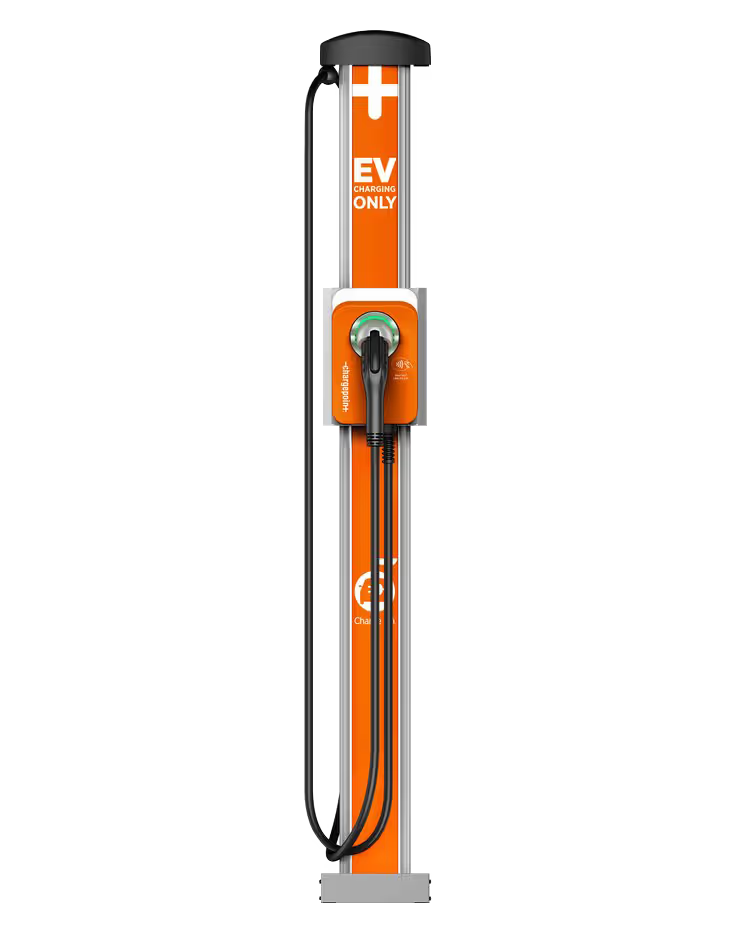
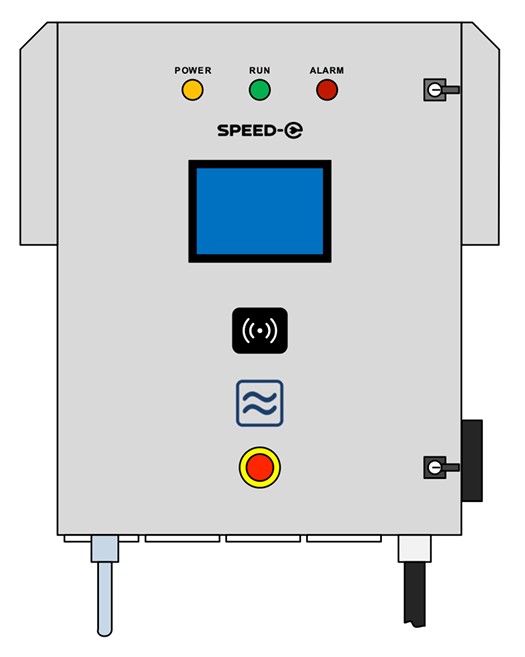
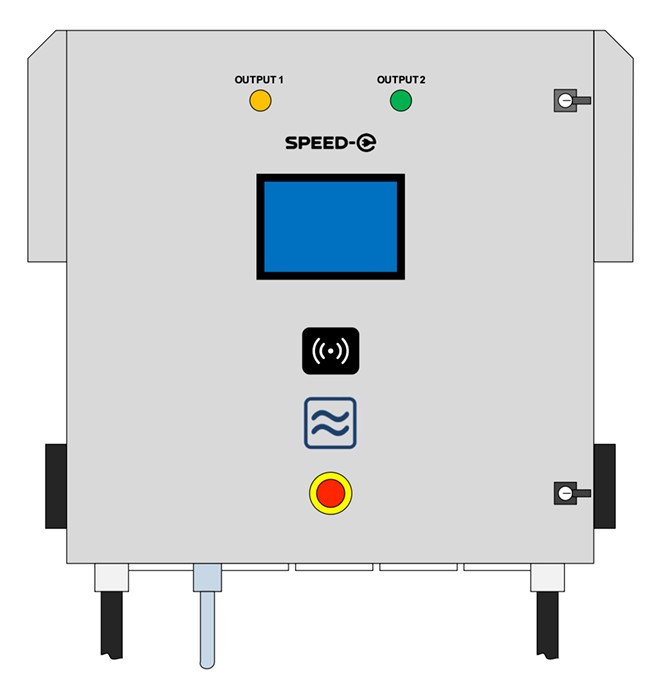
Practical direction: Electrification strategies are most effective when they are scalable — combining energy-efficient vehicles with charging solutions that are manageable to deploy and expand over time.
How this is reflected in practice: Damera's approach centered on right-sized electric vehicles and flexible charging infrastructure allow institutions to transition gradually, reducing both upfront cost and operational complexity while maintaining service reliability.
▪️ Transit Panels: Operational and Strategic Approaches
These sessions brought together practitioners to discuss how campus transit systems are designed, managed, and adapted in real conditions — including routing strategies, fleet mix, cost control, and service optimization.
Why it matters: There is no one-size-fits-all model. Sharing operational experience helps institutions understand what works, what doesn’t, and how to make informed decisions based on real-world performance.
Practical direction: Improving performance depends on aligning vehicle capacity, service frequency, and routing with actual demand rather than relying on fixed, oversized fleet models.
How this is reflected in Damera's practice: Flexible fleet compositions, including smaller-capacity vehicles, like Karsan eJEST electric minibus, support better utilization, enable higher service frequency, and allow systems to adapt more effectively to varying ridership patterns.
▪️ “Getting There from Here: The New Campus Transit Puzzle”
This discussion focused on how campuses can respond to changing mobility patterns — including fluctuating ridership, hybrid learning models, evolving campus layouts, and new expectations for flexibility and accessibility.
Why it matters: Campus mobility is no static. Institutions must rethink traditional service models and adopt more adaptive systems — such as microtransit, on-demand services, night transit, and right-sized vehicles — to meet current and future needs.
Practical direction: Demand-responsive transit models supported by adaptable vehicle platforms can better match service to real-time needs while maintaining operational efficiency.
How this is reflected in ourpractice: Systems that integrate on-demand service with compact, accessible vehicles enable more frequent, responsive, and inclusive transportation without increasing operational strain.
A Shift Toward Right-Sized Transit
Roman Duplak, P.Eng., M.Eng., VP, America Sales at Damera Corporation, shared an important perspective during the discussions: the focus of transit is shifting. For many years, transit planning has been built around peak capacity. Systems were designed for the busiest moments of the day, often relying on large vehicles that made sense on paper but not always in practice. Today, that assumption is being challenged — especially in environments like university campuses, where demand fluctuates constantly.
By rethinking transit around actual usage patterns, systems can become more responsive and better aligned with daily needs — improving both operational performance and the overall rider experience.
1. Lower capital cost per vehicle
For the price of one large electric bus, agencies can often deploy 3–4 minibuses, creating:
more vehicles in service
better route coverage
higher frequency
2. Better utilization (no oversized vehicles)
The eJEST is designed for up to ~19 passengers (10 seated + flexible space + standing).
On low-demand or fluctuating routes:
a 40-ft bus may run at 10–25% occupancy
a minibus can operate at 50–80% utilization
👉 Impact: Higher utilization = better return per mile, per trip, and per vehicle
3. Lower energy consumption
A large electric bus has a battery of ~350–500 kWh, while the eJEST uses a much smaller battery (~88 kWh).
👉 Impact:
significantly lower energy cost per mile
reduced charging time
less strain on electrical infrastructure
4. Reduced charging infrastructure cost
Large buses often require:
high-capacity DC fast chargers
grid upgrades
complex depot planning
The eJEST can operate with:
Smaller DC chargers
simpler depot setups
easier phased deployment
👉 Impact: Infrastructure costs can drop by hundreds of thousands to millions at fleet scale.
5. Lower maintenance and lifecycle costs
Smaller vehicles typically mean:
fewer heavy-duty components
lower tire, brake, and component wear
simpler service operations
Combined with a 12+ year design life, this supports: 👉 lower total cost of ownership (TCO)
6. Enables frequency instead of capacity
This is where the biggest system-level value comes in.
When demand is:
low
spread out
unpredictable
Large buses create:
long wait times
underutilization
inefficient service
With right-sized vehicles:
agencies can run more vehicles more often
increase frequency instead of capacity
respond to real demand
👉 Impact: Shorter wait times = higher ridership Better service = stronger system performance
7. Ideal for constrained environments
With a length of ~5.85 m (19.2 ft), the eJEST can:
navigate narrow campus or community roads
access areas large buses cannot
operate more flexibly in mixed environments
👉 Impact: Expands service into places that were previously difficult or costly to reach.
The value goes beyond the vehicle itself — it lies in the system it enables. By replacing oversized, underutilized buses with right-sized vehicles, transit agencies can operate more units in service, improve frequency and coverage, and reduce both infrastructure requirements and overall operating costs.
Looking Ahead
Events like the NYS Higher Education Transportation and Parking Roundtable play an important role in advancing the industry.
They create space for collaboration, knowledge exchange, and practical problem-solving — helping bridge the gap between ideas and implementation.
For campuses, this means moving toward transportation systems that are:
▪️ more adaptable ▪️ more inclusive ▪️ more efficient ▪️ and ready for future growth
If you are exploring campus mobility strategies, electric transit solutions, or scalable microtransit models, we welcome the opportunity to connect and share insights.


.svg.avif)




-p-500-p-500.avif)












.svg)











-web.jpg)






.svg)