


.svg.avif)




-p-500-p-500.avif)







Chargers

All Chargers
Explore all charging options on one page
Services
TUV Level 3
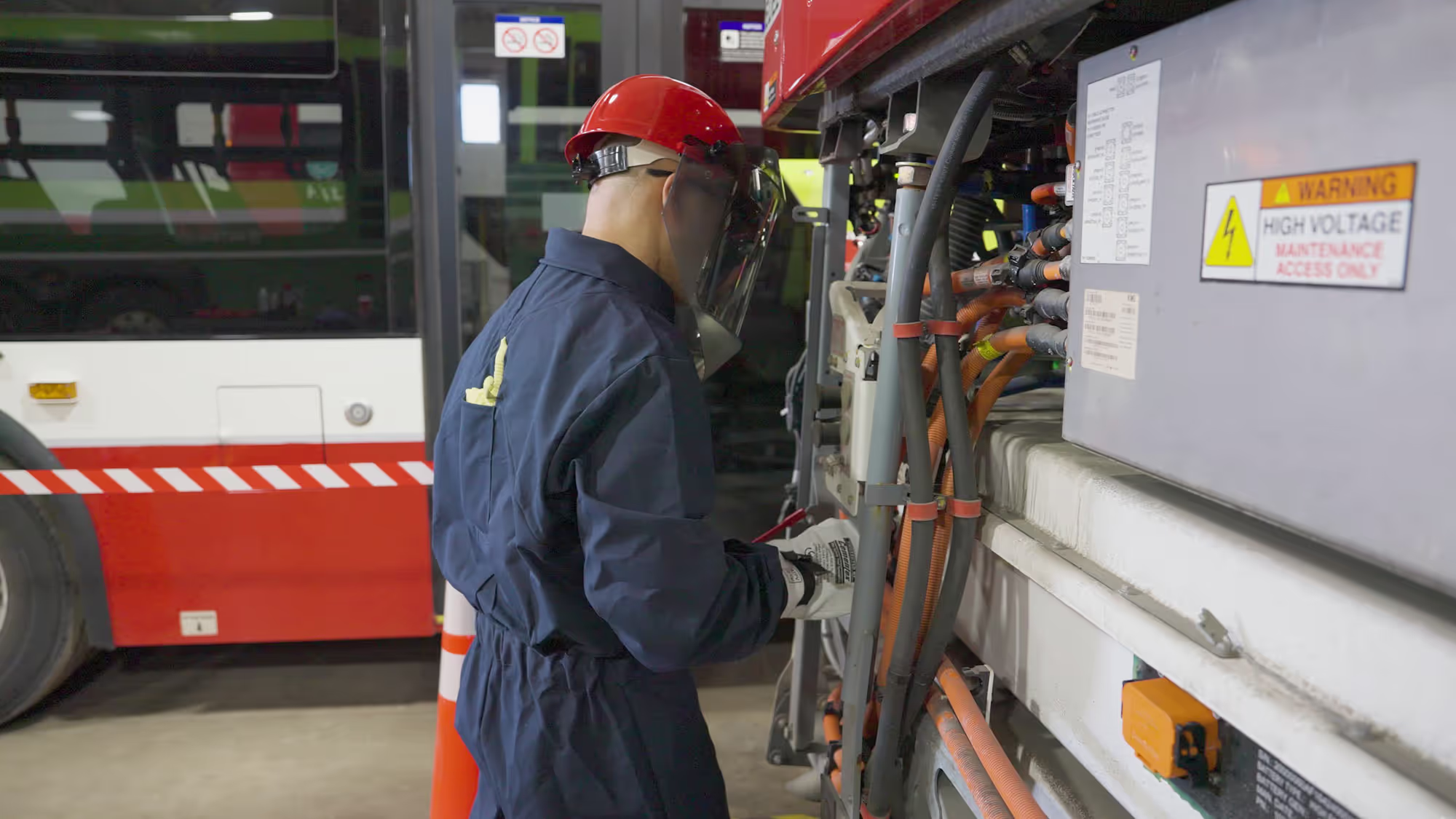
High Voltage Training

Work safely and effectively with high-voltage systems

Charger Installation
Contributes to the seamless integration of electric vehicles

Electrical Engineering
Get your skills in electrical engineering tailored to the transit industry
Bus Service (MBCT)
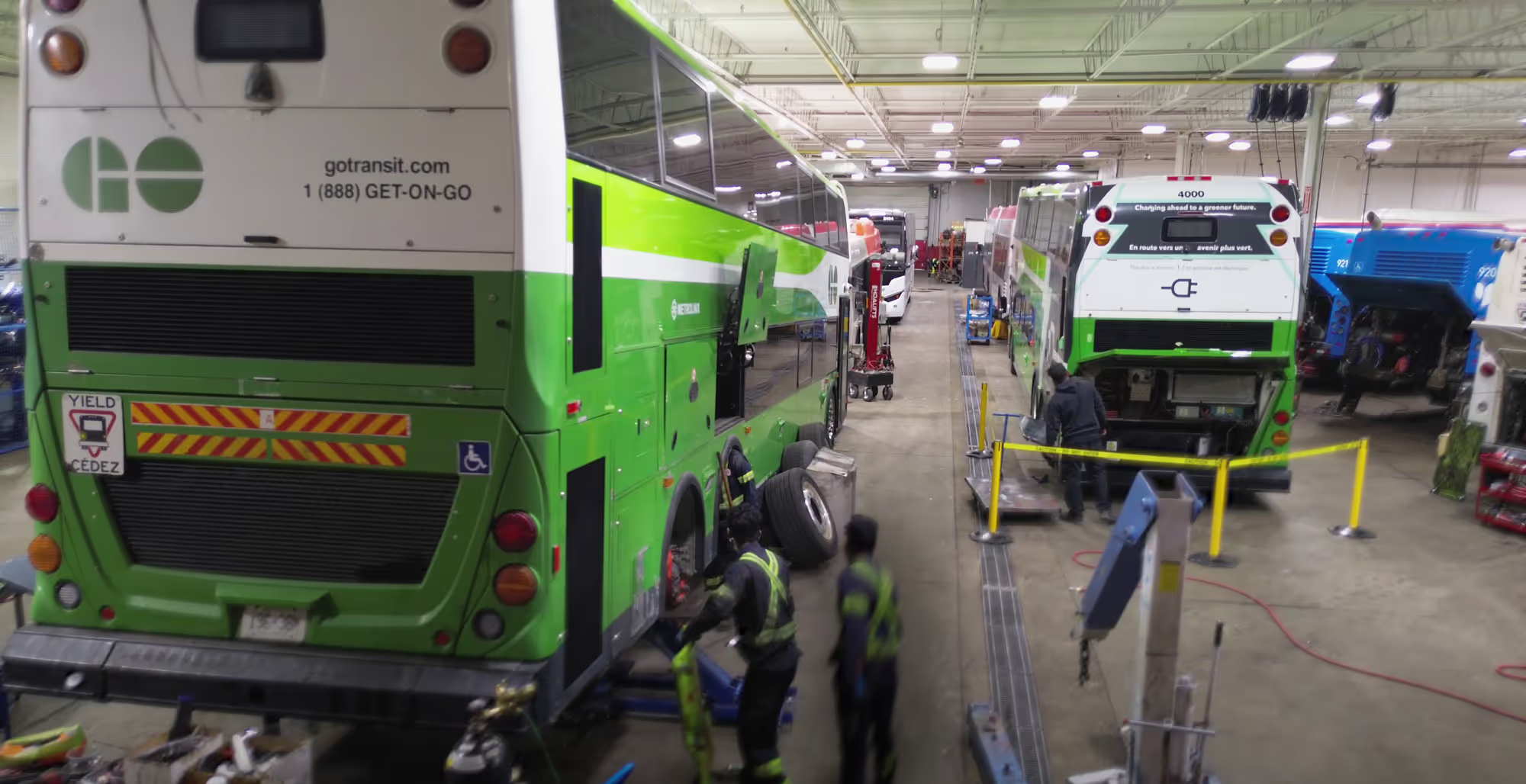
Comprehensive bus service ensuring reliable maintenance, repairs, and safety compliance.
MICROTRANSIT

Paratransit Buses
Learn more about our paratransit vehicles and how we’re improving mobility for people with disabilities and underserved riders.

Micromobility Buses
Discover how our buses support both paratransit needs and provide efficient service in low-ridership areas.

Minibuses for Campuses
Learn how modern electric minibuses create smoother, safer, and more convenient transportation for students and staff.

.svg)
There is no previous post
Previous Post
Next Post
There is no next post
Evaluating Transit Vehicles Beyond Specifications: Why Lifecycle Thinking Matters
No items found.
Selecting a transit vehicle has become one of the most strategic investment decisions a transit agency will make. Every vehicle becomes part of a long-term public asset portfolio expected to deliver reliable service, operational efficiency, and value throughout years of revenue operation. As a result, procurement decisions extend far beyond the initial purchase, influencing fleet availability, maintenance planning, workforce readiness, parts strategy, operating costs, passenger experience, and ultimately the return on public investment.
The true value of a transit vehicle is therefore measured not only by its purchase price, but by how consistently it performs, how efficiently it can be maintained, and how well it continues to support reliable transit service throughout its operational life.
Vehicle procurement is equally a decision about partnership. The technical capability of both the manufacturer and its distribution partner plays an important role in how successfully a vehicle is introduced, maintained, and supported as technologies continue to evolve. Access to engineering expertise, diagnostics, technical documentation, training, replacement parts, software updates, and product knowledge all contribute to long-term fleet performance and operational resilience.
Fleet availability remains one of the most important indicators of transit system performance. Every vehicle unavailable for service affects scheduling flexibility, operating costs, customer confidence, and service reliability. Reducing downtime is therefore not simply a maintenance objective—it is an operational priority.
Engineering Experience That Extends Beyond Vehicle Distribution
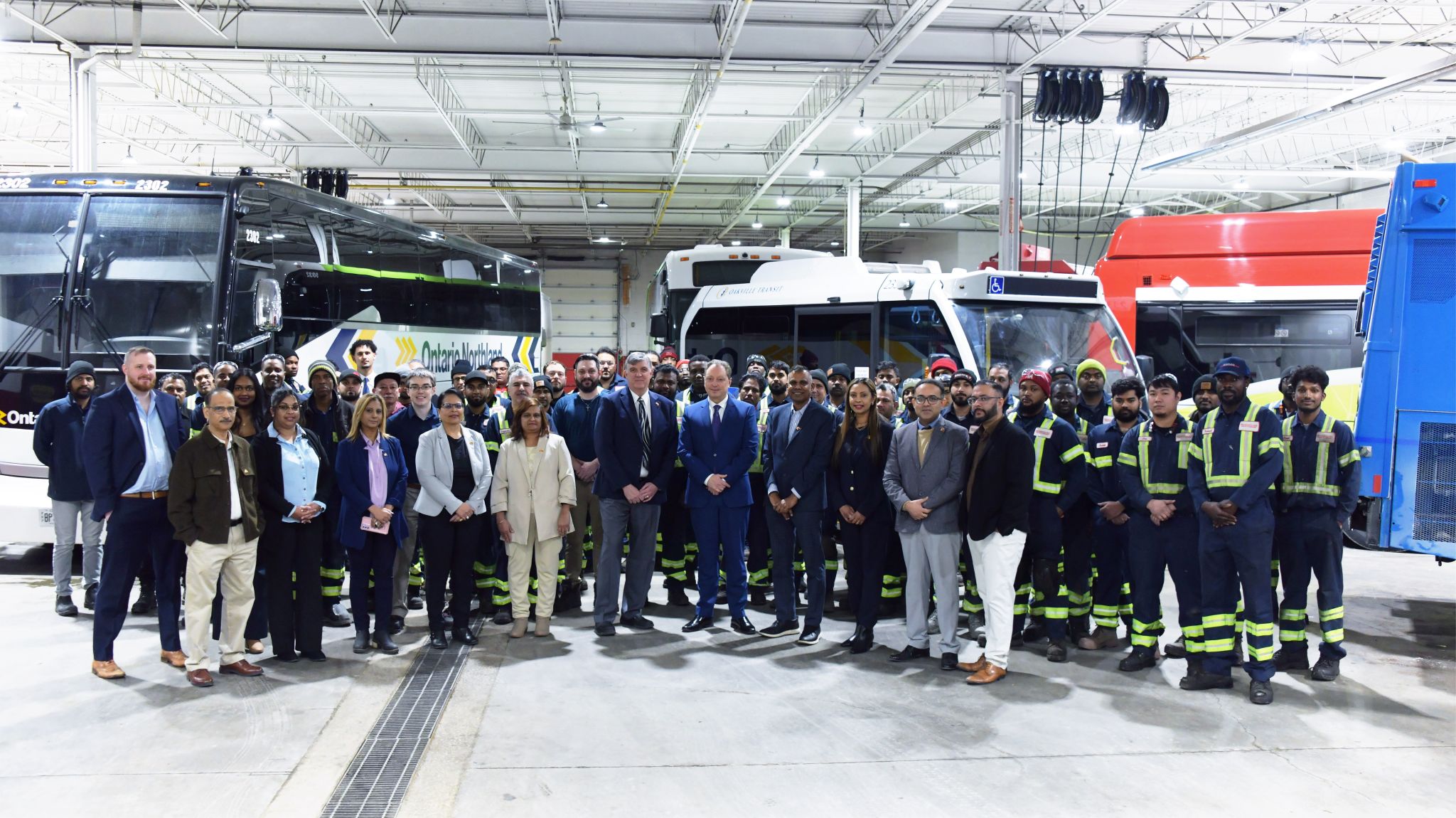
As part of the Damera Group, our perspective has been built through decades of supporting transit agencies across maintenance, diagnostics, refurbishment, parts supply, technical training, and fleet electrification. This practical experience provides our engineering and technical teams with a comprehensive understanding of how transit vehicles perform under the demands of continuous revenue service and what engineering decisions most influence long-term reliability, maintainability, and operational efficiency.
Working across complete vehicle systems—including propulsion, electrical and electronic architecture, accessibility systems, HVAC, structural components, driveline technologies, and advanced diagnostics—has given our teams a systems-level understanding of vehicle performance.
Through refurbishment programs, we do considerably more than replace worn components. Complete vehicle rebuilding requires detailed evaluation of structural integrity, system integration, component interaction, common failure modes, maintainability, durability, and long-term asset performance. This engineering perspective allows us to evaluate new vehicle technologies through the lens of real-world transit operations rather than product specifications alone.
Strengthened Through OEM Collaboration
Our capabilities are further reinforced through certified relationships with globally recognized manufacturers, including Allison Transmission, Cummins, ZF, Voith, ABB, MAN, Vapor Bus, Fleetguard, and Lucerix.
These partnerships ensure our engineering and technical teams remain aligned with evolving technologies, manufacturer standards, diagnostic methodologies, and maintenance procedures. This continuous knowledge transfer strengthens our ability to evaluate emerging vehicle platforms, provide informed technical guidance, and support transit agencies in making confident fleet investment decisions.
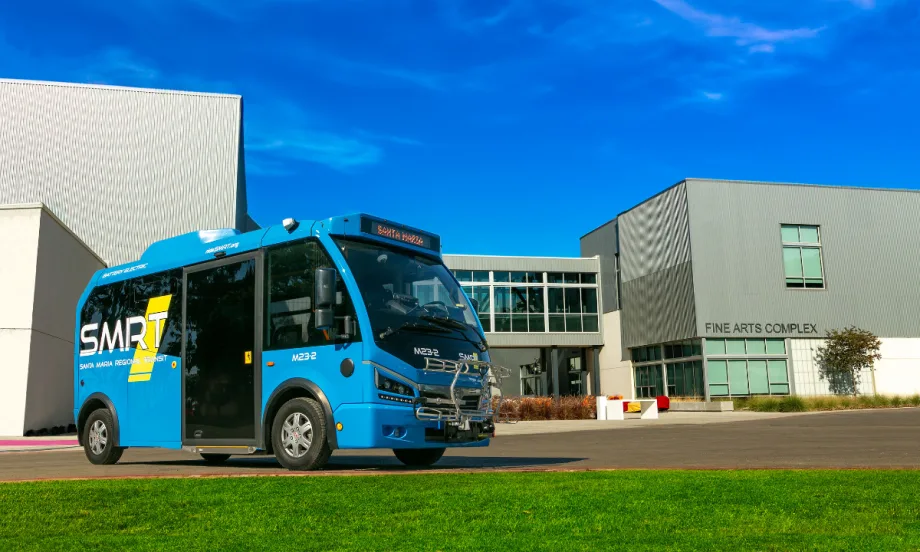
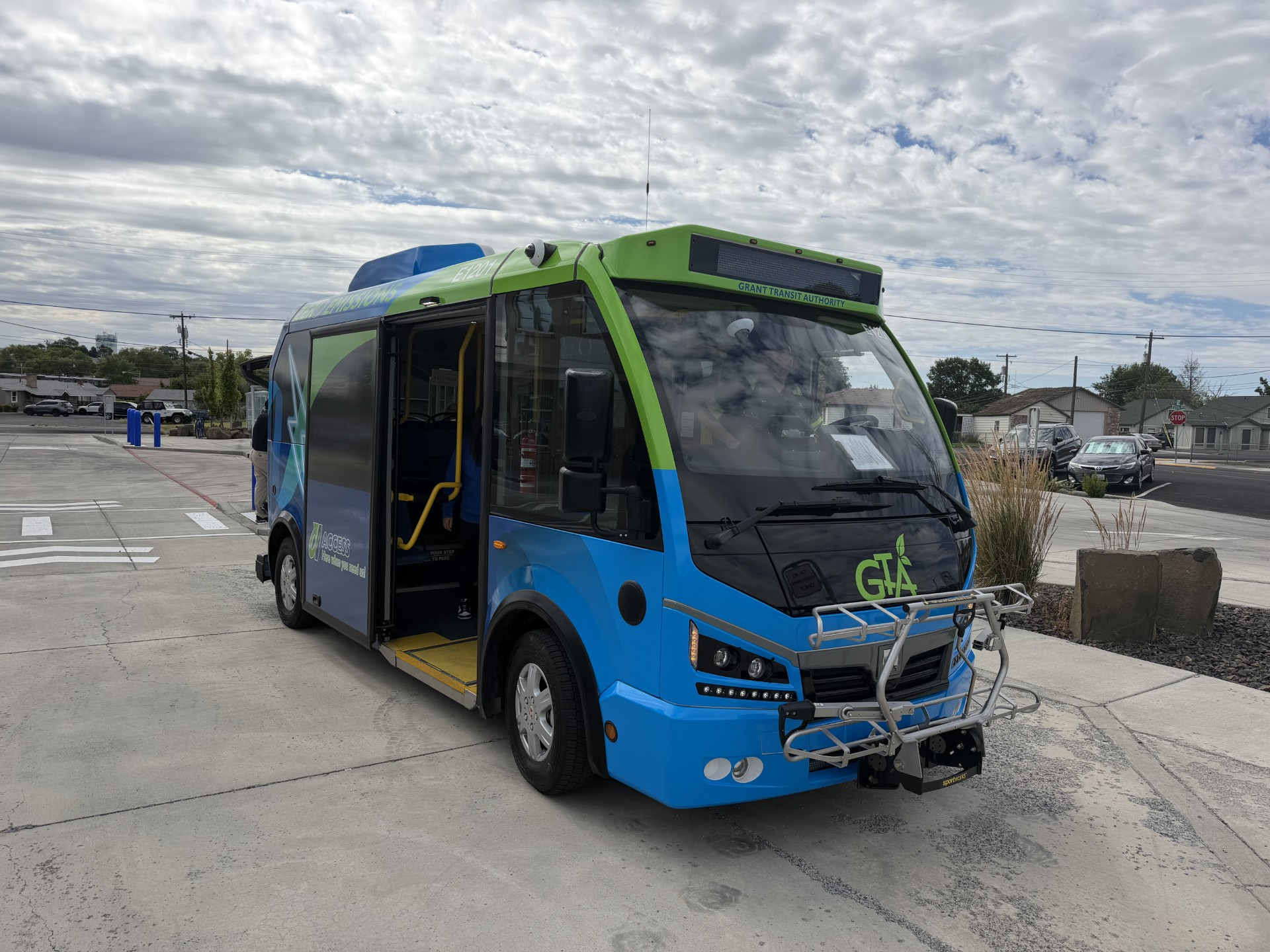
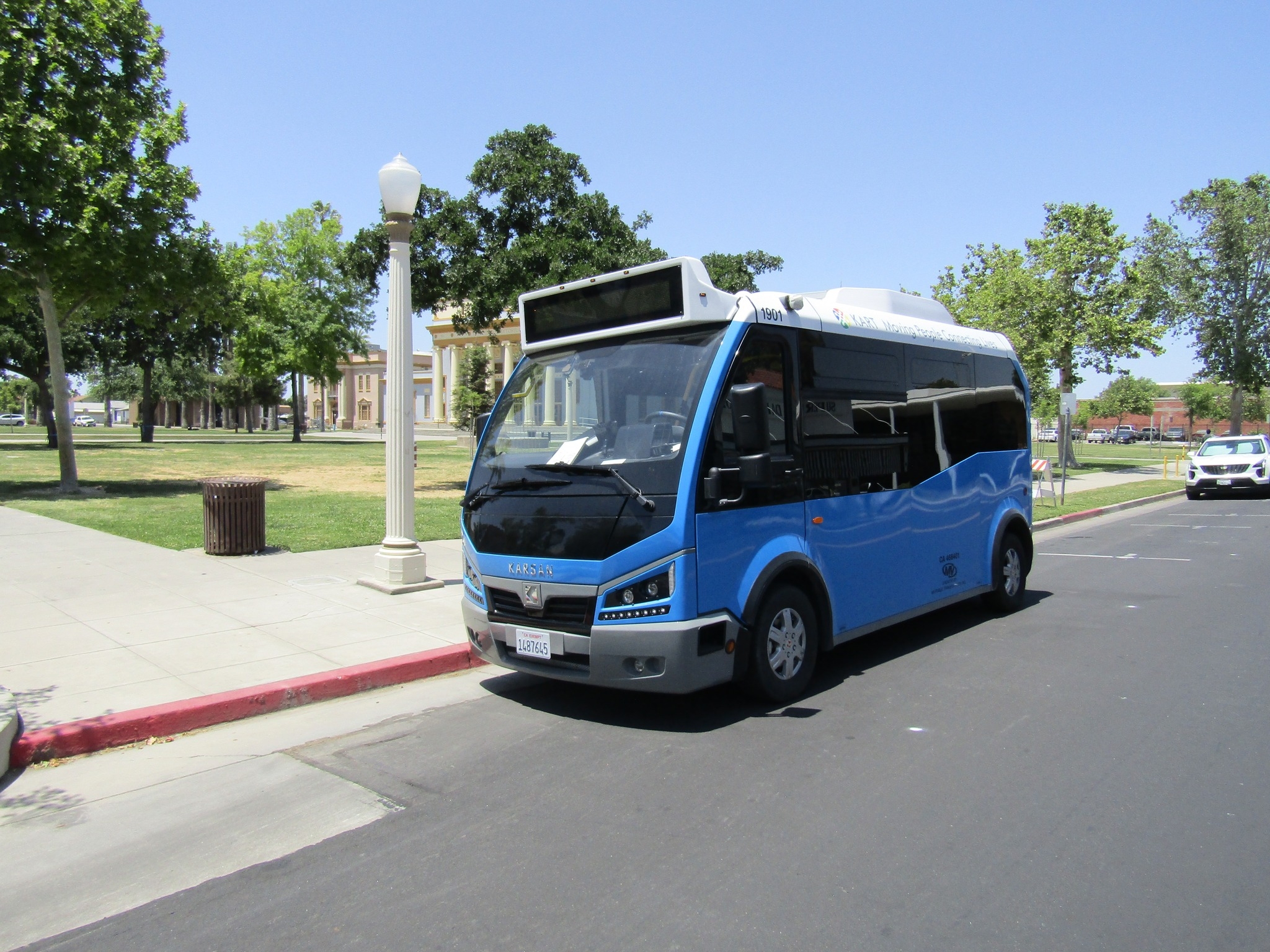
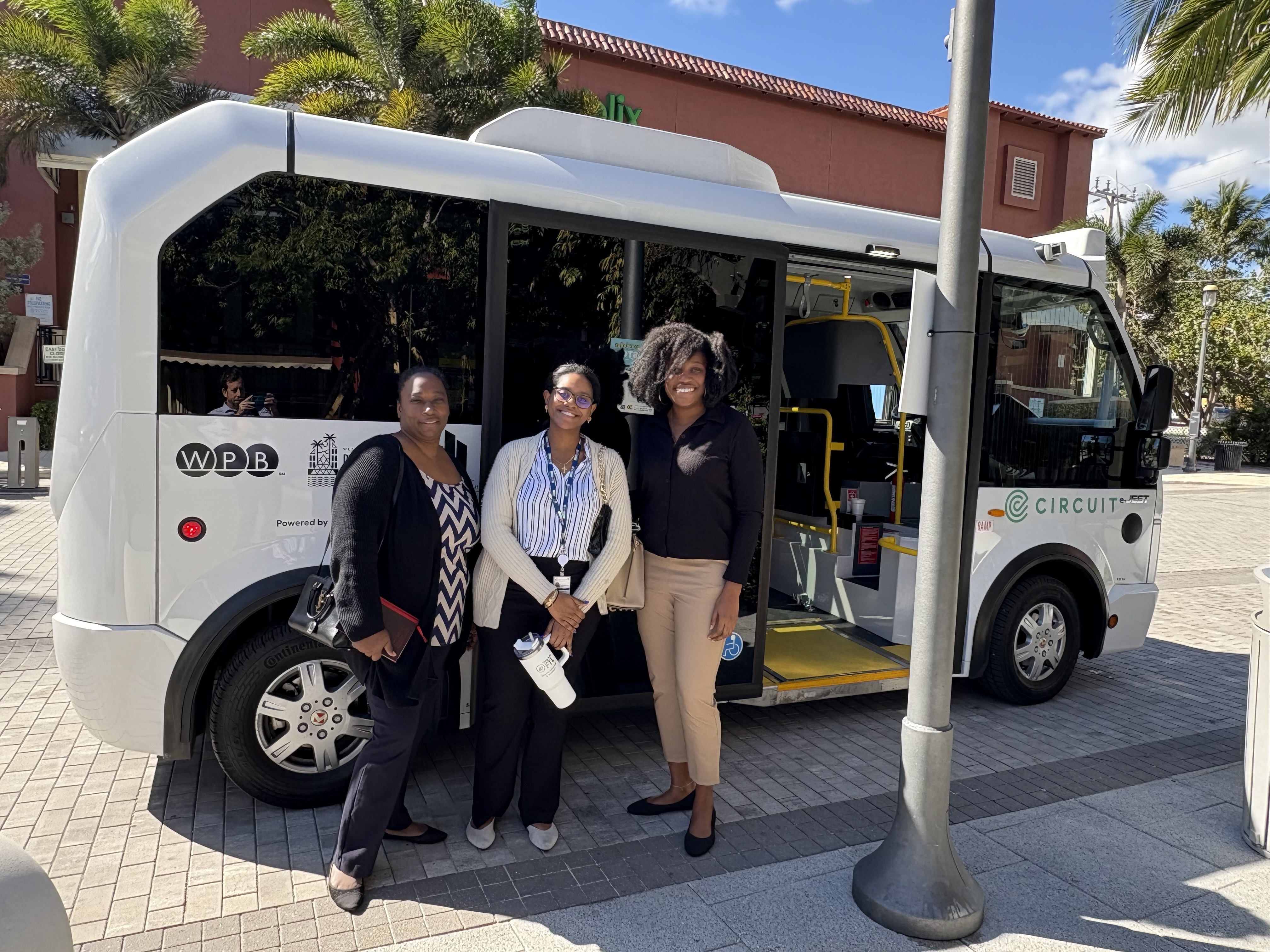
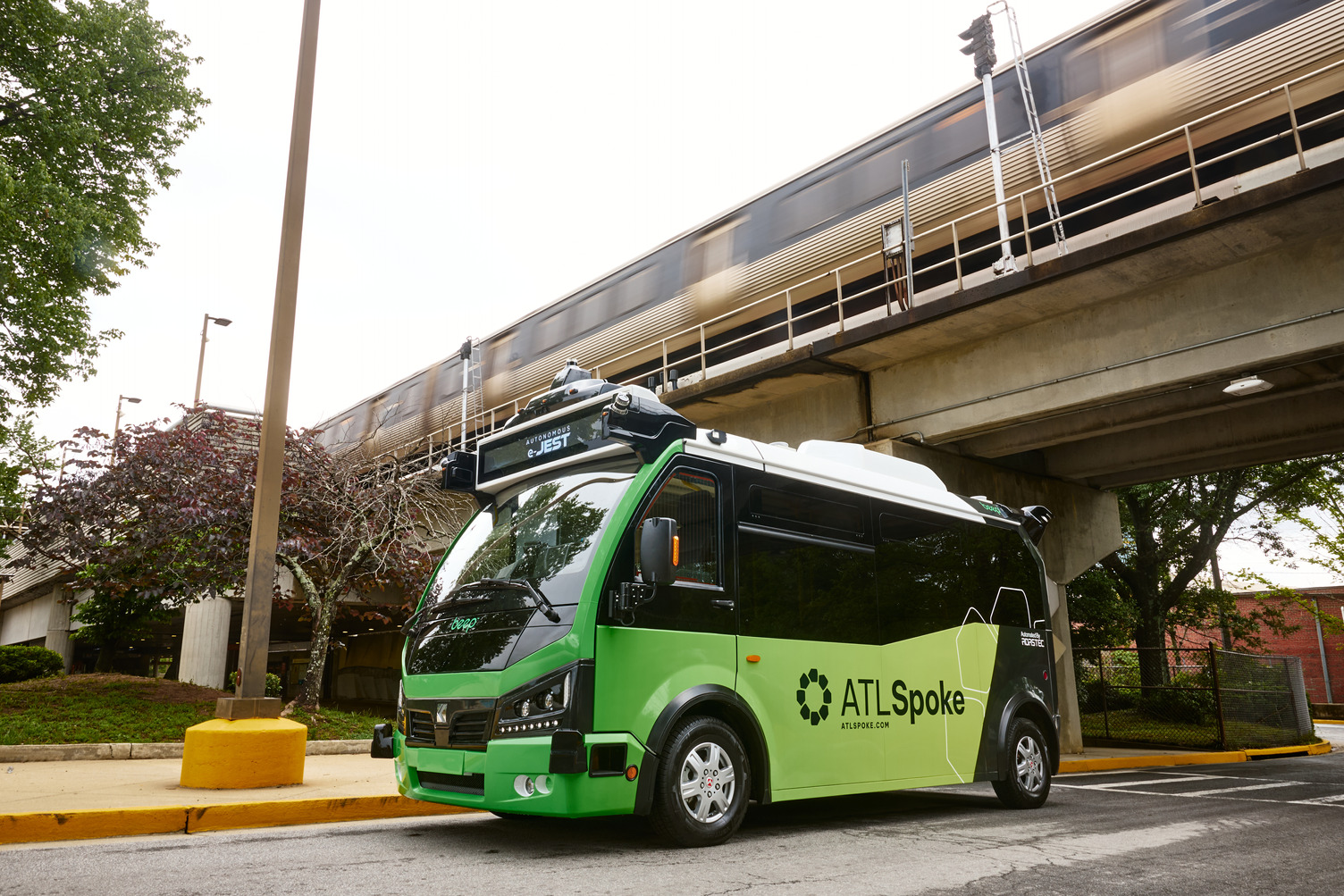
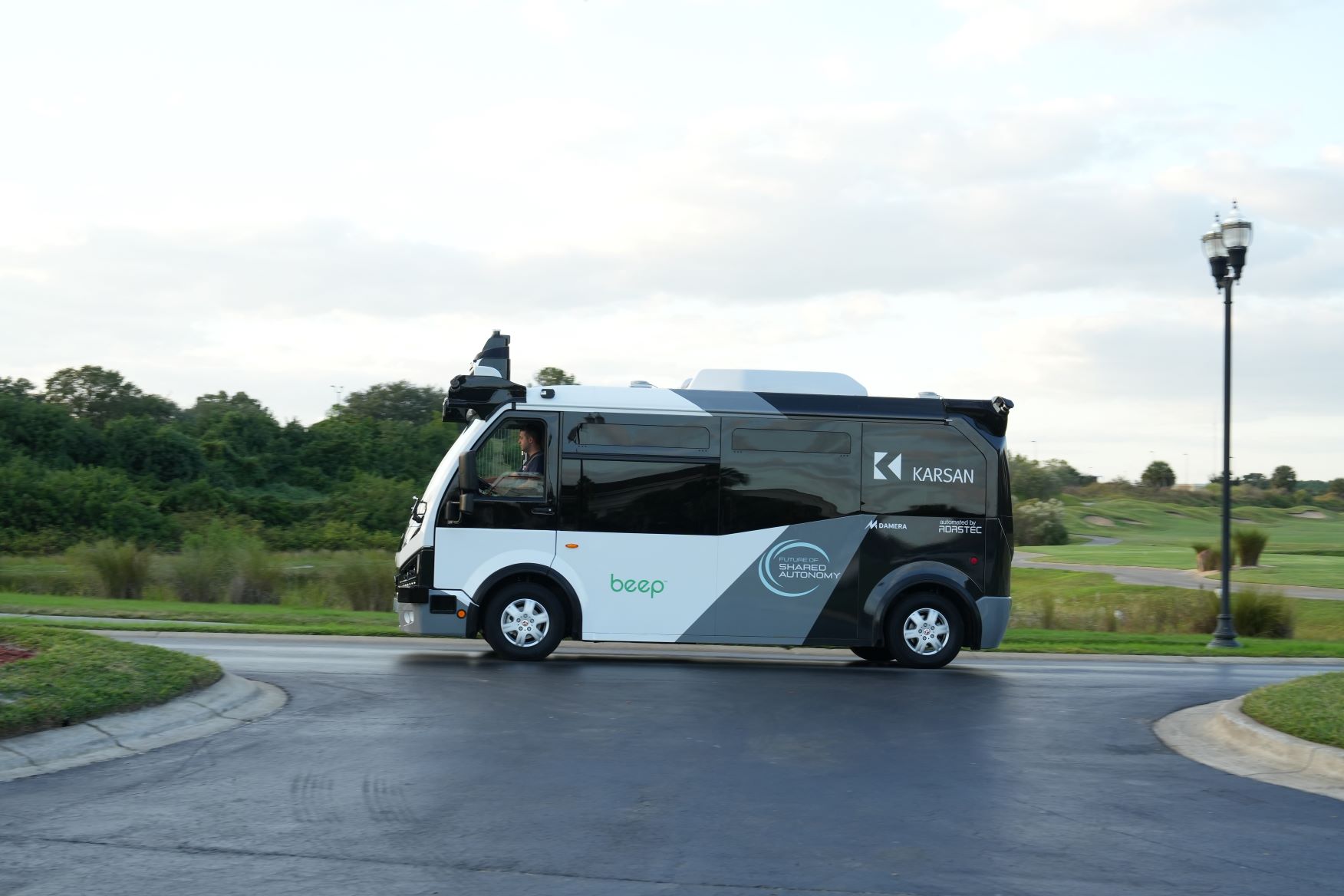
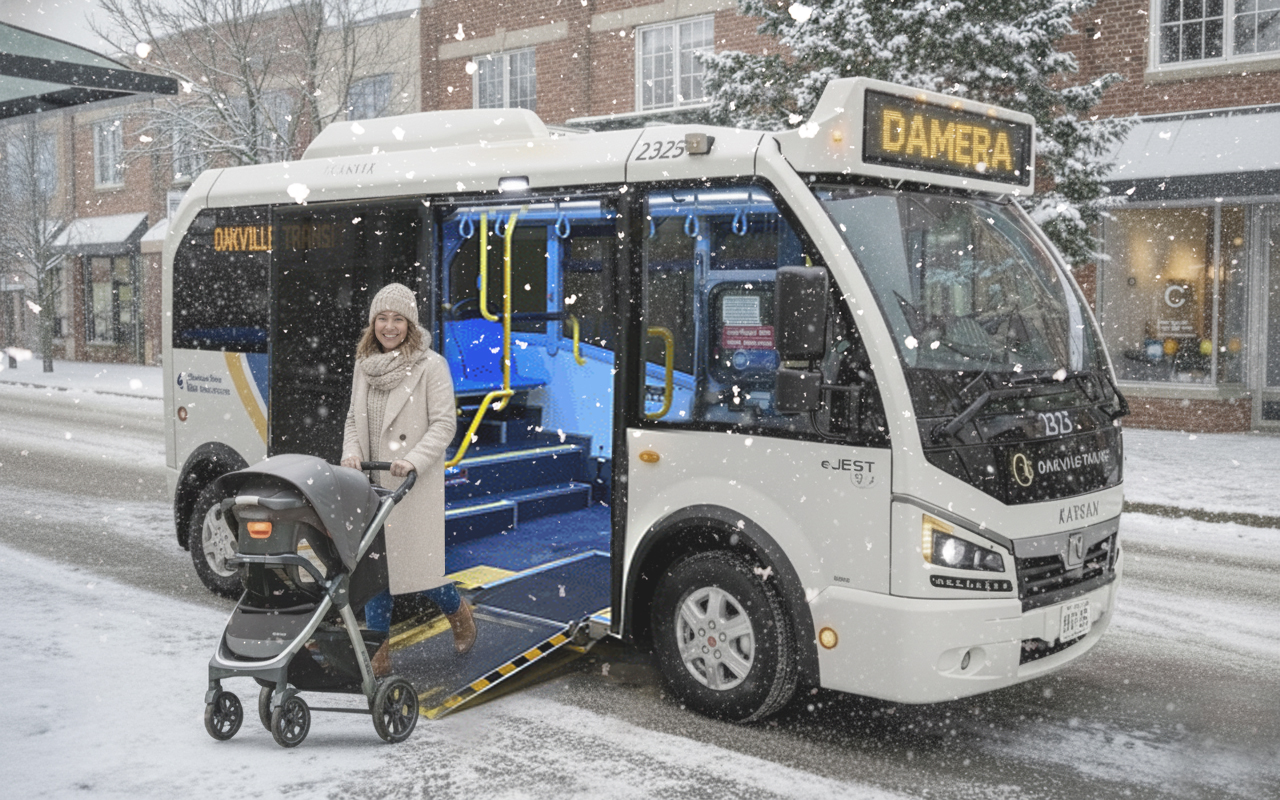
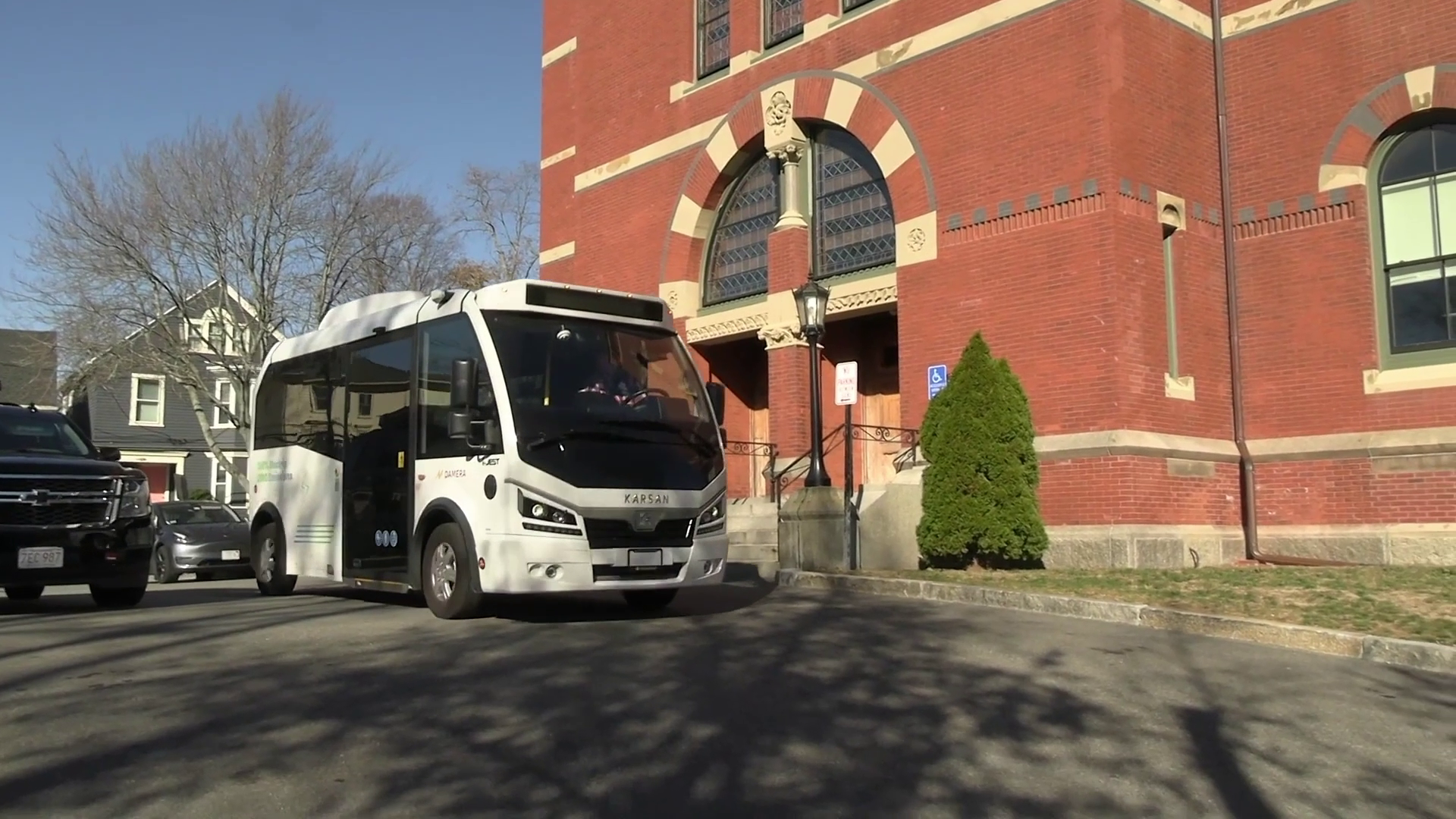
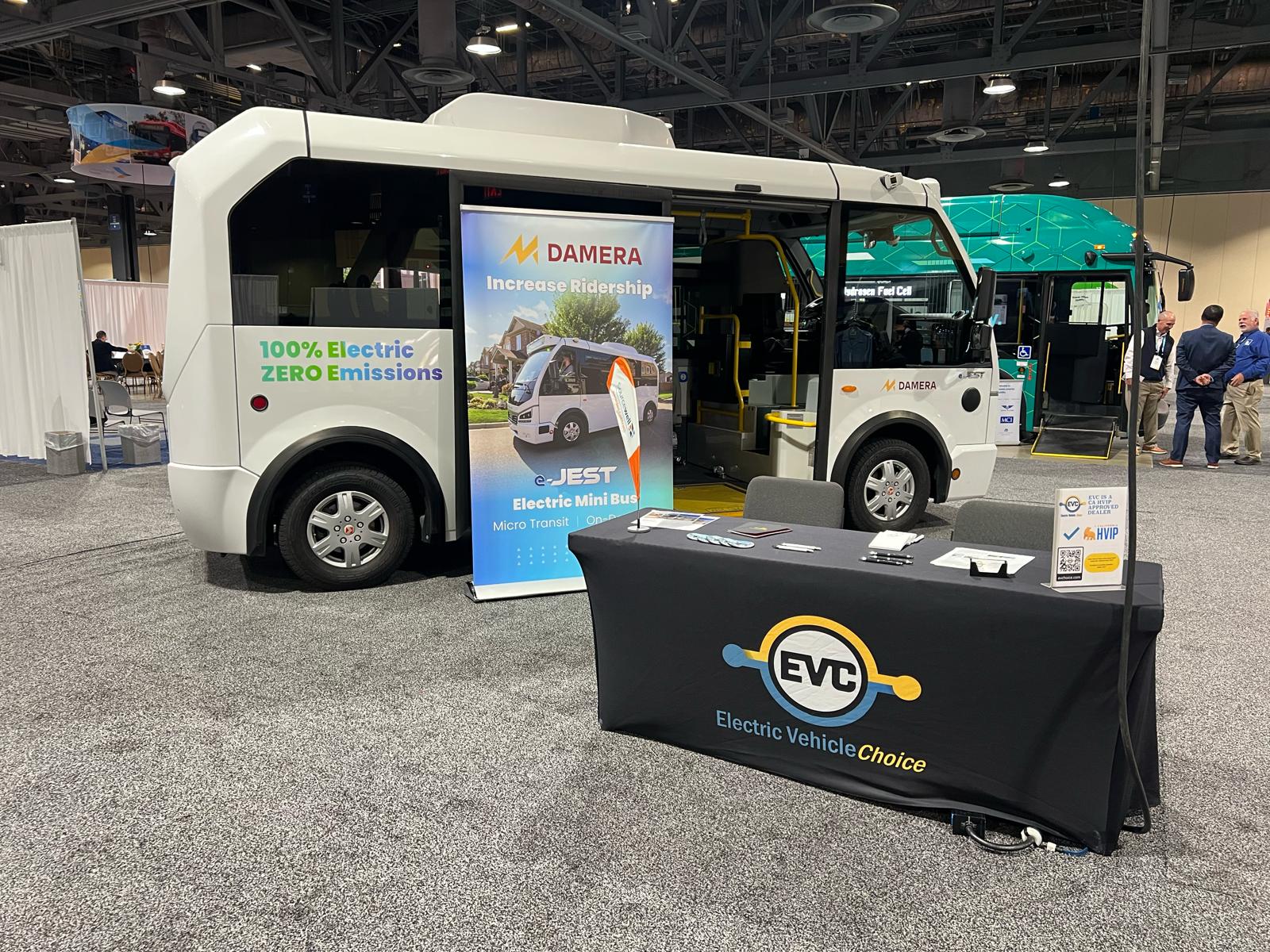
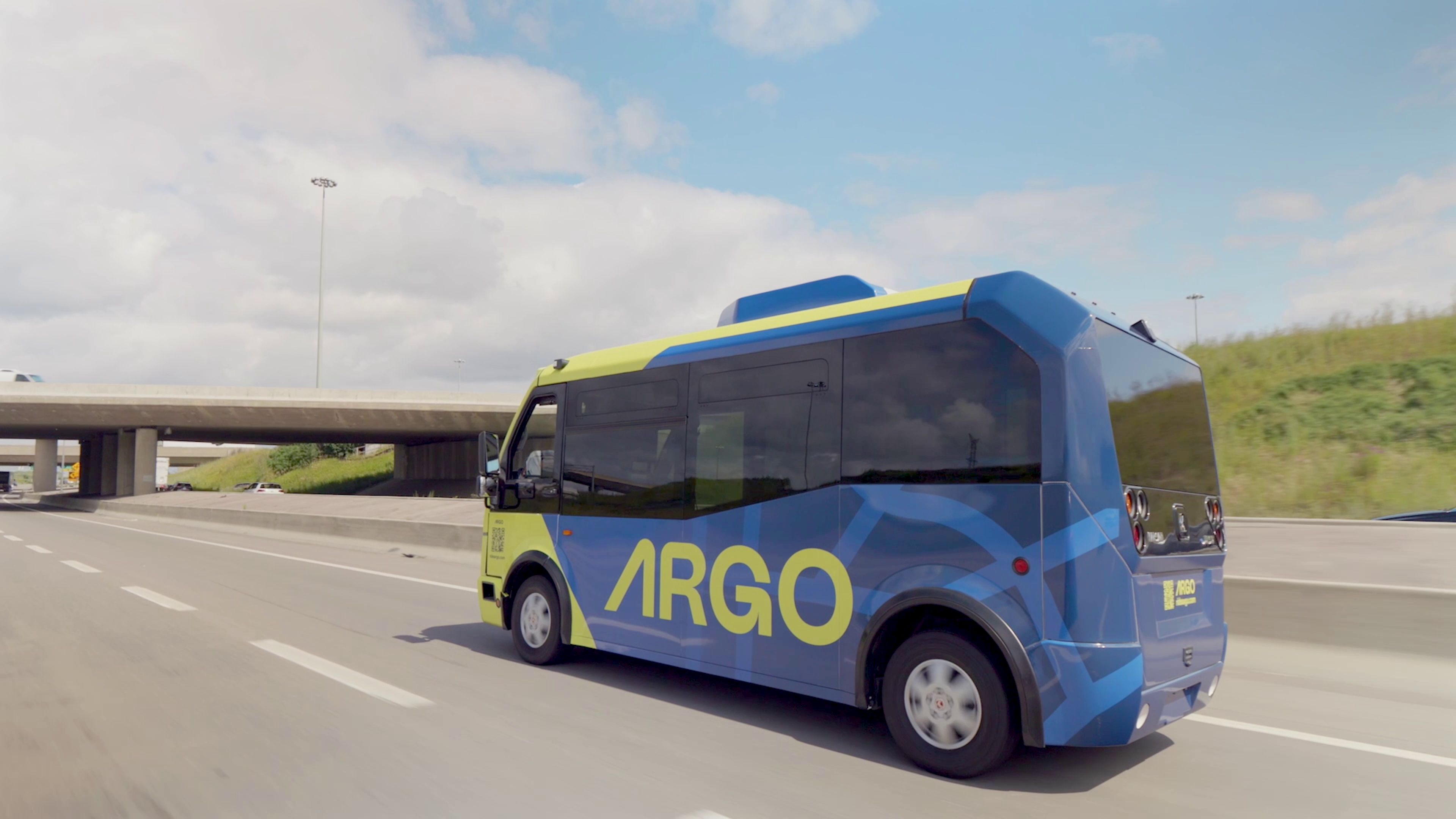
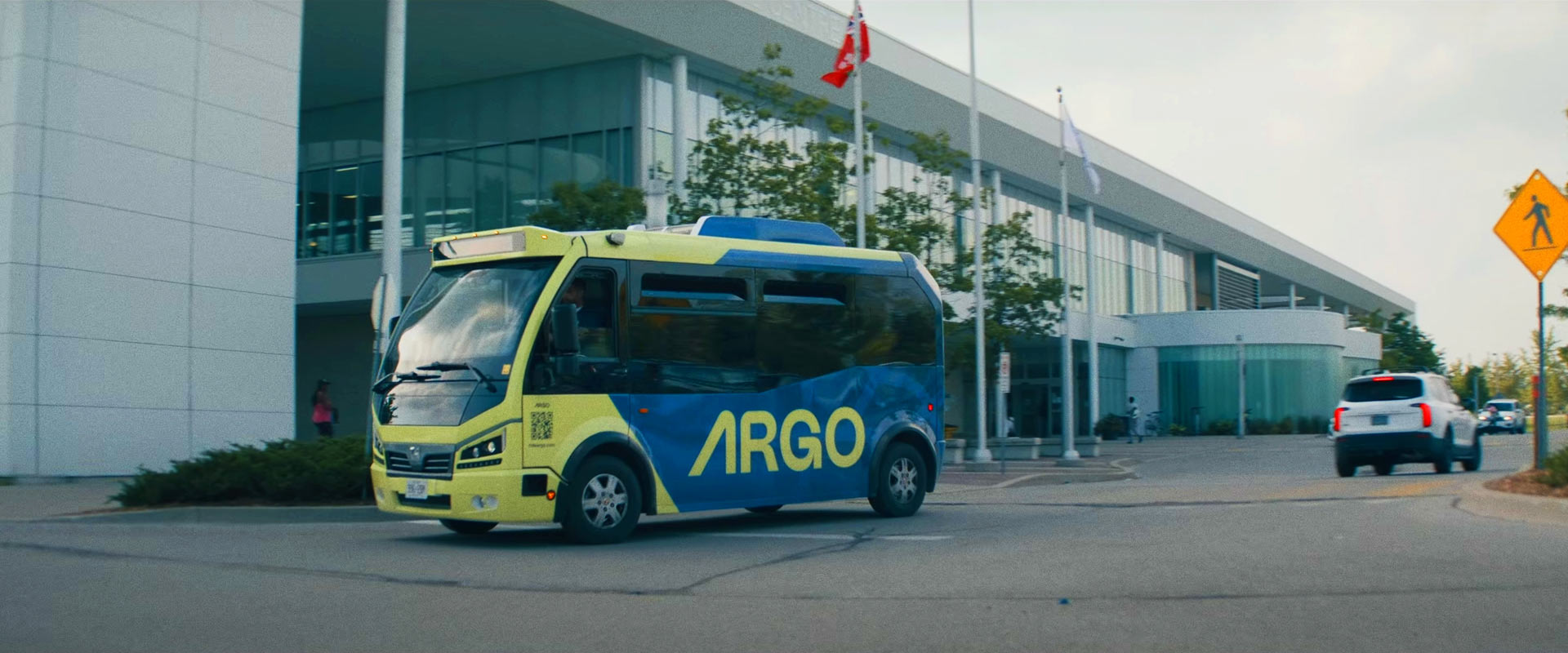
Before introducing vehicles such as the Karsan eJEST and Autonomous eJEST to the North American market, we assess much more than published specifications. Engineering architecture, accessibility, maintainability, diagnostic capability, serviceability, durability, and operational suitability are all evaluated to ensure each platform is capable of meeting the expectations of modern public transportation.
Alongside the technologies we represent, Damera Corporation continues to invest in engineering initiatives focused on advancing the future of accessible public transportation. Our objective is to develop practical innovations that improve passenger accessibility, operational efficiency, service reliability, and the long-term sustainability of transit systems.
Knowledge Transfer Supports Successful Deployment
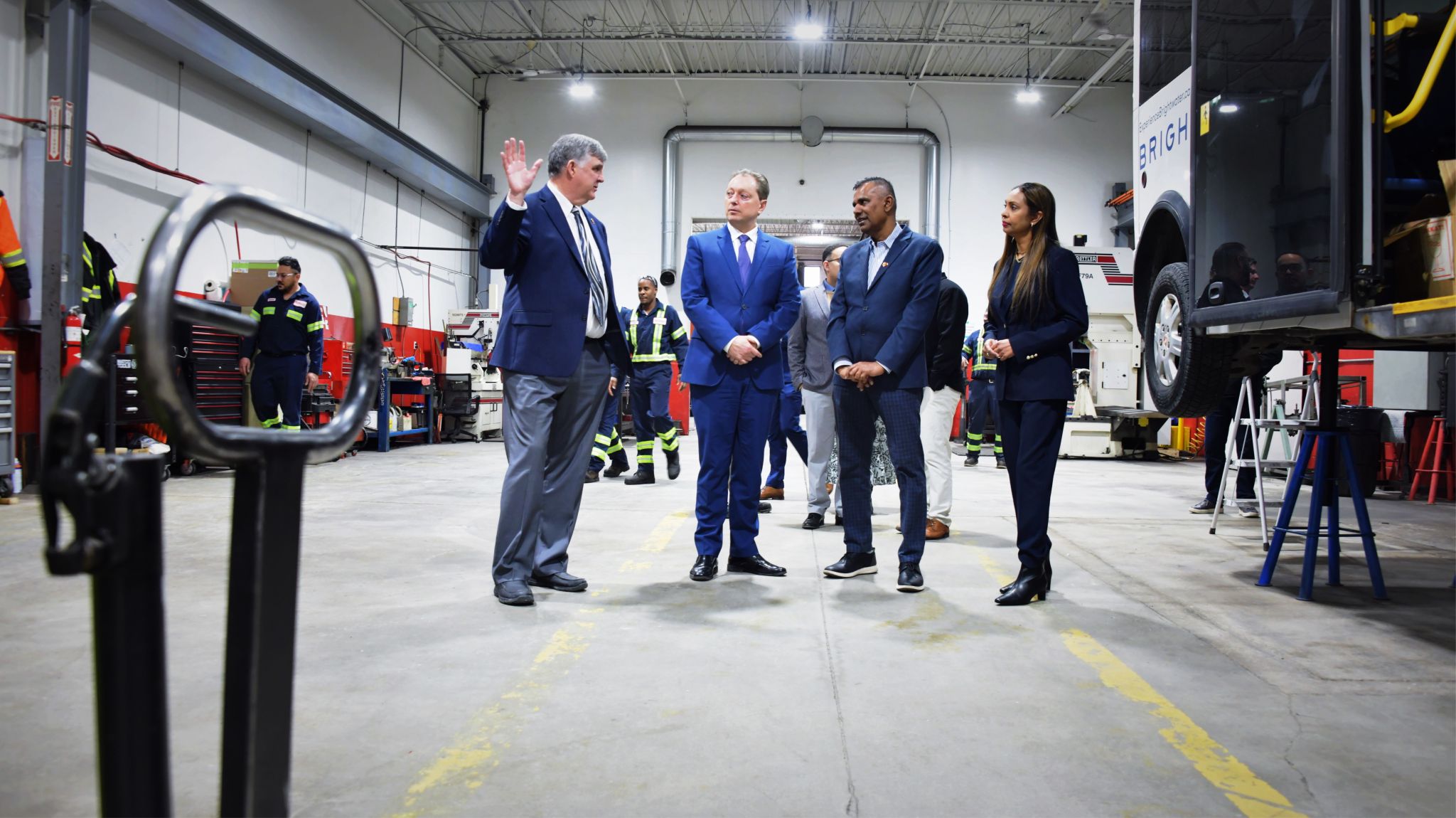
Successfully introducing a new vehicle platform requires more than delivery. Every vehicle purchase or pilot deployment includes onsite commissioning together with operator and maintenance training, enabling transit agencies to confidently integrate new technologies into daily operations while establishing the technical foundation required for safe, reliable, and efficient service from the first day of revenue operation.
Electrification Is an Operational Transformation
Battery-electric transit should be viewed as far more than a vehicle replacement program. Successful fleet electrification depends upon the integration of charging infrastructure, energy management, diagnostics, software, maintenance practices, technician competency, parts support, and long-term operational planning.
Understanding how these elements interact enables agencies to evaluate electrification as a complete operating strategy rather than simply another procurement project. Drawing upon experience across these interconnected disciplines, Damera helps customers prepare for the long-term operation of zero-emission fleets while minimizing implementation risk.
Why Right-Sized Electric Transit Matters
That systems-based philosophy shapes every technology we introduce to the North American market.
As travel patterns continue to evolve, transit agencies increasingly require a broader range of vehicle classes capable of serving diverse operating environments efficiently. High-capacity urban corridors, suburban neighbourhoods, campuses, microtransit, first- and last-mile services, and on-demand operations each present different operational requirements.
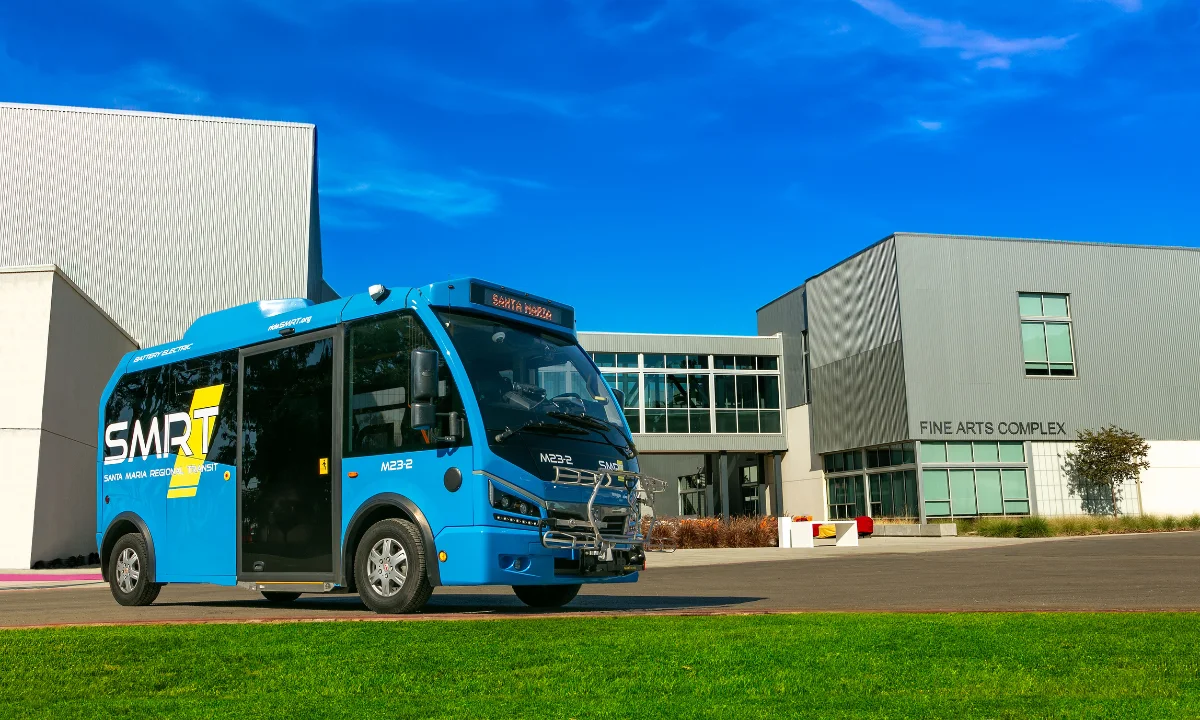
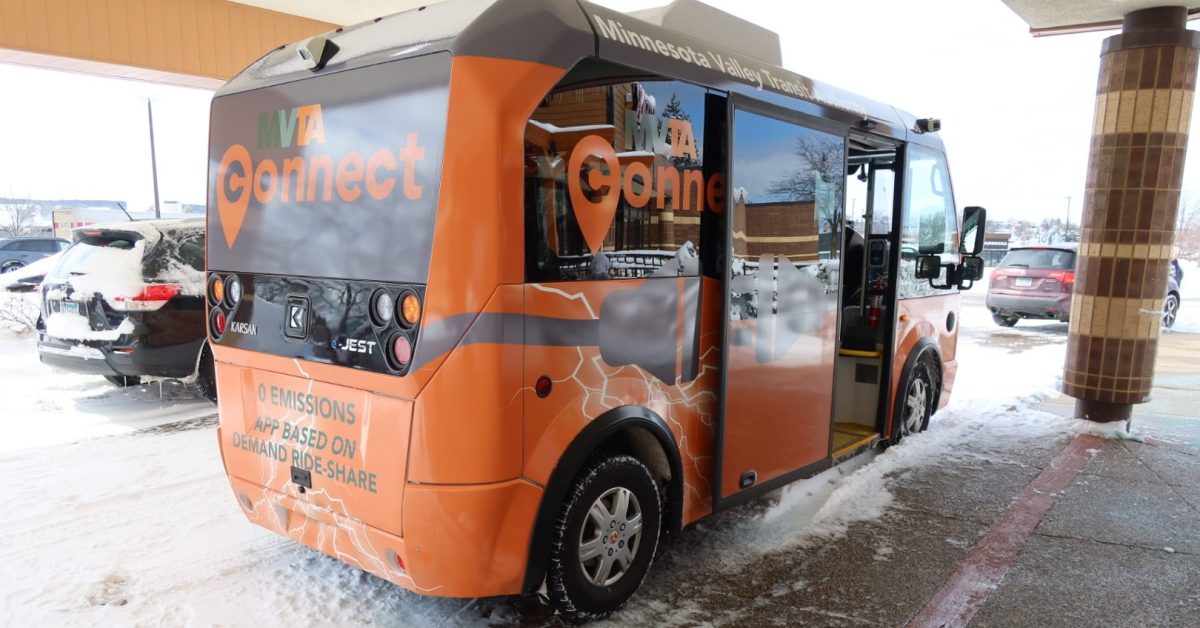
For this reason, Damera Corporation has chosen to focus on the right-sized electric transit segment. Positioned between conventional cutaway shuttles and full-size transit buses, this category provides agencies with a purpose-built solution that better aligns vehicle capacity with passenger demand while maintaining the accessibility, durability, and passenger experience expected of modern public transportation.
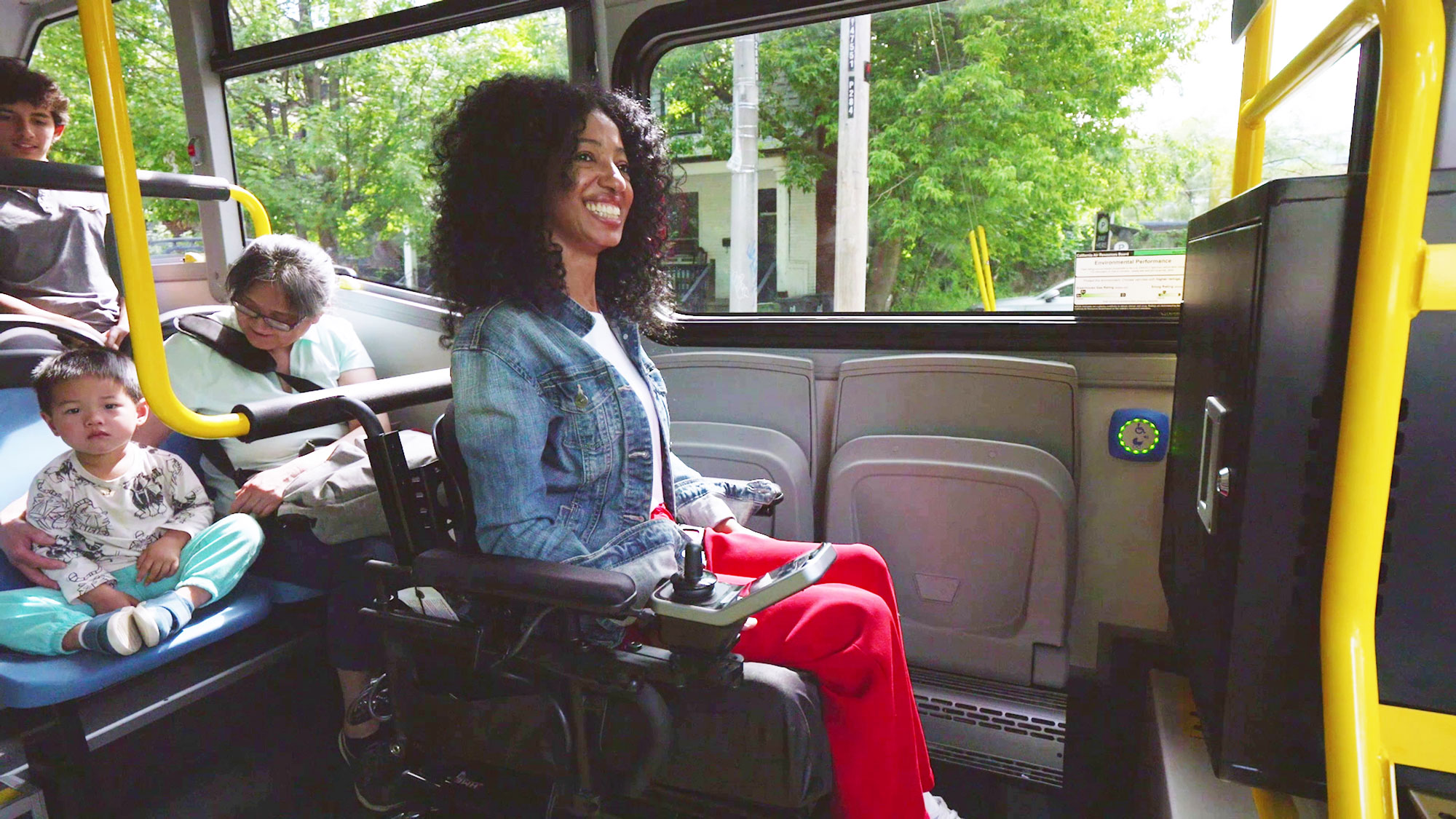
Purpose-built right-sized electric transit combines transit-grade accessibility, structural durability, passenger capacity, and engineering with the maneuverability, compact dimensions, and operating efficiency required for neighbourhood circulation, suburban routes, campuses, airports, healthcare facilities, and first- and last-mile mobility.
We believe every community deserves transit that connects people to opportunity, and every transit agency deserves the flexibility to deploy the right vehicle for the right application.
Looking Forward
Public transportation continues to evolve as agencies balance electrification, accessibility, operational efficiency, workforce development, responsible stewardship of public funding, and growing passenger expectations.
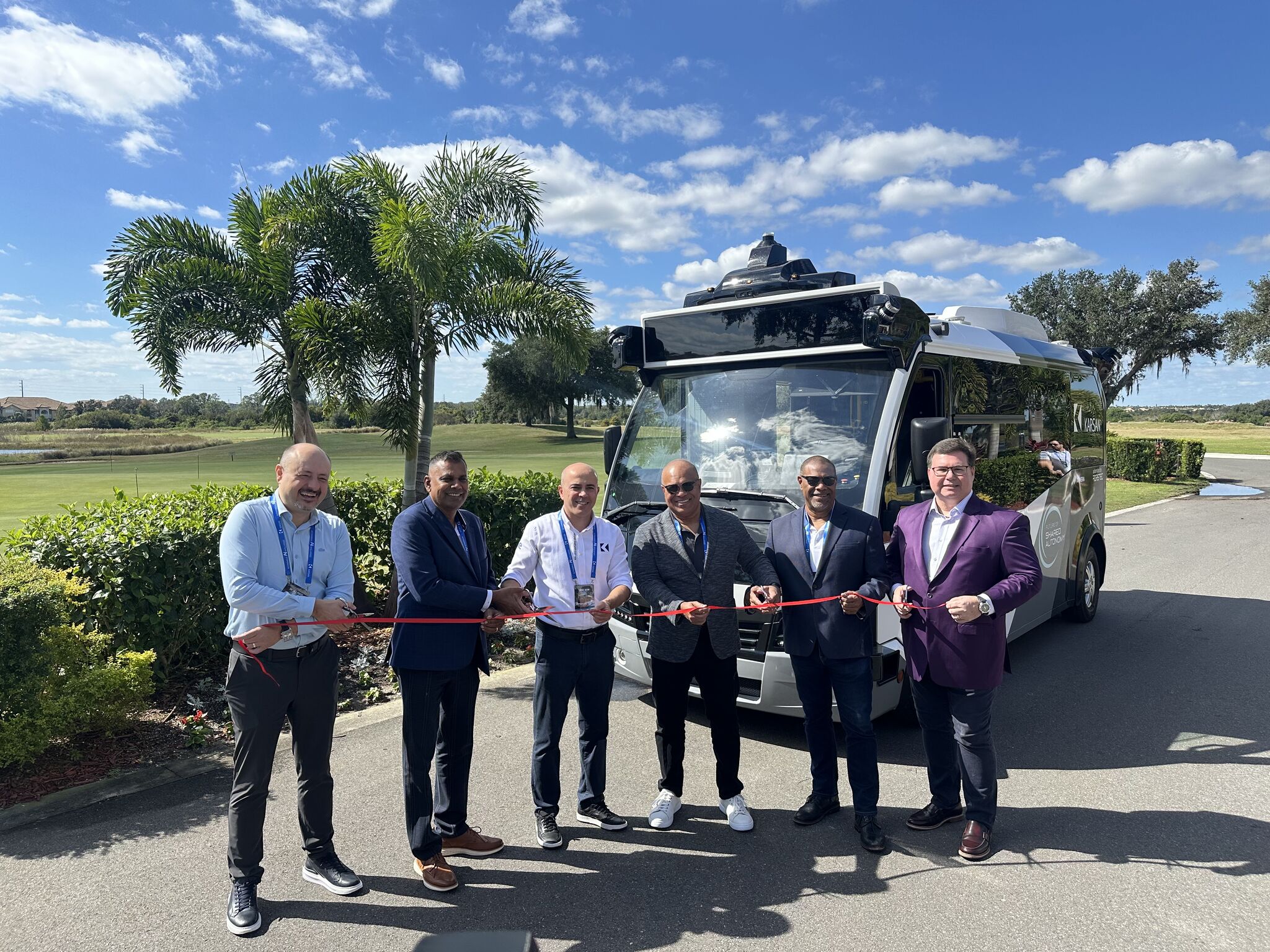
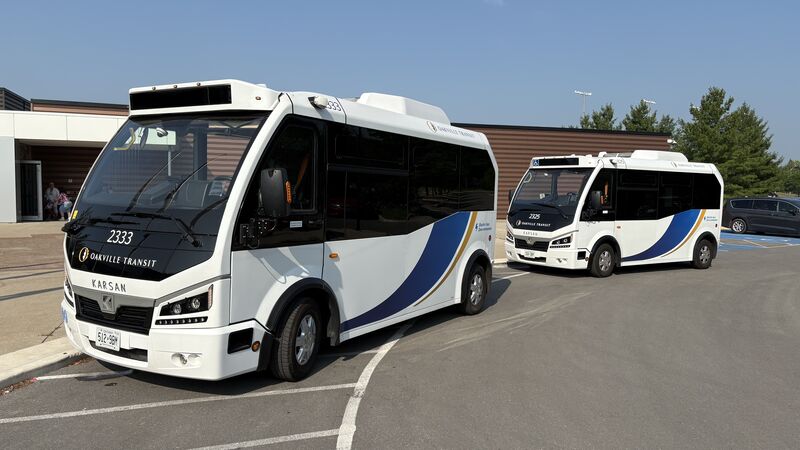
Through deployments across Canada and the United States, Damera Corporation continues to work alongside transit agencies, municipalities, campuses, and industry partners to understand how emerging technologies perform under real operating conditions. These experiences continue to shape the engineering perspective behind every technology we bring to market.
Whether your organization is evaluating fleet electrification, right-sized transit, autonomous mobility, or broader fleet modernization, we welcome the opportunity to discuss how practical engineering expertise, North American deployment experience, and purpose-built mobility solutions can help support your operational objectives and long-term fleet strategy.










.jpeg)








.jpeg)


.jpg)





.svg)