


.svg.avif)




-p-500-p-500.avif)






EV Buses

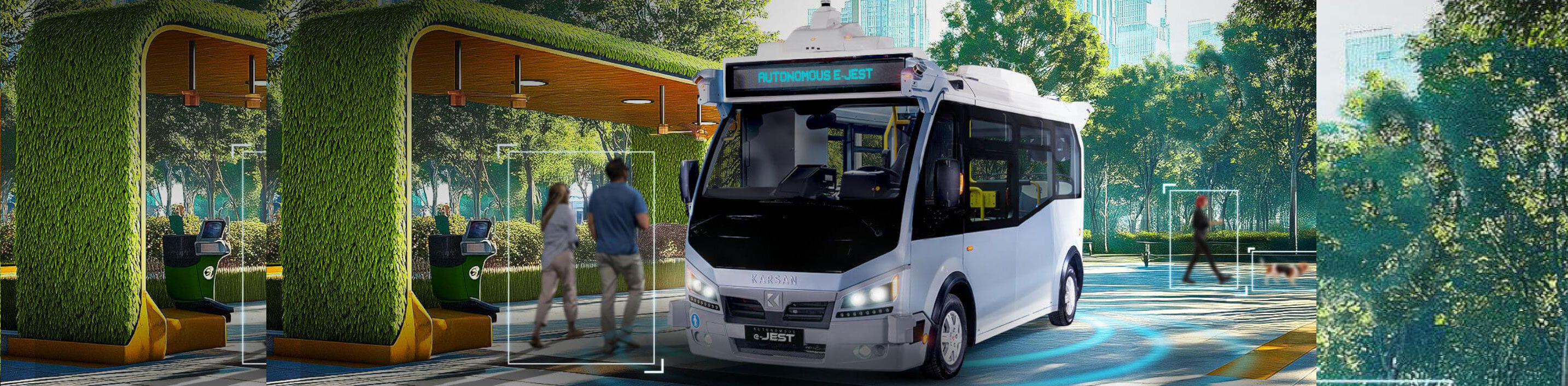
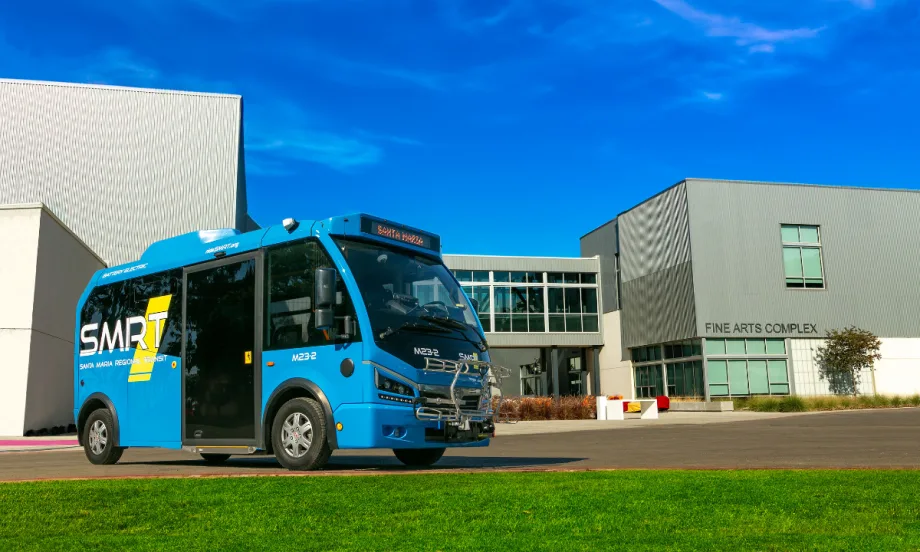
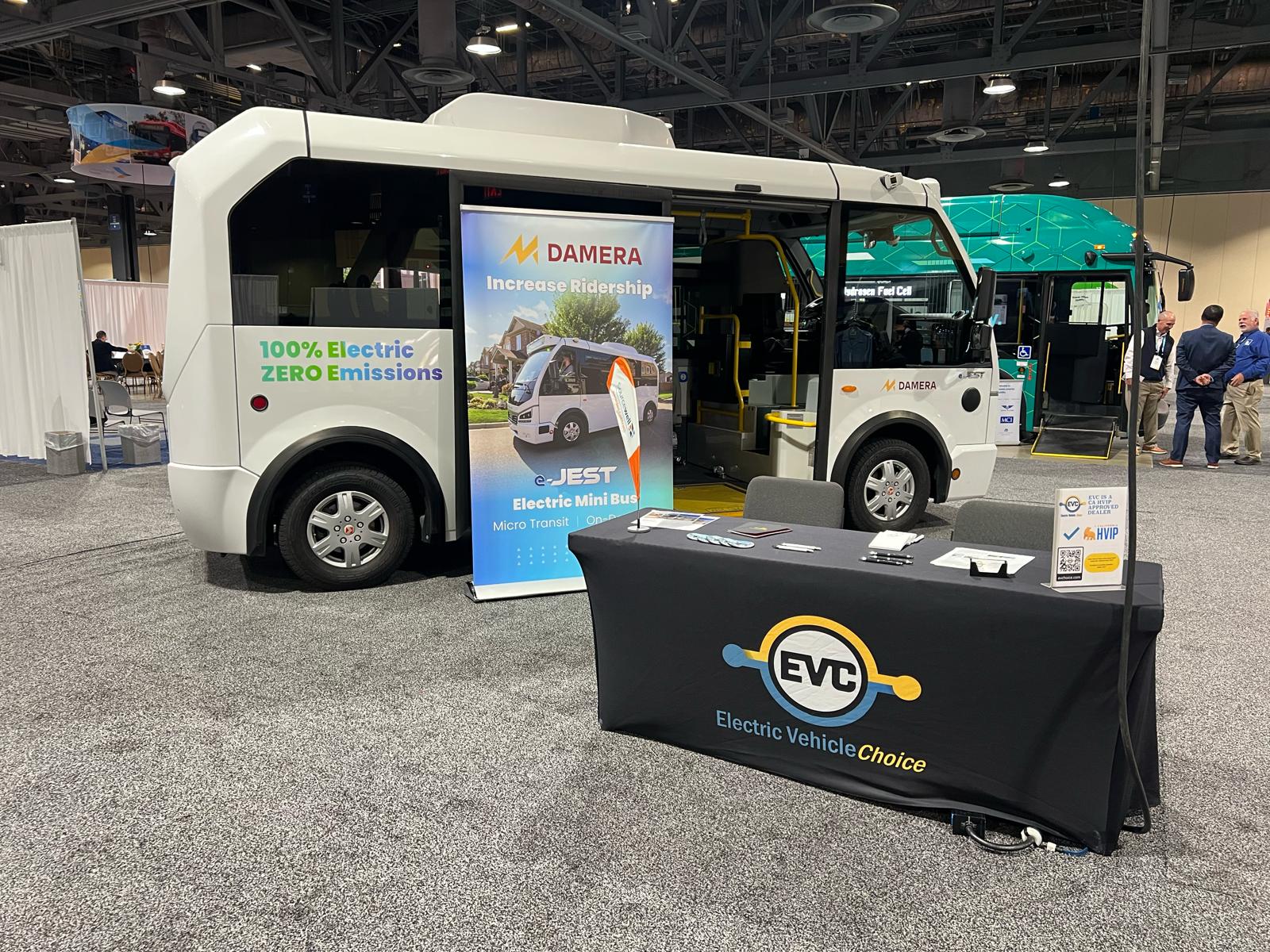
A quiet, efficient, fully accessible electric minibus. The eJEST delivers exceptional maneuverability, low operating costs, and smooth passenger experience.
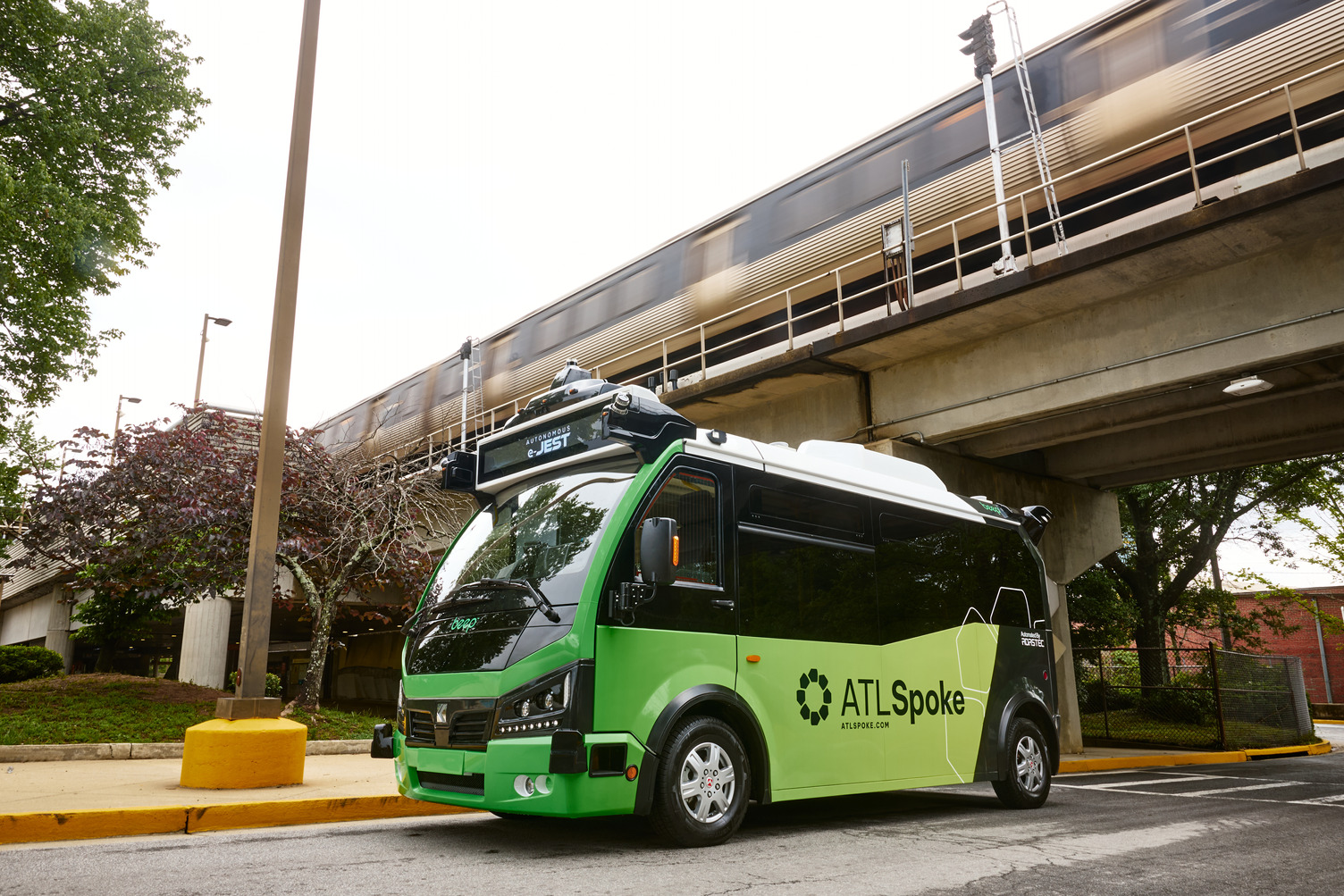
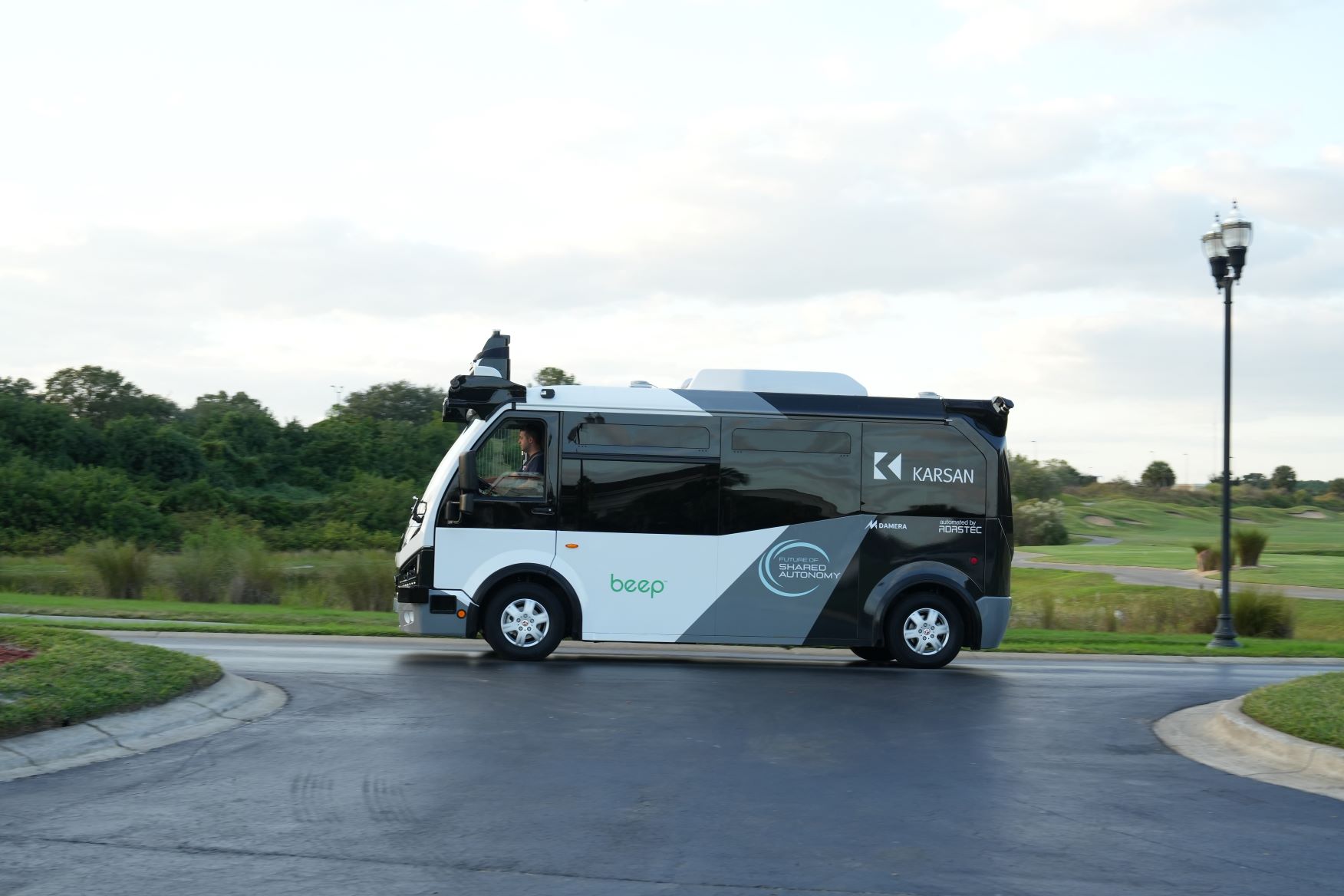
Built on the proven eJEST platform and automated by ADASTEC, this Level-4 autonomous minibus brings reliable, safe, and fully accessible automated transit to real-world routes.


Chargers

All Chargers
Explore all charging options on one page
Services
TUV Level 3
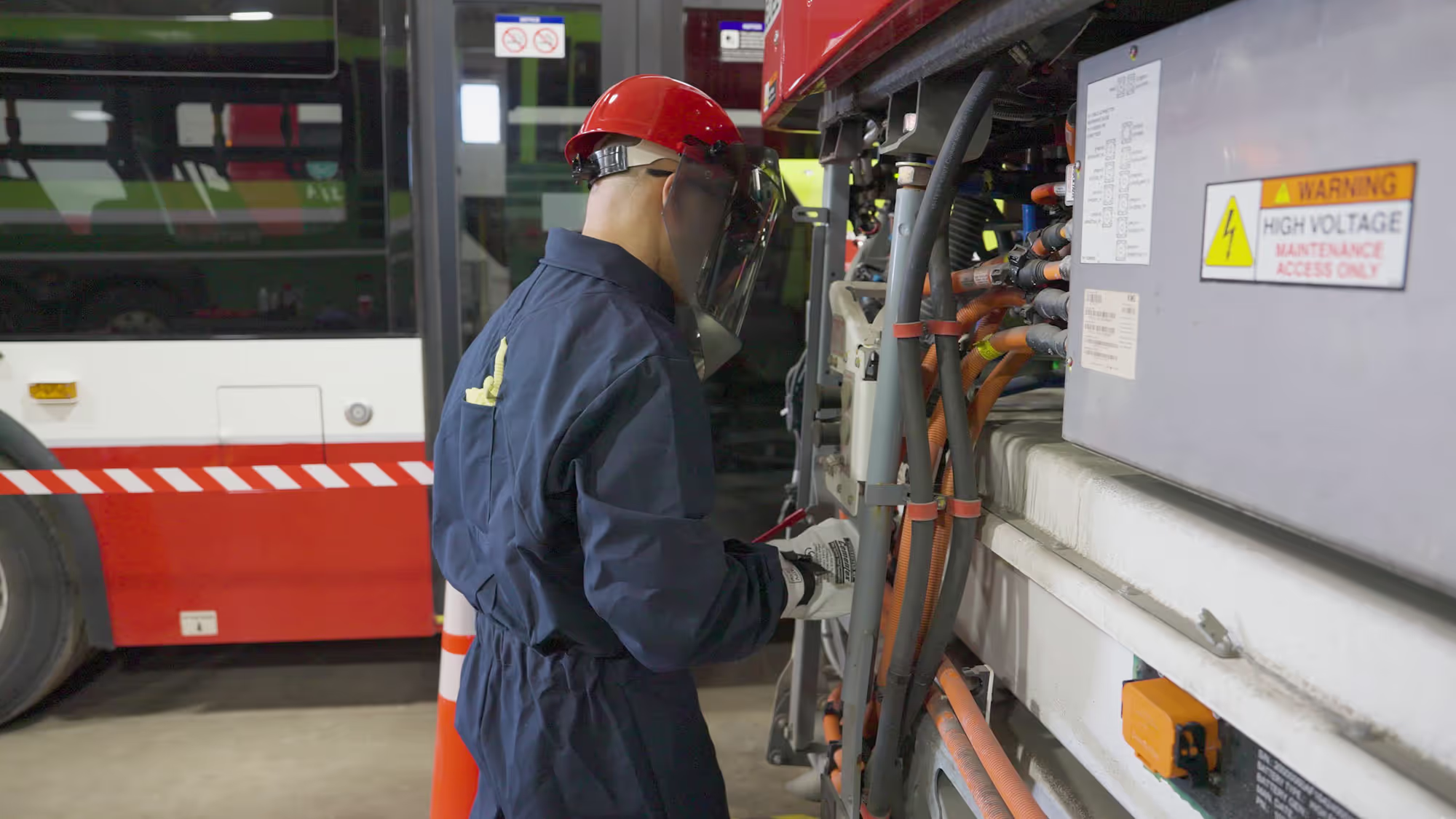
High Voltage Training

Work safely and effectively with high-voltage systems

Charger Installation
Contributes to the seamless integration of electric vehicles

Electrical Engineering
Get your skills in electrical engineering tailored to the transit industry
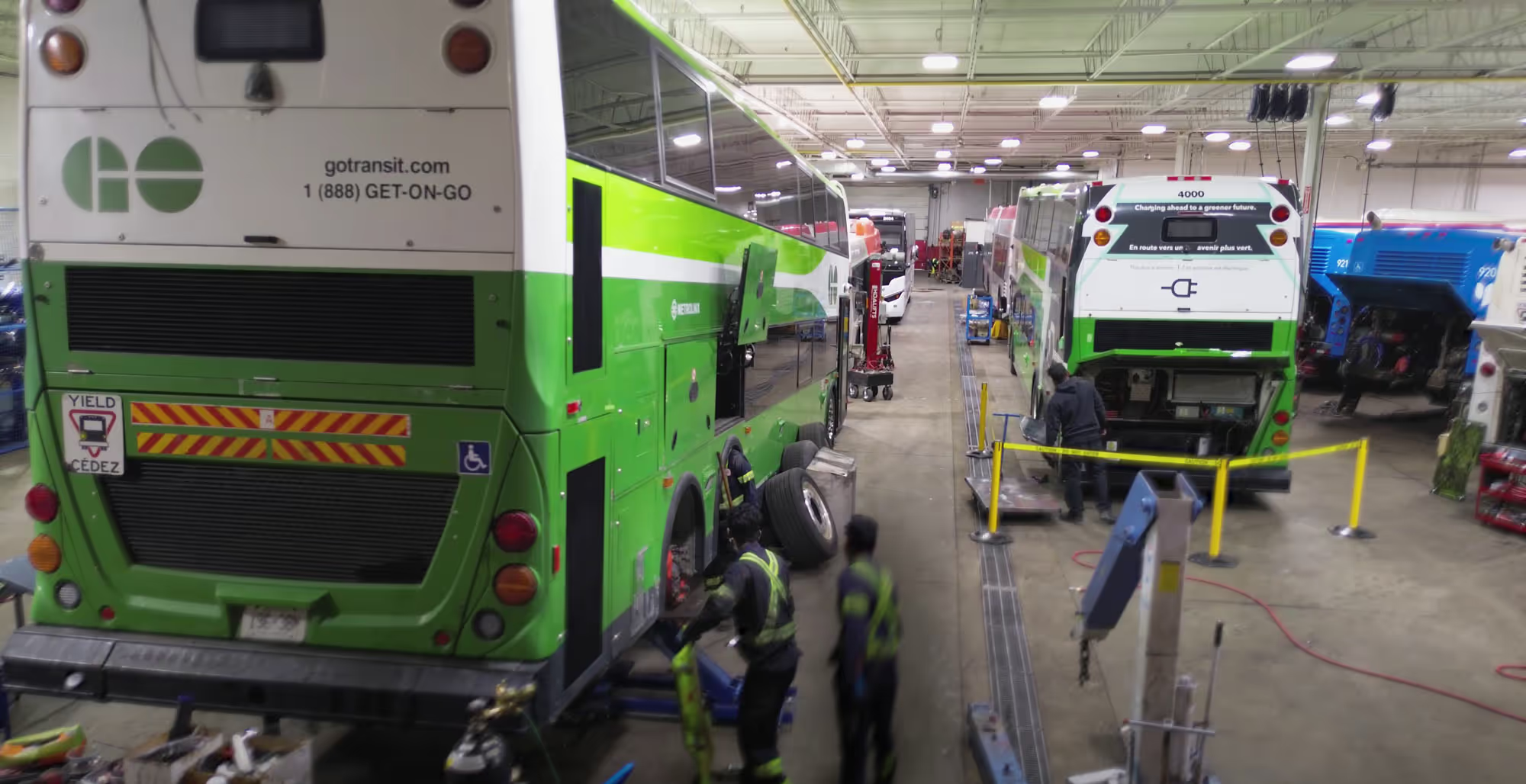
Bus Service (MBCT)
Comprehensive bus service ensuring reliable maintenance, repairs, and safety compliance.
MICROTRANSIT

Paratransit Buses
Learn more about our paratransit vehicles and how we’re improving mobility for people with disabilities and underserved riders.

Micromobility Buses
Discover how our buses support both paratransit needs and provide efficient service in low-ridership areas.

Minibuses for Campuses
Learn how modern electric minibuses create smoother, safer, and more convenient transportation for students and staff.

.svg)
There is no previous post
Previous Post
Next Post
There is no next post
Right-Sized Electric Transit for Campus Mobility: Karsan eJEST Demonstration at Harvard University
No items found.
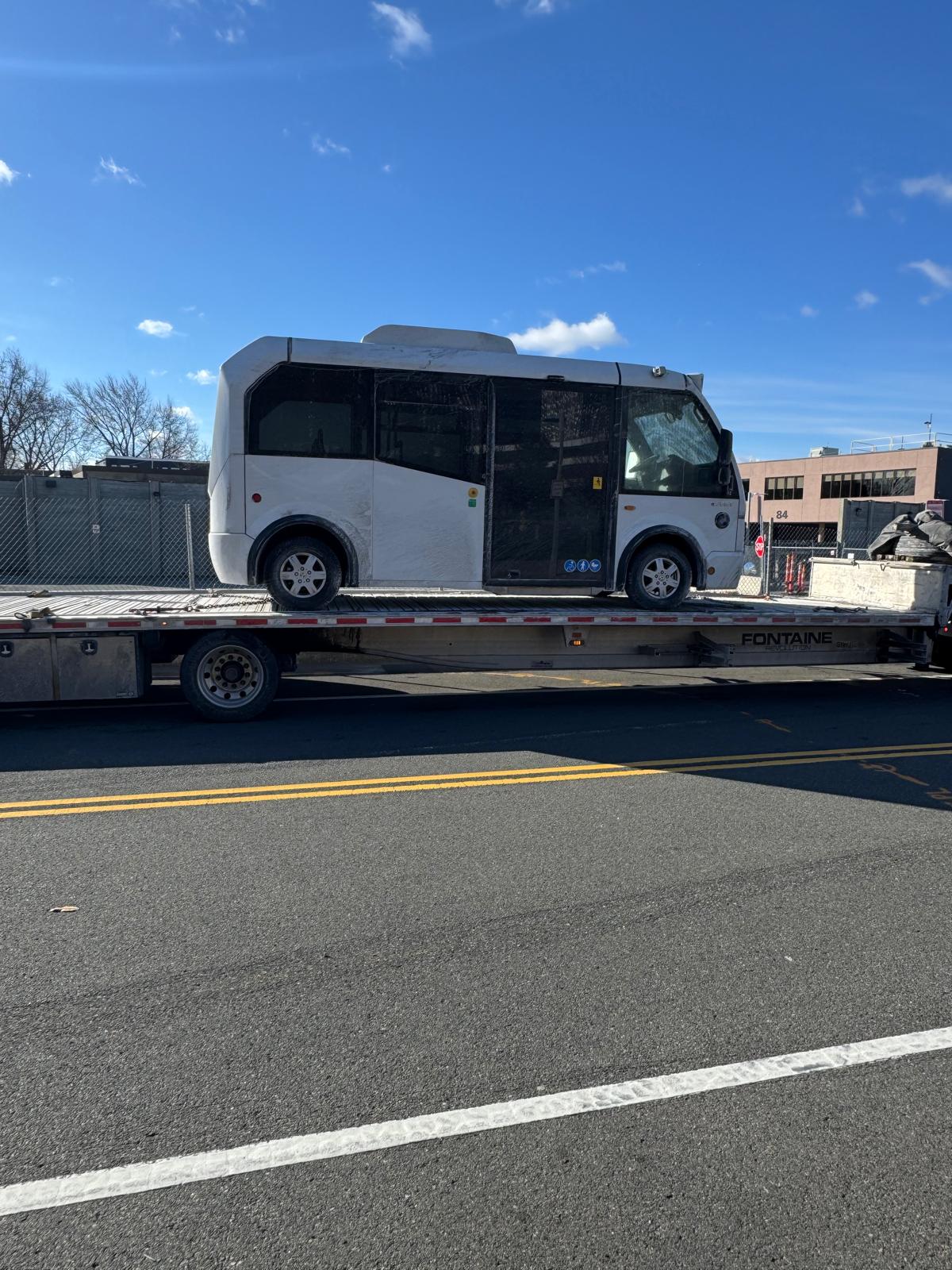
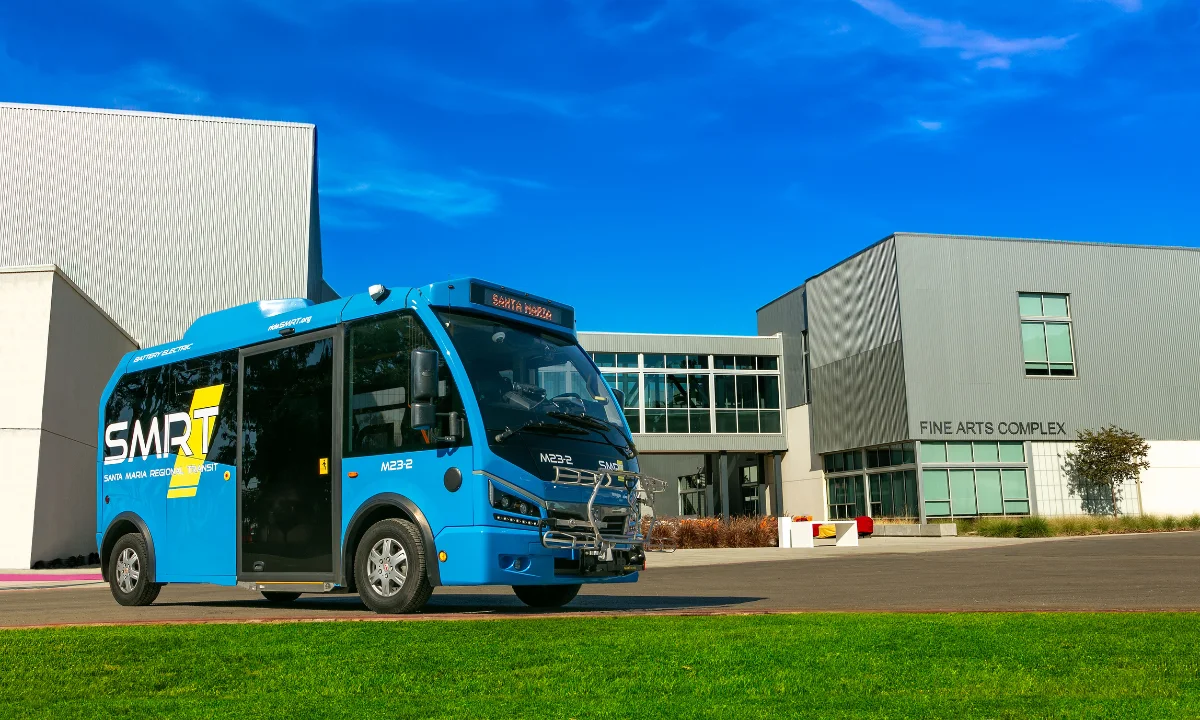
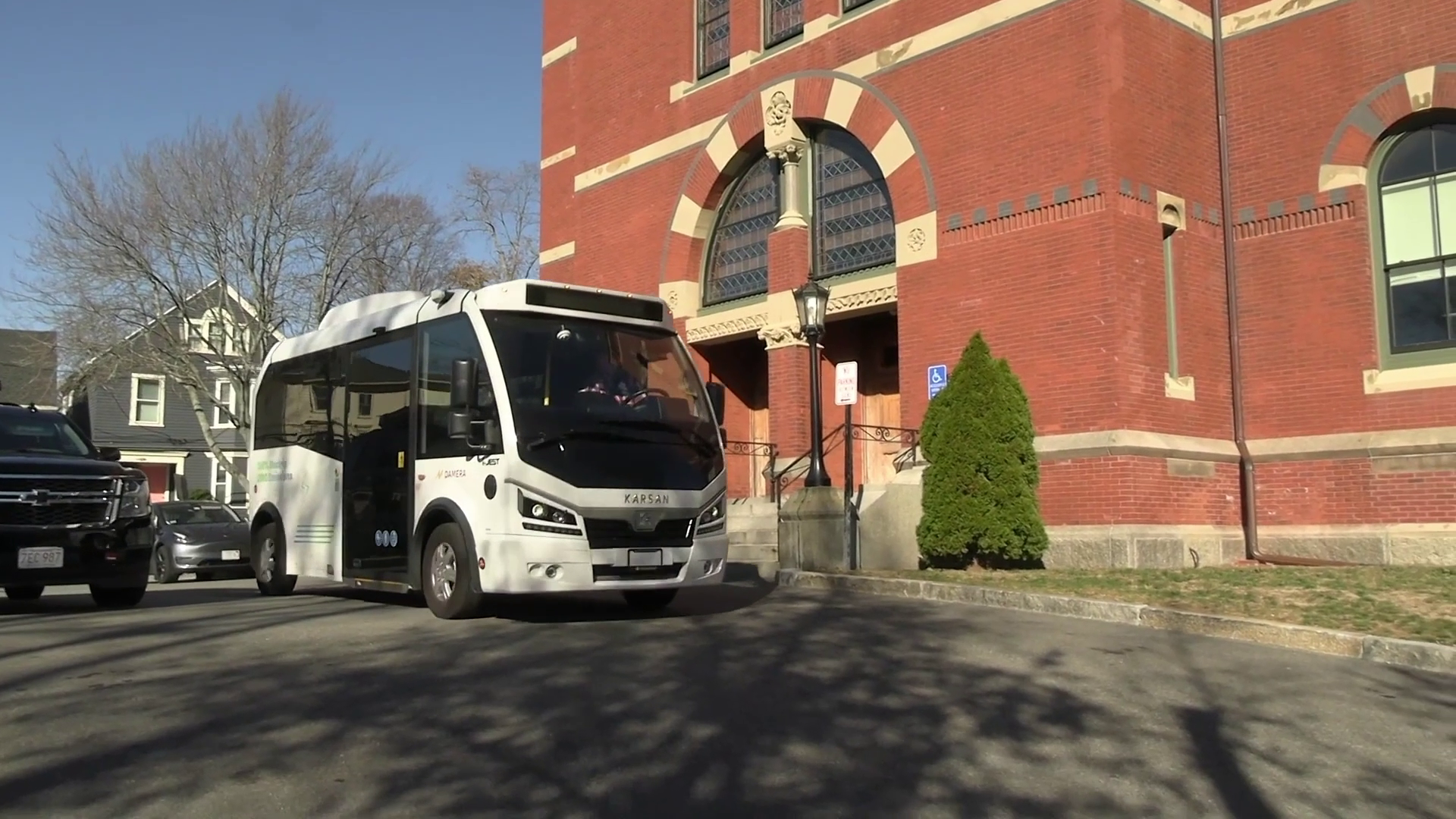
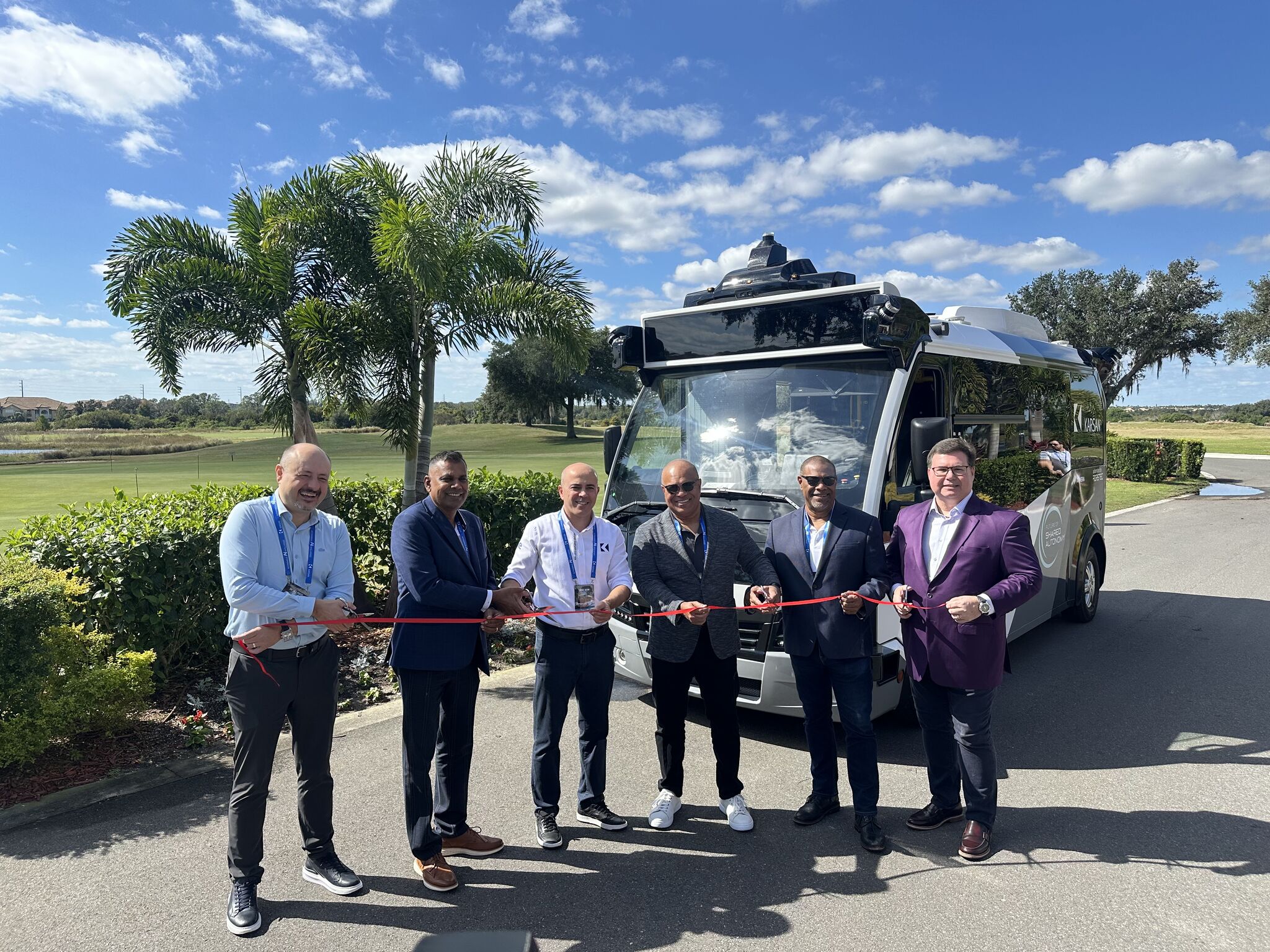
Damera is supporting a live operational demonstration of the Karsan eJEST at Harvard University, in collaboration with MIT, as both institutions evaluate new approaches to sustainable and responsive campus mobility.
The pilot, led by John Pelletier, IT Project Manager for Transportation Services at Harvard University, is running over a 2–3 week period. The focus is clear: assess how a right-sized electric bus can support nighttime, on-demand transit service across campus.
Why Nighttime Transit Matters
When libraries remain open late, research continues in labs, and students move across campus after long hours of study and work, mobility becomes more than transportation — it becomes a layer of safety, confidence, and support.
Nighttime transit is fundamentally different from daytime service:
• demand is lower, but more dispersed
• travel patterns are less predictable
• safety expectations are significantly higher
• service must be reliable without being oversized
For universities, this creates a unique operational challenge: how to provide coverage, safety, and efficiency at the same time.
This is where on-demand service models and right-sized vehicles become critical.
Instead of running large buses with low occupancy, institutions can deploy smaller, fully accessible vehicles that align with real demand — delivering service that is both responsive and cost-effective.
A Shift in How Transit Is Designed
Harvard’s evaluation reflects something deeper than a shift in operations — it highlights how transit contributes to the image, reputation, and overall experience of a leading institution.
For universities of this level, mobility is part of how the campus is perceived. It should reflect innovation, care for people, sustainability, and high standards in every detail.
This means transit solutions must deliver more than functionality:
• they must align with a modern, forward-looking image
• operate seamlessly within pedestrian-focused environments
• provide a safe, comfortable, and dignified experience
• support both day and nighttime mobility needs
From our perspective, achieving this requires more than a visually appealing vehicle.
It requires a solution that is reliable, durable, and economically sound over the long term.
This is where the Karsan eJEST stands apart. It combines modern design and rider appeal with true transit-grade robustness, ensuring that operations teams can depend on the vehicle every day — not just at the point of delivery.
Why the Karsan eJEST Fits This Use Case
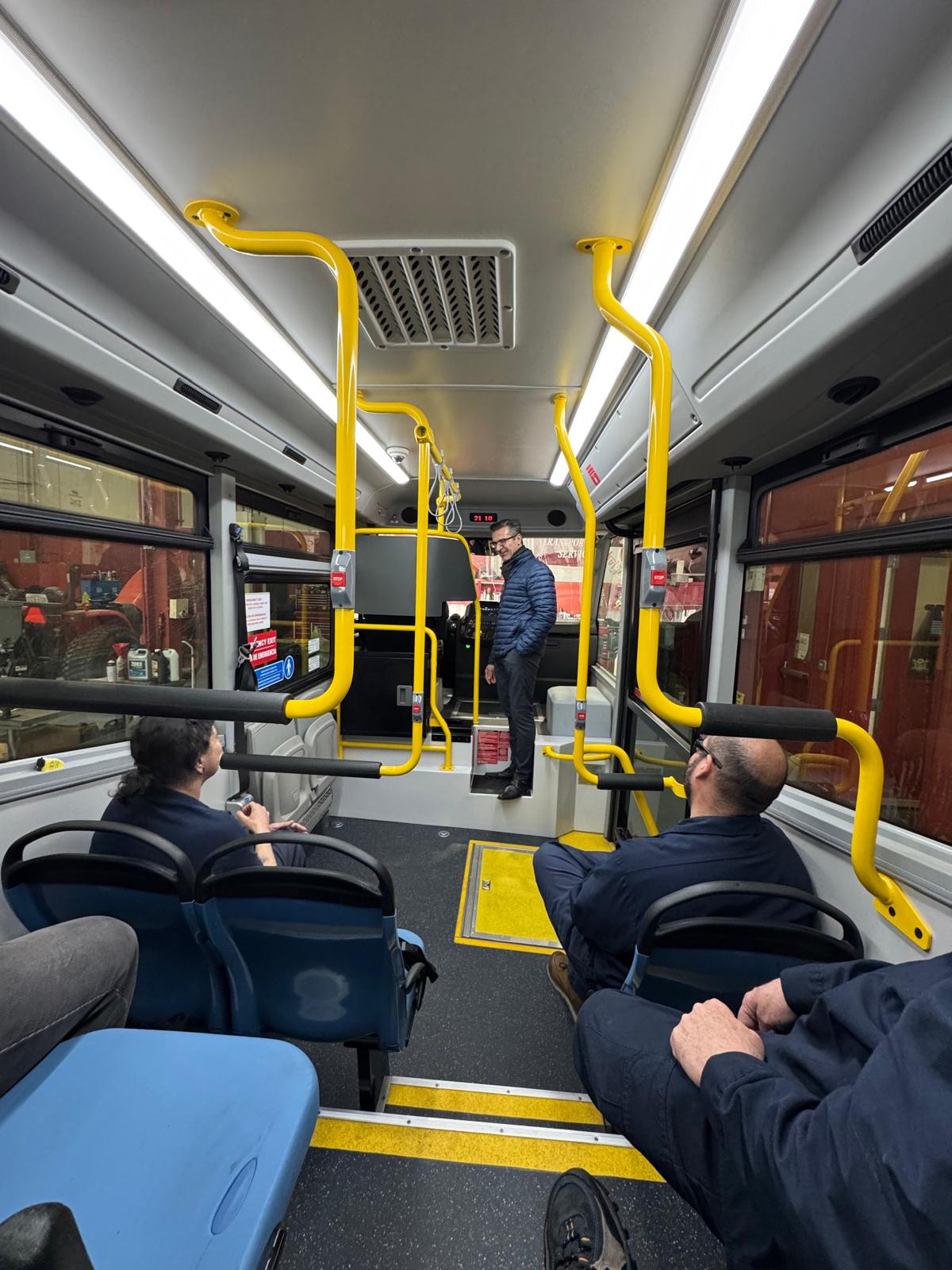
The Karsan eJEST is designed for exactly these types of environments.
Right-Sized for Real Demand
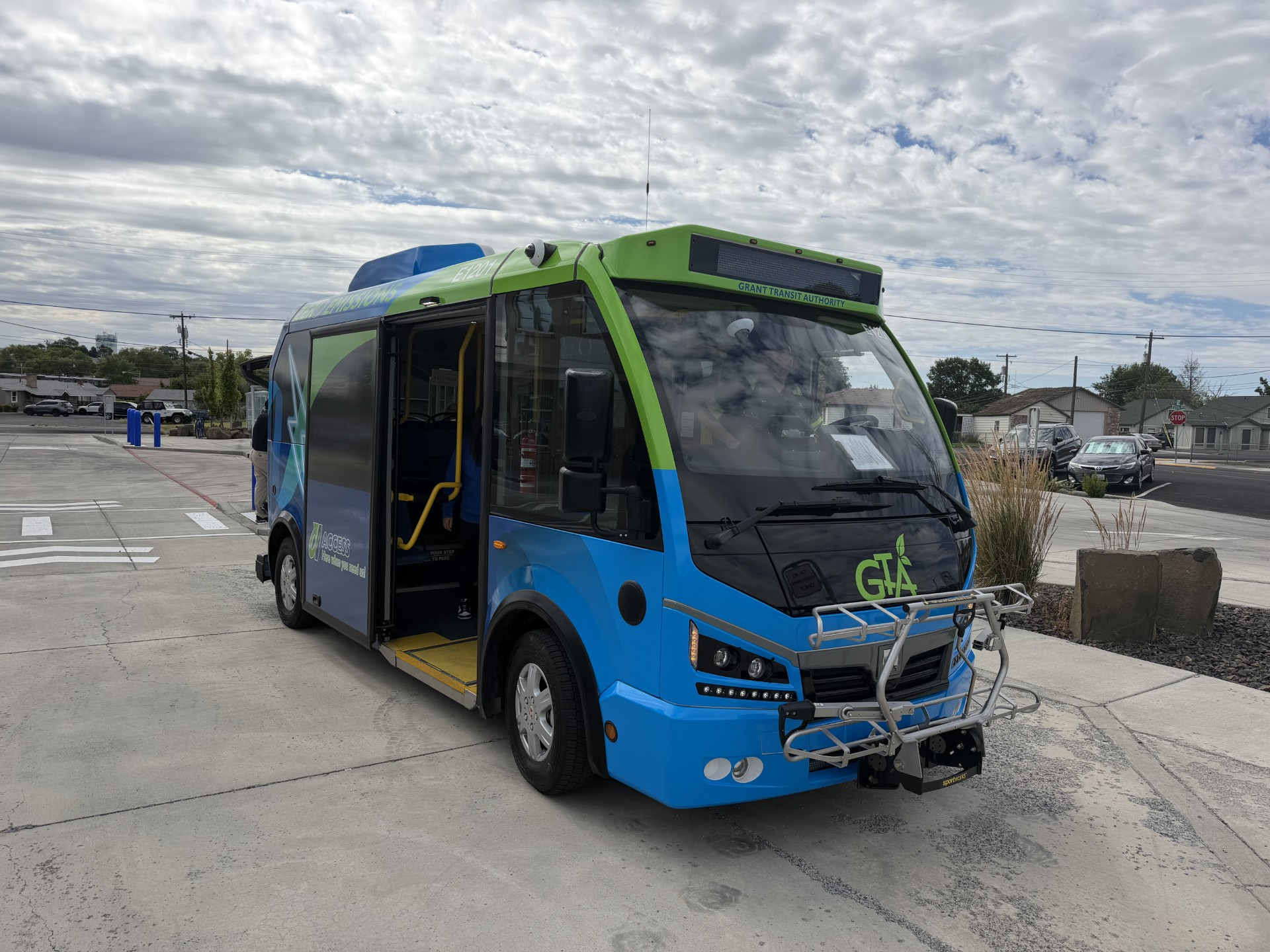
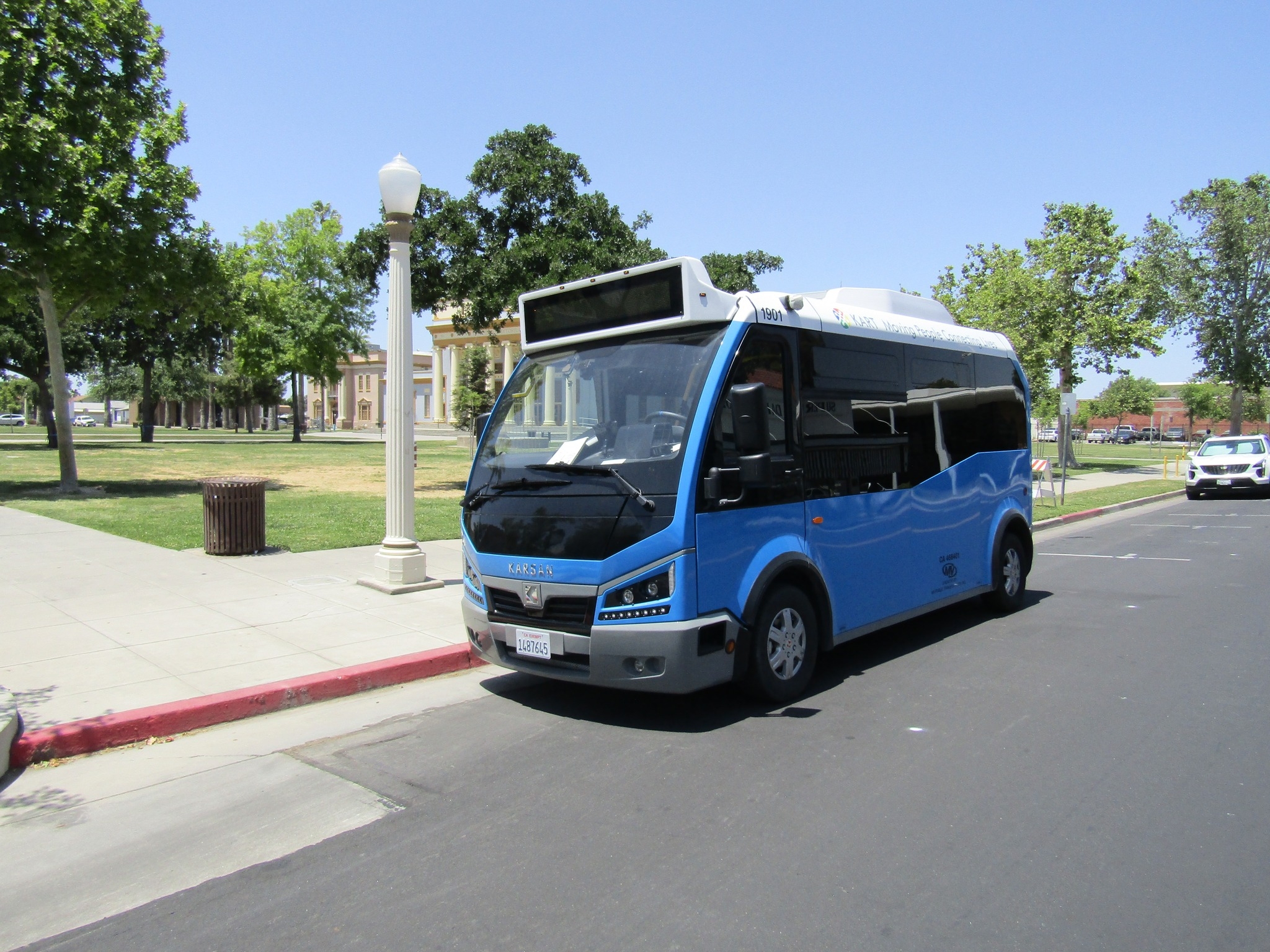
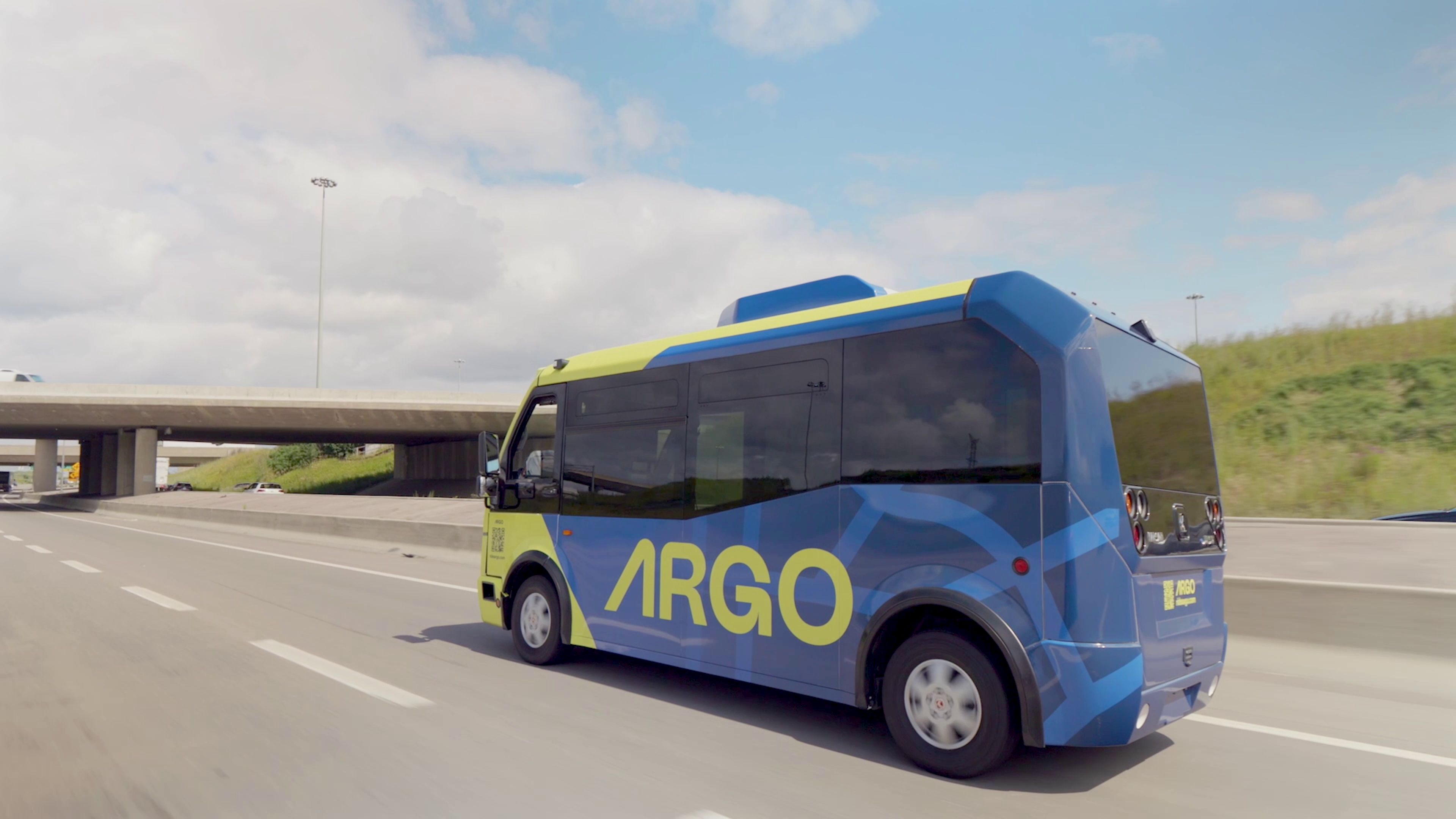
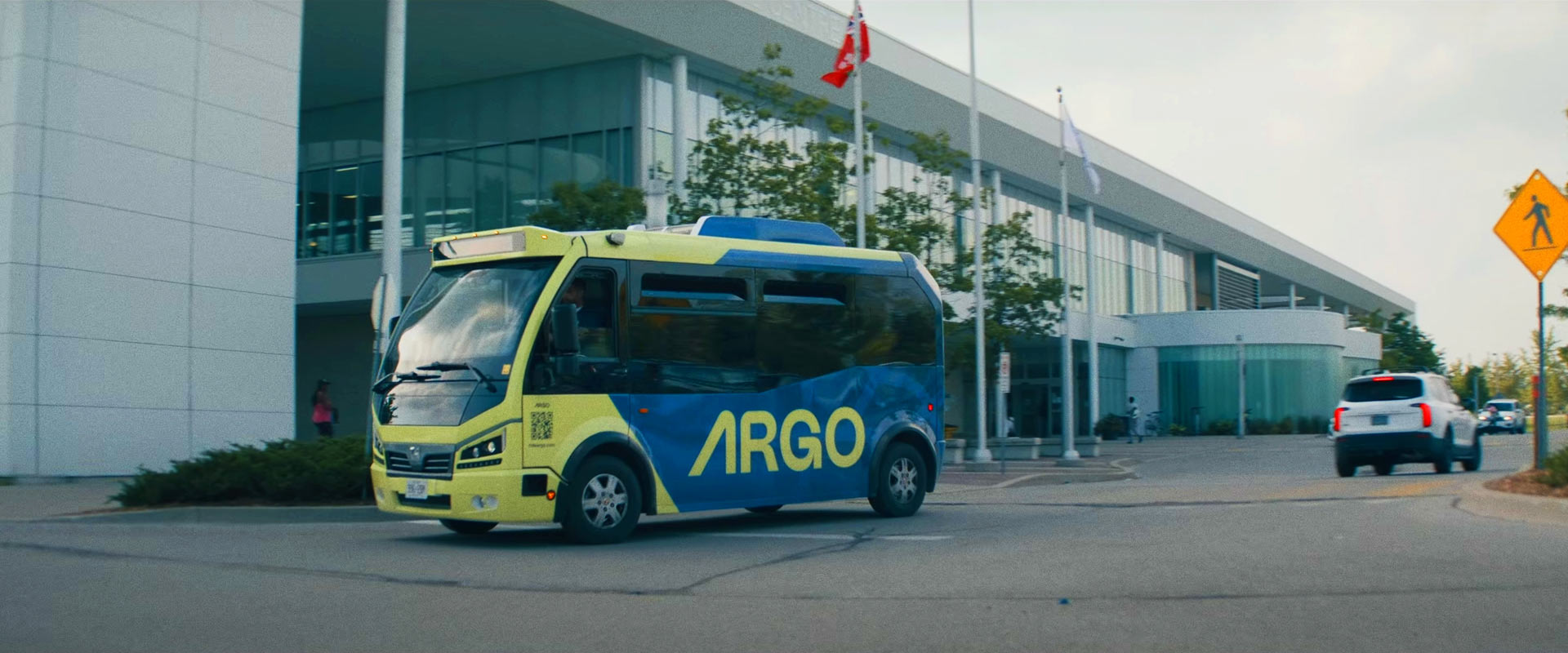
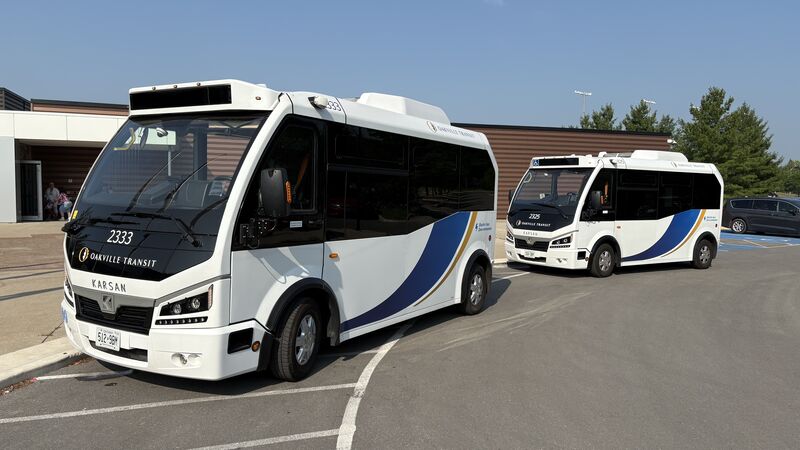
At approximately 20 feet (6 meters), the eJEST can operate efficiently on campus roads, tight loops, and pedestrian-priority zones where larger buses are not practical.
Zero-Emission Performance
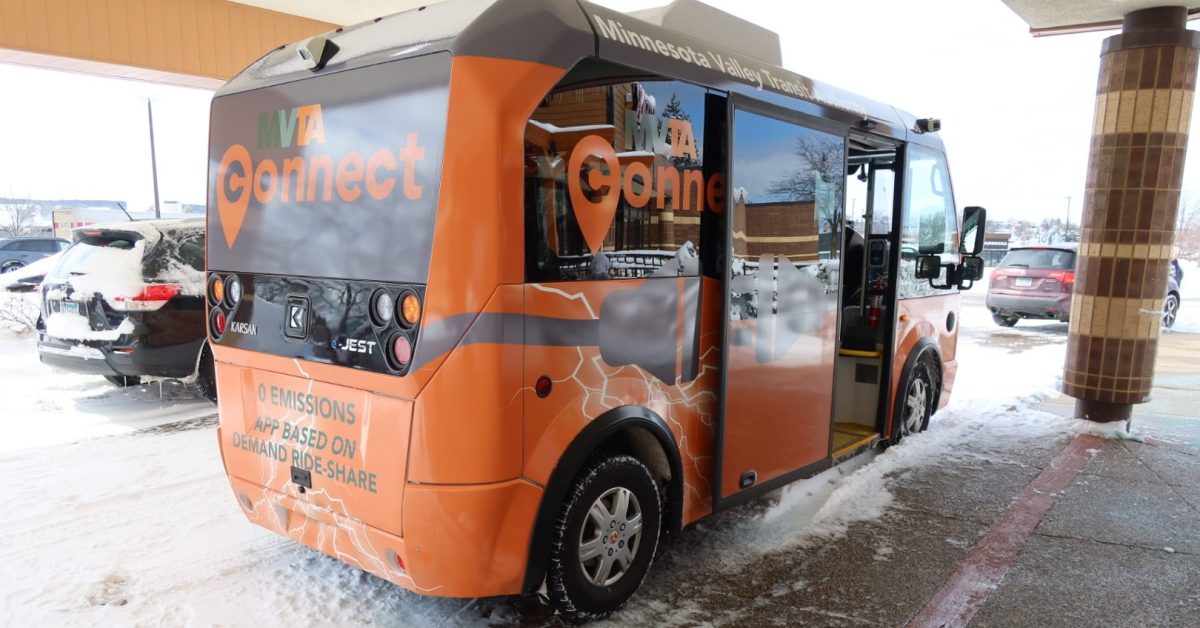
Electric operation supports institutional sustainability targets while improving air quality and reducing noise — especially important in campus settings.
Full Accessibility
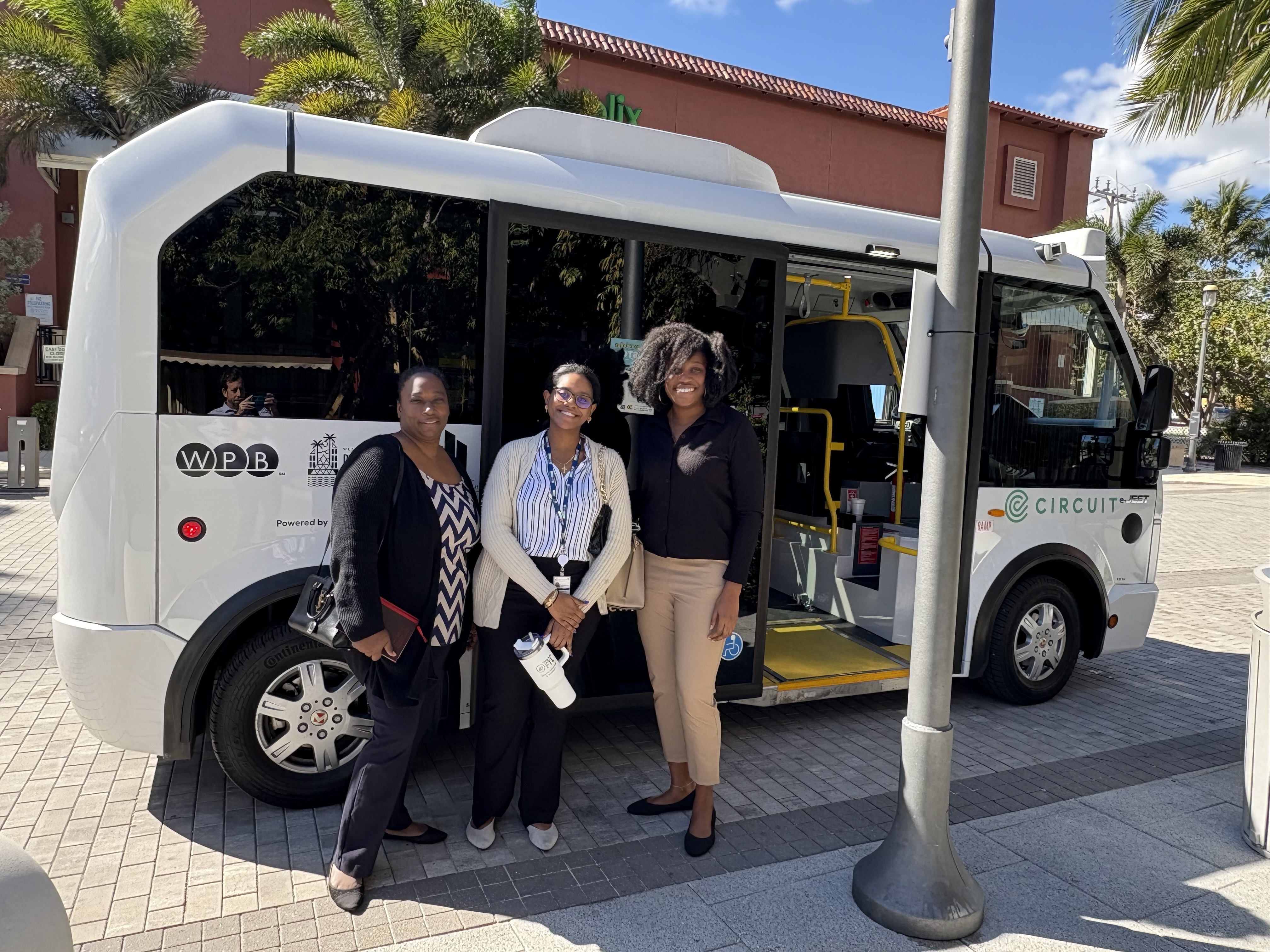
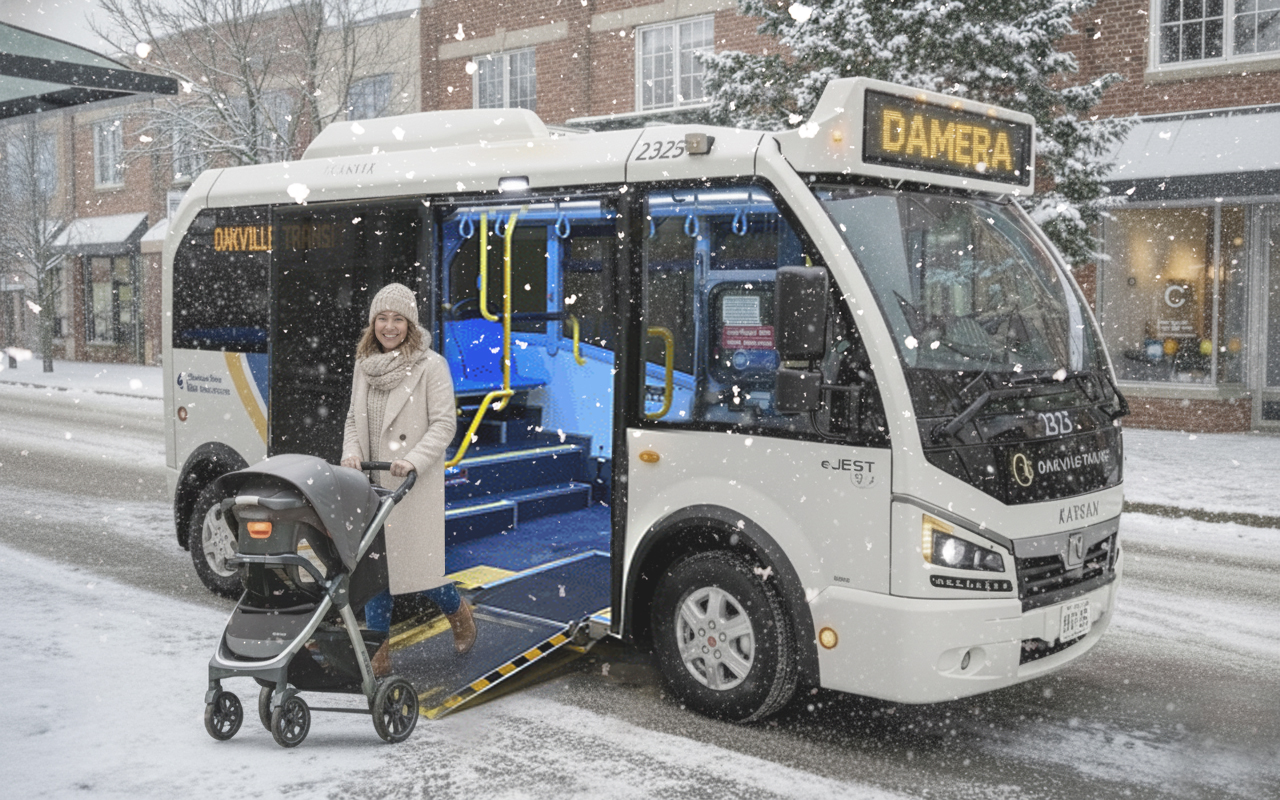
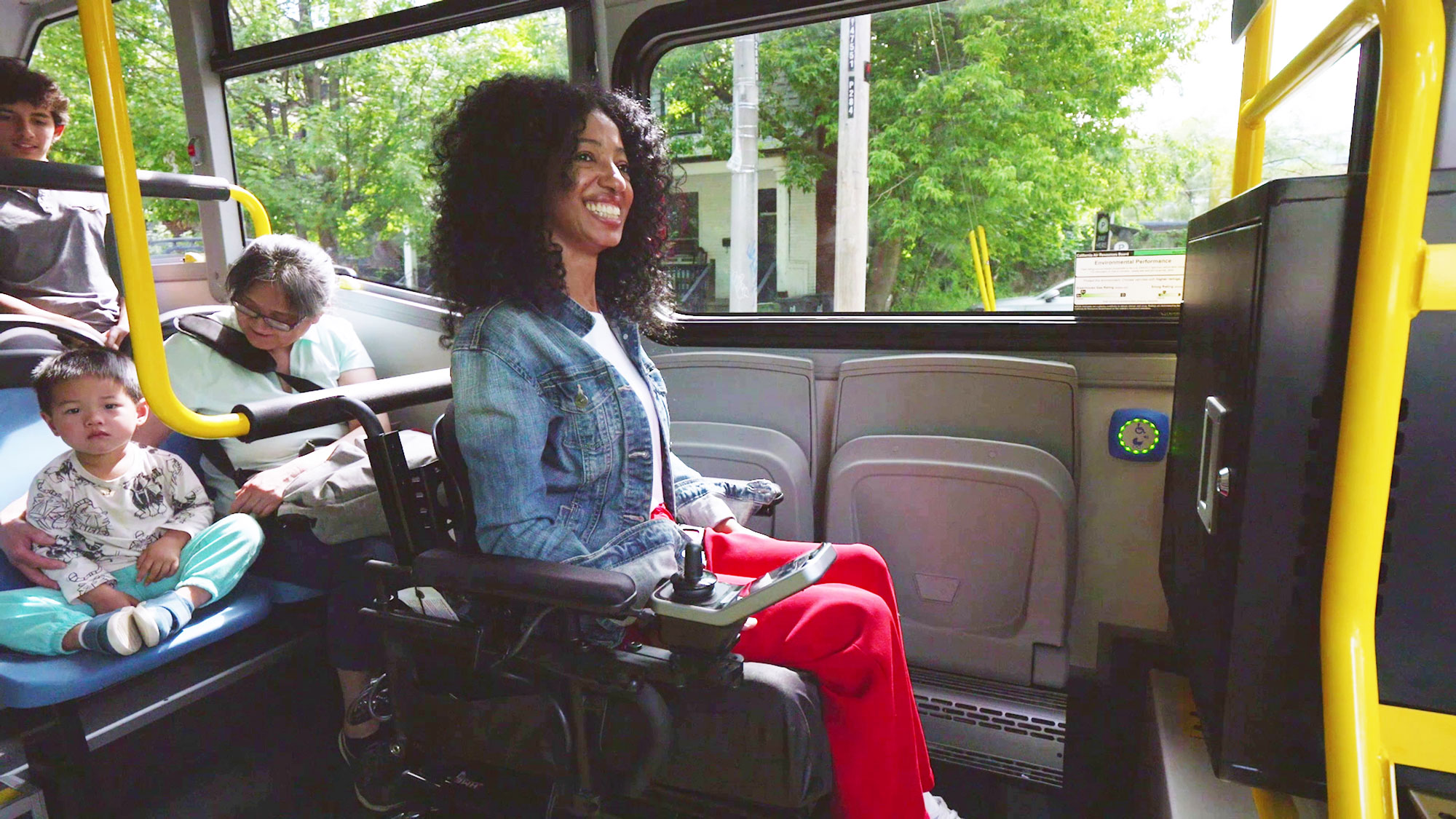
Low-floor, step-free boarding with an integrated ramp ensures that mobility is inclusive for all users.
Rider-Centered Experience
Wide windows, smooth driving characteristics, and modern design create a more comfortable and approachable transit experience — particularly valuable during nighttime travel.
Operational Efficiency
Right-sized vehicles allow agencies to match capacity to demand, avoiding the cost of running underutilized large buses.
Financial Advantage
From a capital and operational perspective, the impact is significant. In many cases, institutions can deploy up to four eJEST buses for the cost of one full-size electric bus, enabling:
• increased service coverage
• higher frequency
• improved redundancy
• better utilization of assets
This is not just a vehicle decision — it is a service strategy decision.
From Maintenance Expertise to Mobility Solutions
Damera’s approach to transit is rooted in experience.
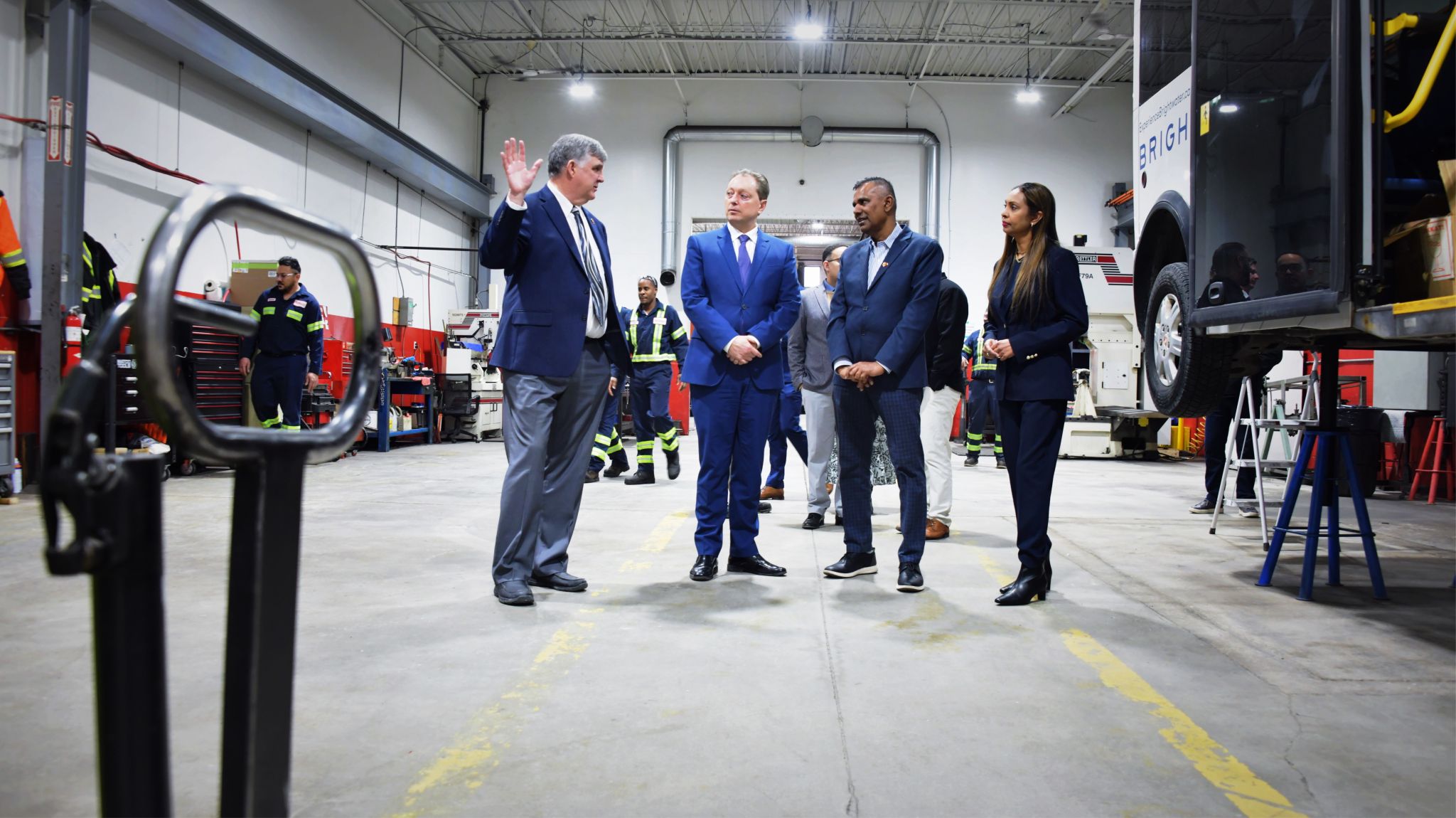
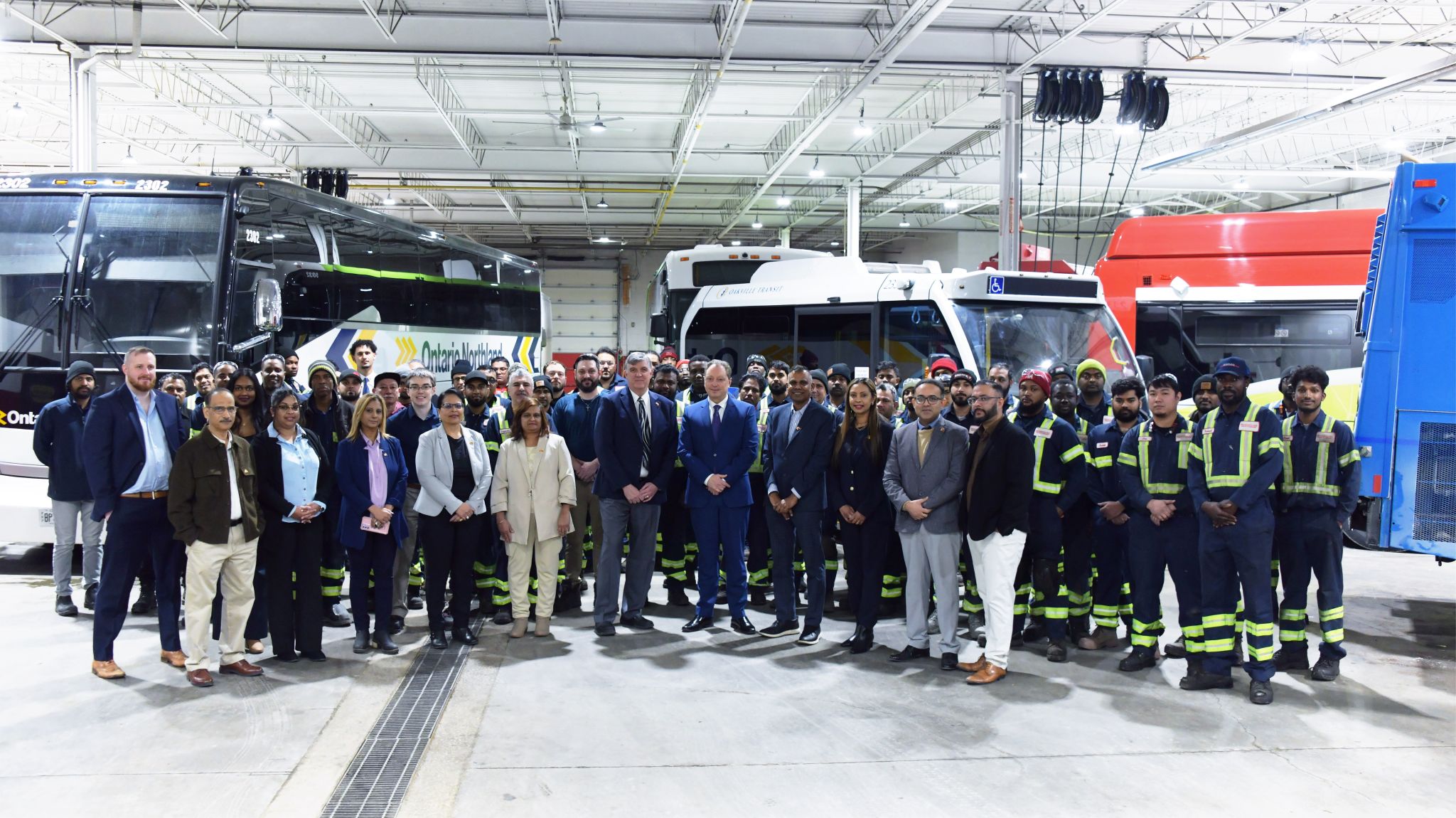
The company’s foundation traces back to Mississauga Bus, Coach and Truck Repairs (MBCT), established in 2002 by Raj and Predeita Mahadeo. Over the years, MBCT became a trusted partner for transit agencies by delivering high-quality maintenance, diagnostics, and fleet support.

Damera understands not only how vehicles are sold — but how they perform over time:
• how systems wear
• how maintenance affects uptime
• how real operations differ from specifications
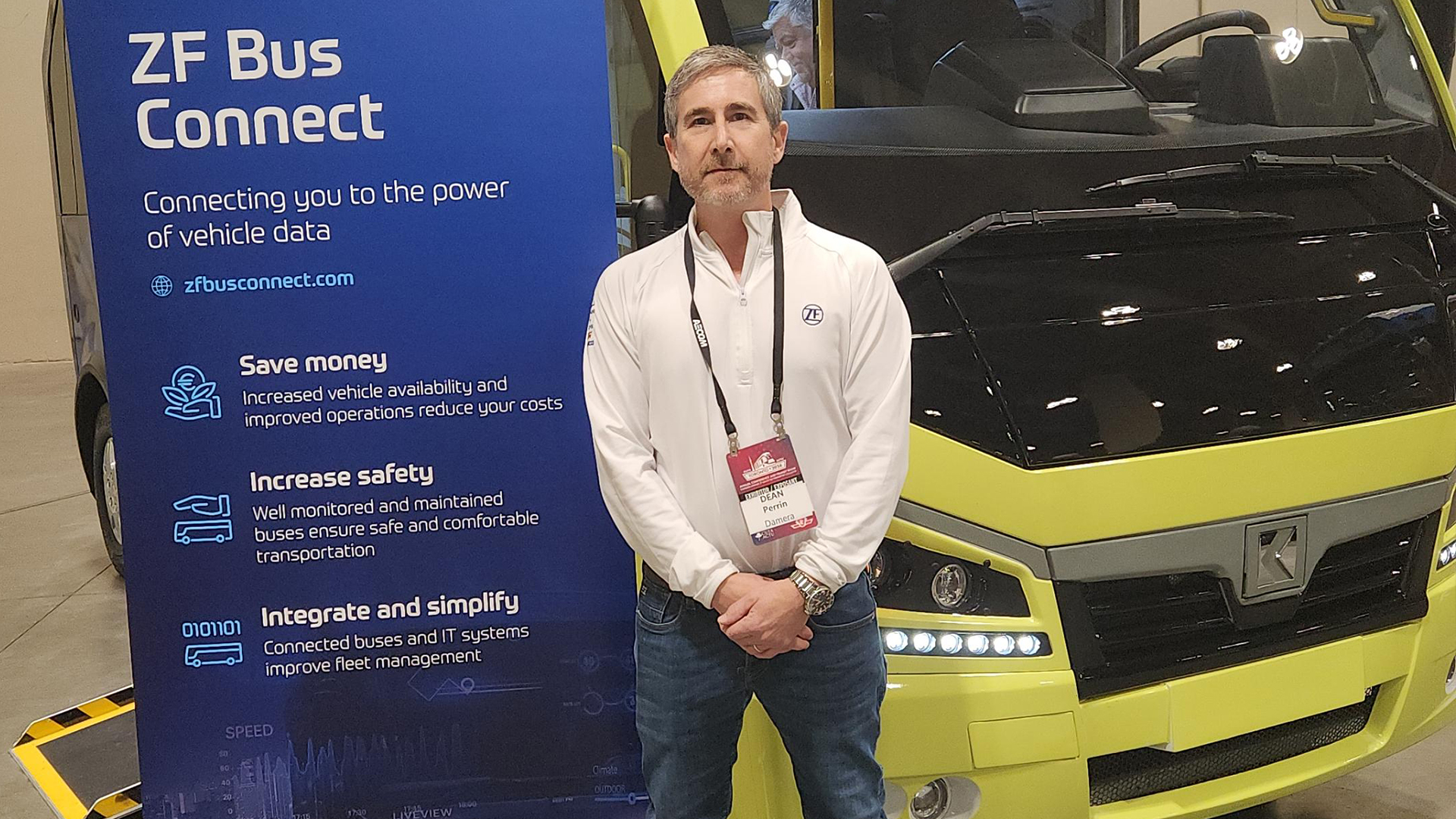
That experience informs every decision — including the introduction of the eJEST to North America.
eJEST improves every detail:
• 12+ years of service life
• vehicle accessibility
• driver and rider comfort
• noise levels
• ease of boarding
• perception of safety
• no CDL required, helping transit agencies expand their driver pool.
For night transit success depends on aligning:
• vehicle size
• service model
• infrastructure
• operational realities
Right-sized electric buses offer a pathway to:
• scaling electrification gradually
• control capital investment
• improve service flexibility
• increase ridership in targeted use cases
This approach is not only useful for campuses, but particularly relevant for:
• microtransit systems
• suburban networks
• first-/last-mile services
• low- to mid-density routes
We believe transit is one of the most important systems in any community. It connects people to opportunity, education, and daily life. It shapes how cities and campuses function.
That is why working with institutions like Harvard carries meaning for our team.
These are places where the future is being built — where students, researchers, and professionals are shaping the next generation of ideas and impact. If we can contribute by making mobility safer, more accessible, and more reliable — that matters.
Damera — We make transit work. 🚍









.jpeg)








.jpeg)


.jpg)


.svg)